
Reviewed · PRIVATE
11 Days Morocco Epic Private Tour – Casablanca to Marrakesh via Chaouen & Desert
Eleven days, one nonstop Morocco storyline. This private route stacks Hassan II Mosque and the Erg Chebbi dunes, so you see huge change fast, but you will spend plenty of time on the road.
I like that your accommodations and transport are handled, which makes the trip feel calm even when the itinerary is packed. I also like the mix of cities plus nature, from Fes medina wandering to camel sunset and sunrise. One tradeoff: most dinners and lunches are on your own budget, so you will want to carry some cash and stay flexible about where you eat.
You will start in Casablanca, then work north to Rabat and Chefchaouen before looping through Roman ruins and imperial cities. After that, the big mood shift is the Middle Atlas to the Sahara, then Atlas valleys and mountain passes, ending with Marrakech and a seaside escape to Essaouira.
In This Review
- Key things I’d plan around
- Hassan II Mosque to Rabat, day one’s big introductions
- Chefchaouen in one day: blue streets and old-fort charm
- Volubilis, Meknes, and Fes: three imperial cities, three time periods
- Fes el Bali walk: learning the medina without stress
- To Merzouga by Middle Atlas: cedar forests, fossils, and palm groves
- Erg Chebbi sunset to starlit camp: camels, Khamlia, and Rissani
- Todra and Dades Gorges, plus the Valley of a Thousand Kasbahs
- Ouarzazate film scenes, Ait Benhaddou, and the climb to Marrakech
- Marrakech medina souks and Essaouira’s Atlantic calm
- Is this the right private tour for you at $1,721?
- FAQ
- How long is the Morocco private tour from Casablanca to Marrakech?
- Is this a private tour or shared group?
- What meals are included?
- Is pickup included?
- Do I get a mobile ticket?
- Is desert time included, and what’s it like?
- What if weather affects the desert?
Key things I’d plan around
- Private means your pace: it is just your group, not a shared shuttle crowd.
- Breakfast included, rest on you: plan on buying most lunches and dinners.
- Desert night is real: Erg Chebbi sunset camel ride plus an overnight camp by the dunes.
- Fes is guided, not just dropped-off: you get a structured walk in the old medina.
- A lot of driving, but it earns its keep: the scenery changes constantly, from cedars to palms to gorges.
Hassan II Mosque to Rabat, day one’s big introductions
Your first day is a power move: Casablanca first, then Rabat. Casablanca is not just a gateway here, it starts with the Hassan II Mosque, sitting right on the ocean. Even if you only do this one stop, the place is worth it for the scale and the craftsmanship. The minaret is listed as 210 m, and it is one of the few mosques in Morocco where non-Muslims can enter, which keeps the visit practical for mixed groups.
Then you head north to Rabat, where you trade ocean views for ruins and fortifications. You visit Chellah Necropolis, with Roman and Islamic remnants, and you also get a look at the Kasbah des Oudaias and the nearby gardens. The Hassan Tower is another good reality check on history, an incomplete mosque minaret plus columns that signal how long projects can take.
Practical tip: dress for a quick walk, even when it looks like a monument stop. The ground can be uneven, and you will want comfortable shoes before the medina days begin.
Other Casablanca days to consider
- Casablanca: Hassan II Mosque Premium Tour with Entry Ticket
★ 4.5 · 2,971 reviews - Casablanca City Tour with Hassan II mosque ticket
★ 5.0 · 2,480 reviews - Casablanca: City Tour with Hassan II Mosque Entry Ticket
★ 4.6 · 1,137 reviews
Chefchaouen in one day: blue streets and old-fort charm
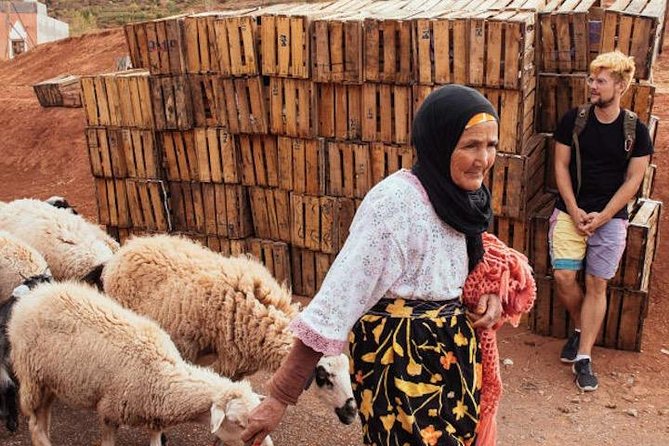
Chefchaouen is the reset button. After big cities, you get the Rif Mountains and a town that feels slower. The big attraction is the blue-hued buildings inside the historic medina, plus the maze of narrow alleys that hang onto the hillside.
What I like about this stop is that you do not just stroll randomly. You have a real starting point: Plaza Outa el-Hammam, named for the old hammam presence around the square. From there you can branch out to shopping streets and local cafés, then check out the Grand Mosque and kasbah. The kasbah visit typically means you get context and a quieter pocket away from the busiest lanes.
One consideration: Chefchaouen day trips can feel short if you love photography and want long hangs in side streets. You get time to wander, but if you are chasing every viewpoint, plan to move efficiently and accept that you will not see every corner.
Volubilis, Meknes, and Fes: three imperial cities, three time periods
Leaving the north, the route leans hard into history across different eras. A standout before Fes is Volubilis, an ancient Roman site and a UNESCO-listed stop. It is a quick hit compared to a full-day Roman tour, but it helps you understand why Morocco’s past is layered, not linear. The ticket for Volubilis is noted as not included, so build a small budget for that one if you want to walk the ruins fully.
After Volubilis, you go to Meknes. Meknes is where I’d tell you to look for the details, like the granaries designed with tiny windows and underflow channels to keep grain cool and air moving. You also see Bab Al Mansour, a dramatic gate built in the 11th century, plus the mausoleum of Moulay Ismail.
Then you roll into Fes, the cultural heart for many people. The old medina is big enough that getting lost is easy, but going in without a plan can be rough. This is why having a guide and a set start point matters.
Practical tip: if you can, arrive at riads and hotels with a little light left in the day. Even a quick view from a hill gives your brain a map.
Fes el Bali walk: learning the medina without stress
Fes deserves more than “walk around and hope.” Here you get a structured half-day in Fes el Bali, starting at Bab Boujeloud gate and moving into Talâa Kebira, the main thoroughfare. You also notice architecture influences as you pass by shops and souks, plus you get to see how the medina is organized in three main areas: two older quarters and the newer French-influenced Ville Nouvelle.
This part of the tour is valuable because it is not just sight-seeing. It is learning how the place works: where people trade, how alley blocks connect, and what to look at beyond the first storefront. You also visit the Merenid Tombs just north of the city for a sweeping view, which is a great way to reset before the walking becomes dense.
One realistic drawback: medinas involve stairs, tight lanes, and lots of turning. If you have mobility issues or a low tolerance for crowded streets, tell your guide early so you can get smoother routing.
Within striking distance:
- Private Tour of Casablanca with Hassan II Mosque Entry Ticket
★ 5.0 · 1,102 reviews - Marrakech Day Trip with Camel Ride from Casablanca
★ 5.0 · 740 reviews - Casablanca: Hassan II Mosque & City Highlights Tour
★ 4.5 · 573 reviews - Casablanca: Hassan II Mosque & City Highlights Tour
★ 5.0 · 526 reviews
To Merzouga by Middle Atlas: cedar forests, fossils, and palm groves
The drive from the north into the Sahara region is one long lesson in Morocco’s geography. You cross the Middle Atlas, where cedar forests show up, then you start descending toward the edge of the desert. The route also includes a stop in Midelt, known for fossils and rocks, which is a fun mid-journey break if you like geology or simple science stops.
Then you follow mountain roads with views over the Oued Ziz and pass through kasbahs and palm groves. Er-Rachidia comes up as a base area before you arrive at Merzouga in the afternoon. This is when the trip starts feeling different, because the air and light shift as Erg Chebbi gets closer.
You will also spend the night at the foothills of the dunes area. That matters because it breaks up a long day, and it helps you avoid the desert feeling rushed.
Practical tip: bring a light layer for evenings. Even if the days are warm, desert nights can cool down fast.
Erg Chebbi sunset to starlit camp: camels, Khamlia, and Rissani
This is the heart of many Morocco trips, and it is handled in a way that gives you both culture and scenery. First, you explore the Merzouga area with stops like a fossils center and the ancient city of Rissani, tied to Morocco’s Alawite dynasty. You also get a look at Khamlia village, where you can listen to Gnaoua music. If you want music with a strong sense of place, this is one of the best moments on the entire route.
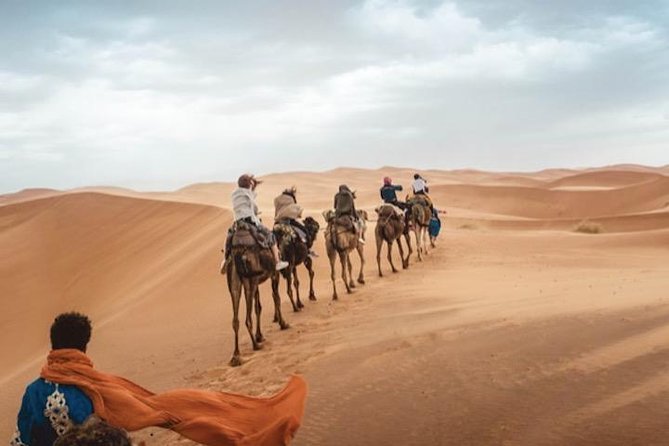
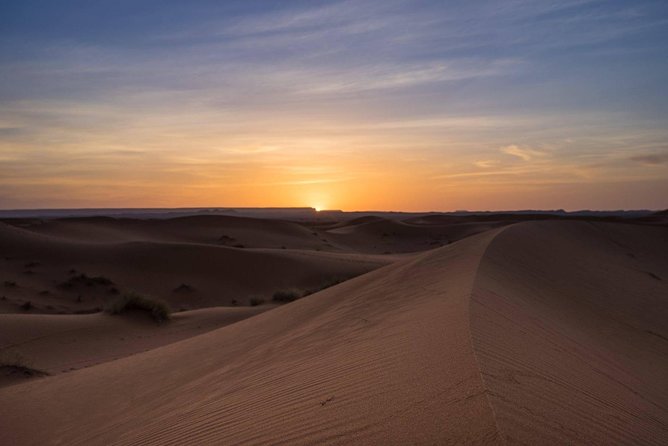
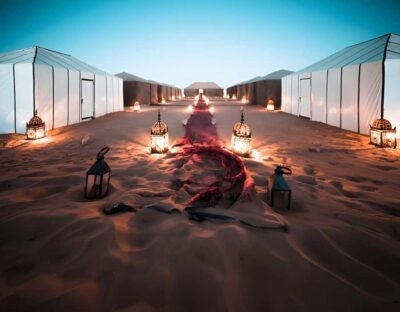
Then comes the camel ride. You saddle up in the late afternoon, ride across the desert during sunset, and reach a camp for the night by the dunes. You get the star-filled night experience, and there is Berber music around camp.
One key consideration: camel rides and overnight desert camps are not for everyone. If you have back issues, tell your guide in advance and be ready for a slower rhythm. Also, night skies are amazing, so plan for minimal distractions. You will get the best “wow” when you step back and give your eyes time to adjust to darkness.
Todra and Dades Gorges, plus the Valley of a Thousand Kasbahs
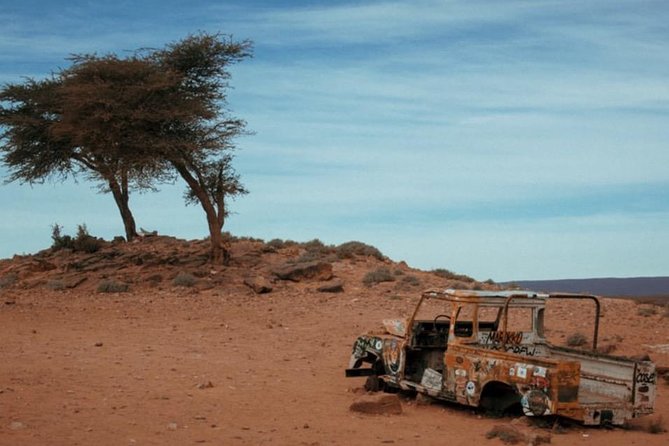
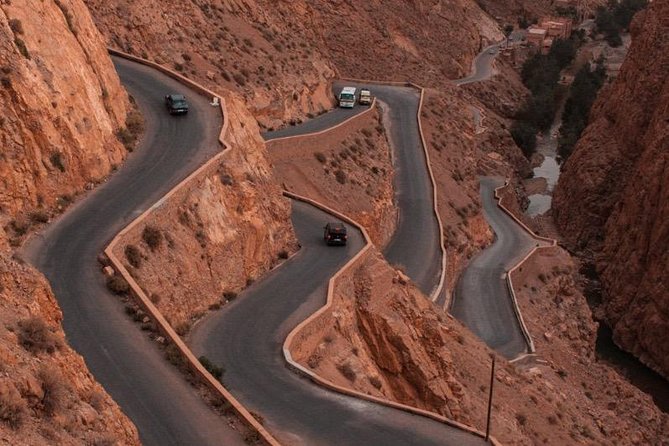
After the Sahara night, the route pivots to stone, river valleys, and hiking. You wake early to catch sunrise over the dunes, then head back toward Merzouga and start moving through volcanic terrain in the Jbel of Saghro area. This is followed by a hike up Todra Gorges, described as towering and narrow, with the river valley setting the mood. It is the kind of stop where you feel small next to the rock.
You then continue toward Dades Gorge and pass dramatic rock formations like the Tamnalt Hills. Overnight in the heart of Dades Gorge keeps you close to this scenery and gives you time to settle without racing across the next day.
Later, the trip adds more kasbah scenery through the Valley of a Thousand Kasbahs. Even when many are in disrepair, families still live in some, which changes how you see those walls. It is not only a photo set, it is living architecture.
Ouarzazate film scenes, Ait Benhaddou, and the climb to Marrakech
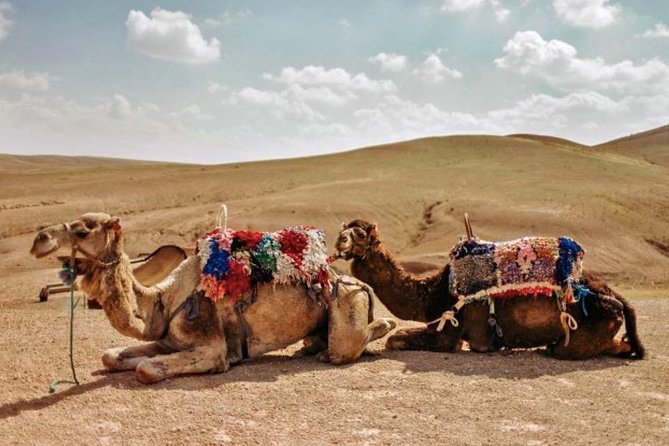
This is where the itinerary gets cinematic. You move toward Ouarzazate through the Valley of a Thousand Kasbahs and stop around rose farmland in Kelaâa M’gouna, known for its Festival des Roses. Then you reach Ouarzazate, a gateway to the Sahara region that has been used in films, including a studio tour stop.
After that, you visit Aït Benhaddou, a UNESCO World Heritage site that sits along the trans-Saharan trade route history. You walk narrow streets up toward the granary, and you get big views over the surrounding landscape. Then you cross the High Atlas, with a stop near the Tizi n’Tichka pass for mountain-range views and a look toward Mount Toubkal.
Descending into Marrakech feels dramatic, because the climate and pace change quickly. You settle into your hotel and then have time to enjoy Jemaa el-Fna in the early evening, where musicians, performers, and food stalls create an atmosphere that is hard to replicate anywhere else. If you prefer less crowd noise, there are cafés around the square that give you a calmer view.
Practical tip: Marrakech nights are loud and busy, so if you want to rest, plan a café break before you commit to the full square chaos.
Marrakech medina souks and Essaouira’s Atlantic calm
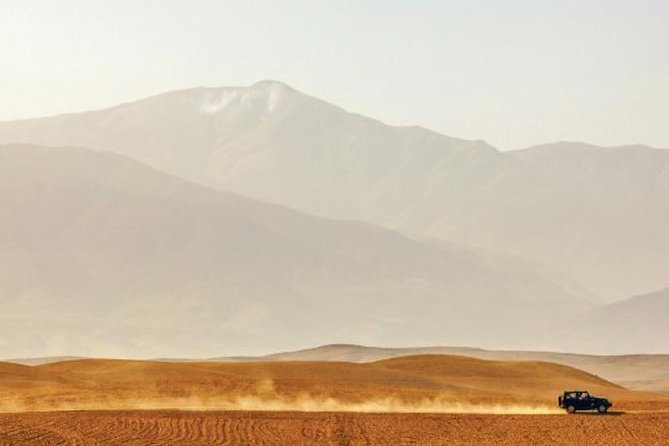
Marrakech is a full day of contrasts: gardens and monuments by morning, souks by day, and the square at night. You start with Koutoubia Mosque and Gardens. Non-Muslim entry is not possible, but you can still see the minaret and the garden setting, and it is a good warm-up before heading into the medina maze.
Then you focus on souks, including Souk el Attarin, Souk Chouari, and Souk Smata. This is where the tour structure helps. With guidance, you can move from area to area without feeling completely lost, and you learn what each market is known for.
For a softer landing, you add Essaouira, an old Portuguese city of Mogador on the Atlantic. You see fortifications influenced by French architecture in the Vauban style and you get a town that has been leaning toward artists and crafts. You also have time to enjoy the microclimate, mild in winter and cool in summer, plus a protected beach feel.
After Essaouira, you return to Marrakech for your last evening, then head to the airport the following day.
Is this the right private tour for you at $1,721?
At $1,721.28 per person, this is not a budget deal. You are paying for a private format plus the “big logistics” problem being handled. For your money, you get transport through multiple regions, a full set of accommodations, and breakfast every morning. Most other meals are on your own expense, so your real trip cost will depend on how often you eat on the go and what you choose.
You are also paying for time efficiency. The route is dense, and the scenery switches from mosque and medina to cedars to dunes to gorges to mountain passes. If you tried to stitch this together yourself, you would spend a lot of energy coordinating beds, drivers, and timing across far-apart regions.
This tour is especially a good fit if:
- You want a private experience without giving up the classic Morocco highlights
- You like a mix of culture and nature, with a real desert night as a centerpiece
- You value having guides and timing to keep the trip moving
One more honest note: if you hate long drives, this might feel like too much. The upside is that the driving is part of the story. Morocco changes fast here.
If you do book, do yourself a favor and pack for early mornings and long days: good walking shoes, sun protection, and a light layer for desert evenings.
FAQ
How long is the Morocco private tour from Casablanca to Marrakech?
It runs about 11 days, covering Casablanca, Rabat, Chefchaouen, Fes, the Sahara region around Erg Chebbi, Dades Gorge and Todra Gorge, Ouarzazate and Ait Benhaddou, Marrakech, and Essaouira.
Is this a private tour or shared group?
This is a private tour/activity, meaning only your group participates.
What meals are included?
Breakfasts are included. Most other meals are at your own expense.
Is pickup included?
Pickup is offered.
Do I get a mobile ticket?
Yes, the tour includes mobile ticketing.
Is desert time included, and what’s it like?
Yes. You ride camels across the dunes at sunset and spend the night in a tent camp near Erg Chebbi, with a starry-night desert experience.
What if weather affects the desert?
The experience requires good weather. If it is canceled due to poor weather, you are offered a different date or a full refund.
Latest additions near Casablanca
- Casablanca Airport Transfer from hotel in Casablanca★ 5.0 · 18 reviews
- Private Transfer from Casablanca Airport to Marrakech★ 5.0 · 13 reviews
- Your Private Casablanca Transfer★ 5.0 · 52 reviews
- Amazing airport pickup/ drop off in Casablanca/ safe&easy★ 5.0 · 218 reviews
- Morocco Tours 10 Days from Casablanca : Imperial Cities & Sahara Desert★ 5.0 · 12 reviews
- Exclusive tour of Casablanca with access to the Hassan II Mosque★ 5.0 · 205 reviews
- Sunset Camel Ride in the Palm Grove Of Marrakech★ 5.0 · 34 reviews
- 11 Days Adventurous Must-Do Morocco Cultural Tour from Casablanca★ 5.0 · 15 reviews
Private, compared.

Private Chauffeur & Premium Transportation in Marrakech
Read our review →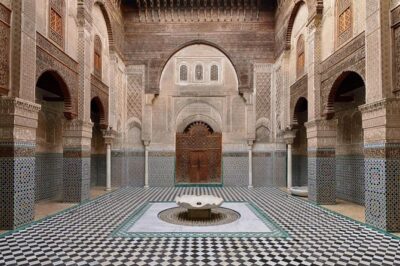
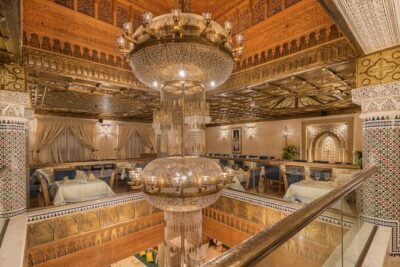
Private Tour of Casablanca with Hassan II Mosque Entry Ticket
Read our review →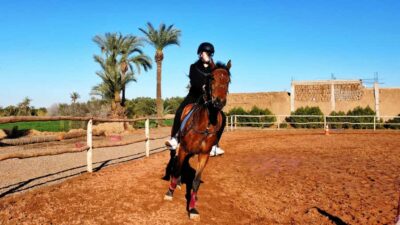
Private Horseback Tour in the Palm Grove with Tea
Read our review →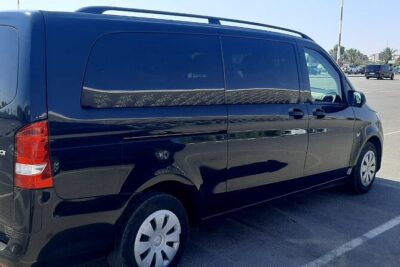
Private Transfer – Marrakech Menara airport (RAK)
Read our review →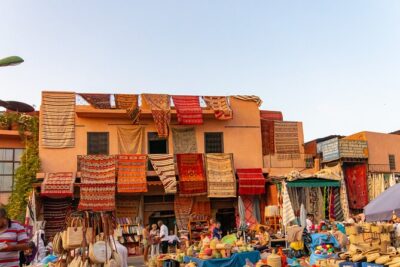
Shopping in the Souks of Marrakech Private Tour
Read our review →Browse the lists this tour appears in