
Reviewed · ATLAS MOUNTAINS DAY TRIPS
2 Days Atlas Mountains Trek with Village Stay in Marrakech
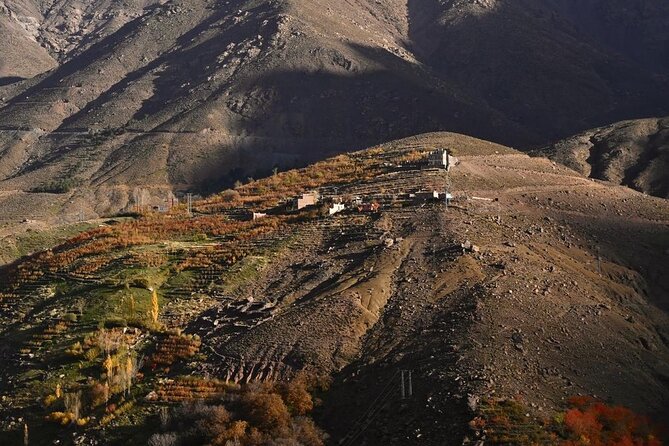
Two days, big Atlas views. This trek moves you from Marrakech up to Imlil, then climbs to high passes like Tizi n’Tamatert, with mint tea welcomes and orange-juice breaks that feel perfectly timed.
I like the way this trip centers on people, especially the guide Kamal, who shows you the area and keeps things moving without rushing. You also get a real village rhythm, not a drive-by stop.
My second big favorite is the village stay in a local gite with a shower, plus dinner, breakfast, and lunch. One note to consider: each day is listed at about 6 hours of walking, with altitude passes, so you should be ready for a sustained hike and tell the guide right away if you feel off.
In This Review
- Key highlights you’ll feel fast
- Leaving Marrakech for the Atlas, without losing comfort
- Day 1: Imlil to Tizi n’Tamatert, then to Tacheddirt at 2400 m
- Day 2: Berber village valleys, Tizi n’Aguersioual, and finishing in Aguersioual
- The village stay: dinner, breakfast, and a shower in the mountains
- Guide Kamal and the mule team: why that support matters
- How hard is it, really? Pace, distance, and altitude reality
- Price and value: $100 for two days, meals, lodging, and transport
- Timing, meeting point, and what your day actually looks like
- What to pack and how to prepare for these mountain days
- Should you book this 2-day Atlas trek with a village stay?
- FAQ
- Where is the meeting point, and what time does the trek start?
- How long is the experience?
- What’s included in the price?
- What is not included?
- How big is the group?
- Can I get a refund if I cancel?
Key highlights you’ll feel fast
- Kamal-led storytelling that turns passes and valleys into something you understand, not just something you walk through
- Mule support for your gear, so you can hike without lugging everything
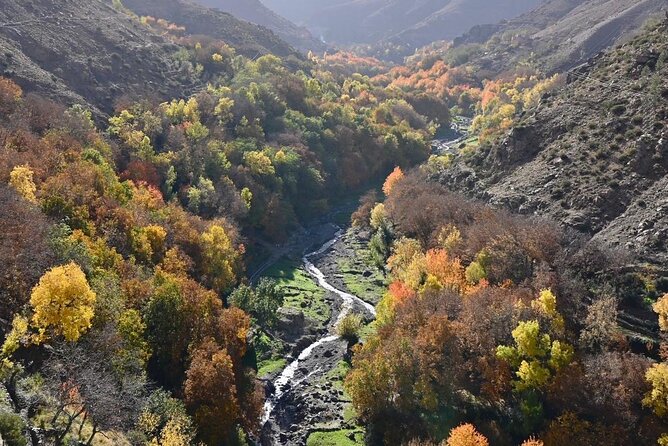
- High passes with real viewpoints, including Tizi n’Tamatert (2270 m) and Tizi n’Aguersioual (2100 m)
- Village sleep with a shower, not a roughing-it situation, plus proper meals
- Small group size (max 15), which makes it easier to keep a steady pace
- Strong on-the-ground help when altitude or effort feels like a lot
Leaving Marrakech for the Atlas, without losing comfort
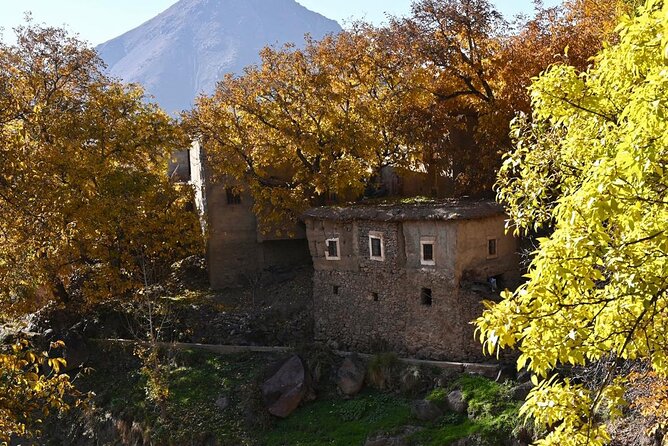
This is one of those Morocco trips that nails the balance. You get out of the city’s traffic and noise early, you walk into the mountains at a human pace, and then you still come back with full meals and a proper night’s rest.
You’ll start in Marrakech at 8:30 am, meeting at Hôtel Ali on Rue Moulay Ismail. From there, an air-conditioned vehicle takes you into the Atlas region, where the day’s hiking starts in Imlil (1740 m). The route is planned around passes and valleys, with Berber villages along the way, so the scenery comes in layers instead of one long grind.
What makes this trip especially appealing for first-time Atlas visitors is that it’s structured. You’re not guessing where to stop, when to rest, or how to handle the uphill sections. And because the group caps at 15 travelers, it stays lively but not chaotic.
More Atlas mountain days:
- Marrakech: Atlas Mountains, Ourika Valley, Waterfall & Lunch
★ 4.8 · 15,834 reviews - Berber villages : Atlas Mountains Day Hike from Marrakech
★ 5.0 · 14,007 reviews - From Marrakech: Atlas Mountains Full-Day Hiking Trip w Lunch
★ 4.8 · 7,417 reviews
Day 1: Imlil to Tizi n’Tamatert, then to Tacheddirt at 2400 m
Day 1 begins with a welcome mint tea in Imlil, followed by a practical setup. Your gear goes onto the mule team, which is a big deal because it keeps your own load light. That means you can focus on footing and breathing instead of carrying everything.
The first main goal is a pass you can spot up the valley. Along the way, the trek passes through villages including Ait Souka and Tamatert, then heads into forested trails before climbing to Tizi n’Tamatert (2270 m). This is where the views tend to hit hardest, because you’re elevated enough to see both directions. It’s also a good place to slow down. At the pass, there’s time to rest, take in the panorama, and enjoy freshly squeezed orange juice from a small kiosk.
After the pass, the route drops toward the valley floor. That’s your lunch window, which matters because day one includes a real climb before you get that break. Then you start the second half of the day’s walking, trekking up the valley toward Tacheddirt (2400 m), where you’ll sleep.
By the time you reach Tacheddirt, you’re high enough that the mountains feel close, and close enough that village rooftops and terraces make sense. It’s not only about height. It’s about seeing how people live in vertical terrain, farming and building around what the land allows.
Potential drawback on day 1: this is the stronger climbing day in the itinerary. If you’re not used to sustained uphill walking, pace matters, and you’ll want to rely on your guide to keep you on track rather than pushing early just to feel productive.
Day 2: Berber village valleys, Tizi n’Aguersioual, and finishing in Aguersioual
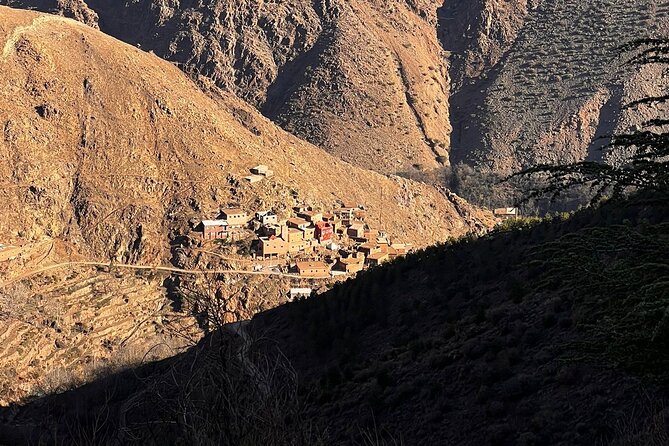
Day 2 starts with a local breakfast, then the mule team packs up and you head out again. The trek follows the valley, passing through several Berber villages. This is where the trip feels most human: you see buildings, people, and daily routines as they play out at a local scale, including farming tasks and animal care.
Then the route turns uphill again, winding toward Tizi n’Aguersioual (2100 m). This pass is described as another high point with exceptional views. The nice part here is that it sits between valleys, so the perspective shifts again. Instead of only looking outward, you feel like you’re standing in the middle of the mountain puzzle.
From the pass, the trail descends. You pass villages perched on the mountainside and then move down toward Aguersioual village (1650 m), described as a roadside village where the trek ends. After that, the activity returns you back to the Marrakech meeting point.
Day two often feels like a different kind of day than day one. You still have climbing, but the descent and village passes can be just as mentally rewarding. You’re looking for details, like how terraces align with paths and where people place homes around water and access.
Small comfort win: because lunch is included and dinner and breakfast are built into the overnight plan, you’re less likely to feel like you need to hunt down food during the day.
The village stay: dinner, breakfast, and a shower in the mountains
This part is a big reason the trip earns strong praise. You’re not spending the night in a rough shelter with no routine. Overnight is in a local house in the Atlas Mountains with a shower, which changes the whole experience.
Day 1 includes dinner, and you’ll also have breakfast the next morning. Lunch is included on both days, so you’re covered for the bulk of your energy needs. Coffee and tea are also part of the included package, which fits the way Moroccan hospitality works, especially in mountain villages.
Based on the trip’s tone, you’re meant to feel welcomed. Some guides also take time for tea moments, not just logistics. When that happens, it’s more than a break. It becomes your chance to ask questions about everyday life, what locals grow, and what life feels like during different seasons.
What to watch for: while the lodge includes a shower, the mountains are still the mountains. If you’re sensitive to limited hot-water routines or basic facilities compared with city hotels, you might want to set expectations before you go. The shower availability is confirmed, but the exact feel of “hotel-level” comfort is always relative in rural stays.
Other Marrakech days to consider
- From Marrakech: Ouzoud Waterfalls Guided Hike and Boat Trip
★ 4.7 · 33,630 reviews - 3 Days Desert Tour From Marrakech To Merzouga Dunes & Camel Trek
★ 5.0 · 10,125 reviews - Marrakech: Ourika Valley Trip with Waterfall Hike
★ 4.6 · 6,792 reviews - Marrakech: ourika valley lunch & guided hike to waterfalls
★ 4.9 · 3,737 reviews
Guide Kamal and the mule team: why that support matters
The star name that shows up consistently is Kamal. People praise him for being friendly, attentive, and clearly invested in explaining the area. What I find practical about that kind of guiding is that it reduces the mental load on you. You don’t just follow a trail, you understand what you’re looking at, and that makes the effort feel worth it.
There’s also mention of strong support when someone struggles. That’s not just kindness. It’s safety. Altitude and fatigue can hit without warning, and having a guide who can respond calmly matters.
You’ll also work with a mule team for gear transport. That’s a quiet luxury that makes a big difference. It lets you hike more comfortably, especially on the uphill sections that can feel longer than they look on paper.
And for the parts that don’t usually get enough credit, there’s a driver name that shows up in praise: Abd Aljalil, noted as punctual and good to deal with. In a two-day trip with an early start, punctual transport is not a small detail. It prevents that travel-stress spiral that can ruin the day before the hiking even begins.
How hard is it, really? Pace, distance, and altitude reality
The itinerary lists about 6 hours of trekking on each day. That’s a meaningful commitment. It’s also not described as extreme technical hiking with scrambling, which is why it’s aimed at most travelers.
However, it does involve mountain passes, with climbs to 2270 m and 2400 m on day one and another pass on day two. At that height, your breathing might feel different even if you’re fit. In one of the trip writeups, there’s specific mention of support during moments of difficulty, including mountain sickness. That’s a reminder to take the altitude seriously.
So here’s the rule I’d give you: if you’re even slightly worried, tell the guide early. Don’t push through in silence. With a good guide like Kamal, you’ll get the support you need, including adjusting pace and approach.
In terms of distance, one mention says the hike is around 10 to 12 km, which fits the time blocks. Expect a mix of uphill and downhill, plus breaks for orange juice and lunch. Plan to feel it in your legs, not just your pride.
This trek is a great fit if you:
- want a structured, small-group mountain experience
- like village life and talking to people along the route
- are comfortable with a full day of walking and steady effort
- want a guided experience rather than self-navigation
It might be less ideal if you need lots of downtime on the trail. This is a two-day hiking plan, so you’re always moving, even when the route takes scenic breaks.
Price and value: $100 for two days, meals, lodging, and transport
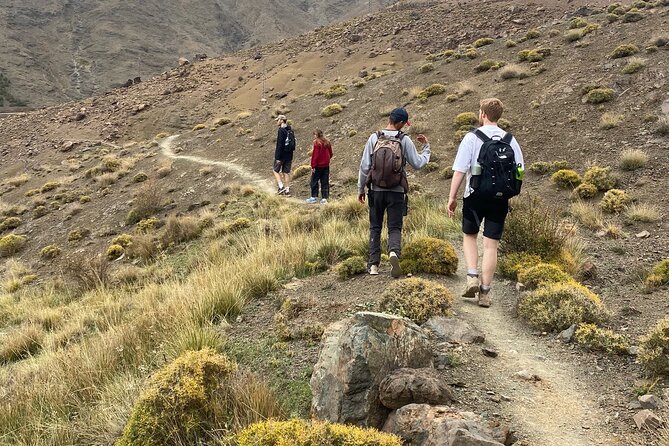
At $100 per person for roughly two days, the value comes from what’s bundled in. You’re paying for:
- a guide
- air-conditioned vehicle transport
- dinner, breakfast, and two lunches
- coffee and/or tea
- an overnight stay in a mountain house with a shower
- mule support for your gear
That’s a lot included for a short trip. The biggest value win is that you’re not managing multiple vendors. One team organizes transport, the hike, and the overnight food. When you’re leaving Marrakech and entering a remote area, that coordination is worth real money.
What is not included matters for planning: bottled water isn’t included, and tipping isn’t included. Bring a little cash for water and tips, or expect to purchase water during the day.
If you’re comparing against day hikes that cost similar money but include fewer meals and no overnight, this one feels more balanced. You’re buying a full mountain day plus a night in the villages, not just a half-day walk.
Timing, meeting point, and what your day actually looks like
You start at 8:30 am at Hôtel Ali in Marrakech (Rue Moulay Ismail). The meeting point matters because early starts are common for mountain treks. If you’re staying in the Medina area, it helps to plan your taxi or pickup time carefully, so you’re not late and stressed.
This trip also ends back at the meeting point. That means you can plan your Marrakech evening without wondering how you’ll get back.
Another practical note: confirmation happens at booking time, and the tour uses a mobile ticket. That’s helpful for check-in speed, especially if you’re juggling multiple activities in Morocco.
Group size is kept to a maximum of 15. That tends to produce the sweet spot where you feel part of a small group, but you’re not stuck waiting for the slowest walker for long stretches.
What to pack and how to prepare for these mountain days
Since you’re hiking long hours on uneven paths, you’ll want gear that supports steady footing. One of the trip writeups specifically suggests being sure footed, so treat that as a real clue.
For packing, keep it simple:
- comfortable hiking shoes with good grip
- layers for changing mountain conditions
- a light daypack (since your larger gear rides the mule team)
- something for sun protection and hydration
- cash for bottled water since it’s not included
Also, consider altitude. Even if you think you’re fine, it’s smart to slow down your first hour. You’re going to a pass, and your body might need time to adjust.
Finally, bring curiosity. This trip works best when you ask questions. Camal-led moments like tea breaks and village stops are where you’ll get the most out of the two days.
Should you book this 2-day Atlas trek with a village stay?
Book it if you want the Atlas Mountains experience that feels grounded in daily life. You get guided hiking, mule support, village meals, and a mountain night with a shower. The fact that the guide Kamal is repeatedly highlighted for warmth, humor, and support is a strong sign you’ll be in good hands if the walk feels harder than you expected.
Skip it or choose another style if you dislike long walking days. Each day is built around roughly 6 hours on foot, plus high passes. If your ideal trip has lots of leisure time and minimal effort, this one may feel too active.
If you’re the kind of traveler who likes to connect dots, ask about Berber village life, and enjoy real mountain viewpoints without turning it into a hard-core challenge, this is a very solid value for two days outside Marrakech.
FAQ
Where is the meeting point, and what time does the trek start?
The meeting point is Hôtel Ali on Rue Moulay Ismail in Marrakech. The start time is 8:30 am.
How long is the experience?
The trek is listed as approximately 2 days.
What’s included in the price?
The included items are dinner, breakfast, lunch (2), guide, coffee and/or tea, an air-conditioned vehicle, and an overnight stay in the Atlas Mountains in a house with a shower.
What is not included?
Bottled water and tips are not included.
How big is the group?
The group size is capped at a maximum of 15 travelers.
Can I get a refund if I cancel?
Yes. Cancellation is free up to 24 hours in advance for a full refund. If you cancel less than 24 hours before the start time, the amount paid is not refunded.
Latest additions near Marrakech
- Marrakech Old Medina Food tour Experience★ 5.0 · 37 reviews
- Atlas Mountains & Waterfalls Day Trip from Marrakech★ 5.0 · 48 reviews
- From Marrakech 3-Day Desert Tour to Agadir★ 5.0 · 18 reviews
- Fly in a hot air balloon in the sky of the Atlas in Marrakech★ 5.0 · 136 reviews
- Guided walking tour in Marrakech★ 4.5 · 33 reviews
- Dinner experience & Sunset with camel ride Tour★ 5.0 · 14 reviews
- Marrakech Private Souks Tour: Exclusive Shopping Experience★ 5.0 · 60 reviews
- The 10 Tastings of Marrakech With Locals: Private Food Tour★ 4.5 · 125 reviews
Atlas Mountains Day Trips, compared.
Atlas Mountains, Ourika Valley, Waterfall & Lunch
Read our review →
Berber villages : Atlas Mountains Day Hike from Marrakech
Read our review →
Ourika Waterfalls, Atlas Mountains, Guide + Lunch
Read our review →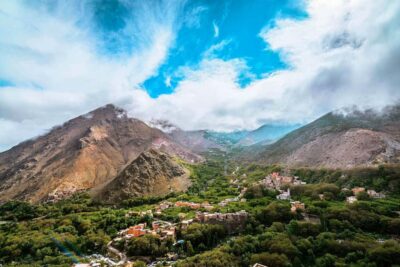
Ourika Valley Trip with Waterfall Hike & Lunch
Read our review →
Atlas Mountains & Agafay Desert Tour w Camel Ride
Read our review →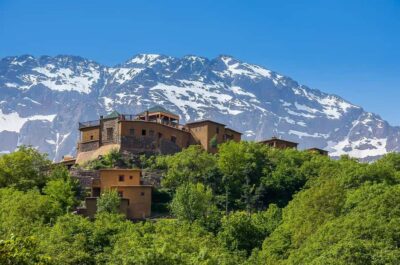
Atlas Mountains, Waterfalls, Ourika Valley +Lunch
Read our review →Browse the lists this tour appears in