
Reviewed · ATLAS MOUNTAINS DAY TRIPS
2 Days Mt Toubkal Trek
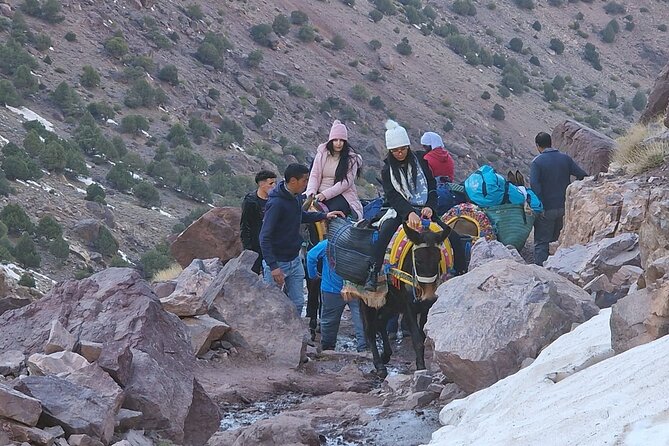
Two days, one big summit challenge. What makes this trek especially interesting is the way it turns your Marrakech morning into serious Atlas hiking, with camping near Neltner hut on day one and an early day two summit push that gives you time to get back down on schedule.
I also like that you get the practical stuff handled: Marrakech transport, a small group (max 8), and meals that keep you fueled for a tough climb without you juggling logistics. The one drawback to weigh is gear and weather reality: winter conditions can demand crampons and an ice ax, and key items like sleeping bags and walking sticks are not included.
In This Review
- Quick hits before you lace up
- From Marrakech to Imlil: how the trek starts strong
- Day one up to Neltner hut: the 5-hour foundation
- Day two sunrise mindset: the about-8-hour summit and descent
- Neltner hut camping: what included gear really means for you
- Equipment and winter add-ons: crampons and ice axes may cost extra
- Food on the mountain: included meals, real Moroccan comfort
- Guides like Samir, Idriss, Driss, Omar, Mo, Mustapha, and Ibra
- Price and value: what $248.55 really covers
- Who should book this trek, and who might want another option
- Should you book the 2 Days Mt Toubkal Trek?
- FAQ
- What is the duration of the Mount Toubkal trek?
- Where does the trek start and end in Marrakech?
- What time does the trek start?
- What meals and accommodation are included?
- Do I need mountaineering experience to summit Toubkal?
- What trekking gear is not included?
- What if the weather is poor?
Quick hits before you lace up
- Small group size (max 8), which usually means a smoother pace and more attention from your English guide
- Camping near Neltner hut on the mountain, so you feel the Atlas shift from valley life to high altitude
- Day one about five hours of walking plus an included dinner, so you’re not scrambling for supplies at altitude
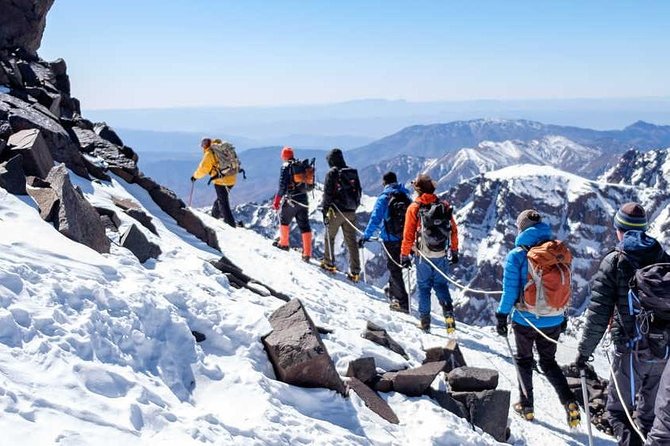
- Day two about eight hours for summit and descent, with an early start to get down in good time
- Equipment may cost extra in winter, including crampons and an ice ax if needed
From Marrakech to Imlil: how the trek starts strong
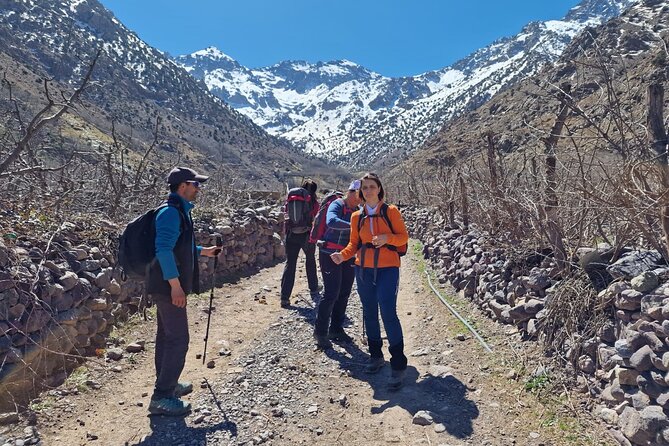
Most Mount Toubkal trips begin with the same question in your mind: how do you go from city life to big mountain work so fast? Here, you start at 8:30 am in Marrakech at Hôtel Restaurant Café de France, then you drive a few hours to Imlil to meet your guide and team.
Why that matters for you: the Atlas doesn’t wait for perfect timing. Starting early helps you get your bearings, meet the crew, and begin walking while your legs are fresh. It also sets expectations for what comes next, because day one is built as a steady trek, not a sprint.
You’ll also be working with an English guide, which is a genuine value add on a trek this hard. Even if you already know some about Morocco, a guide helps you connect the walking to the villages, the route choices, and the rhythm of the mountains.
And yes, the trip is designed as a Marrakech loop, meaning you begin and end back in the city. That is convenient if your Atlas adventure is only a small slice of your overall time in Morocco.
More Atlas mountain days:
- Marrakech: Atlas Mountains, Ourika Valley, Waterfall & Lunch
★ 4.8 · 15,834 reviews - Berber villages : Atlas Mountains Day Hike from Marrakech
★ 5.0 · 14,007 reviews - From Marrakech: Atlas Mountains Full-Day Hiking Trip w Lunch
★ 4.8 · 7,417 reviews
Day one up to Neltner hut: the 5-hour foundation
On day one, the walking time is about five hours to reach Neltner hut, where you’ll spend the night. This is the “work the altitude muscles” portion of your trip. It’s not a beginner hike, but it is also not a technical mountaineering climb.
That middle ground is important. The trek to Toubkal’s summit is difficult, but the overall experience is described as not requiring mountaineering experience. So you’re focusing on hiking stamina, steady footing, and pace, rather than learning rope work or specialized climbing skills.
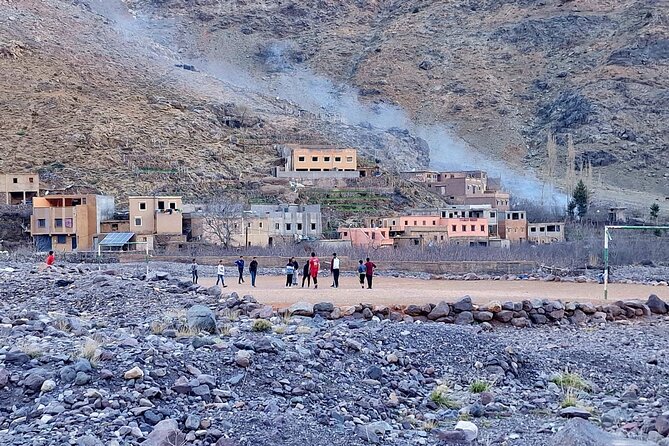
What you’ll feel on day one is the change in landscape and pace. The route passes through mountain valleys and village areas, and the experience is very much about walking through lived-in terrain rather than only hiking through empty wilderness. The guides are often praised for patience and for keeping groups moving at a pace that feels realistic, not punishing.
And then there’s the big comfort saver: meals are included. You’ll have lunches along the way, plus dinner on the mountain. Food matters more than people think at altitude, because you’re burning calories all day and your body needs consistent fuel.
Sleep is also part of the equation. You’re not in a hotel room, you’re camping near Neltner hut. If you’re expecting plush beds and warm sheets, adjust your expectations now. If you’re okay with simple mountain camping, you’ll enjoy the “we’re really here” feeling.
Day two sunrise mindset: the about-8-hour summit and descent
Day two starts early for a reason: you’re hiking up to the summit and then coming down in good time. The walking time is around eight hours, and the itinerary is built around getting you to the top without leaving your descent too late.
This is the day that makes or breaks your experience, so it’s worth thinking like a mountaineer, even if you’re not technically climbing. You want to pace yourself early, eat when food is offered, and not treat the mountain like a race.
Many Toubkal trekkers aim to reach the summit early enough to enjoy the view in proper light. In winter, it can also be windy and cold, which is why your clothing choices matter. The good news is that the trek is set up to be manageable as a hiking challenge, not as a test of mountaineering skill.
Also, keep an eye on how you feel. Altitude can hit people differently. One of the common guide strengths you’ll see with this kind of group is pacing that accounts for how people are adjusting, including for those who start to feel the effects of altitude. If your guide is watching group energy and breathing, that’s not a luxury. It’s safety.
When you’re on the way down, your strategy shifts to control. Going downhill fast is how people get sore or twist an ankle. The best summit days end with a steady, careful return, because you’re still in hiking mode, not finished just because you reached the top.
Neltner hut camping: what included gear really means for you
This trek includes accommodation for one night as camping near Neltner hut, plus the core meals: two lunches, one breakfast, and one dinner.
When a trek says gear is provided, it usually means you’re not expected to bring everything from Marrakech. But the trip is also clear about what is not included. For example, sleeping bags and walking sticks are not included. That matters because it changes what you need to pack, or what you need to rent locally.
Practical takeaway for you:
- If you travel light, confirm exactly what camping support is covered for your group before you go.
- If you’re trekking in colder months, don’t assume you can borrow everything. Sleeping bag comfort can turn a tough night into a miserable one.
There’s also the temperature factor. Neltner hut sits at high altitude, and mountain nights can get cold. The trip being designed for a summit hike means cold is not an edge case, it’s part of the plan in many seasons.
Other Marrakech days to consider
- From Marrakech: Ouzoud Waterfalls Guided Hike and Boat Trip
★ 4.7 · 33,630 reviews - 3 Days Desert Tour From Marrakech To Merzouga Dunes & Camel Trek
★ 5.0 · 10,125 reviews - Marrakech: Ourika Valley Trip with Waterfall Hike
★ 4.6 · 6,792 reviews - Marrakech: ourika valley lunch & guided hike to waterfalls
★ 4.9 · 3,737 reviews
Equipment and winter add-ons: crampons and ice axes may cost extra
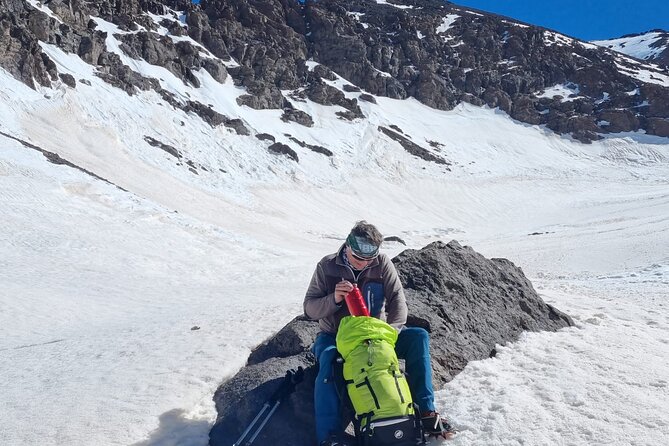
Here’s where you should be smartest before you arrive: equipment rules. Rental equipment such as crampons (winter) and ice ax (winter) are not included, and sleeping bags and walking sticks are also not included.
At the same time, the trek notes that extra equipment like axes and crampons can be arranged for an extra fee if needed. So you might show up to find that conditions require traction, especially in winter when snow and ice become more likely.
This is why I like that the tour is honest about it. You’re not being sold a fantasy hike where weather never changes. You’re being set up for a reality: you may need winter gear, and you should be ready to pay for it or bring your own.
If you’re deciding what to carry, prioritize warmth and footing. Even if you don’t need crampons, you still want traction in general hiking footwear and layers that you can adjust as the sun and wind change.
Food on the mountain: included meals, real Moroccan comfort
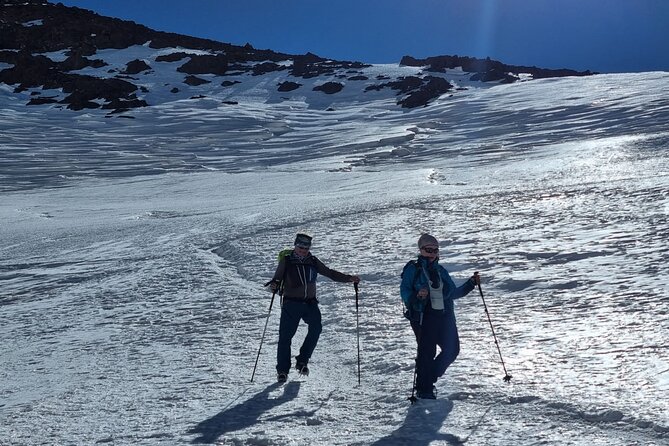
Food is included throughout, which is a big value point. You’ll have two lunches, a dinner on the mountain, and breakfast. Non-alcoholic drinks are not included, including mineral water and typical soft drinks.
For you, this matters in two ways:
- You can hike without stopping for purchases, which is important when you’re on a schedule for an early summit day.
- Included meals help you manage energy. When you’re climbing near 4167 meters, steady fueling beats toughing it out.
The highlight list specifically encourages trying traditional Moroccan cuisine. While the exact menu can vary, the bigger idea is that you’re not living on mystery snacks. You’re eating like you’re in the Atlas, not like you’re on an airport runway.
Also, because this is camping and not a lodge stay, dinner is part of your recovery. Treat it like training fuel, not a celebratory feast that derails your sleep.
Guides like Samir, Idriss, Driss, Omar, Mo, Mustapha, and Ibra
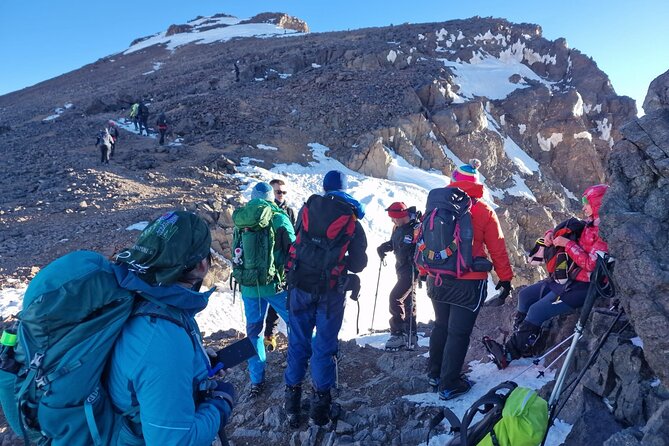
You’ll meet your guide in Imlil, and this trek runs with an English guide. The strongest pattern in the guide feedback is practical: guides tend to keep the pace comfortable, manage breaks well, and make sure you feel safe on steep or exposed sections.
Names you might be assigned include Samir, Idriss, Driss, Omar, Mo, Mustapha, and Ibra. People describe them as patient, helpful, and attentive to group needs. Some guides are also noted for adding small touches, like helping with what to wear and even offering headwear that fits the mood and weather.
No matter the name, look for one thing when you start hiking: whether your guide is reading the group. Good guides watch breathing, timing, and the way people handle altitude. That’s especially important on day two when you’re trying to summit and still get down with time to spare.
If you want a simple way to check this early: when you’re briefed, ask how the group pace will work and what signs they watch for. A confident guide will explain their approach clearly.
Price and value: what $248.55 really covers
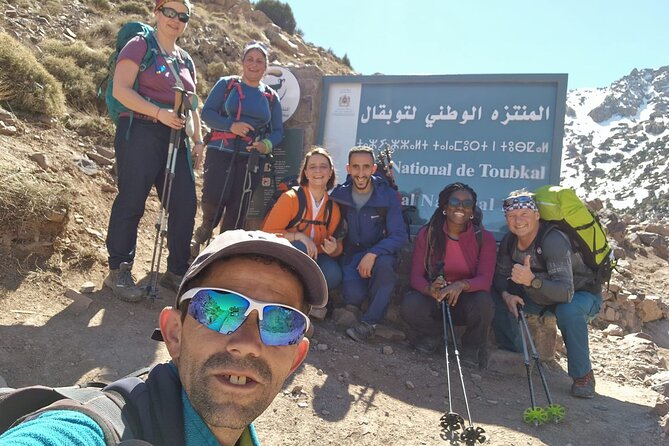
At $248.55 per person for a 2-day trek, you’re paying for more than “walking up a mountain.” Here’s what makes the price make sense for most budgets:
- Marrakech transportation and return are included, so you’re not handling separate transfers to Imlil.
- An English guide and Toubkal guide entrance are included, which reduces the chance you get shortchanged on local expertise.
- One night accommodation near Neltner hut is included, plus major meals (two lunches, dinner, breakfast).
- Small group size (max 8) can improve the overall experience compared with big-group trekking where you get pulled along.
What’s not included is also clear: rental gear, sleeping bags, walking sticks, drinks, and tips. That means your true cost may rise a bit if you’re trekking in winter and you need crampons or an ice ax.
My advice on value: don’t just compare the headline price to other online listings. Compare what you’d have to buy or rent yourself. Here, the big-ticket items you’re most likely to need for a safe, comfortable mountain night are not fully included (notably sleeping bags), and that can change your budget.
Who should book this trek, and who might want another option
This trek is a good match if you have moderate physical fitness and you want a high-altitude summit that is challenging but not mountaineering technical. It’s also ideal if you want a structured experience where meals and lodging are handled and you don’t want to plan logistics yourself.
It might feel like a bad fit if:
- You’re expecting a casual walk with minimal effort.
- You’re not comfortable with early starts and long hiking days.
- You are sensitive to altitude and you want a more gradual acclimatization approach (this trek is only two days, and day two is long).
If you’re flexible, have the right layers, and you respect the pacing, you’ll probably love it. Toubkal has a reason for its reputation, and day two is where the payoff clicks into place.
Should you book the 2 Days Mt Toubkal Trek?
Book it if you want a classic Atlas summit with camping near Neltner hut, included meals, and an English-guided experience that starts and ends in Marrakech. The small group size and the structured day one and day two timing are exactly what you want if you want to focus on hiking and views, not logistics.
Think twice if you’re traveling without basic winter or cold-weather readiness, or if you don’t want to handle extra costs for crampons and an ice ax when conditions require it. Also, if sleeping outside in cold temperatures sounds like your personal nightmare, plan for a sleeping bag solution before you go.
If you get that balance right, this is one of those trips that feels like a real mountain adventure, not just a photo stop.
FAQ
What is the duration of the Mount Toubkal trek?
It runs for 2 days (approx.), with about 5 hours of walking on day one and about 8 hours on day two.
Where does the trek start and end in Marrakech?
It starts at Hôtel Restaurant Café de France in Marrakech and ends back at the same meeting point.
What time does the trek start?
The start time is 8:30 am.
What meals and accommodation are included?
You get 1 night accommodation (camping near Neltner hut) and meals including 2 lunches, 1 breakfast, and 1 dinner.
Do I need mountaineering experience to summit Toubkal?
No mountaineering experience is required. The hike to the summit is described as difficult, but it does not require mountaineering skills.
What trekking gear is not included?
Rental equipment like crampons (winter) and ice ax (winter) is not included. Also not included are sleeping bags and walking sticks.
What if the weather is poor?
This experience requires good weather. If it is canceled due to poor weather, you’ll be offered a different date or a full refund.
Latest additions near Marrakech
- 2-Days Zagora desert tour from Marrakech★ 4.0 · 17 reviews
- 2-Day Guided Trek of the Atlas Mountains and Berber Villages★ 4.5 · 26 reviews
- 3-Day Desert Tour from Marrakech (Camel Trek and Desert Camp)★ 4.0 · 16 reviews
- 3 Days & 2 Nights to Merzouga Desert and Erg Chebbi Dunes★ 5.0 · 22 reviews
- Quad Marrakech palmeraie trips★ 5.0 · 21 reviews
- From Marrakech : 2 Day Stay in Merzouga with Food and Camel Trek★ 5.0 · 10 reviews
- 2 Days Zagora Desert Tour from Marrakech, Including Camel Trek and Desert Camp★ 4.0 · 13 reviews
- Private horseback ride in the Palmeraie of Marrakech★ 5.0 · 73 reviews
Atlas Mountains Day Trips, compared.
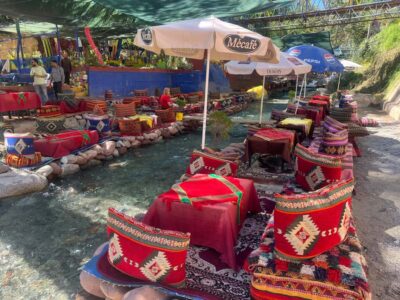
Atlas Mountains, Ourika Valley, Waterfall & Lunch
Read our review →
Berber villages : Atlas Mountains Day Hike from Marrakech
Read our review →
Ourika Waterfalls, Atlas Mountains, Guide + Lunch
Read our review →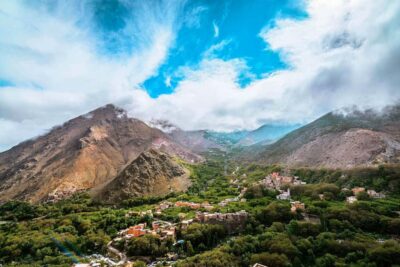
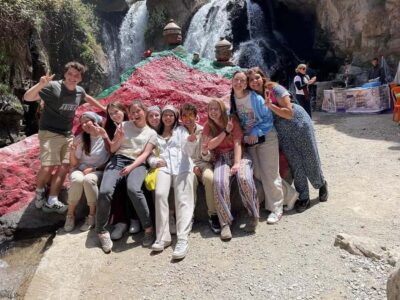
Ourika Valley Trip with Waterfall Hike & Lunch
Read our review →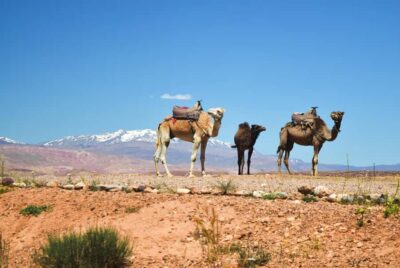
Atlas Mountains & Agafay Desert Tour w Camel Ride
Read our review →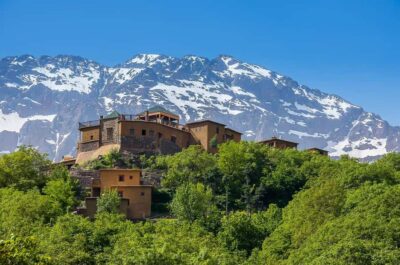
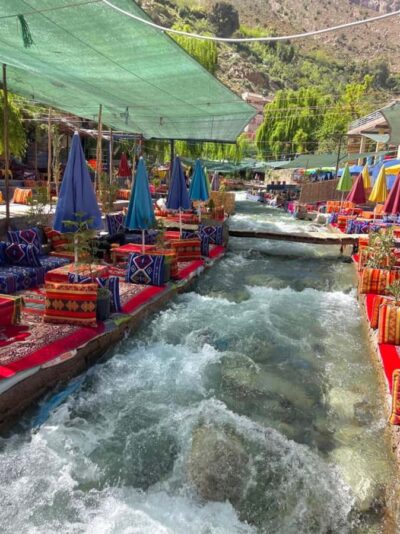
Atlas Mountains, Waterfalls, Ourika Valley +Lunch
Read our review →Browse the lists this tour appears in