
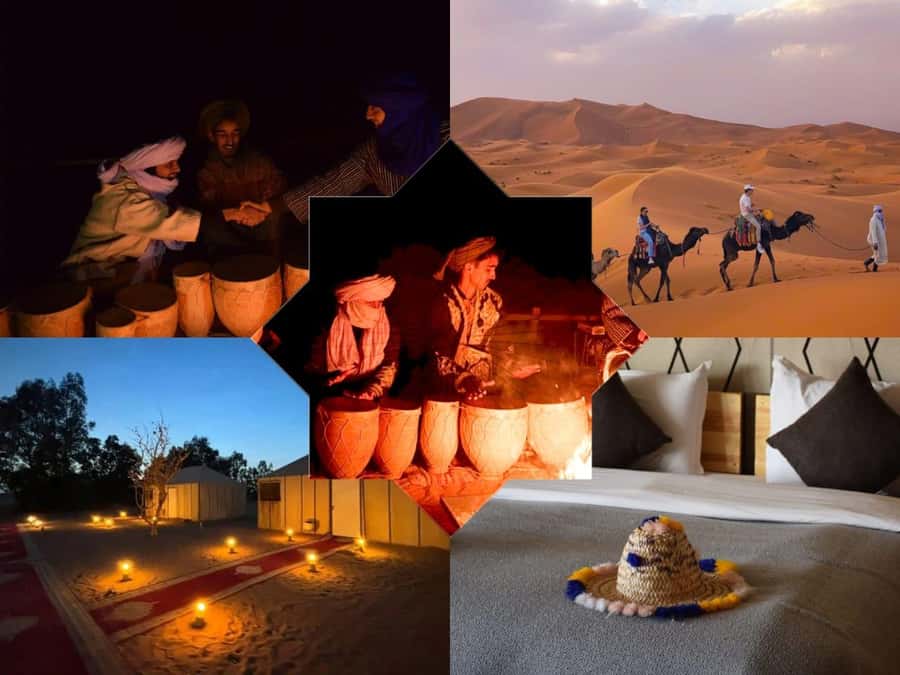
Reviewed · SAHARA DESERT TOURS TO MERZOUGA
3 days trip From Fes with overnight in heated tent &sandsurf
Hot dunes and cedar monkeys, three days. This Morocco route connects the Atlas Mountains to the Sahara, with heated luxury desert camping and dinner under the stars, then wraps in major stops like the Kasbah of Ait Ben Haddou. I especially love the comfort level in the sand, with a private setup inside the tent, and the steady stream of real-world scenery changes, from cedar forests to palm-lined rivers. One heads-up, it is a lot of driving, so if you hate time in a minivan, this may feel like a marathon.
I also like the way the trip is paced for a short 3 days, you get an early start, long views, then a proper rest at night. The air-conditioned minivan with an English guide makes the travel days much easier, and the camel sunset ride turns the desert from scenery into a moment you remember. If you are picky about animal comfort, do a quick check on how the camels are handled, because one rider raised concern about how equipment can look tight.
In This Review
- Key highlights to know before you go
- Atlas to Erg Chebbi: the simple reason this works
- From Fes into the Middle Atlas: Ifran, Azrou, and Barbary apes
- The palm-lined Ziz River to Merzouga: where the desert starts to show
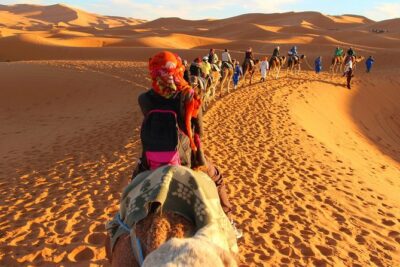
- Erg Chebbi at sunset: the camel ride moment that makes it worth it
- Sleeping in the heated dunes: comfort, hot water, and private space
- Tinghir oasis walk and Todgha Canyons: the day for dramatic rock views
- Kasbah Road and a night in Dades or Ouarzazate: fortress town energy
- Ouarzazate, Atlas Studios, and the Fint Oasis break
- Ait Ben Haddou UNESCO and Tizi-n-Tichka Pass: mountain finale
- Price and value: what you get for $261 per person
- Should you book this Fes to Sahara 3-day trip?
- FAQ
- How long is the trip from Fes, and where do you start?
- Where do I sleep during the desert part?
- Are camel rides included?
- What meals are included?
- Are drinks included?
- What language is the guide?
- What should I bring and what rules apply?
- Is the desert hot in summer?
Key highlights to know before you go
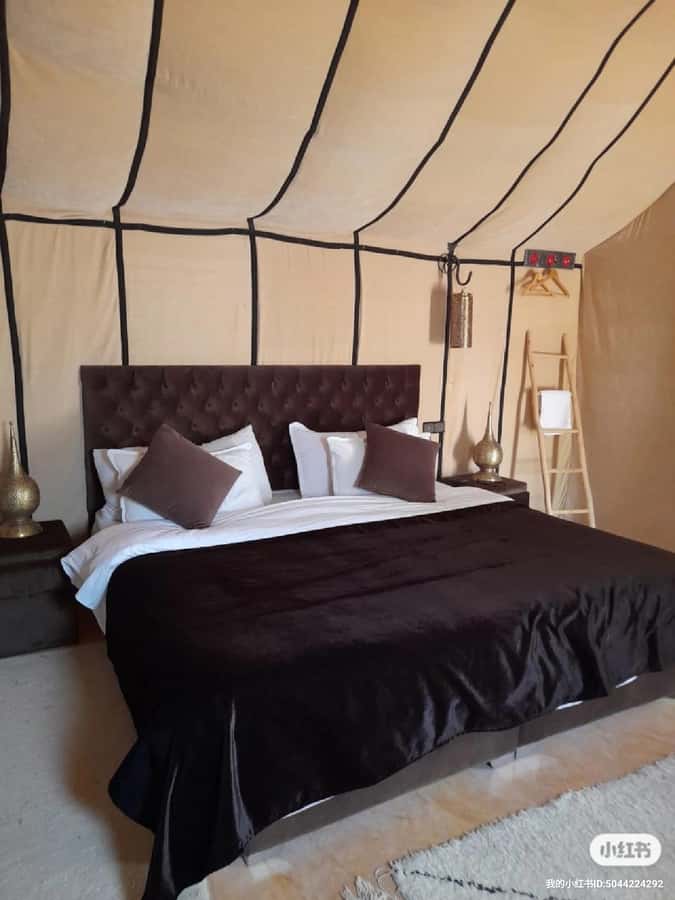
- Heated dune tent with private ensuite bathroom so you sleep well even when the desert cools down
- English driver-guides you may meet: Hamid, Mohammed, Said, or Hachim
- Erg Chebbi camel ride at sunset for classic golden dunes and sky color
- Todgha Canyons and Tinghir oasis walk for dramatic rock walls plus green river edges
- Ait Ben Haddou UNESCO stop with movie-famous kasbah streets
- High Atlas crossing via Tizi-n-Tichka Pass for big views and mountain road drama
Atlas to Erg Chebbi: the simple reason this works
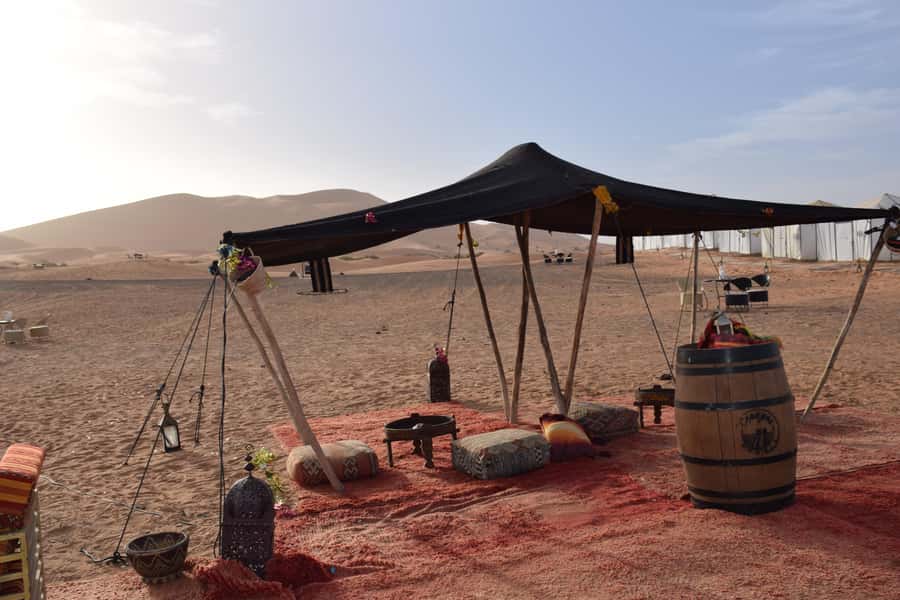
This is one of those Morocco trips that feels like several trips in one. You start in Fes, ride out through the Middle Atlas with cedar forest breaks, then you hit the desert edge with palms and date country, and finally you circle back through the High Atlas with Ouarzazate sights along the way.
The value of doing it in 3 days is that you get enough time in the Sahara to actually slow down for the night, not just pass through at sunset. And you do not sacrifice the in-between Morocco that makes the Sahara make sense, like the Todgha canyons and the kasbah towns.
The tradeoff is distance. You will spend real hours traveling each day, even with an air-conditioned van and a professional driver. I suggest bringing a light snack stash and headphones, then treating the driving time as part of the adventure, not a punishment.
More Merzouga desert circuits:
- From Marrakech: 3-Day Merzouga and Sahara Desert Tour
★ 4.9 · 15,308 reviews - From Marrakech: Merzouga 3-Day Desert Safari with Food
★ 4.7 · 12,232 reviews - 3 Days Desert Tour From Marrakech To Merzouga Dunes & Camel Trek
★ 5.0 · 10,125 reviews
From Fes into the Middle Atlas: Ifran, Azrou, and Barbary apes
Your morning starts with pickup from your accommodation in Fes, then you roll out across Morocco toward the cedar forests. The early stops tend to be small but memorable, like Ifran’s European-style architecture and Azrou, where you have a good chance to spot Barbary apes that hang around cedar areas.
This is one of the best stretches for first-time Morocco energy. You are not just driving, you are shifting climates. The air feels different as you climb, and the tree line helps you understand why this route has always been a corridor between cities.
After that, you keep moving through towns like Midelt for lunch, then you head toward palm country. If you are the kind of person who likes quick photo stops, this day gives you plenty of moments: roadside monkey encounters, mountain views, and town scenes you would otherwise miss.
Practical note: the van ride is long, so if you get motion sick, plan for it early rather than waiting until hour three.
The palm-lined Ziz River to Merzouga: where the desert starts to show
As you leave the mountains behind, the trip shifts into “water in the desert” territory. You pass the Ziz River, and it is lined with thousands of palm trees. That palm corridor is easy to miss if you are only watching the clock, but it is worth slowing down for because it shows how Morocco’s oases really work.
Next you reach Erfoud, known for dates, then you push on toward Merzouga, gateway territory to the Erg Chebbi dunes. This is where the desert stops being a concept and becomes a physical place you can feel.
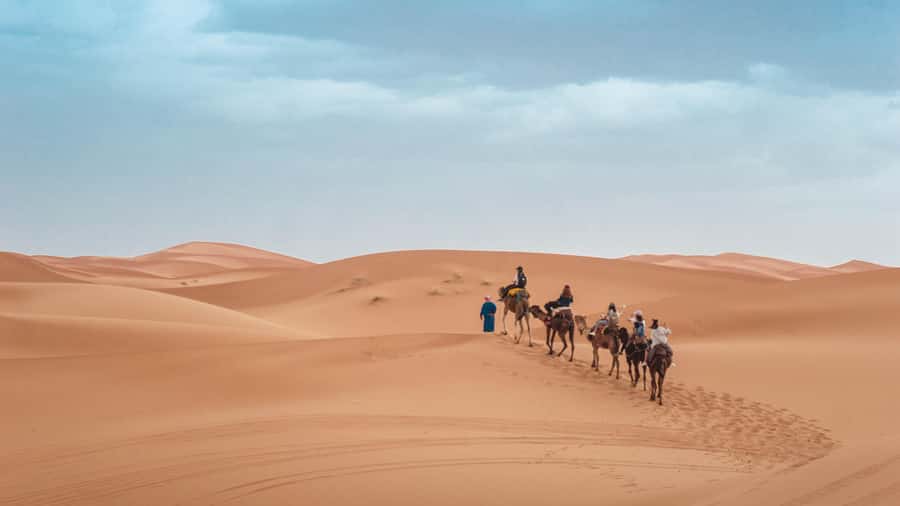
You will arrive with the dunes close enough to smell dust in the air. Then a camel caravan is waiting for you, and the plan is simple: ride into Erg Chebbi and watch the day turn golden at sunset.
This part is also where group size matters. On this kind of route, you want a calm ride and a guide who can handle questions without rushing. One experience I liked from the field notes I saw was that the group has often been around six people total, which makes it feel more personal than the big bus vibe.
Erg Chebbi at sunset: the camel ride moment that makes it worth it
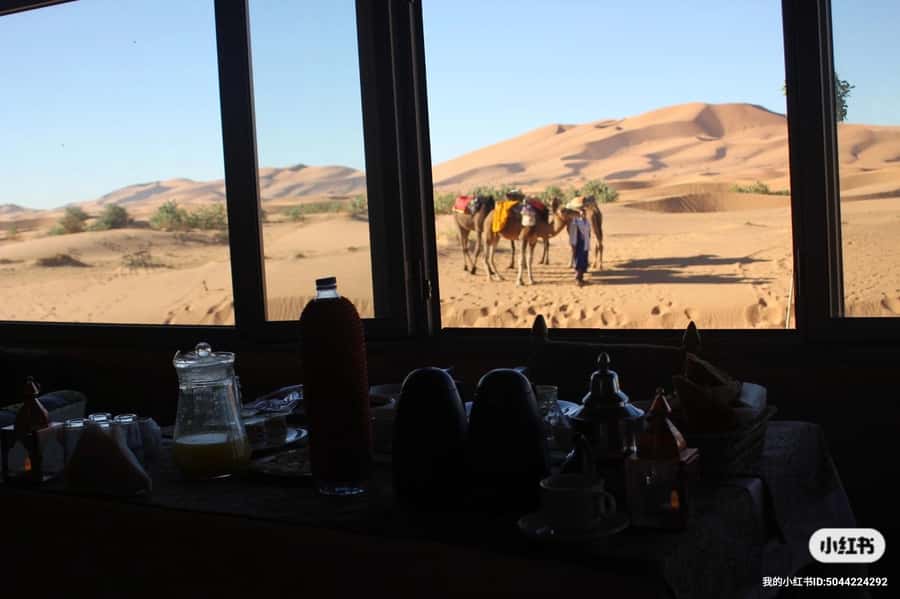
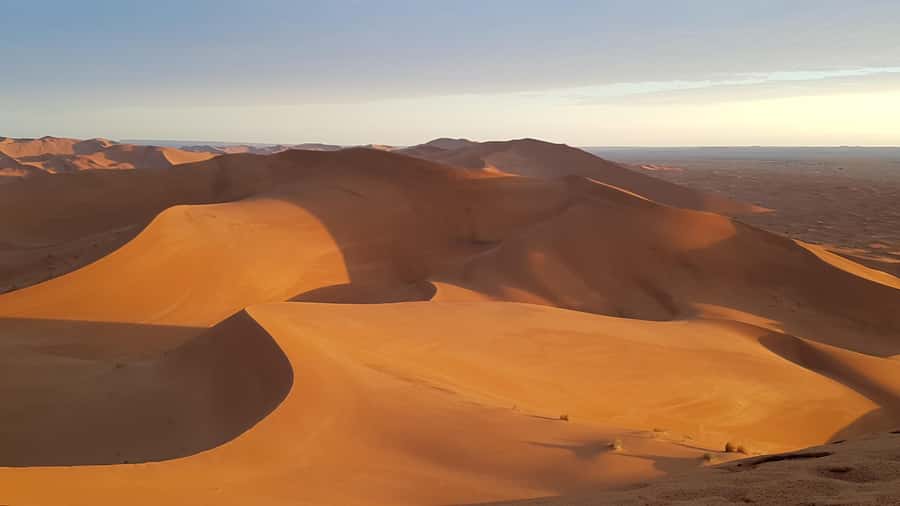
The camel ride is the classic Morocco-Sahara experience, and it is timed for sunset, when Erg Chebbi dunes go from sharp lines to soft gradients. I love this moment because it resets your sense of scale. Dunes look small until you are on them, then the horizon expands fast.
You do not need to be an expert to enjoy it. You just need patience. Camels move at their own rhythm, and the best part is watching the sky change as you crest a section of dune.
Now, an important ethical consideration. One concern that came up is that some riding setups can look tight around the camel’s mouth. I do not say this to scare you out of the experience, but I do think it is smart to be observant. If you feel uneasy about how the camel is fitted, you can ask the guide how they ensure the animal is comfortable before you climb on.
That small check can turn the ride into a better experience for everyone.
More day trips out of Fes:
- From Fez: Sahara Desert 2-Day Tour with Merzouga Camp Stay
★ 4.8 · 1,716 reviews - From Fes to Marrakech: 3-Day Sahara Desert Discovery Tour
★ 4.7 · 1,158 reviews - From Fes: 2-Day Merzouga Desert Trip w/Luxury Tent & Dinner
★ 4.7 · 844 reviews - From Fes To Marrakech: 3-Day Sahara Desert Tour & Camel Trek
★ 4.8 · 389 reviews
Sleeping in the heated dunes: comfort, hot water, and private space
The biggest surprise for many people is that desert camping does not have to mean cold and rough. The camp here is set up with heated tents, and at least some tents come with hot water.
What I really like is the privacy level. You sleep in a private luxury tent, and you get a private ensuite bathroom. That is a big deal in the desert. It means you can freshen up without walking through cold air or shared bathrooms, and you can actually relax after the driving and camel time.
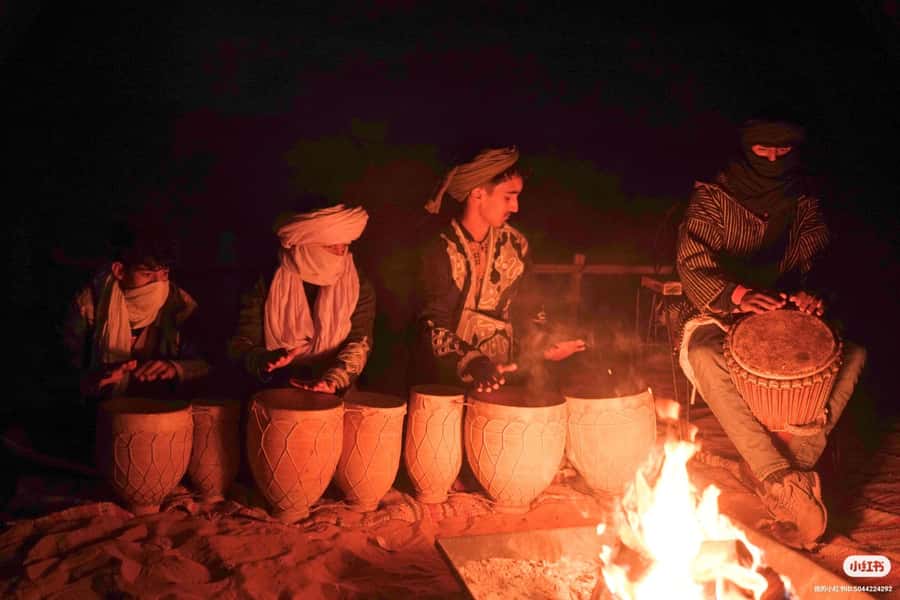
Night in the dunes is also about atmosphere. Dinner is served in camp, and there is traditional music performed by local musicians. If you like Morocco’s soundscape, this is one of the better ways to enjoy it, because it happens in the setting you came for.
One more practical thing: pack layers. Even in “heated tent” comfort, the desert can cool off after dark, and having a warm layer helps you enjoy the night outside the tent too.
Tinghir oasis walk and Todgha Canyons: the day for dramatic rock views
Day two shifts from dunes to canyons, and it is a good switch for your brain. You wake up early and enjoy sunrise from the camel, then you meet your guide in Merzouga and head toward the oasis of Tinghir.
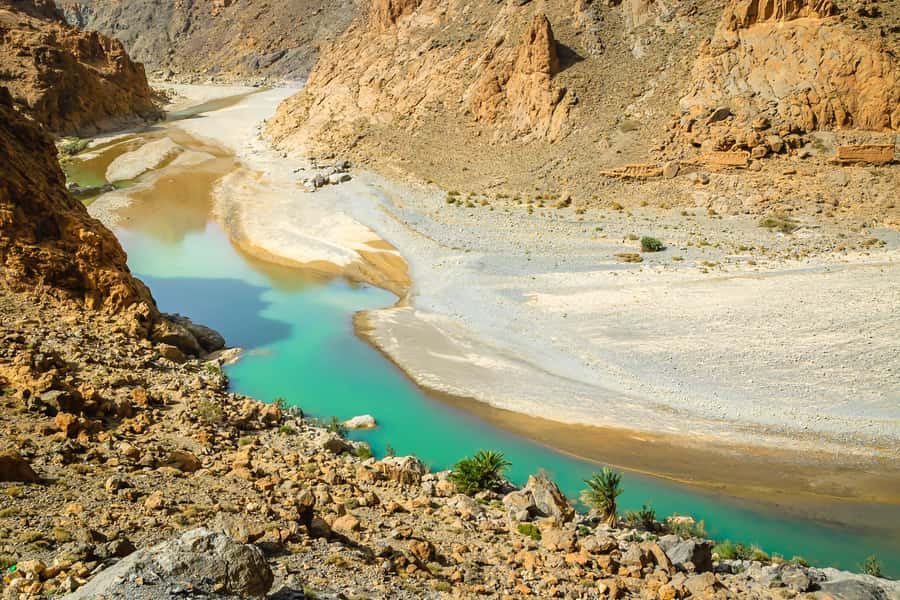
Tinghir gives you greenery and walking time along the Todgha River. The river banks contrast sharply with what you saw the previous day. You also get stunning rock formations, which make good photo stops even if you only have a phone.
Then you move into Todgha Canyons, where the cliffs rise high and the gorge feels tight and dramatic. This is the Morocco version of big-wall scenery, without needing a climbing ticket.
Along the way, you may also visit Berber villages in the area. What makes this part valuable is that it adds daily-life texture to the trip. The desert is romantic, but the canyon day explains how people actually live and move through these regions.
For this day, the only drawback is that you are still packing a lot into limited time. The pace is active, but it is managed, with lunch stops and frequent viewpoint breaks.
Kasbah Road and a night in Dades or Ouarzazate: fortress town energy
From the canyons, you continue along the Kasbah Road toward the Dades Valley. Along the way, you can visit a fortified kasbah, which helps you understand the architecture that keeps cropping up in southern Morocco.
These fortress-style buildings are not just decoration. They are about control, protection, and storing resources in a landscape where survival mattered.
Your overnight is either in Dades or Ouarzazate, depending on logistics. I like that flexibility because it keeps the route moving without forcing you into a long extra day.
The practical side: when you arrive at night, you will likely want an easy dinner and a real sleep. Your body will be tired from a day of driving and walking. A comfortable room here matters more than any one “perfect view,” because you need to be fresh for the big UNESCO and mountain road day that comes next.
Ouarzazate, Atlas Studios, and the Fint Oasis break
On day three, the route becomes more “southern Morocco hub” again. You explore Ouarzazate, often called the gateway to the Sahara, and you visit key sights like the Kasbah of Taourirt.
You also stop at Atlas Studios, described as Africa’s largest and most famous movie studios. Even if you are not a film person, this stop adds context. You see why filmmakers keep returning here, because the scenery reads as dramatic on camera.
Next you head to the Fint Oasis near Ouarzazate for a calmer break. Oases work best after you have been around big cliffs and desert dunes, because the vegetation makes you slow down naturally.
Then you keep moving toward Ait Ben Haddou, where the kasbah streets feel like you time-traveled into another world.
Ait Ben Haddou UNESCO and Tizi-n-Tichka Pass: mountain finale
Ait Ben Haddou is a UNESCO World Heritage site, and it earns its reputation. You have lunch in the area and time to wander the ancient fortified village. The kasbah layout gives you instant “I get it now” understanding of why this place has been used in major films.
The streets and ramparts make the best photos when you walk slowly. Do not rush for the main angles only. Take a few detours to different walls and courtyards, because the light changes fast in the afternoon.
From there, you head through the High Atlas Mountains, crossing Tizi-n-Tichka Pass. This is the highest mountain road in North Africa, and the route climbs to about 7,500 feet. If you like road views, this is one of the most scenic drives on the whole trip, with villages and waterfalls along the way (when conditions allow).
This final day is also a good test of comfort. You will have had desert and canyon time, so the mountain segment feels like the grand finale, not a sudden random detour.
Price and value: what you get for $261 per person
$261 per person for 3 days can be a fair deal, but only if you match it to your priorities. Here is what you are paying for, based on what is included:
- Air-conditioned minivan with a professional driver
- English live tour guide
- Camel ride (including the sunset ride)
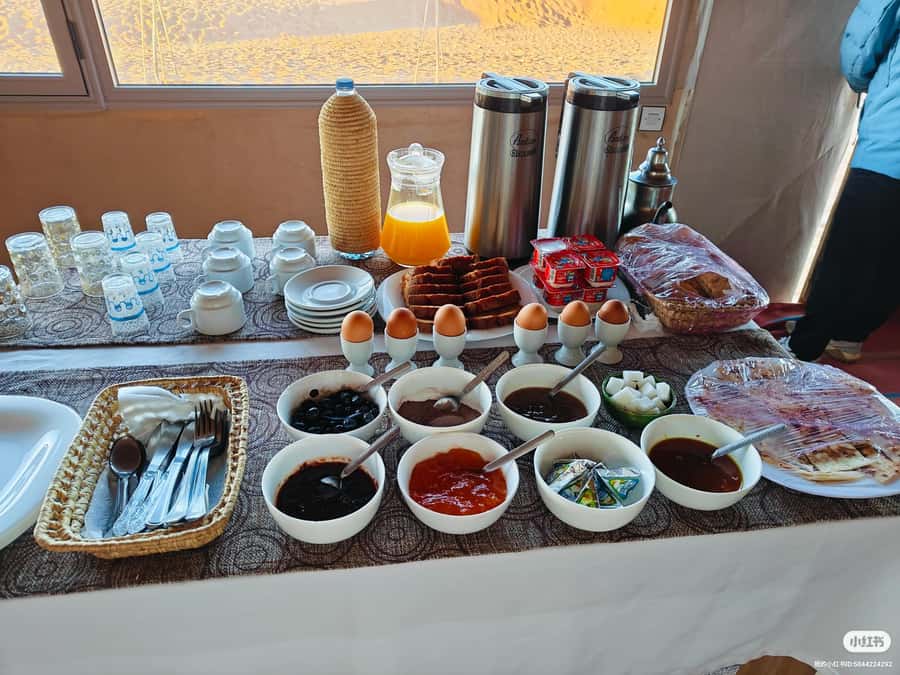
- Two dinners and two breakfasts
- Camel and desert camp time that is not rushed
- Entry handling, including skipping the ticket line
What is not included:
- Lunches
- Drinks
The value comes from combining desert camping comfort with real regional coverage. You are not only sleeping in the Sahara, you are also seeing Todgha Canyons, walking Tinghir oasis areas, hitting Ouarzazate stops, and spending time at Ait Ben Haddou.
One practical tip: because lunches and drinks are not included, you should budget a bit for mid-day meals on travel days and water or soft drinks during stops.
Also, check whether the booking option includes reserve-and-pay-later and free cancellation within 24 hours. That flexibility can matter when your train or flights are uncertain.
Should you book this Fes to Sahara 3-day trip?
If you want a classic Fes to Sahara experience with comfort, this is a strong choice. You get the big visual hits, cedar forest monkeys, Erg Chebbi dunes, Todgha canyons, Ait Ben Haddou, and the High Atlas pass, but you also get real comfort at night with heated tents and private ensuite bathrooms.
Book it if:
- You want one trip that covers multiple regions without extra planning
- You are okay with lots of driving time for the payback in scenery
- You care about sleep comfort after sand and walking days
- You like small-group energy, where you can ask questions and not feel lost
Consider another option if:
- You hate being in a vehicle for long stretches
- You are strongly uncomfortable with camel rides in general, and would rather do other desert experiences
If you do book, I would go in with the right mindset. Treat the road time as part of the journey. Bring layers for the camp nights. And during the camel ride, keep an eye on how the animals are fitted so you can feel good about what you are doing.
FAQ
How long is the trip from Fes, and where do you start?
It is a 3-day trip. Pickup is from your accommodation in Fes.
Where do I sleep during the desert part?
You sleep in a private luxury tent in the middle of the dunes, with a private ensuite bathroom. The tent is heated.
Are camel rides included?
Yes. The experience includes a camel ride for sunset view in the Erg Chebbi dunes.
What meals are included?
Dinner is included twice, and breakfast is included twice. Lunches are not included.
Are drinks included?
No. Drinks are not included.
What language is the guide?
The live tour guide is English.
What should I bring and what rules apply?
Bring your passport or ID card. Smoking is not allowed in the vehicle.
Is the desert hot in summer?
It can be very hot in summer. One reference point given is that end of September to beginning of October feels hot around 32C, with nice cool evenings.
Latest additions near Merzouga
- 3 Days Luxury Private Excursion in Merzouga Desert from Fez★ 5.0 · 23 reviews
- 3 Days Luxury Desert Tour From Fes To Marrakech via Merzouga★ 5.0 · 87 reviews
- 3 Days 2 Magic Night Merzouga Desert Tour From Fes & Back to Fes★ 5.0 · 12 reviews
- 3 Days 2 Nights Desert Tour from Fes to Marrakech via erg Chebbi★ 5.0 · 65 reviews
- 3 Days Desert Tour Fes to Marrakech with 2 Nights in Merzouga★ 5.0 · 39 reviews
- 3 Days merzouga desert luxury camp from Fes to Marrakech★ 5.0 · 166 reviews
- 3 Days Fez to Marrakech via Sahara★ 5.0 · 144 reviews
- 3 Days Desert tour from Fez to Marrakesh via Merzouga Erg chebbi★ 5.0 · 109 reviews
Sahara Desert Tours to Merzouga, compared.
3 Days Desert Tour From Marrakech To Merzouga Dunes & Camel Trek
Read our review →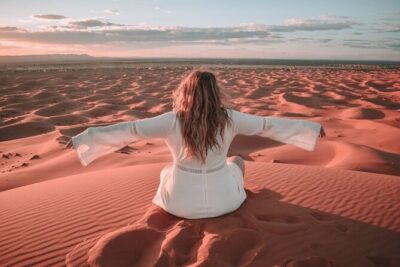
3-Day Marrakech to Merzouga Desert Tour: Camel Rides & Overnights
Read our review →
3-Day Marrakech to Fes Sahara Desert Tour via Merzouga
Read our review →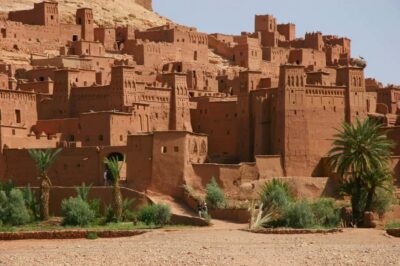
3-Day Merzouga Desert Experience Camel & Meals
Read our review →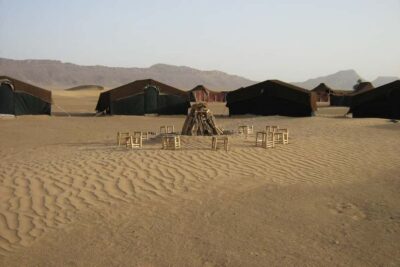
3-Day Tour to Merzouga Erg Chebbi with Food & Camel Trek
Read our review →Browse the lists this tour appears in