
Reviewed · SAHARA DESERT TOURS TO MERZOUGA
Combined Tour: 5 Days Mount Toubkal & Sahara tour
One of Morocco’s hardest hikes, plus its most photogenic desert. This 5-day Mount Toubkal and Sahara combo moves fast, but it hits the big sights: a summit attempt in the High Atlas, then an express run south through passes, kasbahs, and dunes.
I especially like the way the trip pairs earned mountain views with the quiet reward of the Erg Chebbi dunes. The small group size (limited to 14) also makes it feel more manageable when the trail steepens or the drive gets long. Meals and logistics are handled for you with guides, muleteers, and a cook, plus accommodation throughout.
The main drawback is pacing. You’re dealing with long driving days and a tight schedule, and some people prefer booking the mountain and desert parts as separate tours. If you want room to breathe, this “express” format may feel like a lot.
In This Review
- Key things that make this tour worth a look
- Two big Morocco days in one: Toubkal meets Erg Chebbi
- Day 1: Marrakech to Imlil and up to Toubkal Refuge country
- Day 2: Summit attempt on Jebel Toubkal, then back to Imlil
- Day 3: Tizi n’Tichka Pass, Dades Valley, and Ait Benhaddou
- Day 4: Todra Gorge stop, then Erg Chebbi dunes by camel
- Day 5: Sunrise, camel return, and the long drive to Marrakech
- Price and logistics: what $454 buys you, and what to watch
- Trek difficulty you should plan for, before you show up
- Desert comfort: what the dunes night is like
- Best for: who will enjoy this tour the most
- Should you book this 5-day Toubkal and Sahara combo?
- FAQ
- How long is the Mount Toubkal and Sahara combined tour?
- Where do you get picked up?
- What languages will the live tour guide speak?
- Is the camel ride included?
- Are meals included?
- Do I need to bring a sleeping bag?
- Is this tour suitable for pregnant women?
- What should I bring for this trip?
Key things that make this tour worth a look
- Tizi n’Tichka Pass crossing: A dramatic High Atlas route with Berber villages, then a shift into desert scenery.
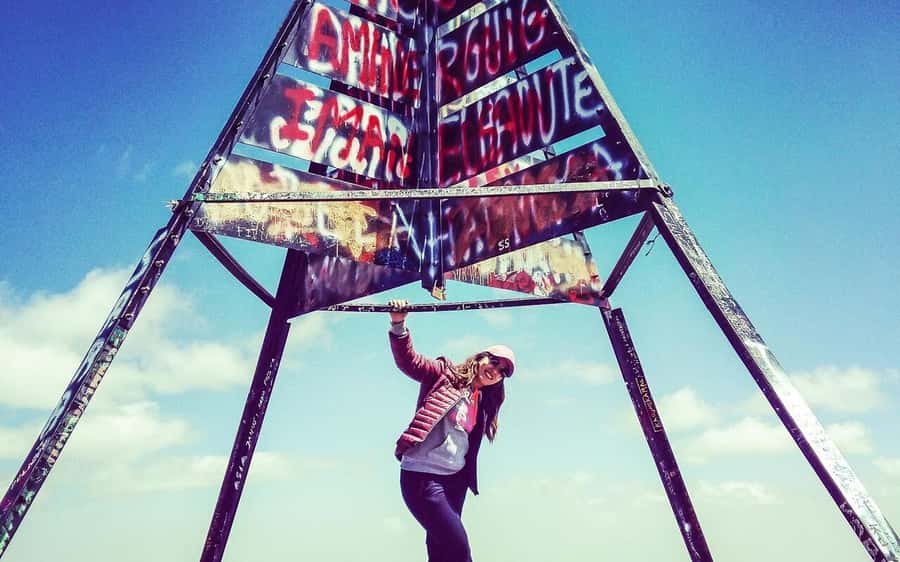
- Toubkal summit attempt: Jebel Toubkal (North Africa’s highest peak) with big altitude and scree challenges.
- Mizane Valley to Imlil: Classic High Atlas trekking start with shrines like Sidi Chamarouch along the way.
- Ait Benhaddou visit: Stops built around kasbah culture as you head to the desert corridor.
- Erg Chebbi camel ride and dunes overnight: Camel time, Berber tents, sunset, and sunrise.
- Efficient, all-in-one itinerary: High Atlas and Sahara in one circuit, which is convenient even if it’s intense.
Two big Morocco days in one: Toubkal meets Erg Chebbi
This tour is built for people who want two different Morocco experiences without adding extra days. You start in the mountains around Imlil, work your way up toward Toubkal Refuge at about 3206 m, then descend and immediately pivot to the south: Tizi n’Tichka Pass, Dades Valley, Todra Gorge, and finally Erg Chebbi for camel time and an overnight in dunes.
The value isn’t only that you see a lot. It’s that meals, accommodation, guides, and key transport are bundled. At $454 per person for 5 days, you’re paying to have the hardest parts managed for you, especially the trek planning and the desert camp setup.
What to keep in mind is the tempo. This is an express combo, so you’ll spend meaningful hours in the minibus or 4×4 between the big moments. It’s doable, but it’s not a slow travel style.
More Merzouga desert circuits:
- From Marrakech: 3-Day Merzouga and Sahara Desert Tour
★ 4.9 · 15,308 reviews - From Marrakech: Merzouga 3-Day Desert Safari with Food
★ 4.7 · 12,232 reviews - Marrakech: 3-Day Merzouga Desert Experience Camel & Meals
★ 4.6 · 6,252 reviews
Day 1: Marrakech to Imlil and up to Toubkal Refuge country
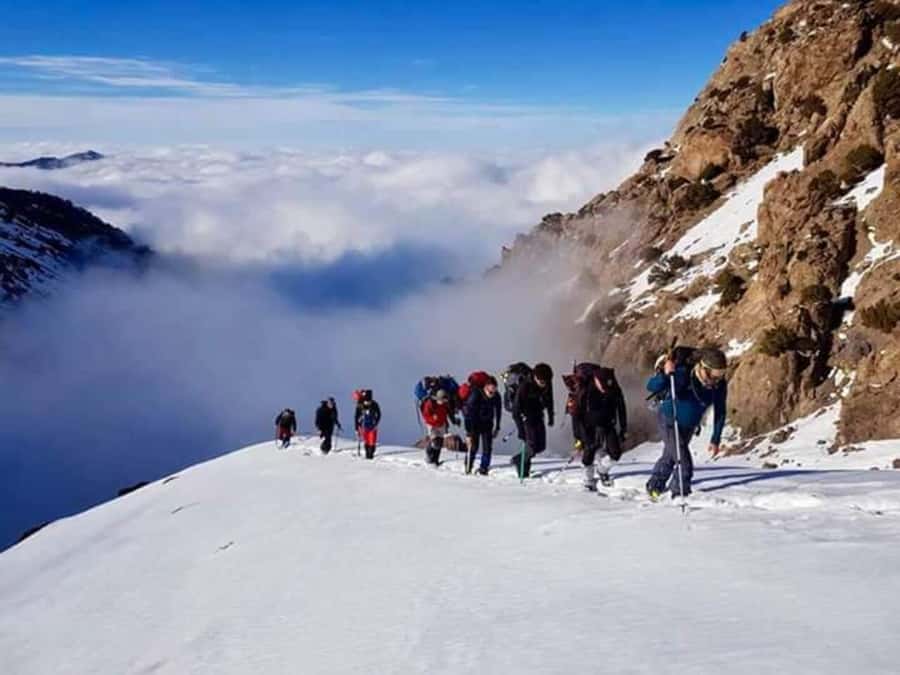
Your day begins with pickup from your hotel in Marrakech, then transfer to Imlil where you meet the team. From there you start trekking along the Mizane Valley, passing Aremd and then the shrine of Sidi Chamarouch.
This first walking day is not just a warm-up. The route gradually pushes you away from village life and into higher, rockier terrain. You also get a nice rhythm: walk along mule tracks, cross a river area, then climb steadily through sections above the valley. It’s a good time to settle into altitude and understand the trail feel before summit day.
By evening you head up to the Toubkal Refuge area (around 3206 m) and sleep in a tent nearby. One practical note I really liked in others’ feedback: at the refuge, they provide big blankets, so you may not need to bring a sleeping bag just for that spot. Still, the tour itself lists sleeping bags as not included, so plan to be comfortable based on your own cold tolerance.
Day 2: Summit attempt on Jebel Toubkal, then back to Imlil
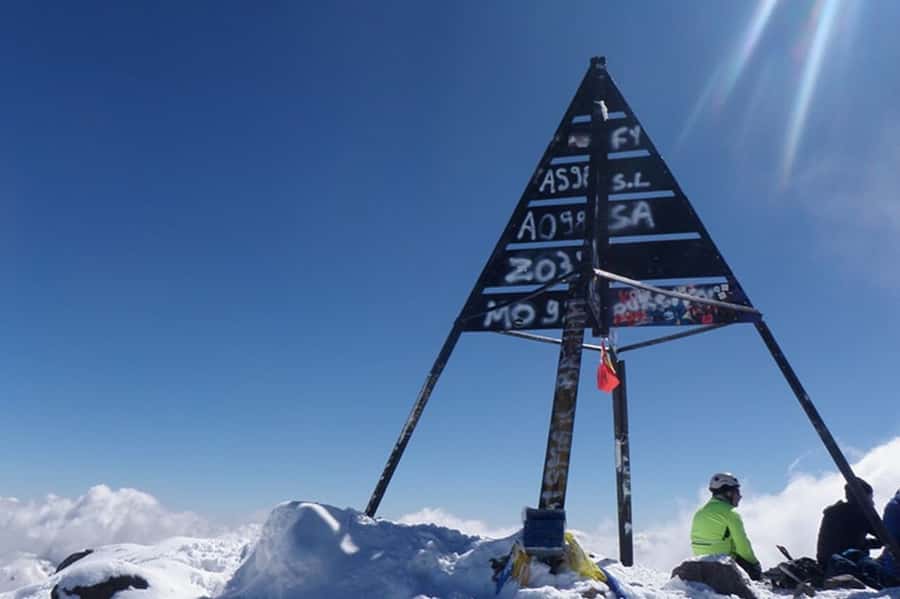
Early on Day 2 you go for Jebel Toubkal, North Africa’s highest peak. Your route runs up the south cirque, crossing a stream above the refuge. The walking is described as relatively straightforward, but you still feel the altitude and the scree.
This is the day where having a skilled guide matters most. People emphasized that the guide’s pace and guidance can make the difference when the trail feels tiring and the cold hits at the top. You might meet a guide like Hussein or Yousseff depending on the group, and either way, the job is the same: keep you moving safely and help you manage the hardest sections.
Once you reach the summit, the payoff is huge. You get unrestricted views across the Marrakesh plain and the High Atlas to the north, plus as far south as the Anti-Atlas and the Sahara. That alone is worth the effort.
Afterward, you retrace your steps back down to Imlil and sleep in a guesthouse. The descent is tiring in a different way, especially if you’re not used to loose rock. Build in patience with your legs, and plan for an early night.
Day 3: Tizi n’Tichka Pass, Dades Valley, and Ait Benhaddou
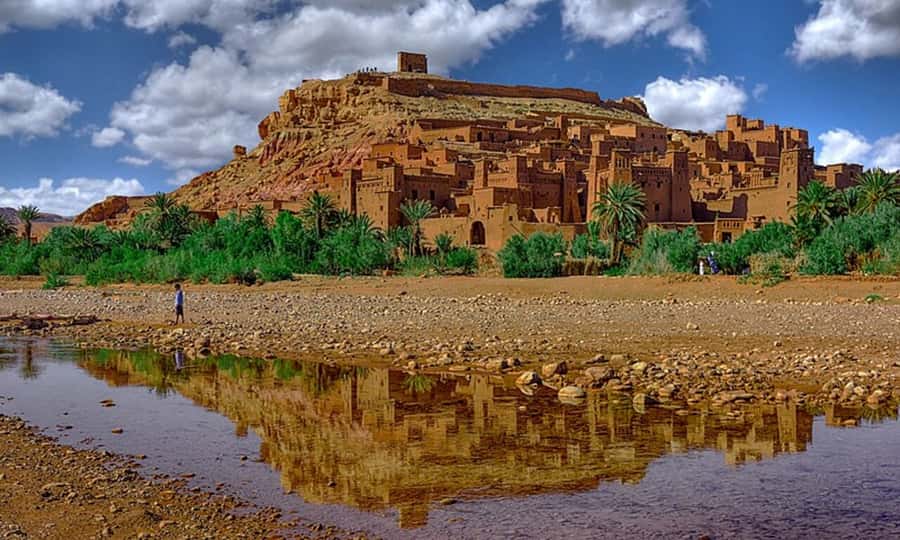
Breakfast in Imlil, then the tour shifts from trekking mode to road-trip mode. First comes the spectacular crossing of the Tizi n’Tichka Pass in the High Atlas. You pass through Berber villages, and once you drop into the south, the scenery changes fast: riverside oases, barren hillsides, and kasbah clusters.
Lunch is followed by more driving toward the Valley of the Roses, with views over the Dades Valley and the area often described as the valley of a thousand kasbahs. Then you visit Kasbah Ait Benhaddou on the way to your overnight spot.
This day is a good example of what an “express” combo really means. You don’t linger like you would on a slower regional trip, but you do get a strong sequence: pass crossing, valley views, then a major kasbah stop. If you like seeing how Morocco’s geography shapes settlements, you’ll enjoy how quickly the route teaches that.
Overnight is in Dades. It’s an ideal base before the next day’s gorge and dune transition, because you’re already halfway toward the Sahara region.
More Atlas mountain days:
- Marrakech: Atlas Mountains, Ourika Valley, Waterfall & Lunch
★ 4.8 · 15,834 reviews - From Marrakech: Atlas Mountains Full-Day Hiking Trip w Lunch
★ 4.8 · 7,417 reviews - From Marrakech: Atlas Mountains Day Trip with Camel Ride
★ 4.8 · 4,709 reviews - Marrakesh: Ourika Valley & Atlas Mountains, Day Trip + Lunch
★ 4.9 · 1,865 reviews
Day 4: Todra Gorge stop, then Erg Chebbi dunes by camel
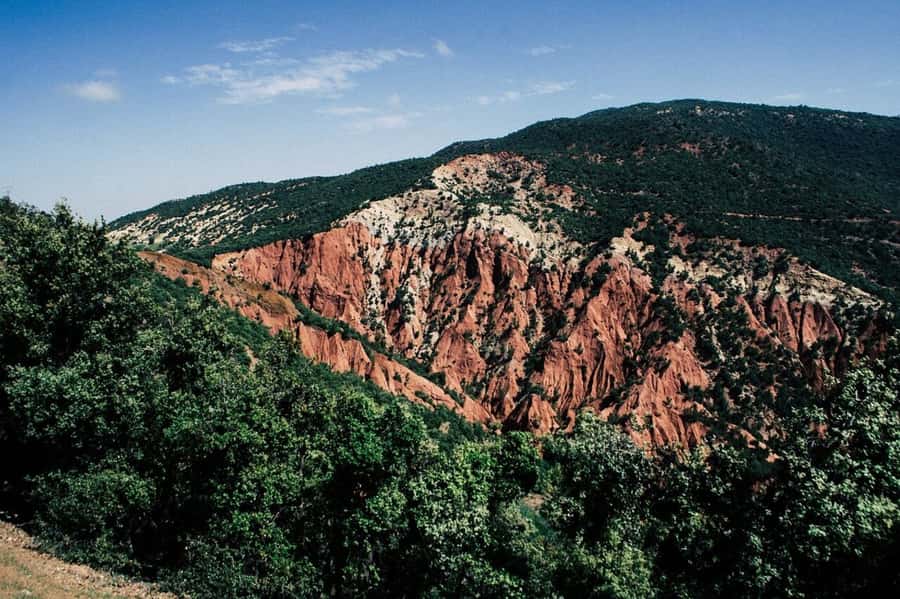
Day 4 starts with a drive to Todra Gorge. There’s a short stop, and you’ll see why this area is famous: narrow, dramatic rock walls and a canyon feel that makes the rest of the day feel even wilder when you move on.
Then you continue toward Erg Chebbi. The tour aims to arrive around 4 pm, which is a smart timing choice. You get a break before the camel ride, and the late afternoon light is perfect for dunes.
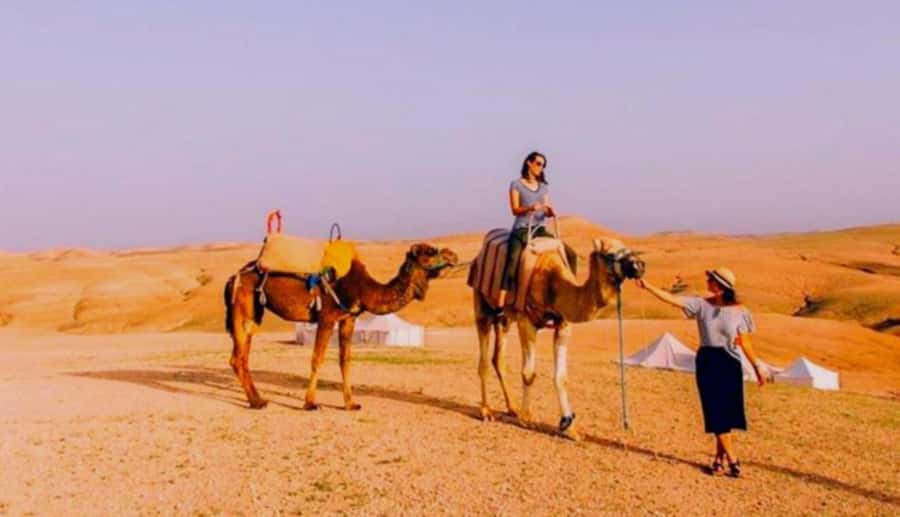
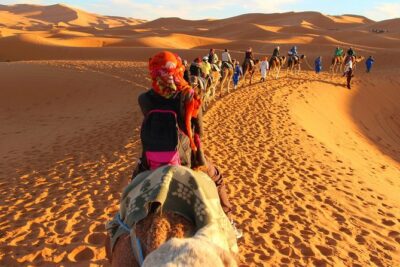
Next comes the core desert experience: a camel ride into the Erg Chebbi dunes, followed by an overnight in Berber tents. The schedule is built around comfort and atmosphere: you’ll see a beautiful sunset, then have a fantastic dinner.
One thing I appreciated from real feedback is that even with unexpected rain, the desert camp was still comfortable for people who thought they were going to freeze. Desert nights can swing in temperature, but camps tend to be set up for typical conditions.
Just remember this: you’re leaving the paved world. Even with good camps and organized staff, the desert side is more rustic. If you expect hotel-level comfort, manage that expectation.
Day 5: Sunrise, camel return, and the long drive to Marrakech
The last day is built around the best light of the whole trip. You wake for the sunrise, enjoy breakfast at the campsite, then take a camel ride back to the auberge.
After that, it’s a long drive back to Marrakech, again via the Tizi n’Tichka Pass. This final transit can feel like the biggest time cost of the whole experience, but it’s also how the tour wraps up a full loop without requiring extra transfers on your own.
If you’re traveling as a family or with teens, this day can be the “hang in there” moment. For many people, the payoff is still worth it because you end with the memories of the summit views and the dunes, not with paperwork or logistics.
Price and logistics: what $454 buys you, and what to watch
At $454 per person for 5 days, this isn’t a luxury-only price, but it is designed to bundle the expensive parts of the trip: trekking organization, guides, mule support, desert camp logistics, and transport.
Here’s what you’re paying for in a practical sense:
- Guide and support team during the trek, including muleteers and a cook
- All meals during the trek, plus dinner and breakfast during the desert portion
- Accommodation across the circuit (tent near the refuge, guesthouse in Imlil, Dades lodging, Berber tents in the dunes)
- Transport by minibus or 4×4
- Camel ride in Erg Chebbi
What you should not ignore are the items that are not included:
- Sleeping bags (not included)
- Crampons or ice axe for winter conditions
- Walking poles
- Soft drinks
So the real value question is this: will you be comfortable if you need to bring your own cold-weather gear and use trekking poles? If yes, then the price feels fair because you’re not paying extra for camp support and meals. If no, you could end up spending on gear to match the reality of summit weather.
There’s also the combo aspect. A few people noted that the combined tour can feel like two separate trips stitched together, with communication gaps. One suggested improvement was clearer details sent a day before via WhatsApp. Another theme was confusion at the end, when two tours had different groups. That doesn’t mean the experience is bad. It means you should show up expecting a schedule with multiple moving parts.
Trek difficulty you should plan for, before you show up
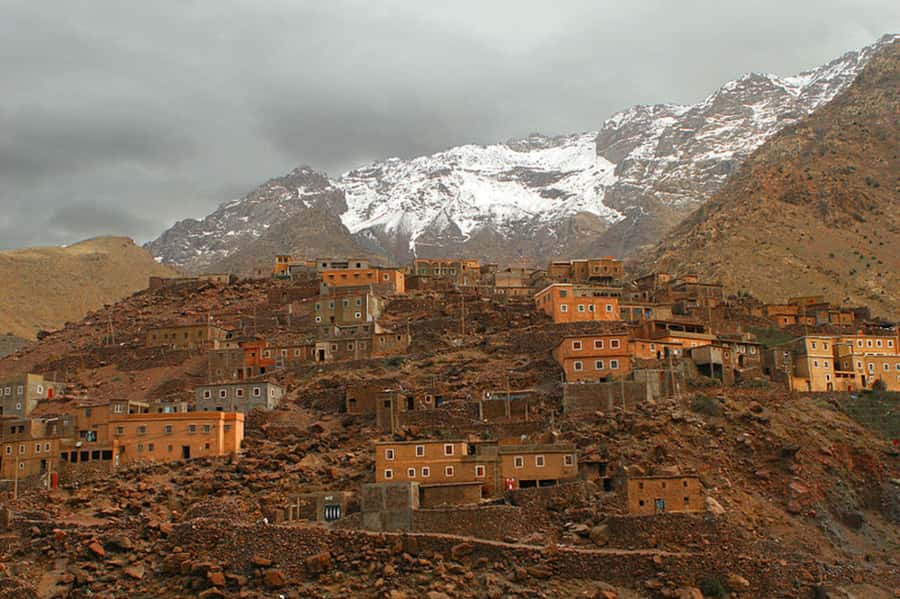
The Toubkal hike is the main “make or break” element. The route to the refuge is steady climbing, with rocky terrain and altitude increasing step by step. Then summit day adds scree and cold conditions at the top.
Even people who described the trail as straightforward also flagged the altitude as a real challenge. The summit attempt is early, and one family described cold and steep climbing that required real effort. Their guide made the difference by pacing them through the hard parts.
So here’s my practical take: you do not need to be a mountaineer, but you do need hiking stamina and a calm approach to discomfort. If your legs get sore quickly on steep descents, plan to take it slow on the way down.
For gear, this tour does not provide the winter safety equipment you might need. If you’re trekking in colder months, the guide list specifically points to crampons or an ice axe (winter) plus walking poles. If you skip poles, expect sore knees.
Desert comfort: what the dunes night is like
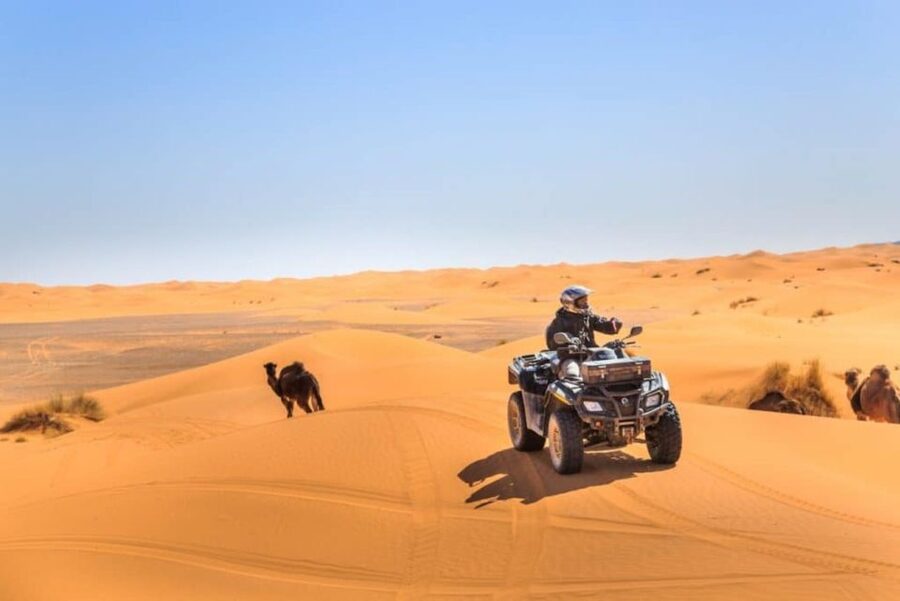
The Erg Chebbi part is the emotional peak for many people, because you get the feeling of being far from cities while still staying in an organized camp. Your night is in Berber tents, not a bare-bones experience where you fend for everything.
The schedule is also paced well for photos and comfort. You arrive around late afternoon, take a camel ride, settle in, then enjoy sunset and dinner. Then you wake for sunrise.
That said, don’t over-forecast how “soft” the camp will be. It’s designed for a desert stop, not a resort. Bring the right layers and expect some roughness.
Also, if you like practical efficiency, know that a smart packing trick came up in real feedback: you can leave unnecessary baggage for the Toubkal trek at Imlil and pick it up later when heading toward the desert. That can lighten what you carry on the mountain days.
Best for: who will enjoy this tour the most
This combined itinerary is a strong fit if you:
- Want one guided circuit that covers both the High Atlas and Erg Chebbi
- Like ambitious trips with a clear goal day by day
- Are comfortable with long drives between regions
- Are ready for a challenging summit attempt day, even if you’re not an expert hiker
It may be less ideal if you:
- Prefer slow travel and flexible pacing
- Get tired from frequent transitions and tight schedules
- Want more detailed day-by-day messaging in advance, because some people asked for better communication
Should you book this 5-day Toubkal and Sahara combo?
I’d book it if you want maximum Morocco variety in limited time and you’re confident you can handle altitude and rocky walking on summit day. The strongest reasons to choose it are the Toubkal summit attempt, the Tizi n’Tichka Pass crossing, the Ait Benhaddou stop, and the classic Erg Chebbi camel ride plus dunes overnight.
I’d be cautious if you hate long driving days or if you’re the type who needs a very clear plan and constant updates. In that case, you might prefer separating the mountain portion and the desert portion, even if you still pass through Marrakech between them.
FAQ
How long is the Mount Toubkal and Sahara combined tour?
The tour duration is 5 days.
Where do you get picked up?
Pickup is included from your hotel in Marrakech. You may also be able to get picked up from Marrakech Airport, but you need to provide details.
What languages will the live tour guide speak?
The live tour guide speaks Arabic, English, and French.
Is the camel ride included?
Yes, a camel ride is included. You ride camels in the Erg Chebbi dunes and again on the return part of the trip.
Are meals included?
Yes. All meals are included during the trek, and breakfast and dinner are included during the desert portion.
Do I need to bring a sleeping bag?
Sleeping bags are not included. The Toubkal refuge may provide large blankets, but since sleeping bags are not included by the tour, plan based on your comfort level.
Is this tour suitable for pregnant women?
No, it is not suitable for pregnant women.
What should I bring for this trip?
You should bring your passport or an ID card.
Latest additions near Marrakech
- Three valleys, Atlas Mountain, waterfalls & Agafay Desert★ 5.0 · 13 reviews
- Marrakech: Tailor-Made City Tour With Your Own Private Guide★ 4.9 · 236 reviews
- Essaouira: Surf Trip from Marrakech★ 4.9 · 31 reviews
- Surf Training and Lunch on Essaouira Day Trip from Marrakech★ 4.9 · 51 reviews
- Marrakech palm grove: Sunset camel ride★ 4.8 · 194 reviews
- Marrakech: Sunrise Desert Tour with Camel Ride and Breakfast★ 4.4 · 36 reviews
- Marrakech : Agafay Desert Sunset Camel Ride & Luxury Dinner★ 4.3 · 39 reviews
- Marrakech: Cycling Tour in Palm Groove with Local Breakfast★ 4.7 · 73 reviews
Sahara Desert Tours to Merzouga, compared.
3 Days Desert Tour From Marrakech To Merzouga Dunes & Camel Trek
Read our review →
3-Day Marrakech to Merzouga Desert Tour: Camel Rides & Overnights
Read our review →
3-Day Marrakech to Fes Sahara Desert Tour via Merzouga
Read our review →
3-Day Merzouga Desert Experience Camel & Meals
Read our review →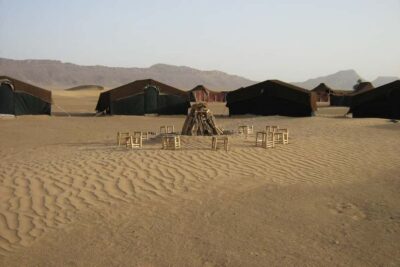
3-Day Tour to Merzouga Erg Chebbi with Food & Camel Trek
Read our review →Browse the lists this tour appears in