
Reviewed · FOOD
Cook Moroccan Food & Try on Traditional Clothes like a local
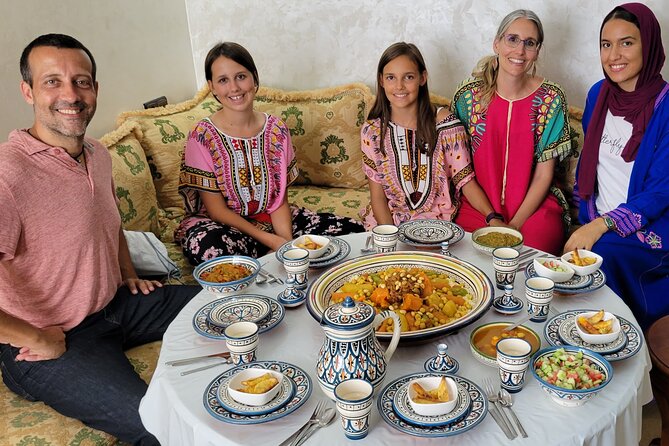
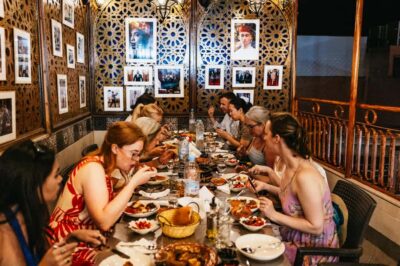
Cooking in Morocco gets real when you step into a family home. This one is led by Wissal and her mother, with a hands-on menu plus mint tea, special coffee, and a short outfit session in caftans and takchitas. What I like most is the step-by-step cooking with family spice know-how, and the fact that you eat as part of the household rhythm, not as a spectator. The one thing to plan for is logistics, since it’s in a private home and you may want a taxi driver lined up early if timing matters.
In about four hours, you choose what you want to cook, prep it together, then sit down for the meal with your hosts over Moroccan mint tea. You also get a recipe e-book afterward, so the experience follows you home instead of evaporating the next day. If you’re expecting a big “tour bus” style production, this is calmer and more personal, which is great, but it means you should come ready to talk and participate.
In This Review
- Key Highlights You’ll Actually Feel
- Entering Wissal’s Home Kitchen in Casablanca
- What You Cook in Four Hours (Tagine, Couscous, Pastilla, More)
- Moroccan Coffee, Mint Tea, and Spice Secrets That Matter
- Caftans and Takchitas: The Photo Part That Actually Feels Fun
- Vegan and Vegetarian Friendly, Without Making It Feel Special-Case
- Small Group Size, Languages, and Comfort Level
- Price and Value in Casablanca: Why It’s More Than a Cooking Class
- Tips to Make the Most of Your Evening
- Should You Book This Moroccan Home-Cooking Session?
- FAQ
- How long is the cooking experience?
- What does the price include?
- What can I cook during the class?
- Are vegan or vegetarian guests welcome?
- What languages are available during the class?
- Is transportation included?
- Do I get anything to take home?
Key Highlights You’ll Actually Feel
- Mother-daughter hosting: Wissal and her mom run the kitchen together, so you get both warmth and technique.
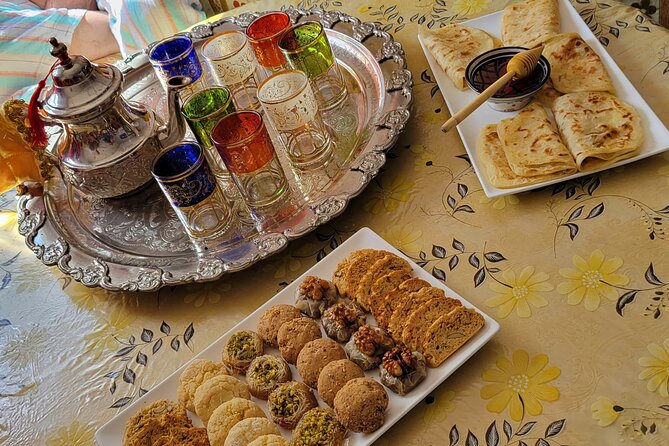
- Family Moroccan coffee: a spiced version made with a recipe that uses five spices.
- Hands-on dishes: pick from options like tagine, couscous, or pastilla, plus a drink you make from scratch.
- Traditional outfits for photos: try caftans and takchitas, right in the home setting.
- Veg-friendly from the start: vegan and vegetarian guests are welcomed to join and enjoy.
- Take-home recipes: you receive an e-book with what you cooked, so you can recreate it later.
Entering Wissal’s Home Kitchen in Casablanca
Casablanca can feel like a city of motion, but this experience slows you down in the best possible way. You’re invited into a traditional home where the day’s meals, music of conversation, and spice rituals are part of normal life.
You’ll start with a friendly welcome and a cup of spiced coffee, plus Moroccan snacks. This coffee isn’t just coffee with sugar, it’s spiced in a family style, and it sets the tone for the cooking lesson that follows. Then you’ll move into the kitchen with your hosts, rolling up sleeves and working at the pace of a real household.
Because it’s a home experience, the “meeting point” is given after you reserve, and the exact address matters. If you’re coming from the cruise port, plan for a drive that can be around 20 to 25 minutes depending on traffic, and consider arranging a taxi driver ahead of time if you want less stress. One more practical note: wear comfortable clothes, since you’ll be chopping and mixing.
Other Casablanca days to consider
- Casablanca: Food Tour with Tastings in Quartier Habous
★ 4.7 · 19 reviews - Casablanca: Central Market Food Tour with Tastings and Lunch
★ 4.8 · 13 reviews - From Marrakech: Merzouga 3-Day Desert Safari with Food
★ 4.7 · 12,232 reviews
What You Cook in Four Hours (Tagine, Couscous, Pastilla, More)
The cooking part is the core, and it’s designed so you’re not just watching. You and your hosts talk about what you’d like to make, and they prepare the ingredients in advance so class time stays productive.
Your dish options can include classic Moroccan staples such as:
- Tagine (you’ll learn how to build flavor with spices and simmering style)
- Couscous (focused on texture and timing)
- Pastilla (a delicate, layered approach)
In addition to your main choice, the experience often includes a drink you make from scratch. You may prepare a traditional-style mojito, and you’ll also be served drinks like virgin mojitos or mocktails during the experience.
If you want the kind of meal that tastes like you’re eating Morocco for real, pay attention to the spice method. The hosts teach you how to use spices correctly, and that makes a difference the next time you cook at home. One nice detail is that the class doesn’t rush you through everything. There’s time for questions while you work, including how spices are chosen and used in everyday Moroccan cooking.
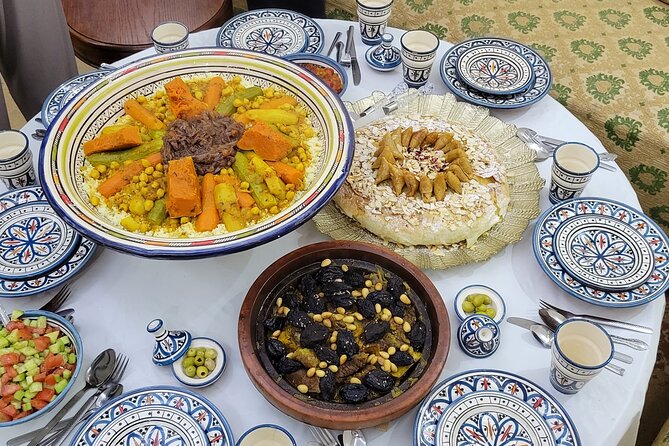
From the dishes mentioned in the experience, you might end up with combinations like chicken or beef tagine, a hot salad with ingredients such as tomato and eggplant, and cooler sides like cucumber tomato salad. You’re not forced into one “script,” it’s tailored around what you want to cook.
Moroccan Coffee, Mint Tea, and Spice Secrets That Matter
Food in Morocco is never only about ingredients. It’s about how you treat them, when you add them, and how you balance heat, sweetness, and aroma.
You’ll taste the hosts’ approach early with the spiced coffee, then you’ll learn the spice logic while you cook. In practice, this means you get more than a list of seasonings. You get a feel for how Moroccan spice blends behave, so your food doesn’t end up tasting like a generic “spice mix” when you try to recreate it later.
The finishing touch is mint tea. You’ll sit with your hosts and share the meal, served with mint tea that’s prepared fresh for the moment. That tea matters because it’s how Moroccan meals often close, slow and comforting, and it gives the whole evening a natural rhythm.
If you like learning by doing, you’ll appreciate that you handle ingredients yourself, not just in theory. And if you’re a cautious cook, don’t worry. The style described here is beginner-friendly, with your hosts guiding you step-by-step, so you can participate even if you’ve never cooked Moroccan food before.
Caftans and Takchitas: The Photo Part That Actually Feels Fun

Some “culture add-ons” feel tacked on. This one feels like a real moment.
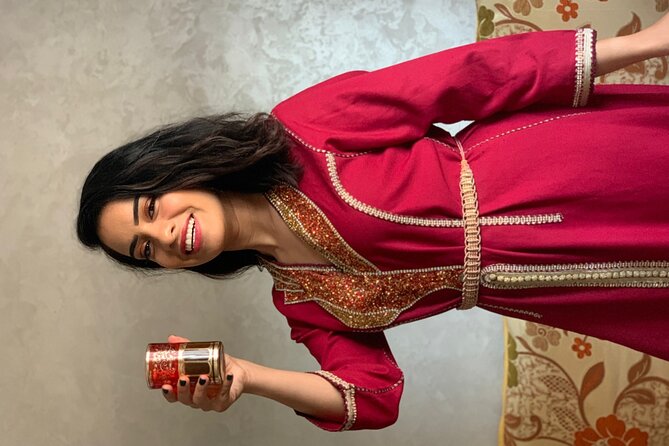
Before or after your meal, you’ll try on traditional Moroccan outfits like caftans and takchitas inside the home. You can go for a full look for photos, and it’s also just plain fun. There’s something about stepping into the fabric, colors, and fit that makes your whole experience feel more connected.
Practical tip: wear something easy to change out of. These outfits can require a bit of adjusting, and if you’re dressed in loose clothes, you’ll move through it quickly and comfortably. If you’re planning to use your photos for social media, take a few test shots first, then you’ll get your favorite angles without turning it into a long production.
This outfit session is more than a prop. It’s a quick window into how traditional clothing shows up in daily life, and it pairs nicely with a cooking class because both are about heritage and household pride.
Within striking distance:
- Casablanca: Hassan II Mosque Premium Tour with Entry Ticket
★ 4.5 · 2,971 reviews - Casablanca City Tour with Hassan II mosque ticket
★ 5.0 · 2,480 reviews - Casablanca: City Tour with Hassan II Mosque Entry Ticket
★ 4.6 · 1,137 reviews - Private Tour of Casablanca with Hassan II Mosque Entry Ticket
★ 5.0 · 1,102 reviews
Vegan and Vegetarian Friendly, Without Making It Feel Special-Case
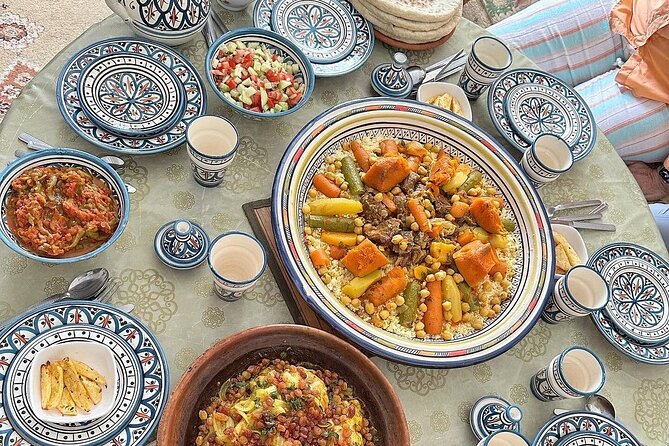
One of the smartest parts of this experience is that vegan and vegetarian guests are warmly welcomed. That means you’re not treated like an “exception” or forced into a sad plate.
From a practical standpoint, it helps you focus on the cooking skills. Even if you don’t eat meat, you still learn how Moroccan spice flavors build depth. You also get the chance to enjoy the meal with the same sense of sitting down with the family.
If you tell your hosts your preferences, they can guide you toward dishes that work for your dietary needs and keep the experience fair. I like this approach because it keeps you involved in the process, rather than watching someone else cook while you wait.
Small Group Size, Languages, and Comfort Level
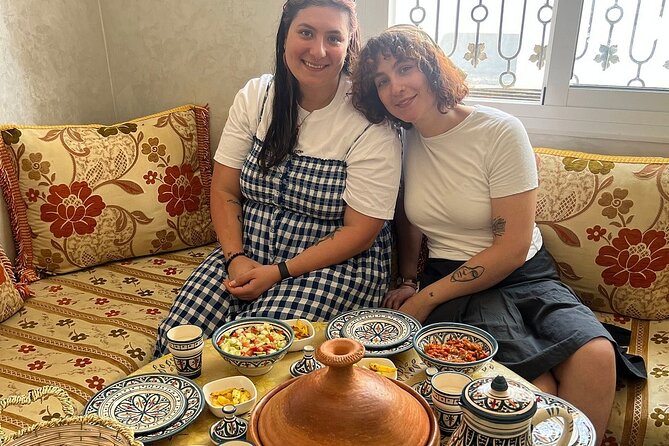
This is a small group experience limited to 10 participants, which is exactly the right size for an actual conversation in a home kitchen. With fewer people, you get more attention while chopping, mixing, and asking questions.
Language support is a real plus too. The instructor team can work in English, French, and Arabic, so you’re not stuck with hand gestures and hope. One review also highlighted communication through WhatsApp, which is useful if you need to coordinate timing or clarify how to find the home.
Wheelchair accessibility is also listed, which matters in real terms. If you use a mobility aid, it’s worth asking in advance what the access route looks like, but at least it’s not a class that assumes everyone can navigate stairs.
Comfort-wise, the experience is hands-on and homey. Bring comfortable clothes, and expect a normal kitchen environment with spices, prep, and a bit of mess. That’s part of the point.
Price and Value in Casablanca: Why It’s More Than a Cooking Class
At $60 per person for around four hours, this pricing makes sense when you look at what’s included. You’re not only getting instruction. You’re getting a full family-run meal experience with multiple components: snacks and welcome drinks, hands-on cooking, traditional outfit time, mint tea, and an e-book you can use later.
Where it turns into good value is in the take-home part. A recipe e-book helps you recreate the dishes you made, so you’re paying partly for future meals, not just an evening out. And because the cooking is hands-on with family recipes, it’s easier to remember what to do and why.
Also, the setting is part of the cost you’re paying for. You’re in a real home, with a mother-daughter duo. That kind of access is rare in big-city tourism, and it’s hard to fake. If you want a souvenir, you’ll likely get one too, but the bigger win is knowledge you can use.
If you’re deciding between a standard cooking class and a home-style one, ask yourself what you want to carry back. If you want recipes and cultural context in the same package, this is a strong option.
Tips to Make the Most of Your Evening
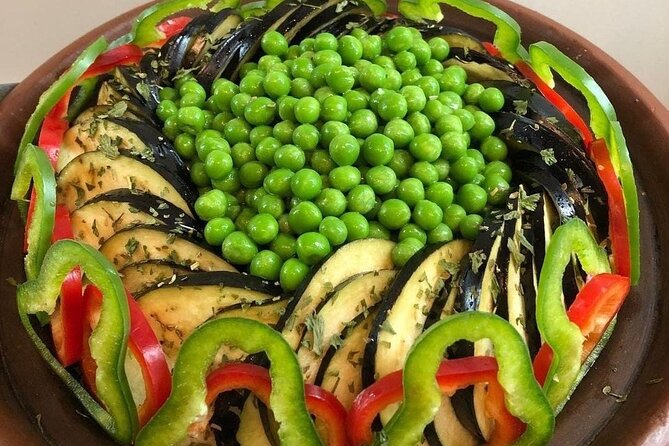
A few small choices can make your four hours smoother and more enjoyable.
First, coordinate transport if you need it. The home location can be tricky if you’re relying on luck, so texting in advance to arrange a taxi driver can reduce stress. If you’re coming from a cruise port area, build in extra time for traffic.
Second, come with a dietary plan and be clear early if you’re vegetarian or vegan. The experience states that veg guests are warmly welcomed, and you’ll get better results when the hosts can plan the ingredients.
Third, pick what you want to cook with intent. If tagine is your priority, say so. If couscous is what you crave, choose it. The hosts ask what you’d enjoy cooking, and they prepare the ingredients, which makes the whole session feel efficient and personal.
Finally, plan for photos but don’t let them take over. The caftans and takchitas are fun, but your meal is the real centerpiece. Do both, just keep it balanced.
Should You Book This Moroccan Home-Cooking Session?
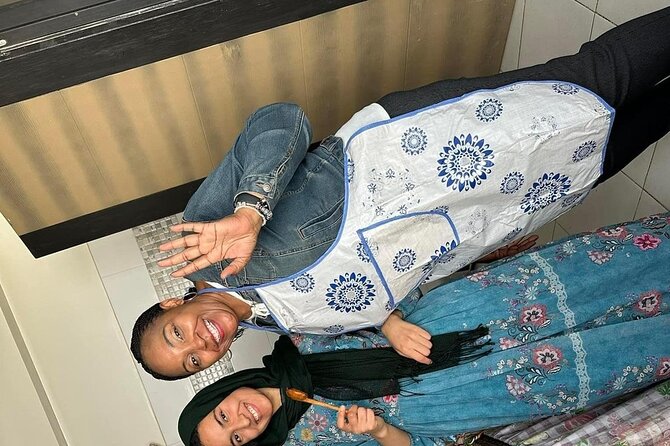
Book it if you want an experience that feels like a real evening with people who care about food and family tradition. It’s best if you’re excited to cook, ask questions, and sit down to eat what you made over mint tea. It’s also a good choice if you want a memorable photo moment with caftans and takchitas without paying for a separate cultural add-on.
Skip it if you prefer large-group activities, fast-paced “checklist tourism,” or if you only want passive entertainment. Since this is a home environment, it works best when you’re ready to participate and enjoy a calmer pace.
FAQ
How long is the cooking experience?
It lasts about 4 hours.
What does the price include?
You get a welcome with Moroccan snacks and virgin mojitos or mocktails, a hands-on cooking lesson using authentic family recipes, a chance to try on traditional Moroccan outfits, and a meal with the hosts over mint tea.
What can I cook during the class?
You can choose among popular Moroccan dishes such as tagine, couscous, or pastilla, and you also make a traditional-style mojito from scratch.
Are vegan or vegetarian guests welcome?
Yes. Vegan and vegetarian guests are warmly welcomed to join and enjoy the experience.
What languages are available during the class?
The instructor can work in English, French, and Arabic.
Is transportation included?
Transportation is not stated as included. The host notes that if you need transportation, you can text in advance so a taxi driver can be arranged.
Do I get anything to take home?
Yes. You receive an exclusive e-book after the experience with the recipes so you can recreate the dishes at home.
Latest additions near Casablanca
- Casablanca : Traditional Moroccan Cooking Class with Locals★ 5.0 · 22 reviews
- Casablanca Half Day City Tour with Professional local Guide★ 4.2 · 18 reviews
- Casablanca: Traditional Souks Shopping Private Tour★ 4.4 · 29 reviews
- Casablanca: Quad Fun Beachside with Hotel Transfers★ 4.9 · 41 reviews
- Casablanca to Tangier Guided Day Trip By High-Speed Train★ 3.6 · 10 reviews
- Casablanca to Fez: Scenic & Historical Day Trip with Lunch★ 4.7 · 111 reviews
- Casablanca: Private or Group Tour★ 4.7 · 48 reviews
- Casablanca: Private Guided Tour with lunch★ 4.6 · 48 reviews
Food, compared.

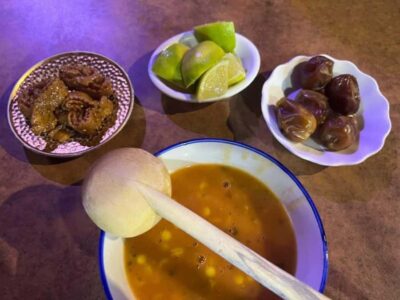
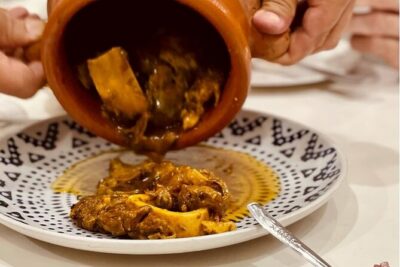

3-Day Tour to Merzouga Erg Chebbi with Food & Camel Trek
Read our review →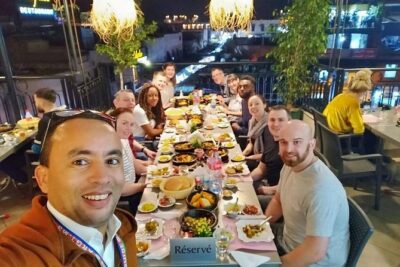
Authentic Moroccan Food Tour in Marrakech with Dinner
Read our review →
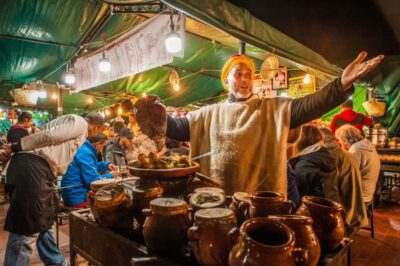
Browse the lists this tour appears in