
Reviewed · HISTORICAL TOURS
Discovery of Moroccan Culinary Heritage, History and Secrets
A Moroccan kitchen beats Google every time. This 2-hour class takes place on the second floor of a riad, where you get an intro in a Moroccan living room and then move through 34 kitchen stations for hands-on cooking. I like that it is structured enough to feel like a proper lesson, not just a food show.
Two things I especially like are the focus on bread making (including a look at the bread oven) and the way you get taught how to build flavor with spices. You also finish with a Moroccan tea ceremony and the chance to eat what you made on the terrace.
One consideration: the instruction is delivered through a French or English interpreter, so if language matters a lot to you, double-check what you are booking.
In This Review
- Key highlights at a glance
- Entering the Marrakech Culinary Arts Museum, then straight into cooking mode
- The second-floor kitchen: 34 stations means you actually cook
- Bread making in Morocco: more than a carb, it is the rhythm
- The bread oven and herbalist visit: where spices really begin
- Cooking with the Dada: spice dosing, timing, and Moroccan staples
- Tea ceremony on the terrace: a small ritual that fixes the meal
- Tastings and Moroccan wines: optional, but the pairing makes sense
- The museum visit: context for tajines, couscous, and bread
- Price and value: what $69.79 covers in real terms
- Timing and group size: why the pacing feels workable
- Who should book this cooking class in Marrakech
- Quick advice before you go
- Should you book? My honest take
- FAQ
- How long is the Moroccan culinary experience?
- Where does the tour start and end?
- What languages is the introduction provided in?
- What is included in the price?
- Are alcoholic beverages included?
- Is there a cancellation window for a full refund?
Key highlights at a glance
- Second-floor riad setup with a proper teaching layout and 34 stations, so you are not stuck watching from the back
- Bread oven + herbalist visit, so spices and ingredients have a starting point you can actually picture
- Cooking with a traditional cook (the Dada) and lessons aimed at Moroccan staples like tajines and couscous
- Moroccan tea ceremony that gives you a cultural rhythm, not just a drink
- Dishes you make, then eat on the terrace, with Moroccan wines available as an optional add-on
- Museum time inside a beautiful riad, so your meal has context
Entering the Marrakech Culinary Arts Museum, then straight into cooking mode
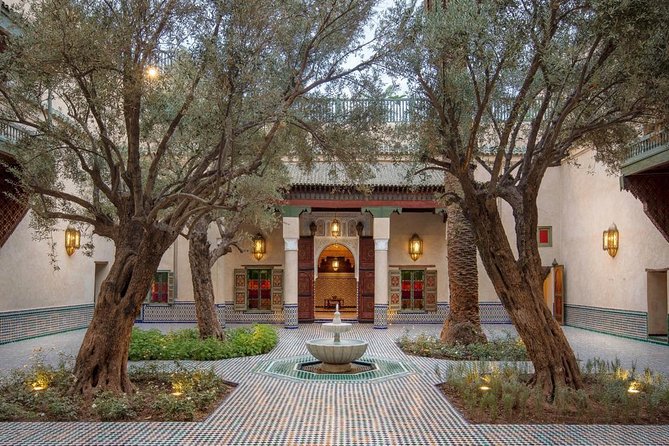
This experience starts at the Moroccan Culinary Arts Museum on Rue Riad Zitoun el Jdid. Even before you cook, the setting matters. The museum is in a restored riad, and that helps you understand what you are about to do, you are not just following recipes, you are stepping into how Moroccan food life is organized at home.
Once you are welcomed, you get an interpreter for the course introduction. Then the plan is very practical: you get a cooking-focused explanation and then you move into the teaching area right away. That keeps the experience from feeling like a long lecture, and it is part of why the pacing works well in a short 2-hour window.
Other Morocco days to consider
- Marrakech Historical and Cultural Tour – Half Day City Tour
★ 4.5 · 1,180 reviews - Fez: Guided Walking Tour of the Historic Medina
★ 5.0 · 359 reviews - Historical Marrakech Walking Tour
★ 5.0 · 198 reviews
The second-floor kitchen: 34 stations means you actually cook
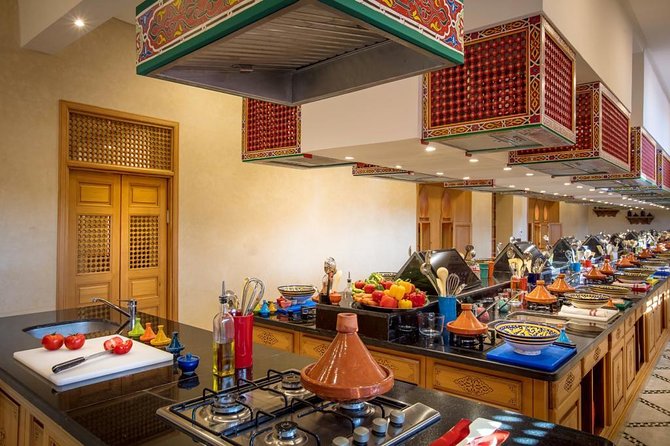
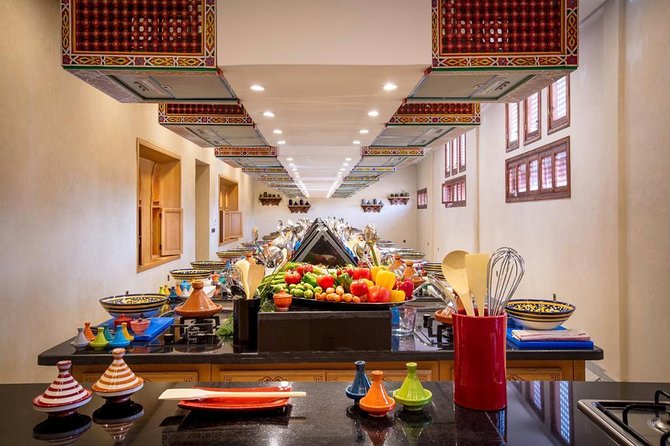
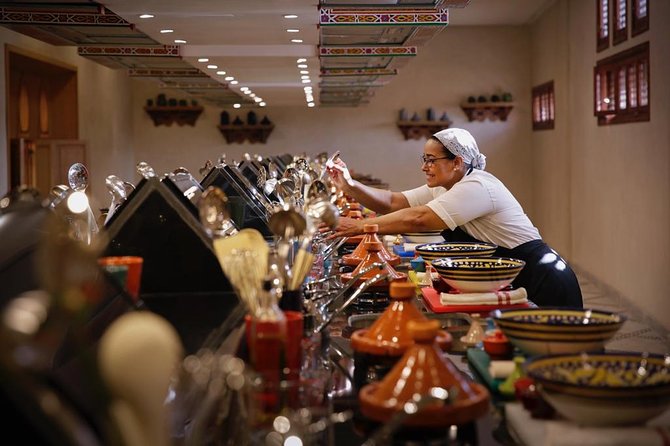
The main action is on the second floor of the riad. You will start with a welcome and introduction in a Moroccan living room, then head into a teaching kitchen with 34 kitchen stations. For me, the biggest value here is that the layout is built for classes, not for one big group hovering around a single counter.
This is where the experience shows its teaching logic. Instead of watching someone else handle everything, you get your own station and guidance as you work. That matters if you want to take the techniques home, especially for spice work, sauce thickness, and timing, all of which are easier to understand once your hands are involved.
Also, the group size is capped at 34, which helps the staff manage a class without turning it into chaos. In Marrakech, you will often find beautiful spaces that are not designed for instruction. This one is.
Bread making in Morocco: more than a carb, it is the rhythm
Bread is the first big lesson, and it is not a small “here is a piece” moment. You get a Moroccan bread-making demonstration, and it connects to everything that follows.
In Morocco, bread is more than something on the side. It is the tool you use to scoop tagines and sauces, the carrier for herbs and dips, and a daily comfort that families understand by feel and habit. When you watch bread being made, you start noticing how Moroccan meals are built around what bread can do.
Here is what to watch for: the dough handling and baking process. Even if you are not walking away with perfect dough on day one, you will learn the basic logic behind texture and heat. That makes your later tastings more meaningful because you can connect what you taste to what you saw.
The bread oven and herbalist visit: where spices really begin
A big part of this experience is visiting the bread oven and a herbalist of the district where spices come from. It may sound like a quick detour, but it is one of the more important segments because it gives you a source story.
When spices are just “in a jar,” they feel interchangeable. When you see the setting where they are sourced and prepared, you start to understand why certain blends feel sharper, warmer, or more aromatic. You also pick up the idea that Moroccan cooking treats spices as measured ingredients, not just flavor dust.
If you like to cook at home, this is where you get smarter quickly. You learn to think in terms of dosing spices and balancing them with fats, heat, and time. That is the difference between a dish that tastes good once and a dish that tastes good repeatedly.
Within striking distance:
- Marrakech: Agafay Desert Sunset, Camel Ride, and Dinner Show
★ 4.6 · 35,119 reviews - From Marrakech: Ouzoud Waterfalls Guided Hike and Boat Trip
★ 4.7 · 33,630 reviews - Marrakech: Agafay Desert Quad & Camel Rides with Dinner Show
★ 4.8 · 27,382 reviews - Marrakech: Agafay Desert Quad Biking Tour with Dinner-Show
★ 4.8 · 16,569 reviews
Cooking with the Dada: spice dosing, timing, and Moroccan staples
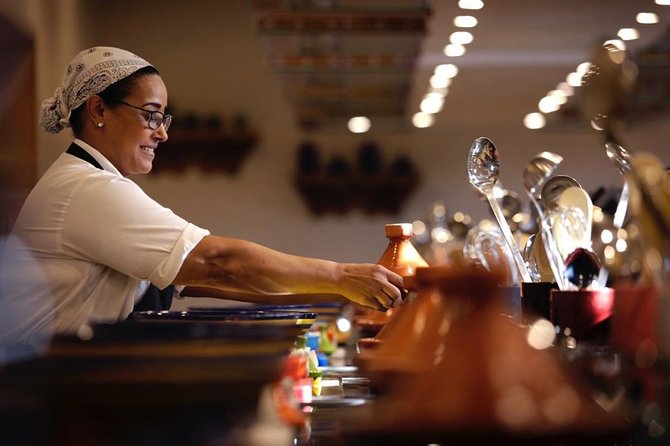
At the heart of the class is cooking instruction by the Dada, a traditional cook who explains the secrets of Moroccan cuisine. This is the part you want if you care about learning technique, not just taking photos.
The course is built around Moroccan favorites such as tajines and couscous, plus other kitchen secrets. What you should expect from that, in real-life terms, is guidance on how Moroccan flavor develops through layering. Tajines are not just stews, they are slow, controlled flavors. Couscous is not just “served with,” it is a whole system of texture.
Two skills you will probably leave with are:
- How to control spice intensity, so the dish tastes balanced rather than harsh
- How to judge doneness and thickness, so sauce and grains land where they should
Even with a short time frame, this kind of instruction is useful. You do not have to become a chef in two hours to benefit. You just need to understand the logic, then you can reproduce it later.
Tea ceremony on the terrace: a small ritual that fixes the meal
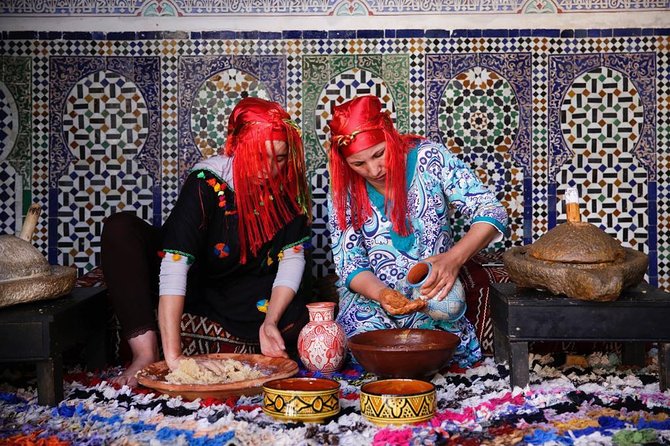
Once cooking and tasting are underway, you get a Moroccan tea ceremony. This is not filler. It slows things down just enough that you can taste with attention.
Moroccan tea culture is also a lesson in hospitality. The way it is served, the pace, and the moment it arrives all reinforce how Moroccan meals are social and layered. In other words, it is teaching you how people experience food, not just what goes into it.
Then, you eat the dishes you prepared. The plan is to enjoy them on the terrace, where the atmosphere helps you notice flavors you might miss indoors. If you are food-minded, you will likely find yourself thinking in “ingredients” again, not just “cuisine.”
Tastings and Moroccan wines: optional, but the pairing makes sense
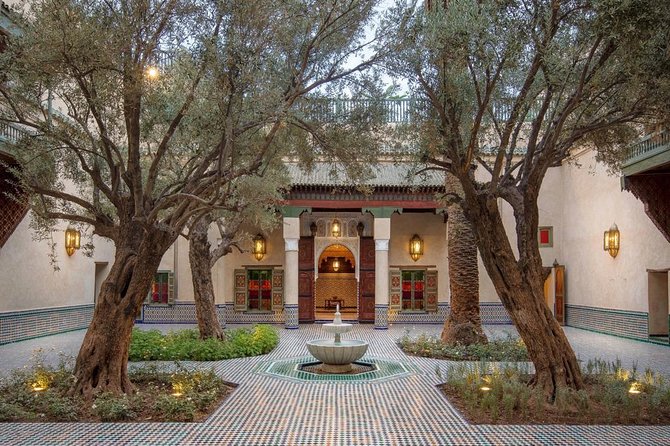
After the tea ceremony, there is a tasting of the prepared dishes. The experience also includes a discovery of Moroccan wines as an optional add-on.
Even if you skip alcohol, the tasting section is still the moment that ties everything together. The reason tastings work in cooking classes is simple: you turn cooking technique into your own palate memory. You can then recreate the dish with more confidence later.
If you do choose the wine pairing, keep it practical. You do not need to become a wine critic. Just notice which flavors feel smoother, which aromas stand out, and how the beverage changes your perception of spice and sweetness.
The museum visit: context for tajines, couscous, and bread
After the cooking portion, you continue by visiting the museum of Moroccan culinary art. This is a smart pairing. Cooking teaches technique, but museums help you understand why those techniques exist.
The museum experience is designed for clear exploration. You will find information about Moroccan food and cooking methods, plus visuals that help you connect ingredients to processes. Since the museum is inside a beautifully restored riad, it also feels like part of Marrakech history, not a generic exhibit box.
One thing I like about adding the museum is that it helps you keep the details straight. Moroccan cuisine has a reputation for being complex, but once you see how the systems relate (spices, bread, stews, grains), it becomes easier to remember. It also helps if you are trying to place what you ate later while you wander Marrakech.
Price and value: what $69.79 covers in real terms
At $69.79 per person for about 2 hours, this is one of those deals that only makes sense if you pay attention to what is included.
What you get included is practical:
- Bottled water
- Lunch
- Coffee and/or tea
On top of that, you get instruction, bread-making demonstration, visits related to ingredients, and a museum visit. The value comes from the combination: you are not only cooking, you are also learning the ingredient story and seeing food culture explained in a real setting.
What is not included is alcoholic beverages. Moroccan wine may be optional during tastings, so factor that into your personal budget if you plan to add it.
If you are deciding between a cooking class and a museum, I think this one earns its keep because it does both. You will get the sensory payoff of making food, plus the mental clarity of understanding it.
Timing and group size: why the pacing feels workable
The experience is about 2 hours. That is short enough that you can fit it into a busy Marrakech day, yet long enough to include bread, cooking, tea, and eating.
The maximum group size is 34, and that matters more than you might think. In a kitchen, the limiting factor is not the room. It is how many people need hands-on time while staff keep everything moving. A class capped this way usually feels more organized and less rushed.
Still, do not plan to fit a second “must-do” right afterward without a buffer. You will want time to digest (literally) after lunch.
Who should book this cooking class in Marrakech
This is a great match if:
- You like cooking classes that teach technique, not just the story of food
- You want to learn about spices, bread, and Moroccan staples like tajines and couscous
- You would rather spend your time in a riad setting than in a high-traffic kitchen show
- You care about context, so a museum visit after cooking sounds appealing
It might be less ideal if you want a long deep course. Two hours is a taste of the craft, not a full culinary certification.
Quick advice before you go
- Come with an appetite. You will make food, then eat it, plus lunch is included.
- If you care about language, confirm whether your session is in French or English. The interpreter approach is part of how the class runs.
- If you drink coffee and tea are included, but alcohol is not, plan accordingly if you want wine with your meal.
- Wear comfortable shoes, because you will visit places connected to the bread oven and spices.
Should you book? My honest take
I would book this if your goal is to leave Marrakech with more than memories of good food. The best reason to go is the combo of hands-on cooking, ingredient context through the bread oven and herbalist visit, and then a museum that helps you make sense of what you tasted and learned.
If you are unsure between doing just a museum or just a cooking class, this pairing is a strong value. It is structured, short, and built for learning, not lingering.
FAQ
How long is the Moroccan culinary experience?
It is approximately 2 hours.
Where does the tour start and end?
It starts at the Moroccan Culinary Arts Museum, Rue Riad Zitoun el Jdid, Marrakesh 40000, Morocco, and ends back at the same meeting point.
What languages is the introduction provided in?
You get a reception and introduction by a French or English interpreter.
What is included in the price?
Included are bottled water, lunch, and coffee and/or tea.
Are alcoholic beverages included?
No. Alcoholic beverages are not included, though Moroccan wines are mentioned as an optional addition during tastings.
Is there a cancellation window for a full refund?
Yes. You can cancel up to 24 hours in advance for a full refund.
Latest additions near Morocco
- Private Gastronomic Experience in Chefchaouen.★ 5.0 · 15 reviews
- One Way Shared Transfer from Chefchaouen to Fes★ 5.0 · 10 reviews
- Explore chefchaouen like a local★ 5.0 · 122 reviews
- Moroccan Cooking Class with a Local Family & Market Visit★ 5.0 · 16 reviews
- 3-Hour Cooking Class overlooking the Blue City★ 5.0 · 36 reviews
- Excursion to the waterfalls / God’s Bridge of Akchour★ 5.0 · 38 reviews
- explore AKCHOUR like a local★ 4.5 · 12 reviews
- Chefchaouen Private Cooking Class with Mountain View★ 5.0 · 16 reviews
Historical Tours, compared.
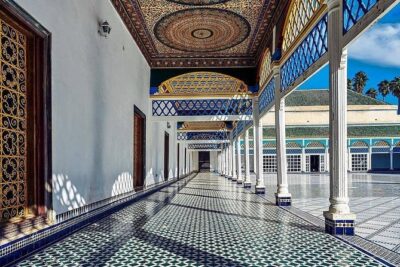
Marrakech Historical and Cultural Tour – Half Day City Tour
Read our review →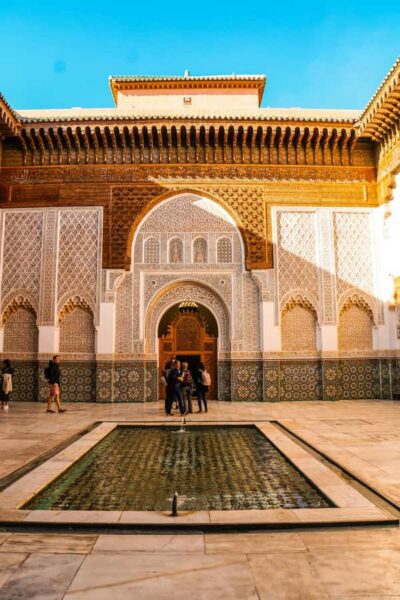
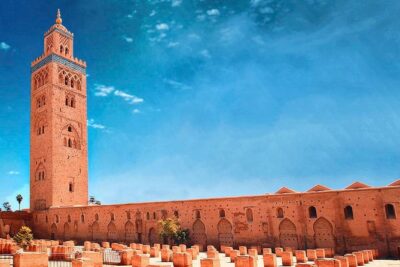

Casablanca Cultural Tour: Medina, Views & Local Delights
Read our review →
Casablanca to Fez: Scenic & Historical Day Trip with Lunch
Read our review →
A Guided Walking Tour Through the Historic Medina
Read our review →
Browse the lists this tour appears in