
Reviewed · CAMEL RIDES
From Marrakech: 3-Day Marzouga Desert Tour with Camel Ride
A desert trip sounds simple, until you picture Morocco changing colors day by day. I like how this route strings together UNESCO Ait Benhaddou, the Atlas Mountains pass at Tizi n’Tichka, and the Erg Chebbi dunes for a camel ride and sunset. My favorite part is that you get the big hits without feeling stuck only in one place, yet one drawback is the long driving days can be tiring if your comfort depends on strong A/C.
I also like the human side built into the itinerary, from mint tea in Merzouga’s desert camp to Berber dinner around a fire. And you do not just see dunes, you also get sunrise from the top of the Great Dune, which is when the desert feels most real. One practical consideration: lunches and drinks are not included, and a couple people noted extra costs or surprises at certain stops, so budget a bit for meals and small add-ons.
In This Review
- Key highlights I’d prioritize
- Marrakech to Merzouga in 3 days: what this tour really delivers
- Leaving Marrakech: Atlas pass day with Tizi n’Tichka and desert-edge scenery
- Ait Benhaddou UNESCO: the kasbah that looks like it belongs to a movie set
- Ouarzazate and Kasbah Taourirte: why “the gate of the desert” matters
- Dades Gorges and the Rose Valley stop: where you sleep, and how you stretch your legs
- Todra Gorges and the palm oasis: the rock-climber view with a pause for nature
- Erfoud and black marble fossils: a quick culture-and-geology stop
- Merzouga camp night: mint tea, sunset camel ride, and dinner by fire
- Great Dune sunrise: the moment that makes the whole schedule worth it
- Return to Marrakech: long road, manageable breaks, and a final reality check
- Price and value: how $6 can still feel fair, and where you’ll spend extra
- Guides and on-the-ground service: the difference between a trip and a story
- Who this tour suits best, and who should reconsider
- Should you book this Marrakech to Merzouga desert tour?
- FAQ
- How long is the tour?
- Where does pickup and drop-off happen?
- What’s included in the price?
- What is not included?
- Do I get a camel ride in the desert?
- Is there a sunrise moment?
- What desert area is visited?
- What language will the driver speak?
- Do you visit Ait Benhaddou and Todra Gorges?
- What time is breakfast and dinner like during the camp night?
Key highlights I’d prioritize
- Tizi n’Tichka views on the way out of Marrakech, with quick stops for photos
- Ait Benhaddou UNESCO with a local guide, plus time to explore at your own pace
- Todra Gorges and Todra Oasis, where rock climbers make the scenery extra alive
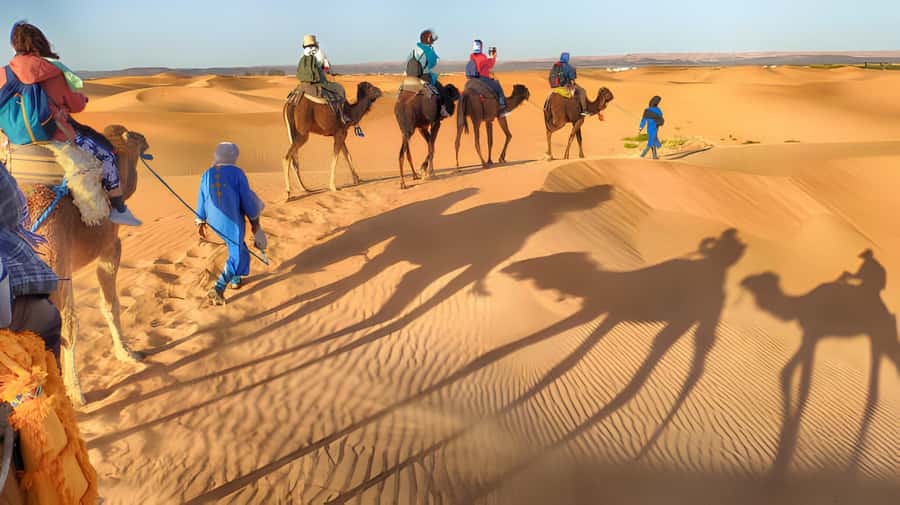
- Erg Chebbi dunes sunset and campfire dinner, with mint tea before the camel ride
- Great Dune sunrise so you get more than one “pretty” desert moment
- Driver support praised by name, including Ayoub and Mohammed in the comments
Marrakech to Merzouga in 3 days: what this tour really delivers
This trip is built for people who want Morocco’s variety in a short time. You roll from Marrakech into mountain roads, then across to the pre-Sahara zones, and finally into Merzouga’s Erg Chebbi dunes. You also get two nights included, so you’re not just doing a day trip and turning around.
The value is strongest if you want guidance between places and you do not want to plan each transfer yourself. At $6 per person, you’re clearly getting the “transport plus nights plus camel ride” core, but you still need to budget separately for lunches and drinks. The other thing to know is that the route moves at a road-trip pace, so you’ll be in the van a lot.
More Camel Rides in Marrakech
- Marrakech: Agafay Desert Sunset, Camel Ride, and Dinner Show
★ 4.6 · 35,119 reviews - Marrakech: Agafay Desert Quad & Camel Rides with Dinner Show
★ 4.8 · 27,382 reviews - Marrakech: Agafay Desert Quad & Camel Rides with Dinner Show
★ 4.9 · 10,771 reviews
Leaving Marrakech: Atlas pass day with Tizi n’Tichka and desert-edge scenery
Your day starts with pickup in Marrakech, then it’s straight into the mountain corridor. The highlight early on is Tizi n’Tichka, described as the highest pass in North Africa, with breathtaking Atlas views you can photograph during a stop. Even if you’ve seen mountain scenery before, this stretch has a “switch flips” feeling, from greener valleys to drier, harsher terrain.
You’ll also stop along the way for short photo breaks, so don’t expect a long walk at every point. The upside is that you’re always moving toward the next major view, not getting stuck in transit.
Practical tip: bring a light layer for the road even in warmer months. Mornings and higher elevations can feel chilly once you factor in time in the air-conditioned vehicle.
Ait Benhaddou UNESCO: the kasbah that looks like it belongs to a movie set
A big reason people do this trip is Ait Benhaddou, a UNESCO World Heritage site. You get a visit with a local guide, which matters because these kasbahs are layered, not random piles of mud buildings. You’ll also have time to explore, and there’s a lunch option overlooking the kasbah that you pay separately.
One of the best parts here is pacing: you’re not rushed through a quick photo stop only. You get guided context and time on site, so you can actually understand what you’re looking at.
Note on value: local guides are listed as not included in the broader inclusions. That said, the Ait Benhaddou visit is described as guided, so it’s worth confirming what’s covered if you’re comparing packages. If you do end up paying extra anywhere, it’s usually tied to meal choices or on-the-spot guide add-ons.
Ouarzazate and Kasbah Taourirte: why “the gate of the desert” matters
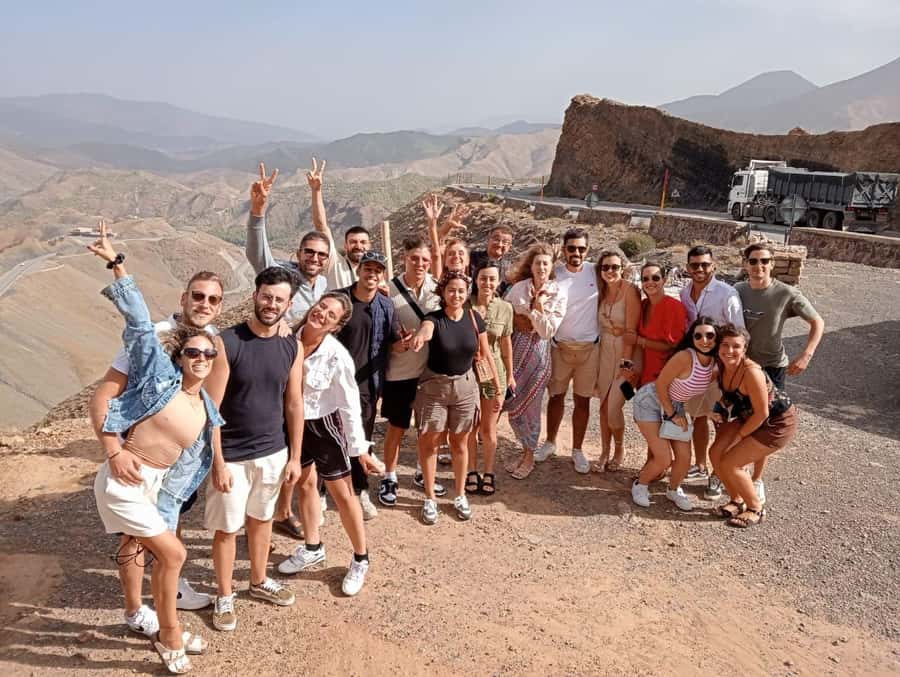
After Ait Benhaddou, you drive toward Ouarzazate, often called the gate of the desert. This is the kind of stop that works even for non-history buffs because it’s about how Morocco’s geography shapes culture and building styles. You’ll also have a chance to see Kasbah Taourirte, another UNESCO World Heritage site.
There’s an optional stop at the cinema studios, which is there if you want a quick break from architecture and scenery. If you’re more into crafts and daily life, you may prefer spending your time walking the kasbah zone, but you get to choose based on your interests.
Small drawback to be aware of: some people noted one guide at a stop acted poorly and tried to push extra money. That’s not the whole trip, but it’s a reminder to stay clear and calm if someone asks for additional payments. If something feels off, ask what the cost is for before saying yes.
More camel treks in Marrakech:
- Marrakech: Agafay Desert Quad, Camel Ride & Dinner Show
★ 4.7 · 10,209 reviews - Marrakesh: Desert & Mountain Tour with Camel Ride & Lunch
★ 4.8 · 7,513 reviews - Marrakech: 3-Day Merzouga Desert Experience Camel & Meals
★ 4.6 · 6,252 reviews - Marrakech: Agafay Desert Dinner Show with Quad Bike & Camel
★ 4.9 · 5,058 reviews
Dades Gorges and the Rose Valley stop: where you sleep, and how you stretch your legs
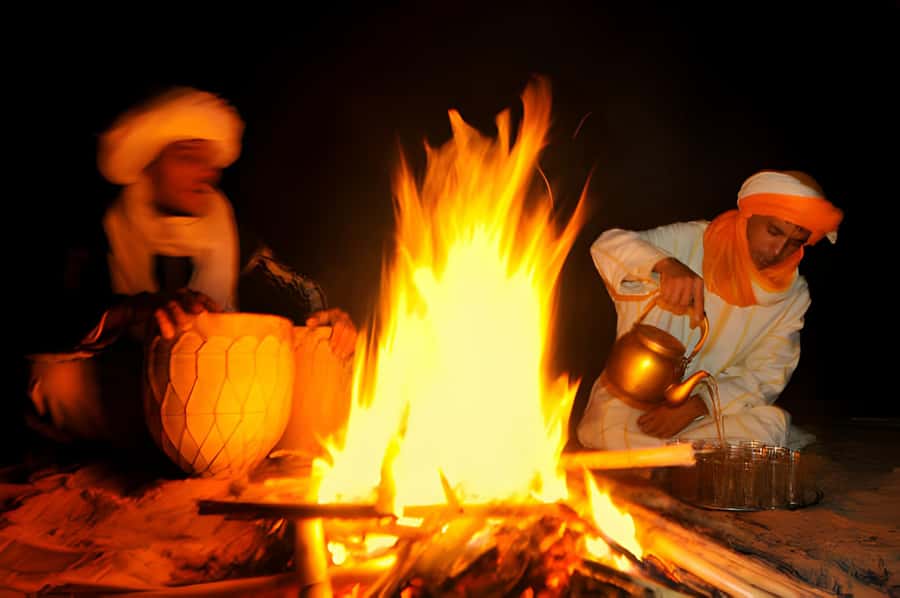
Day 1 finishes in the Dades area, with time for a stop at Rose Valley and a quick look at a rose water cooperative. This is a nice change of pace from kasbahs and stone gorges, since rose water production is tied to local agriculture and seasonality.
You’ll then continue on to Dadès Gorges for a break and photo stop, and your overnight is in a local hotel or riad. The important practical point: you’re positioning yourself closer to Todra Gorges for day two, so this night keeps the schedule efficient.
Packing reminder: if you’re planning to do sunrise next day, keep your warm layer accessible. Desert nights can cool down fast.
Todra Gorges and the palm oasis: the rock-climber view with a pause for nature
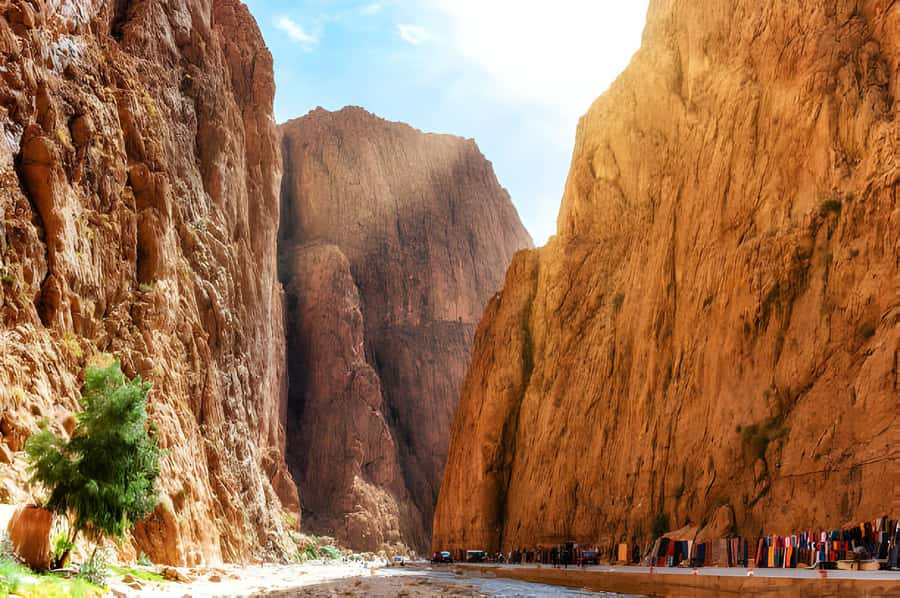
After breakfast, you head to Todra Gorges, a favorite spot for rock climbers. The gorges feel dramatic because of how close the walls rise, and you can watch climbers on the rocks if timing works. You’ll also visit the Todra Oasis, where palms soften the geology and give the area a livelier mood.
This day is also about passing through the “in-between” zones on the way to the Sahara. You travel along ancient caravan routes, passing fortified villages with pre-Saharan architecture. It helps you understand this region as a corridor, not just a destination.
What I like about this segment: it prevents the trip from being only one big “camel and dunes” story. You get cliffs, water, palms, and then the shift toward sand.
Erfoud and black marble fossils: a quick culture-and-geology stop
Next comes Erfoud, a city built by the French as an administration hub. You may also see its connection to black marble fossils, which ties the area to long-ago marine life rather than only deserts and stones.
This stop is not the “main event,” but it adds contrast. And for people who like learning one concrete fact per stop, the fossil marble connection gives you something tangible to remember.
How to make it work: treat this as a short break, not a deep museum day. If you’re tired from earlier drives, it’s still worth paying attention because it’s different from the kasbah and gorge scenes.
Merzouga camp night: mint tea, sunset camel ride, and dinner by fire
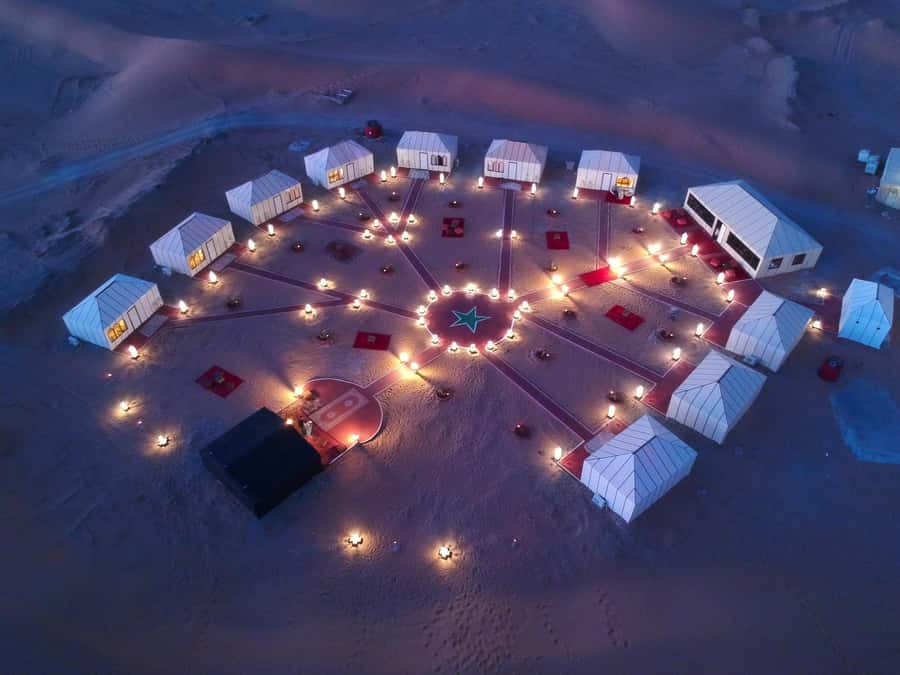
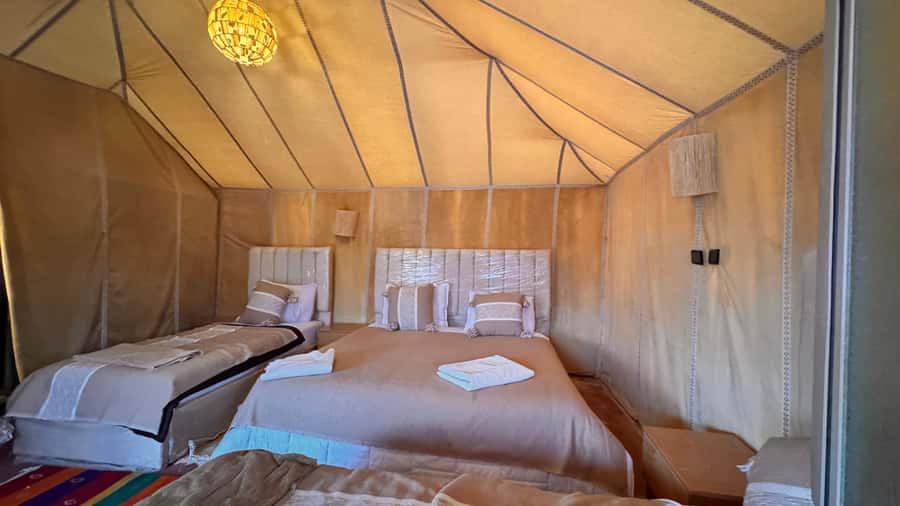
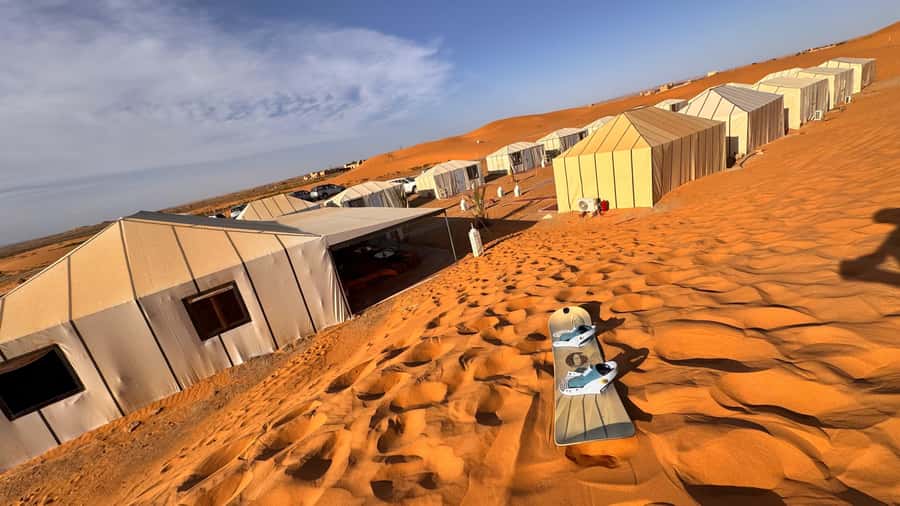
When you reach the dunes of Erg Chebbi Desert, the mood changes quickly. You arrive at a Berber camp where you sip traditional mint tea. This tea moment is more than a drink, it’s the warm welcome ritual that resets you from road energy to desert time.
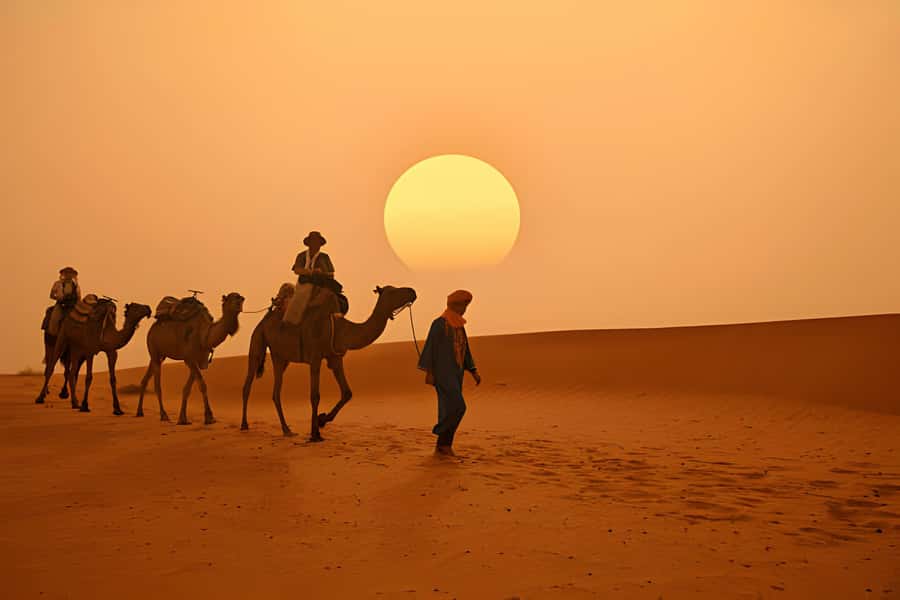
After that, you ride camels across golden dunes for sunset. Multiple guides were praised by name in the comments, including Hamir for the camel experience, and Said mentioned in connection with camp and camel driving. The camel ride is often the part people picture when they book this tour, and here it’s timed so you get color as the light drops.
Then you return to camp for dinner and spend the night under the stars. You can expect a relaxed evening gathered around the fire, which is one of the simplest ways to feel how remote the place is after the day’s traffic sounds fade.
Realistic note: one review pointed out that the camp is not deep in the desert, so you can sometimes see signs of civilization outside. That can sound like a downside, but it also means the camp experience is easier to access and usually more comfortable than the “lost in sand” fantasy.
Great Dune sunrise: the moment that makes the whole schedule worth it
Day two gives you sunset. Day three gives you sunrise from the top of the Great Dune, which is the moment most likely to stick in your memory. Waking early is a trade, but the payoff is the light shift, the quiet, and the feeling that the dunes extend longer than your brain wants to believe.
After sunrise, you return to camp for breakfast. Then you head back toward the meeting point: you can ride dromedary camels again (the tallest camel species), or you may travel by 4WD to meet your driver for the return trip to Marrakech.
Practical advice: sunrise is worth planning for sleep. Put your phone on low brightness and keep your warm layer for the dune. Even if you’re a “no photos in the cold” person, you’ll want at least a few shots when the colors change.
Return to Marrakech: long road, manageable breaks, and a final reality check
Driving back is a big chunk of day three. You’ll have lunch and toilet breaks along the way, with lunch optional and not included in the price. It’s not a short sprint, and if your body handles long van rides poorly, this is the day that tests it.
One review mentioned the A/C on the vehicle was not great during hotter hours, which is a reminder to dress for temperature shifts. If you’re prone to motion sickness, consider sitting where you feel the smoothest ride and pack what helps you stay comfortable.
My take on the schedule: the trade is simple. You are getting more “big sights” by accepting more driving.
Price and value: how $6 can still feel fair, and where you’ll spend extra
That $6 per person price is striking, and it’s only fair to analyze where the money goes. What’s included is the essential backbone: pickup and drop-off, air-conditioned transportation, professional driver, 2 nights, and camel ride.
What’s not included is where many travelers end up spending anyway: lunches and drinks, plus local guides in general. Even if some stops include guided time, meals are still your responsibility, and some areas may have optional paid add-ons.
So here’s how to judge value for yourself:
- If you want the transport and overnight base, and you’re okay paying for your meals, the price looks like a bargain.
- If you expect everything including all meals and every guided component, you should budget extra before you go.
- If you need comfort above all, factor in the van time and potential A/C weakness you might encounter.
Guides and on-the-ground service: the difference between a trip and a story
Service quality is a big factor in how desert tours feel, because it’s not just about where you go, it’s about how you move. The comments highlight that drivers and guides can make or break the experience, especially on long roads.
Names that came up with strong praise include Ayoub (for being caring and an excellent driver), Mohammed (knowledge and guidance), Ashraf (driving and hospitality), Yasinne (informative and on top of details), Abduhl (safety and comfort checks), and Ali (a fun road vibe). Even when the itinerary is fixed, these people influence how smooth the timing feels and how supported you feel at each stop.
What you should do: during pickup, ask the driver what time breakfast starts and what time you need to be ready for sunrise. Clear expectations make the early morning part feel less chaotic.
Who this tour suits best, and who should reconsider
This fits best if you want:
- A structured way to see Ait Benhaddou, Atlas scenery, Todra Gorges, and Merzouga dunes in a tight window
- A camp experience with camel riding and a real sunrise moment
- A mix of culture stops and nature, not just one type of sight
You might want to reconsider if:
- You hate long car days. Even with breaks, you will spend a lot of time in transit.
- You need strong, consistent climate control. One concern raised was A/C not performing well during hot stretches.
- You expect a very “deep desert” experience far from any human activity. The camp experience is tied to the edge of the dune zone, not total isolation.
Should you book this Marrakech to Merzouga desert tour?
If you want a classic Morocco sampler with UNESCO Ait Benhaddou, Todra’s drama, and a real Erg Chebbi dunes experience with sunrise, I’d say this is a smart booking. It’s especially good value because the big pieces are bundled: transport, two nights, and camel time.
Book it if you’re flexible on meals and you’re okay with paying for lunch and drinks on your own. And if you’re sensitive to comfort during long drives, plan for motion support and a warm layer for the early desert start. If those tradeoffs sound fine, you’ll come away with the kind of trip that turns into stories fast.
FAQ
How long is the tour?
It’s offered as a 1 to 3 day option, with this version described as a 3-day journey from Marrakech to Merzouga.
Where does pickup and drop-off happen?
Pickup and drop-off are in Marrakech, and if you’re staying in the old Medina, you may be picked up from the nearest accessible point.
What’s included in the price?
Included items are pickup and drop-off, air-conditioned transportation, a professional driver, 2 nights, and the camel ride.
What is not included?
Lunches and drinks are not included, and local guides are listed as not included.
Do I get a camel ride in the desert?
Yes. You’ll ride camels through the golden dunes in Merzouga (and you can also ride camels again on day 3, depending on how the return is handled).
Is there a sunrise moment?
Yes. You get up early to watch the Sahara sunrise from the top of the Great Dune.
What desert area is visited?
The dunes are in Merzouga, specifically the Erg Chebbi Desert area.
What language will the driver speak?
The driver is listed as speaking English, French, Arabic, German, and Spanish.
Do you visit Ait Benhaddou and Todra Gorges?
Yes. The trip includes a visit to Ait Benhaddou and later Todra Gorges, along with Todra Oasis.
What time is breakfast and dinner like during the camp night?
In Merzouga, you’ll have mint tea on arrival at the camp, dinner at the camp the first desert night, and breakfast after sunrise on day 3.
More Day Trips out of Marrakech
- From Marrakech: Ouzoud Waterfalls Guided Hike and Boat Trip
★ 4.7 · 33,630 reviews - From Marrakech: 3-Day Merzouga and Sahara Desert Tour
★ 4.9 · 15,308 reviews - From Marrakech: Merzouga 3-Day Desert Safari with Food
★ 4.7 · 12,232 reviews - From Marrakech: Ouzoud Waterfalls Guided Trip with Boat Ride
★ 4.9 · 10,915 reviews
Latest additions near Marrakech
- Three valleys, Atlas Mountain, waterfalls & Agafay Desert★ 5.0 · 13 reviews
- Marrakech: Tailor-Made City Tour With Your Own Private Guide★ 4.9 · 236 reviews
- Essaouira: Surf Trip from Marrakech★ 4.9 · 31 reviews
- Surf Training and Lunch on Essaouira Day Trip from Marrakech★ 4.9 · 51 reviews
- Marrakech palm grove: Sunset camel ride★ 4.8 · 194 reviews
- Marrakech: Cycling Tour in Palm Groove with Local Breakfast★ 4.7 · 73 reviews
- Marrakech: Sunrise Desert Tour with Camel Ride and Breakfast★ 4.4 · 36 reviews
- Marrakech : Agafay Desert Sunset Camel Ride & Luxury Dinner★ 4.3 · 39 reviews
Camel Rides, compared.
Agafay Desert Sunset, Camel Ride, and Dinner Show
Read our review →
Agafay Desert Quad & Camel Rides with Dinner Show
Read our review →Agafay Desert Quad & Camel Rides with Dinner Show
Read our review →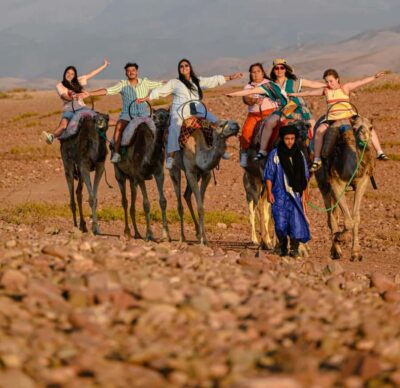
Agafay Desert Quad, Camel Ride & Dinner Show
Read our review →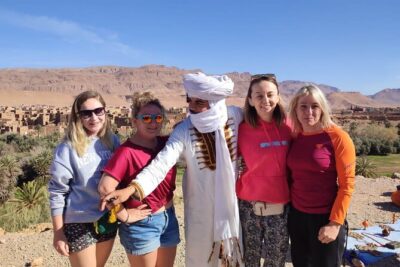
3 Days Desert Tour From Marrakech To Merzouga Dunes & Camel Trek
Read our review →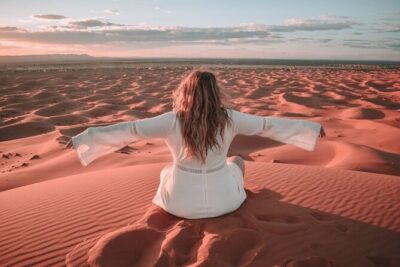
3-Day Marrakech to Merzouga Desert Tour: Camel Rides & Overnights
Read our review →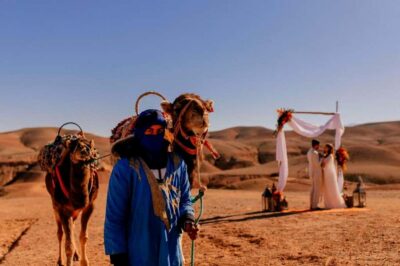
Desert & Mountain Tour with Camel Ride & Lunch
Read our review →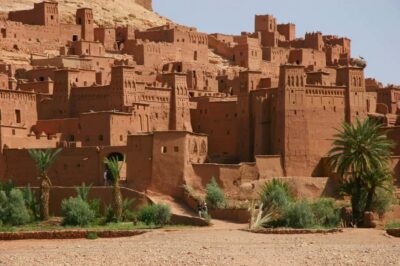
3-Day Merzouga Desert Experience Camel & Meals
Read our review →Browse the lists this tour appears in