
Reviewed · SAHARA DESERT TOURS TO MERZOUGA
From Marrakech: 3-Day Merzouga and Sahara Desert Tour
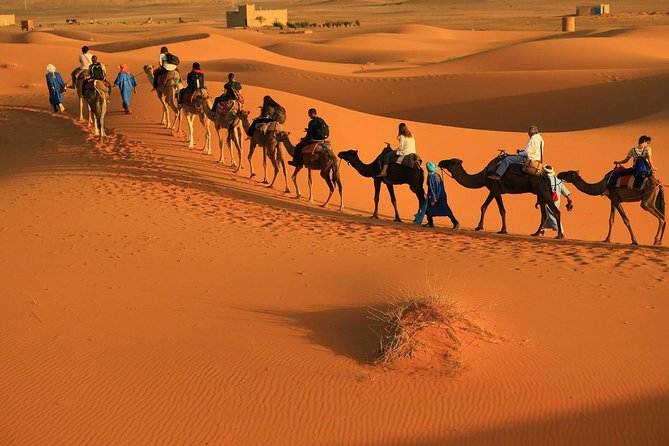
Sahara sunrise after an Atlas pass. This 3-day loop from Marrakech strings together the big visual hits: UNESCO Ait Benhaddou, the High Atlas mountains, and then the Erg Chebbi dunes with a camel trek at sunset. You start early, around 8:00 am, with hotel pickup, and you end back in Marrakech near Jamaa Lafna.
I really like how the trip builds in “wow moments” without making the days feel pointless. On Day 1, you get far-reaching mountain views over Tichka Pass and time at Ait Benhaddou. On Day 2, the evening is built around a classic desert rhythm: a 1-hour camel trek, sunset from the dunes, sandboarding time, then live Saharan music by the campfire.
The main thing to consider is the road time. Day 3 is listed as a long return drive, about 10 hours, so if you easily get car-tired, plan for it mentally. Also, desert conditions can be dusty and windy, so expect some sand in camp as a normal part of the experience.
In This Review
- Key things to know before you go
- Marrakech to Merzouga: the 3-day rhythm (and the long drive reality)
- High Atlas views and Tichka Pass to Ait Benhaddou
- Ait Benhaddou: how to use your time at the UNESCO kasbah
- Tinghir and the Dades Valley roses: your reset night in the mountains
- Todra Gorge to Merzouga: what the drive gives you on Day 2
- Into Erg Chebbi: camel trek, sunset summit, sandboarding, and campfire music
- Merzouga back to Marrakech via the Draa Valley arts museum
- Price and value: what you’re paying for, and what to budget
- Who should book this tour, and who should think twice
- Should you book this 3-day Merzouga and Sahara Desert tour?
- FAQ
- What time does the tour start in Marrakech?
- Where do you get dropped off after the tour?
- How long is the Marrakech to Merzouga tour?
- What kind of lodging is included?
- Are meals included in the price?
- Is the camel ride included, and how long is it?
- Do you get time for sunset, sunrise, and sandboarding?
- How big is the group?
- Can I cancel and get a full refund?
Key things to know before you go
- Ait Benhaddou UNESCO stop with an optional small guide fee to help you understand what you’re seeing
- High Atlas driving over Tichka Pass, plus scenic breaks through mountain valleys
- Todra Gorge on the way to Merzouga, with lunch in Berber villages en route
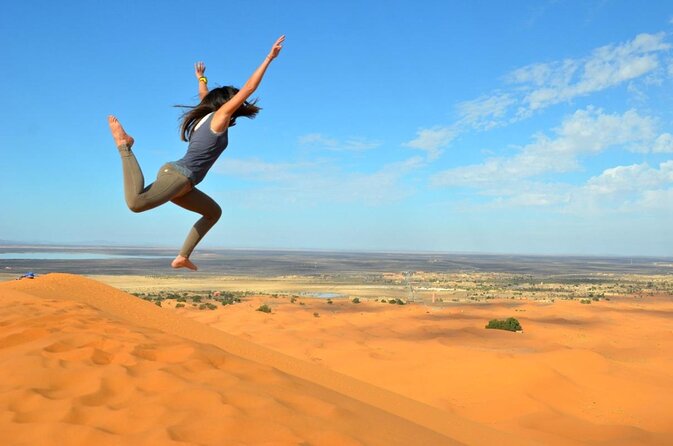
- Camel trekking and dune time focused on sunset, plus time for sandboarding
- Overnight setup is split: a standard hotel night, then a standard desert camp tent in Merzouga
- Group size is capped at 16, so it’s not a massive bus tour
Marrakech to Merzouga: the 3-day rhythm (and the long drive reality)
This tour is built like a highlight circuit. You’re picked up from your accommodation in Marrakech around 8:00 am, then you’ll spend the next three days moving through a lot of geography, from mountains to valleys to sand dunes. You’re traveling in an air-conditioned vehicle the whole way, which matters when you’re covering serious distance.
The group stays small, with a maximum of 16 people. That helps with logistics like loading/unloading luggage for the camel trek and getting everyone to the right places at the right time.
The tradeoff is that you should treat this as a “see a lot, move a lot” itinerary. Day 3, in particular, is a long haul back to Marrakech, listed at around 10 hours of driving, with arrival around early evening. If your ideal trip is slow and flexible, this one will feel more like a packed road trip with major stops.
More Merzouga desert circuits:
- From Marrakech: 3-Day Merzouga and Sahara Desert Tour
★ 4.9 · 15,308 reviews - From Marrakech: Merzouga 3-Day Desert Safari with Food
★ 4.7 · 12,232 reviews - 3 Days Desert Tour From Marrakech To Merzouga Dunes & Camel Trek
★ 5.0 · 10,125 reviews
High Atlas views and Tichka Pass to Ait Benhaddou
Day 1 starts with a classic Morocco mountain day. After meeting you at 8:00 am, you’ll travel over the High Atlas and through Tichka Pass, known for big viewpoints and dramatic curves. Even if you just want photos, the driving itself gives you those long-distance mountain panoramas where the layers of peaks keep unfolding.
You also pass through areas linked with Berber rural life. There’s an optional stop at an Argan oil co-operative, which can be a helpful way to connect what you see later with how locals make a living. If you’re the type who likes to understand a region beyond the photo stops, that optional Argan visit is worth considering.
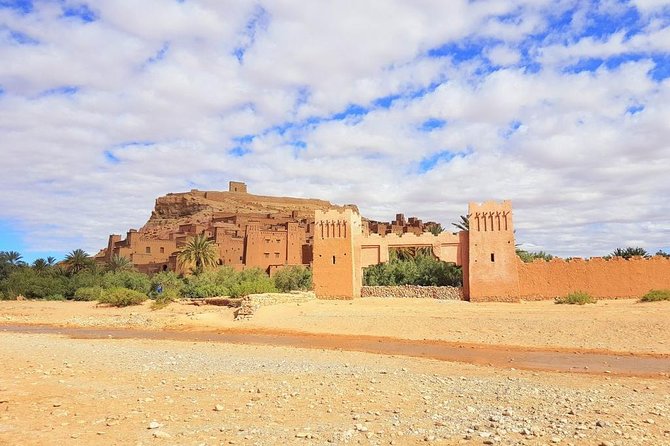
Then comes Ait Benhaddou, the UNESCO Kasbah you’re aiming for. This is not a “quick photo and leave” kind of place. You get lunch close to the kasbah and then time to tour the UNESCO site itself, with an optional local guide add-on mentioned in the info.
Ait Benhaddou: how to use your time at the UNESCO kasbah
Ait Benhaddou is one of those places where a guide changes the whole experience. The information you’re given notes that you might need a guide in Ait Benhaddou to explain the kasbah and the Berber communities living in and around it. If your group includes someone who can interpret the story behind the architecture and daily life, it helps you move from guessing to understanding.
You’ll also see why this kasbah is famous. It’s a compact, fortified settlement, and the walls and alleys feel like they were designed for defense and community life at the same time. The best way to enjoy it is to slow down for a bit inside, then step out to take in the views across the surrounding hills.
There’s an optional guided tour fee mentioned in the info (2 euros per person is one figure, and 3 euros per person is also referenced). Either way, think of it as a low-cost upgrade if you want context rather than just scenery.
Tinghir and the Dades Valley roses: your reset night in the mountains
After Ait Benhaddou, the route continues toward Tinghir. You’ll travel through the rose-related areas and the Dades Valley, moving from kasbah viewpoints back into a more lived-in patchwork of valleys and settlements. It’s a nice shift in mood after the UNESCO site.
By late in the day, you’ll check into a standard hotel in Tinghir (or sometimes Dades, depending on the setup). The exact hotel details aren’t described, but “standard” here is your signal: you’re not paying for luxury tonight. You are paying for a bed, a shower, and a break before the desert night.
This is a good moment to mentally recharge. Day 2 has the camel trek and the dunes, which can be surprisingly tiring even when you’re excited. If you want to be comfortable, use this night to get your desert clothes ready, charge your phone, and set yourself up for an early start on the next day’s adventure.
More day trips out of Marrakech:
- From Marrakech: Ouzoud Waterfalls Guided Hike and Boat Trip
★ 4.7 · 33,630 reviews - Berber villages : Atlas Mountains Day Hike from Marrakech
★ 5.0 · 14,007 reviews - From Marrakech: Ouzoud Waterfalls Guided Trip with Boat Ride
★ 4.9 · 10,915 reviews - From Marrakech: Day Trip to Ouarzazate and Ait Benhaddou
★ 4.7 · 9,447 reviews
Todra Gorge to Merzouga: what the drive gives you on Day 2
Day 2 begins after breakfast, with another road section that transitions you toward the desert. You’ll travel back to the road and pass through the Todra Gorge. Even without extra hiking details, gorge stops are usually valuable because the scenery tightens, cliffs rise, and you get a feel for how water shaped these valleys.
Lunch is planned in Berber villages along the way. The info describes Berber villages scattered along the route, which means you’re not just driving through empty stretches. You’ll arrive in Merzouga around early to mid-afternoon, giving you a window to settle before the camel trek.
This is also when luggage strategy comes into play. You’ll have a few minutes to relax, then move your luggage into a smaller bag for the desert camp part of the journey. That small logistics step is worth paying attention to. If you bring a lot of stuff, keep your daily essentials light so you’re not hunting for them later.
Into Erg Chebbi: camel trek, sunset summit, sandboarding, and campfire music
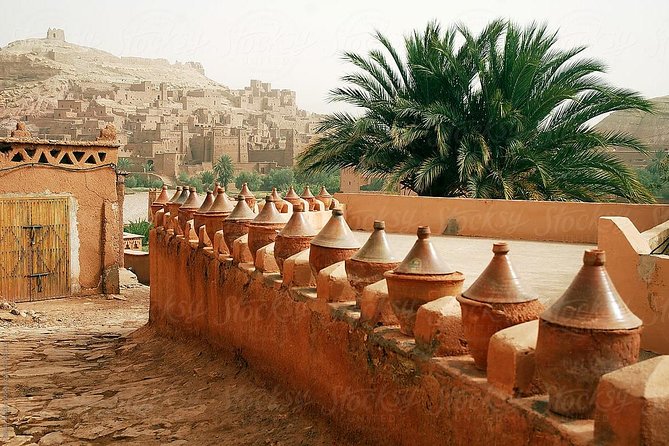
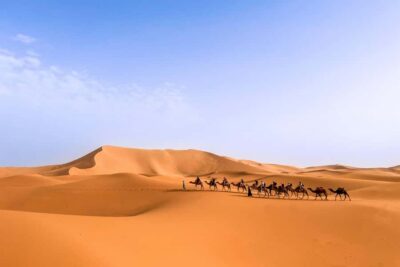
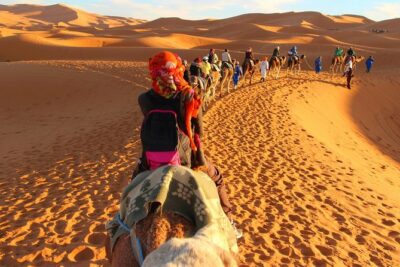
This is the heart of the tour. After meeting your camel and guides in the late afternoon, you’ll do an approximately 1-hour camel trek into the desert camp for sunset. The info also notes an adventure crossing the Erg Chebbi sand dunes, so you’re not just moving from point A to point B. You’re experiencing the scale of the dunes as the light starts to change.
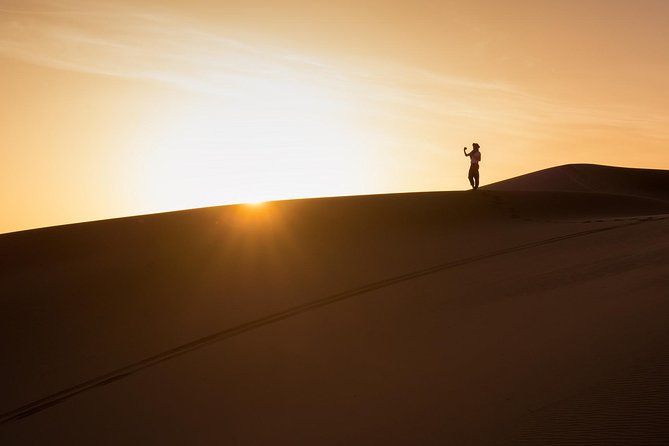
The evening plan is classic for this region: view sunset from the summit of a large dune, then leave the camels and walk to the highest sand dunes for sandboarding time. If you like simple, hands-on activities, this is the part that makes the desert feel real instead of distant.
And you’re not just out there for visuals. The plan includes traditional live Saharan music around a campfire as you enjoy dinner. That blend of food, sound, and starry desert air is what makes people remember this part long after the bus drive is forgotten.
One practical note from a past experience shared with the tour provider: when desert weather is windy, sand can end up inside the camp tents. It’s not a huge surprise if you’ve been around deserts, but it’s a good reason to bring something simple like a small towel or wipes for comfort.
Merzouga back to Marrakech via the Draa Valley arts museum
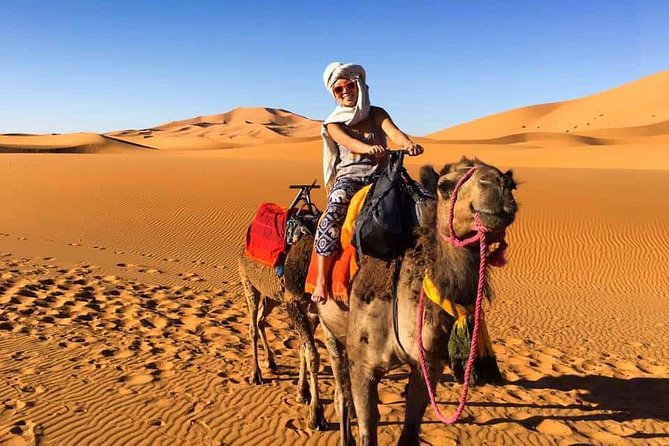
Day 3 is your return day, and it’s the one with the long driving window. You have an optional early sunrise dune climb, then you depart the camp after breakfast and shower. That shower step matters more than it sounds, because you’ll want to reset after sand day.
From there, you’ll ride back to the edge of the dunes, then start the long journey toward Marrakech. The info mentions remote mountain village landscapes along the way, which keeps the day from being only road. You also stop at Musée des Arts et Traditions de la Vallee de Draa on the way back. Even if you’re not a museum person, a cultural stop like that can give you a sense of how people in this broader region understand crafts and traditions.
You should plan for arrival in Marrakech around early evening, then the goodbye moment and drop-off near Jamaa Lafna square. It’s a satisfying end to a trip like this, because Jamaa Lafna is a central, easy-to-navigate landmark.
Price and value: what you’re paying for, and what to budget
The price listed is $174.22 per person for the 3-day experience. For that, you get pickup and drop-off in Marrakech, air-conditioned transport, one overnight in a standard hotel in Tinghir (or Dades), and a standard tent in Merzouga. You also get meals mapped into the schedule: breakfasts (3) and dinners (2).
You’re also covered for the core desert transport element, with one camel per person for the trek. That’s a real convenience. Planning camel logistics yourself, adding desert camp coordination, and timing it for sunset is the kind of headache this tour saves you from.
What’s not included is just as important. Lunches and drinks are not included, so you’ll want to budget for midday meals on Days 1 and 2 and any drinks during drives. The info also calls out an optional guide fee in Ait Benhaddou, listed as 2 euros per person (and the itinerary text also mentions 3 euros per person for an optional UNESCO kasbah tour). Either way, expect a small add-on if you want deeper explanation.
Think of the value like this: you’re paying to convert a complicated region into a ready-made itinerary with lodging and key activities timed together, including sunrise and sunset dune exploration.
Who should book this tour, and who should think twice
I’d put this tour at the top of the list if you’re visiting Morocco for the first time and want the big names in a short window. It’s also a great match if you like the idea of camel trekking in the desert with a camp dinner and live music, and you don’t want to spend days organizing transport and stops.
It’s especially good if you enjoy structure. The itinerary includes Ait Benhaddou, the Dades and rose valley route, Todra Gorge, Merzouga arrival timing, then a desert evening built around sunset and photos. If you’re a “tell me the plan and I’ll enjoy it” type, this works.
Think twice if you hate long road days. Day 3 is listed at around 10 hours of driving, and that’s a lot in one stretch. Also, if your main goal is total independence, remember that a maximum group size is still a group, with fixed departure moments.
Finally, keep expectations flexible about camp conditions. The information shared indicates sand can get into camp tents when the desert is windy. That’s not a deal-breaker, but it’s better to know in advance so you can pack small comfort items.
Should you book this 3-day Merzouga and Sahara Desert tour?
If you want High Atlas views, a UNESCO kasbah visit, and a properly timed Erg Chebbi desert evening, this is a strong deal for the price. The combination of standard hotel comfort plus a desert tent night, plus included dinners and breakfasts, means you’re not juggling too many moving parts.
I’d book it if you can handle long drives and you’re okay with optional add-ons like a local guide at Ait Benhaddou. If you’re sensitive to dust or you need a spotless camp setup, bring a few simple comfort tools and remember desert weather is part of the deal.
FAQ
What time does the tour start in Marrakech?
The tour meets you around 8:00 am in Marrakech for pickup from your accommodation.
Where do you get dropped off after the tour?
You return to Marrakech and get dropped off near Jamaa Lafna square, around early evening on Day 3.
How long is the Marrakech to Merzouga tour?
The tour runs for 3 days, with an approximate schedule that includes a long return drive on the final day.
What kind of lodging is included?
You have an overnight stay in a standard hotel in Tinghir (or Dades) and an overnight in a standard tent at the Merzouga desert camp.
Are meals included in the price?
Breakfast is included for 3 days, and dinner is included for 2 nights. Lunches and drinks are not included.
Is the camel ride included, and how long is it?
Yes, a camel ride is included, with one camel per person. The desert trek is about 1 hour.
Do you get time for sunset, sunrise, and sandboarding?
You’ll have sunset dune time with camel trek into camp, and the info also includes an optional early sunrise climb of dunes. Sandboarding time is included during the dune walk at the highest sand dunes.
How big is the group?
The maximum group size is 16 travelers.
Can I cancel and get a full refund?
Yes. Free cancellation is offered up to 24 hours in advance of the experience’s start time for a full refund.
Latest additions near Marrakech
- From Marrakech: 3-Day, 2-Night Merzouga Dunes Desert Trip★ 5.0 · 73 reviews
- Zagora M’hamid, 3 Days Tour to Erg Chigaga Desert from Marrakech★ 4.5 · 15 reviews
- Private Tour in Marrakech By Tuk Tuk★ 5.0 · 127 reviews
- Private Walking Tour in Marrakech★ 5.0 · 32 reviews
- Toubkal trek – 2 days★ 5.0 · 90 reviews
- Toubkal ascent in two days, private trip★ 5.0 · 16 reviews
- Toubkal Trekking 2 Days★ 5.0 · 98 reviews
- 2 Day Private Tour to Toubkal Summit from Imlil★ 5.0 · 39 reviews
Sahara Desert Tours to Merzouga, compared.
3 Days Desert Tour From Marrakech To Merzouga Dunes & Camel Trek
Read our review →
3-Day Marrakech to Merzouga Desert Tour: Camel Rides & Overnights
Read our review →
3-Day Marrakech to Fes Sahara Desert Tour via Merzouga
Read our review →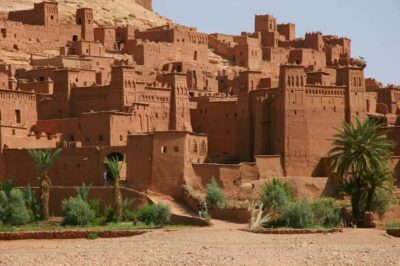
3-Day Merzouga Desert Experience Camel & Meals
Read our review →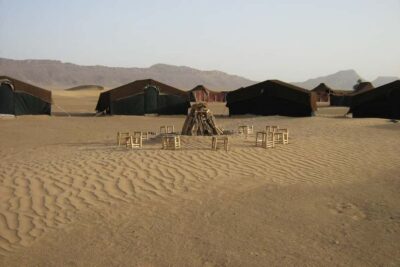
3-Day Tour to Merzouga Erg Chebbi with Food & Camel Trek
Read our review →Browse the lists this tour appears in