
Reviewed · ATLAS MOUNTAINS DAY TRIPS
From Marrakech: 3-Day Mount Toubkal Climbing Trek
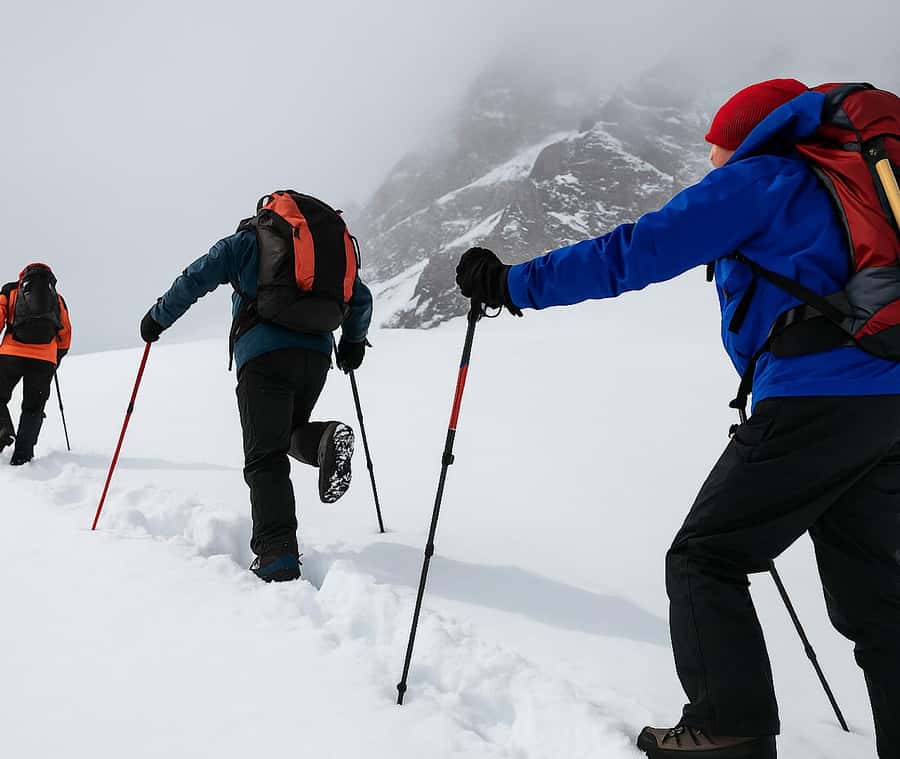
Mount Toubkal gives you big mountain bragging rights. This 3-day trek from Marrakech climbs North Africa’s highest peak on a non-technical route, with acclimatization walks through Berber villages and dramatic Atlas views.
I especially like the way the plan spaces out the altitude challenge, then hits the summit with an early start. The guides, often named like Youssef and Mohamed in feedback, keep the pace steady so the group stays together.
You’ll also love the “real mountain day” rhythm: mule support for luggage, warm meals during long hiking stretches, and that stop at Tamsoult Waterfalls (a 100-meter drop). The main drawback is the summit day is long and cold, with roughly 8 to 9 hours of hiking (plus a big descent), so you need solid footwear and real winter layers even in warmer months.
In This Review
- Key things you’ll remember
- Why Mount Toubkal feels like a real accomplishment
- Marrakech to Imlil: the drive that sets expectations
- Imlil, your guide team, and the mule-luggage system
- Tizi Mzik Pass and the climb into the Atlas days
- Tamsoult Waterfalls: the best “reward stop” built into a workout
- Tamsoult Refuge: an overnight that helps you recover
- Aguelzim Pass (3650 m): why this day decides how you feel on summit day
- Summit day from Toubkal Refuge: early start, big payoff
- Refuges, hot tea, and the food rhythm you can count on
- Guides make or break the altitude experience
- Price and value: what you are actually paying for
- What to bring, and what rules to follow
- Who this trek suits best, and who should skip it
- Should you book the 3-Day Mount Toubkal trek?
- FAQ
- What is the highest elevation on this Mount Toubkal trek?
- How long is the hiking on summit day?
- Is technical climbing equipment required?
- What is included in the price?
- What should I pack?
- How big is the group and what languages are offered?
Key things you’ll remember
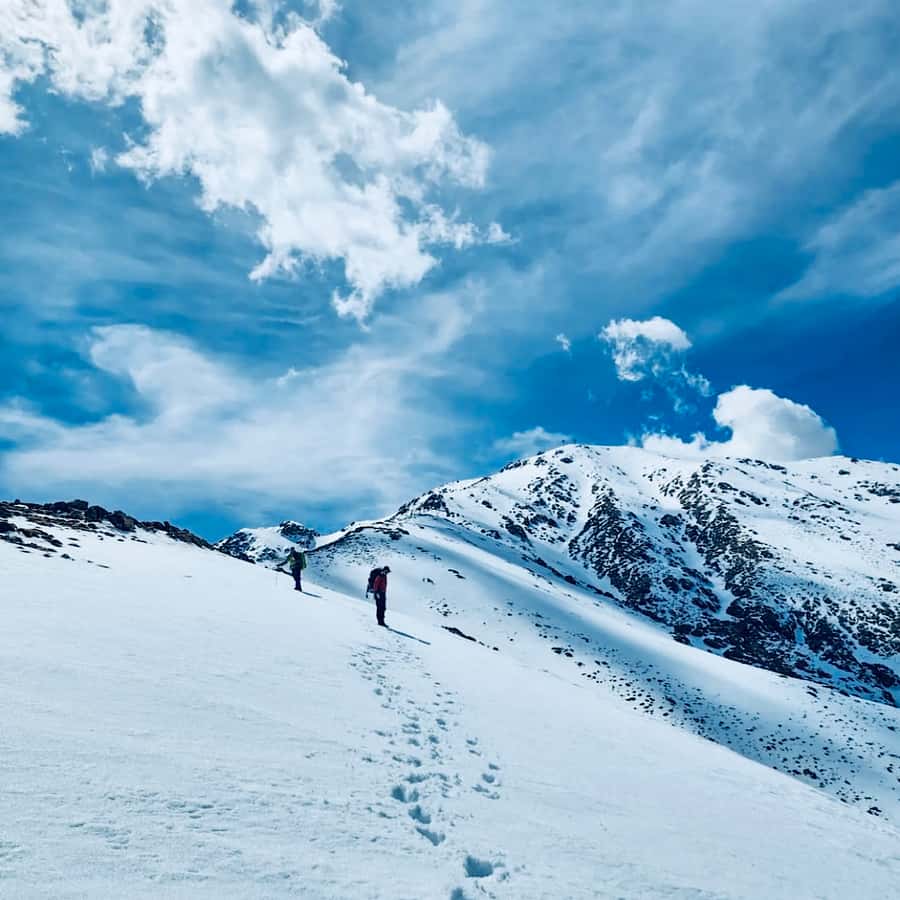
- A non-technical ascent to 4167 m, built for hiking fitness rather than rock climbing skills
- Acclimatization on purpose, including the Aguelzim Pass climb to help your body handle altitude
- Tamsoult Waterfalls, reached via a scenic juniper forest walk (about 5 to 6 hours that day)
- Sunrise summit timing, when weather cooperates, with 360-degree views that can reach toward the Sahara
- Small-group feel (up to 14 people), which helps with pacing and decision-making on the trail
- Refuge-style nights, basic but functional, and usually paired with hot tea and hearty food after hiking
Why Mount Toubkal feels like a real accomplishment
Mount Toubkal (4167 m) is the tallest peak in North Africa, but the experience is not about technical climbing. It is a hiking trek, with steep, high-altitude walking and careful footwork, especially on the summit approach and the scree descent afterward.
What makes this trek worthwhile is the pacing strategy. You’re not just sprinting uphill. You get altitude days that build gradually, then you make the summit push with a more realistic chance of feeling strong at the top.
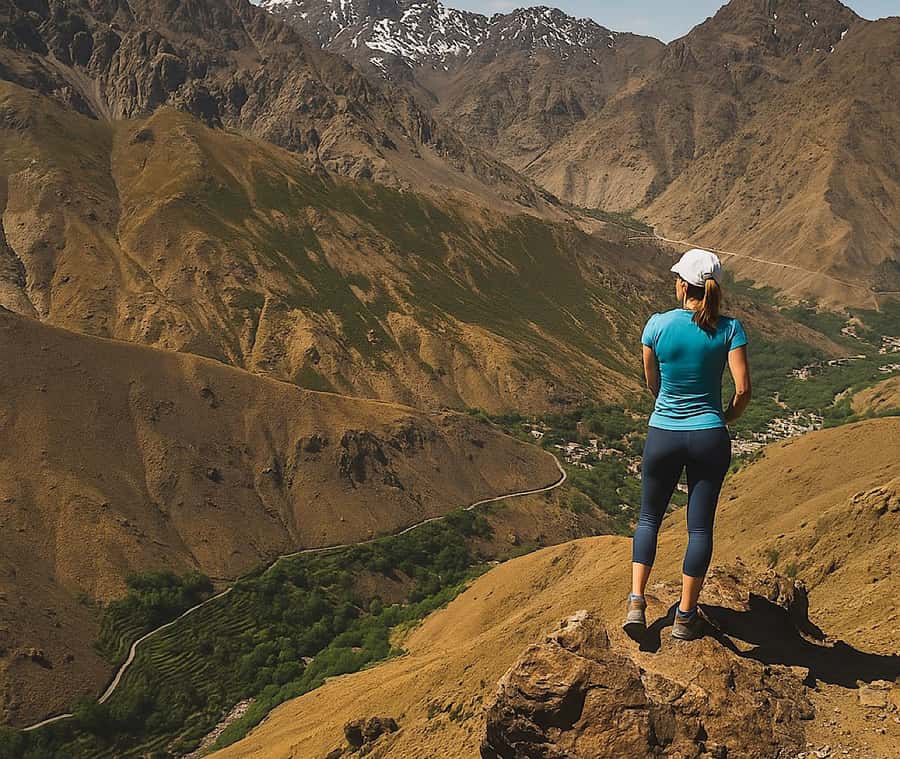
And if you care about views, this one delivers. On a clear day, you can see a wide sweep of the High Atlas Mountains, and people mention that the Sahara can even show on the horizon when conditions are right.
More Atlas mountain days:
- Marrakech: Atlas Mountains, Ourika Valley, Waterfall & Lunch
★ 4.8 · 15,834 reviews - From Marrakech: Atlas Mountains Full-Day Hiking Trip w Lunch
★ 4.8 · 7,417 reviews - From Marrakech: Atlas Mountains Day Trip with Camel Ride
★ 4.8 · 4,709 reviews
Marrakech to Imlil: the drive that sets expectations
Your day starts in Marrakech with pickup from your hotel or riad. The transfer goes to Imlil, about 65 km away, and the route passes through places like Tahanaout, Oued Ghighaya, and Asni.
This drive matters more than you might think. It gets you into the mountain valley mood early, and you see the Atlas foothills shift from city life into agricultural terraces and Berber village patterns. By the time you reach Imlil, the trek feels less like a random hike and more like a planned climb with a real “before and after.”
Imlil, your guide team, and the mule-luggage system
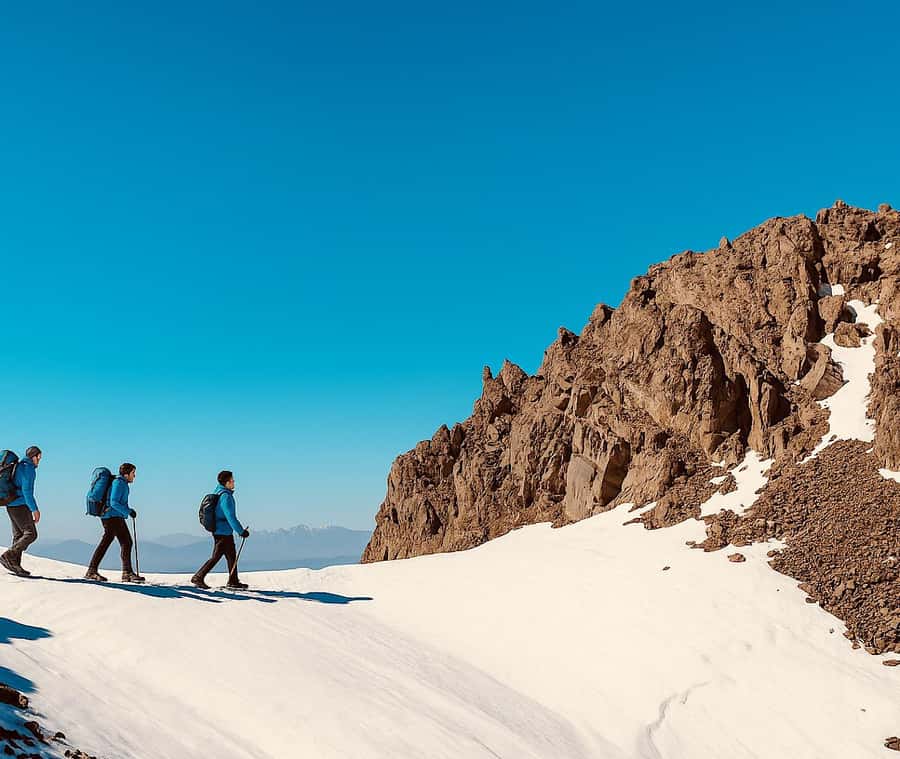
In Imlil you meet your certified mountain guide and muleteer team. The guide is the one who keeps you safe and moving well, and the mule team handles luggage you do not need right away at higher points, including the main refuge nights.
That mule-luggage system is a big quality-of-life factor for first-timers. You’re carrying only what you need for each day’s walking, which helps you save energy for the uphill sections that matter most. In several trekking experiences, people also emphasize that a well-organized team makes the hardest stretches feel manageable.
Group size is capped at 14, which helps you stay together when the trail narrows or conditions change. A smaller group also means your guide can actually check in on individuals and adjust breaks based on how you feel.
Tizi Mzik Pass and the climb into the Atlas days
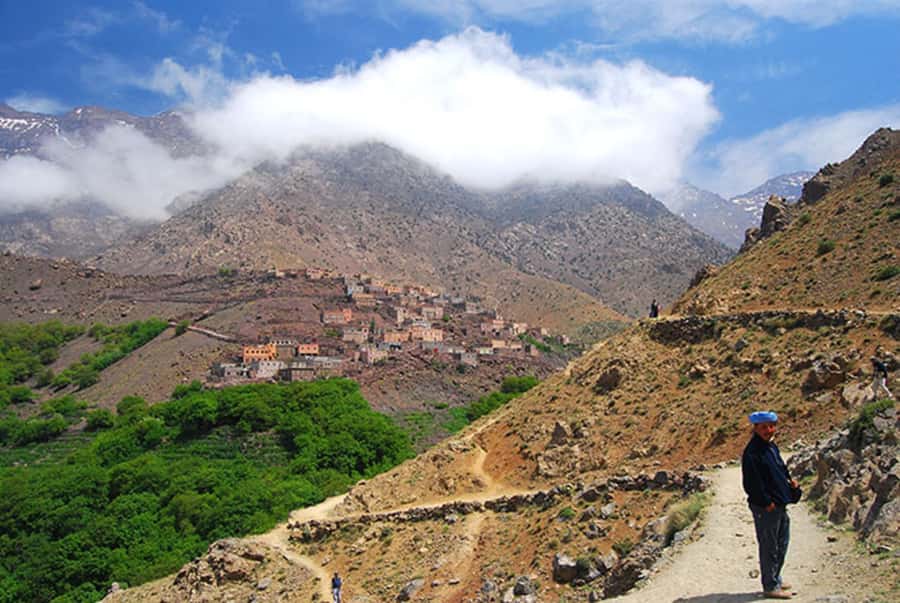
The trek begins by ascending Tizi Mzik Pass (2479 m). Even early on, you get the payoff views over the Imlil Valley and Mount Toubkal, which helps when your legs are still warming up.
This day is where the trek turns into an Atlas experience, not just a workout. You’ll move through changing terrain, including forests and village routes, and the walking time is long enough that you learn the pace you can sustain without frying your energy.
A practical tip: plan to stop when your guide stops, even if you feel okay. It is the easiest way to stay with the group and avoid getting too far ahead too early, especially when altitude is creeping in.
More day trips out of Marrakech:
- From Marrakech: Ouzoud Waterfalls Guided Hike and Boat Trip
★ 4.7 · 33,630 reviews - From Marrakech: 3-Day Merzouga and Sahara Desert Tour
★ 4.9 · 15,308 reviews - From Marrakech: Merzouga 3-Day Desert Safari with Food
★ 4.7 · 12,232 reviews - From Marrakech: Ouzoud Waterfalls Guided Trip with Boat Ride
★ 4.9 · 10,915 reviews
Tamsoult Waterfalls: the best “reward stop” built into a workout
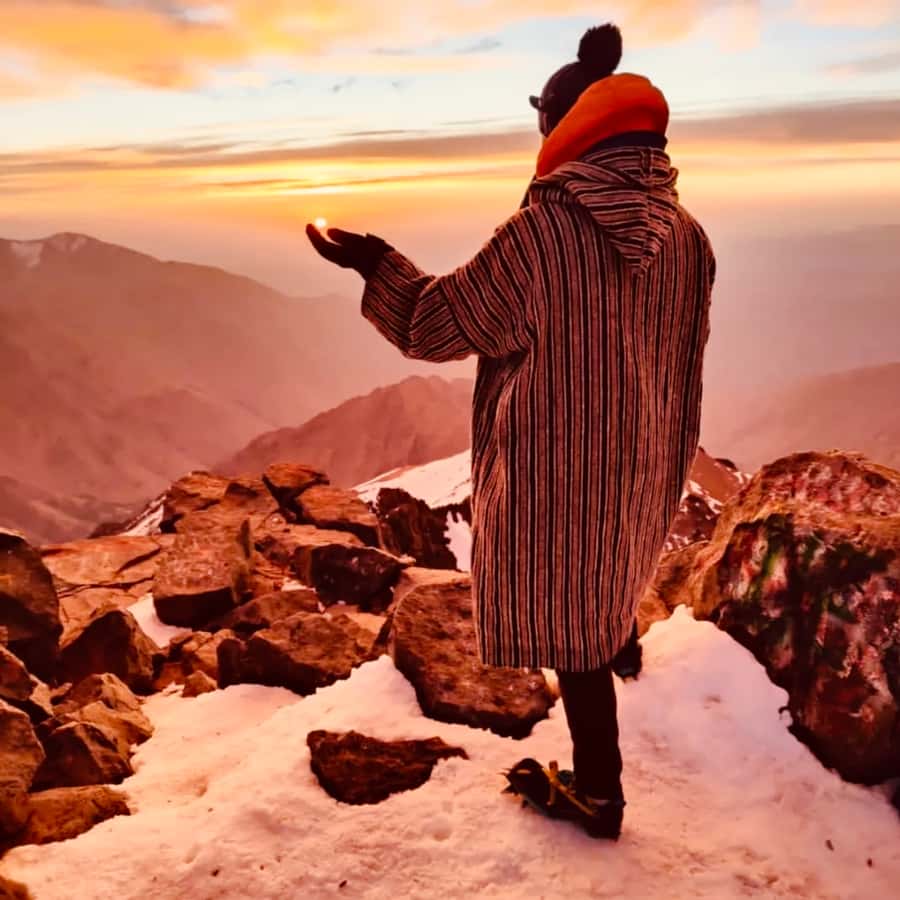
The next portion takes you through a scenic juniper forest to visit Tamsoult Waterfalls, listed as the highest waterfalls in the Atlas Mountains. The waterfall is about 100 meters high, which is a serious sight after several hours of walking.
This part of the day is described as 11 km total, with an elevation gain of about +800 m and a descent around -400 m, and a walking time of roughly 5 to 6 hours. In plain terms, it is a solid hiking block with real legs, but the payoff is a clear visual reward and fresh mountain air.
One thing to keep in mind: waterfalls usually mean slick spots. Wear shoes with grip, and watch footing on any wet rocks.
Tamsoult Refuge: an overnight that helps you recover
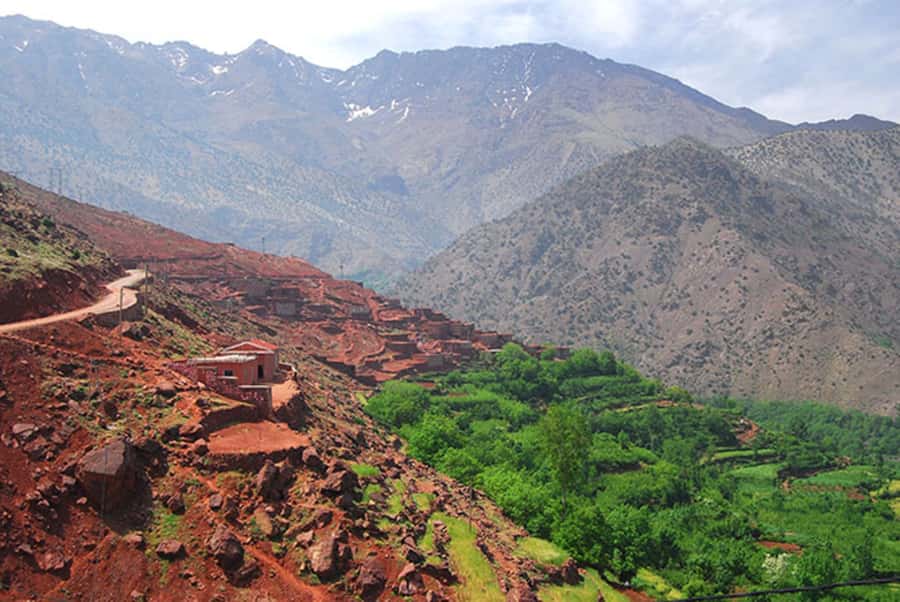
You head to Tamsoult Refuge for the night. Refuge stays are not luxury, but they are part of the trek’s logic. You hike, you eat, you warm up, you sleep, and then you go again early.
Meals are included across the trip: 3 breakfasts, 3 lunches, and 3 dinners. That matters because high-altitude hiking burns energy fast. You are not guessing where your next meal comes from.
From what people describe, food is warm, practical, and designed for after long days. You may find showers are available in some refuge setups, but conditions vary, and it is smart to be ready for basic facilities.
Aguelzim Pass (3650 m): why this day decides how you feel on summit day
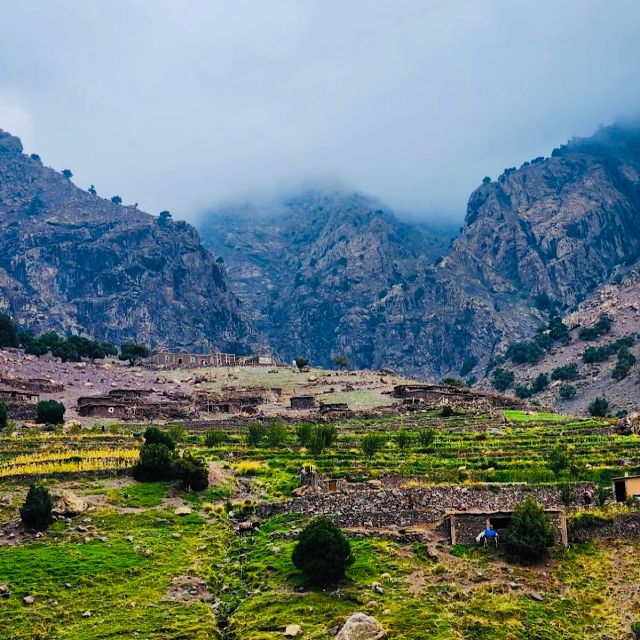
The second main climb is to Aguelzim Pass (3650 m). This is the big altitude gain day, with about +1200 m and roughly 10 km walking distance, around 6 to 6.5 hours.
The key point is pacing. Your plan specifically uses steady pacing to help your body adapt. That is the difference between summit day feeling like a horror movie and feeling like a hard but doable challenge.
Once you reach Aguelzim Pass, you get impressive views of the Toubkal summit area. This is one of the moments when you realize you are actually doing the real thing, not just walking through scenery.
From there, you descend to Toubkal Refuge (3207 m), where you base yourself for the summit attempt. This “go up, then settle” pattern is exactly what you want in a 3-day format: it builds resilience without leaving you wrecked.
Summit day from Toubkal Refuge: early start, big payoff
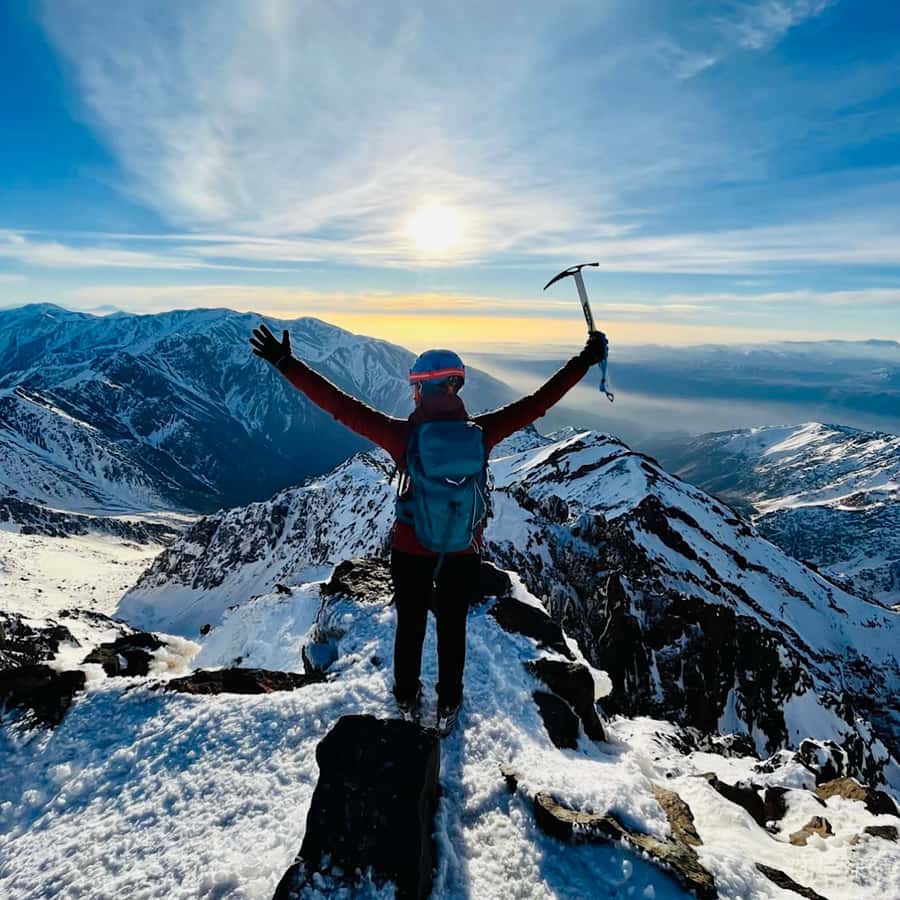
Day three is the summit attempt. You start early, and the final climb is described as non-technical and best tackled with stamina, careful footing, and a smart rhythm.
The summit loop is about 4 km up, then you descend from the summit with a long walk totaling around 14 km descent back toward Imlil. The elevation math is intense: roughly +980 m up from the refuge and about -2500 m down overall during the day.
The timing is built around sunrise views when weather allows. People often describe 360-degree mountain panoramas from the top, with the possibility of seeing toward the Sahara in clear conditions.
If you are prone to getting cold high up, treat summit day like winter. Warm layers, a jacket, and rain gear are listed as needed items, and many experienced hikers recommend a headlamp and extra warm clothing for the pre-dawn start.
Refuges, hot tea, and the food rhythm you can count on
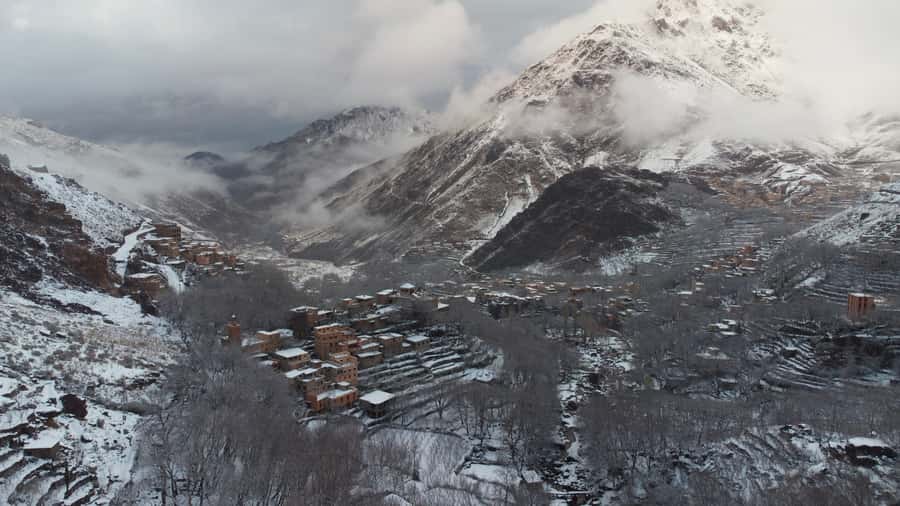
Accommodation is included at a local house, and the trek includes refuge-style nights at Tamsoult Refuge and Toubkal Refuge. Expect bunk-bed style sleeping arrangements and mountain-hut basics rather than hotel comfort.
What helps you enjoy it is the “food and warmth at the right times” approach. Meals are scheduled for after hiking blocks, so you are not constantly hunting for energy. You also get hot tea and dinner after walking days, which is a big mental reset when the cold sets in.
One small caution from real-world experiences: some refuge basics may require you to bring personal items like toilet paper or soap, since availability is not guaranteed. Pack lightly, but do not assume you can buy essentials at the refuge.
Guides make or break the altitude experience
The best part of this trek is the human factor: guides who pace well and keep the group together. Names like Youssef, Mohamed, Mustafa, Hassan, Kamal, Omar, and Ibrahim show up repeatedly, and the common theme is attention to group members at altitude.
This matters because altitude turns normal mistakes into big problems. If you go too fast, you can get nauseous or exhausted. If you ignore slipping on scree, a short fall becomes a long inconvenience. A good guide prevents both by setting breaks, adjusting pace, and keeping eyes on everyone.
If you are a first-timer, this is one of the safest ways to tackle Toubkal. The climb is non-technical, but that does not mean it is easy. It means skill is about hiking judgment, not technical rope work.
Price and value: what you are actually paying for
At $226 per person for 3 days, this is not just a “route.” You are paying for transport from Marrakech, a guided hiking team, mule support, and all meals (3 breakfasts, 3 lunches, 3 dinners).
Value is strongest if you would otherwise struggle to piece together the same package yourself: you get logistics handled, luggage carried, and meals provided at the times your body needs them. Gear is not included, but in many cases you can rent hiking gear locally if you need it, which reduces the barrier.
You should still budget for personal needs, since travel insurance, personal expenses, and mountain gear are not included. Think of the price as covering the core trek operation, not all possible extras.
What to bring, and what rules to follow
The essentials list is clear. Bring your passport, hiking shoes, warm clothing, a jacket, and rain gear. A sleeping bag is also recommended. Camera is optional, but you will want it.
Also bring layers you can adjust. Summit day can feel brutally cold compared to lower elevations, and early starts mean you are often out in the dark while your body is already working hard.
What not to bring is equally important. Sandals or flip-flops are not allowed, sleeveless shirts are not allowed, and slippers are not allowed.
A couple of extra practical items that many hikers find helpful on high-altitude refuge stays include toilet paper and soap, plus electrolytes or ORS if you tend to get lightheaded when hiking.
Who this trek suits best, and who should skip it
This trek is described as non-technical but still demanding. It is best for hikers with a decent fitness base who can handle long days and altitude.
The provided suitability limits are also important. It is not suitable for children under 2 years, pregnant women, people with high blood pressure, and people over 95 years.
If you have any medical concerns, treat that as a real stop sign and ask your clinician before committing to a high-altitude hike. Altitude and steep descents are not small details here.
Should you book the 3-Day Mount Toubkal trek?
I’d book it if you want the real Mount Toubkal experience with time to acclimatize, not a rushed sprint. The 3-day loop gives you more mountain time, more chances to see different Atlas areas, and a better chance of summit day feeling hard but controlled.
I would pause and do extra thinking if you hate early starts, dislike cold conditions, or know you struggle with long, steep hiking. Summit day is long and cold, and refuge comfort is basic, so your attitude matters.
Before you go, I’d also confirm meal timing if your itinerary gets adjusted by weather. The route can change in mountain conditions, and it is smart to have clarity on what is included each day once you are there.
If you show up with proper hiking shoes, real warm layers, and a steady pace, this trek offers the kind of achievement you remember for years, with views that actually match the effort.
FAQ
What is the highest elevation on this Mount Toubkal trek?
Mount Toubkal’s summit is at 4167 m. You also reach Aguelzim Pass at 3650 m and Toubkal Refuge at 3207 m before the summit attempt.
How long is the hiking on summit day?
The summit day includes the summit loop and then the descent back toward Imlil. Walking is described as 8 to 9 hours, with about 4 km for the summit loop and about 14 km for the day’s descent total.
Is technical climbing equipment required?
This trek is described as a non-technical ascent, meaning it is handled with hiking rather than technical climbing. You still need good hiking shoes and warm clothing for high altitude.
What is included in the price?
The included items are the tour guide, roundtrip transportation from Marrakech, muleteers and mules for luggage, accommodation at a local house, and 3 breakfasts, 3 lunches, and 3 dinners.
What should I pack?
You should bring a passport, warm clothing, hiking shoes, a jacket, rain gear, and a sleeping bag. A camera is also listed, and you will be outdoors for long stretches in cold and mountain conditions.
How big is the group and what languages are offered?
The group is limited to 14 participants. Your live tour guide speaks Arabic, English, and French.
More Hiking & Trekking in Marrakech
- Marrakech: Ourika Valley Trip with Waterfall Hike
★ 4.6 · 6,792 reviews - Marrakech: ourika valley lunch & guided hike to waterfalls
★ 4.9 · 3,737 reviews - Marrakesh: Ouzoud Waterfalls Trip with Hike & Boat Option
★ 4.9 · 1,435 reviews - Marrakech: Atlas Mountains & Valleys Waterfall Hike w/ Lunch
★ 4.8 · 1,236 reviews
Latest additions near Marrakech
- Three valleys, Atlas Mountain, waterfalls & Agafay Desert★ 5.0 · 13 reviews
- Marrakech: Tailor-Made City Tour With Your Own Private Guide★ 4.9 · 236 reviews
- Essaouira: Surf Trip from Marrakech★ 4.9 · 31 reviews
- Surf Training and Lunch on Essaouira Day Trip from Marrakech★ 4.9 · 51 reviews
- Marrakech palm grove: Sunset camel ride★ 4.8 · 194 reviews
- Marrakech: Cycling Tour in Palm Groove with Local Breakfast★ 4.7 · 73 reviews
- Marrakech: Sunrise Desert Tour with Camel Ride and Breakfast★ 4.4 · 36 reviews
- Marrakech : Agafay Desert Sunset Camel Ride & Luxury Dinner★ 4.3 · 39 reviews
Atlas Mountains Day Trips, compared.
Atlas Mountains, Ourika Valley, Waterfall & Lunch
Read our review →
Berber villages : Atlas Mountains Day Hike from Marrakech
Read our review →
Ourika Waterfalls, Atlas Mountains, Guide + Lunch
Read our review →
Ourika Valley Trip with Waterfall Hike & Lunch
Read our review →
Atlas Mountains & Agafay Desert Tour w Camel Ride
Read our review →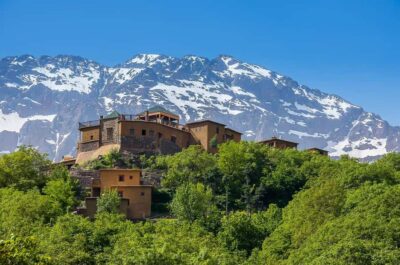
Atlas Mountains, Waterfalls, Ourika Valley +Lunch
Read our review →Browse the lists this tour appears in