
Reviewed · DAY TRIPS & EXCURSIONS FROM MARRAKECH
From Marrakesh: 3-Day Trip to Berber Villages
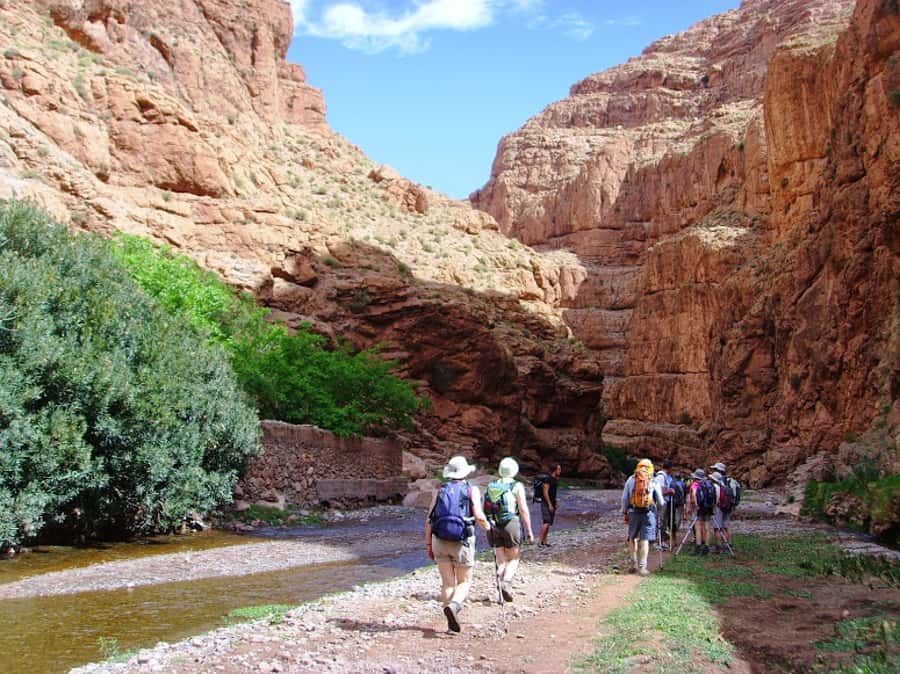
Three days in the High Atlas changes your pace fast. This trek south of Marrakesh pairs Berber village life with mountain walking and real local hospitality, with the best payoff coming from views toward Mount Toubkal. I like that it is run in a small group, so your guide can actually match your walking rhythm, not just herd you along. My one heads-up: the route is rocky and the inns are basic, so you need the right shoes and expect colder nights in the mountains.
You leave Marrakesh with private transport, get an English, French, or Spanish-speaking guide, and then settle into a rhythm of mountain passes, valley paths, and simple comfort. You’ll have a mule carrying your luggage, plus a chef cooking proper food with equipment carried along, so you are not stuck living on snacks. If you want a taste of real mountain Morocco without resort-style comforts, this is a strong value.
In This Review
- Key Things That Make This High Atlas Trek Worth It
- Why This Trek Works So Well From Marrakesh
- Day 1: Imlil to Tinerhourhine via Tamatert Pass
- Day 2: Imnane Valley, Toubkal Views, and the Aït Aïssa Night
- Day 3: Back Toward Imlil through Tizi Oussem and Mzik
- Food and Lodging: Simple, Filling, and Part of the Point
- Guides, Pacing, and What Makes the Human Part Matter
- Fitness and Packing: What to Plan for Before You Go
- Price and Value: What You Pay For (And Why It Adds Up)
- How It Feels on the Ground
- Should You Book This 3-Day High Atlas Trip?
- FAQ
- How long is the walking each day?
- Where does the trek start and end?
- What is included in the price?
- Do I need a sleeping bag?
- What about drinks during the trek?
- What language will the guide speak?
- How big is the group?
- Can I cancel for a refund?
Key Things That Make This High Atlas Trek Worth It
- Small group (up to 10) means more human time with your guide and less waiting around on the trail
- Mule-supported luggage keeps the hike focused on your legs, not your bag
- Chef-cooked meals turn lunch and dinner into part of the day, not an afterthought
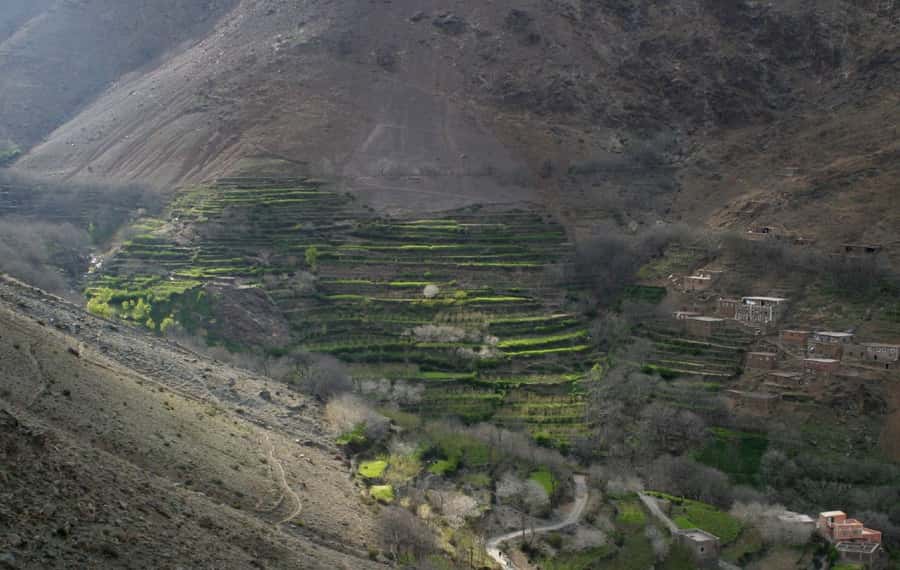
- Mountain passes and valleys (Tizi ‘n Tamatert, Imnane Valley) give you variety instead of one long slog
- Berber village nights at local inns let you experience mountain life up close, not from a viewpoint
Why This Trek Works So Well From Marrakesh
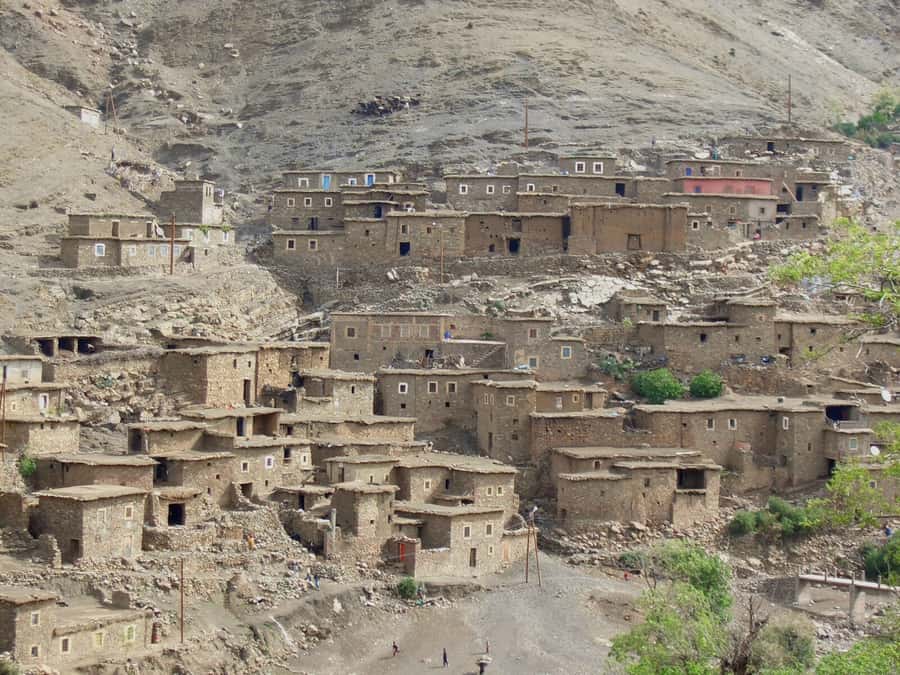
Most Marrakesh trips hit the same highlights and then rush you back. This one is different because the main event is the walking day-by-day, not a bus tour of stops. You start from Imlil, which is the practical gateway into the High Atlas, and you build your way upward through mountain villages and passes.
I also like the structure. Each day has a clear walking window and a predictable finish at a local inn. That matters because the real challenge here is not a hard technical climb, it is sustained effort on foot, often on uneven, stony paths. With the schedule laid out, you can focus on steady movement and enjoy the scenery in between.
More day trips out of Marrakech:
- From Marrakech: Ouzoud Waterfalls Guided Hike and Boat Trip
★ 4.7 · 33,630 reviews - From Marrakech: 3-Day Merzouga and Sahara Desert Tour
★ 4.9 · 15,308 reviews - From Marrakech: Merzouga 3-Day Desert Safari with Food
★ 4.7 · 12,232 reviews
Day 1: Imlil to Tinerhourhine via Tamatert Pass
The trip begins with transfer from Marrakesh to Imlil, then you set off on foot. Your first stretch follows the path toward Tinerhourhine, passing Tamatert along the way. It is a classic mountain warm-up day, the kind where your legs get moving and you start reading the trail the way locals do.
About halfway to the mountain pass lunch, you stop at Tizi ‘n Tamatert, a high point on the route where the air feels sharper and the views open up. Lunch here is a big deal. It keeps you from burning energy on an empty stomach and turns the pass into a real moment instead of just a mile marker. After lunch, you continue on to Ouanesekra-Tamguist and arrive at Tinerhourhine for the night.
Walking time is around 4 hours. It is enough to feel like you earned the first day without wiping you out for tomorrow. If you are arriving in colder seasons, the mountain air can be unforgiving even before you hike. I recommend planning for a chilly start, quick warmth in layers, and a slow first hour so you do not overheat and then freeze.
Even though you are on a trek, this day still feels welcoming because you have your guide plus a mule for luggage. That makes it easier to keep your pack light and your focus on the path.
Day 2: Imnane Valley, Toubkal Views, and the Aït Aïssa Night
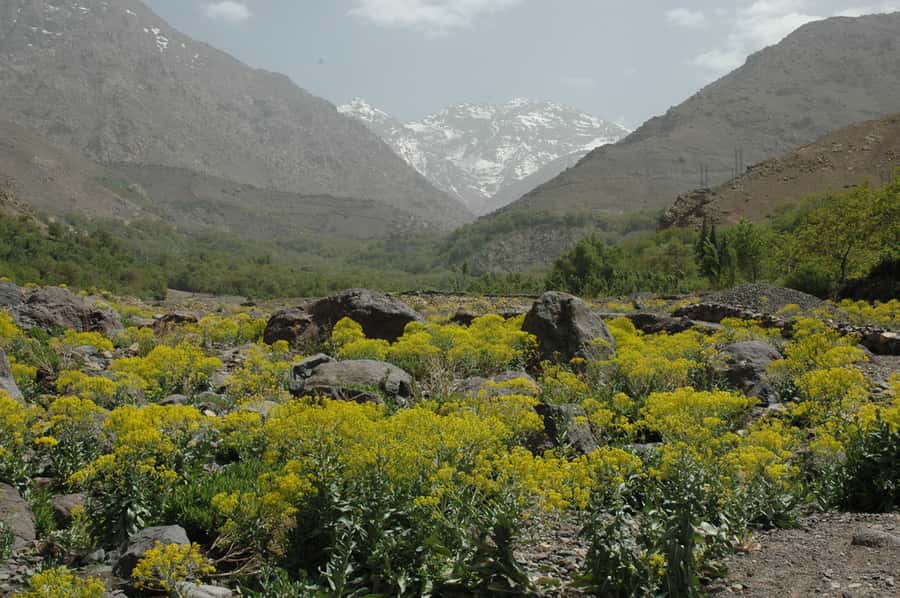
Day 2 is the longest and the most demanding of the three. You depart from Tinerhourhine and walk along the Imnane Valley, which gives you a sense of how the mountains shape the routes people use every day. You pass the Berber village of Ikkiss, where the trail feels more lived-in and less like a tourist corridor.
This is also where you get some of the most memorable mountain payoff: you enjoy views from Mount Toubkal, Morocco’s highest peak. You might not be summiting, but seeing it framed by the valley and ridgelines is a different experience than looking at it from far away. The mountain dominates the sky in a way that makes you slow down naturally.
You continue to Tizi n’ Aguersioual, and lunch happens at Matate. This lunch stop matters because it breaks the day into two sections: the push through the valley and then the final movement toward your evening destination. It also gives your guide a chance to pace things, which is the difference between a hike that feels tough and one that feels manageable.
By the end, you reach Aït Aïssa for the night at a local inn. Walking time is about 6 to 7 hours. It is not just length, it is footwork. Expect rocky, uneven ground and pay attention to footing more than speed. If you go fast early, you will feel it later.
One smart approach is to treat Day 2 like a steady effort hike. Keep a consistent pace, take your breaks when your guide suggests, and use the views as a reset, not a distraction.
Day 3: Back Toward Imlil through Tizi Oussem and Mzik
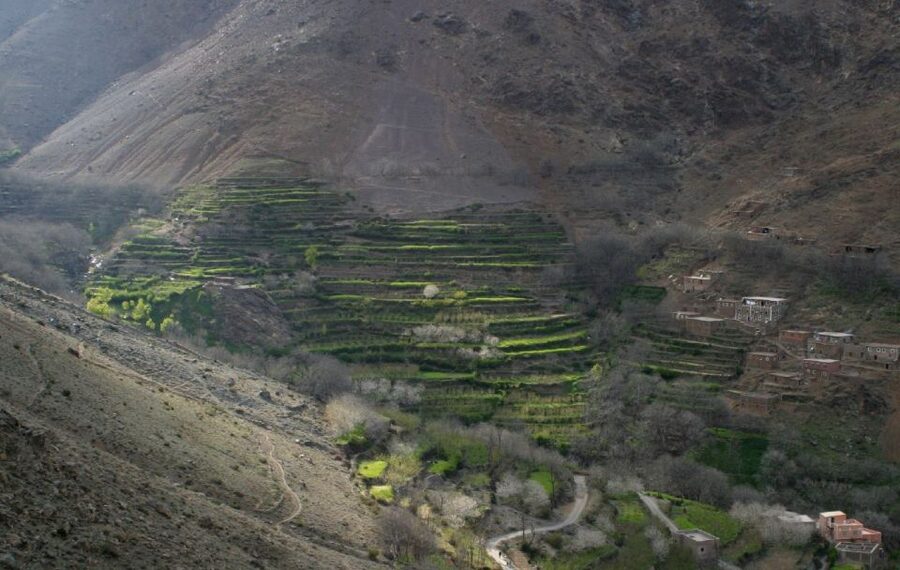
The final day feels like closing a circle. You leave Aït Aïssa and head toward Tizi Oussem, passing by Tizi Mzik and the village of Mzik before finishing back at Imlil.
This day is shorter on paper, about 4 hours of walking, but it still depends on trail conditions and how your legs feel after two days. The good news is that by Day 3 you already know the rhythm. You know what kinds of climbs tire you, how long it takes for your body to warm up, and what sort of breaks help you reset.
You end back in Imlil, and then you are taken back to your Marrakesh hotel. That last transfer is a practical gift. After three days in mountain air, it is nice not to deal with navigating on your own.
Other Marrakech days to consider
- Marrakech: Agafay Desert Sunset, Camel Ride, and Dinner Show
★ 4.6 · 35,119 reviews - Marrakech: Agafay Desert Quad & Camel Rides with Dinner Show
★ 4.8 · 27,382 reviews - Marrakech: Agafay Desert Quad Biking Tour with Dinner-Show
★ 4.8 · 16,569 reviews - Marrakech: Atlas Mountains, Ourika Valley, Waterfall & Lunch
★ 4.8 · 15,834 reviews
Food and Lodging: Simple, Filling, and Part of the Point
This trek includes food, chef service, and accommodation at Berber lodges. On paper it sounds standard. In the mountains, it becomes one of the best parts because it solves two problems at once: meal timing and fatigue.
You are not stuck eating quickly on the run. Lunch and dinner are prepared with a chef and cooking equipment carried along. In real terms, that means you can expect hearty, filling meals, not just bread and tea. And because your group schedule is organized around the walking route, meals line up with when you arrive, not whenever the kitchen feels ready.
Lodging at local inns is basic. You should plan for simple rooms and the kind of facilities you get in small mountain communities rather than hotel conveniences. Some places may be without electricity, but you still get warm water in the inns. Nights can get very cold, especially outside warm months, so bring the layers you need and assume bedding is more about warmth than comfort.
From a practical standpoint, I always advise people to bring a sleeping bag if you have one. Here it is not included, so check your own comfort level. Also pack small extras that you may take for granted, like toilet paper, because these are village settings, not modern facilities.
Guides, Pacing, and What Makes the Human Part Matter
A trek is only as good as how it is guided. This one is led by a local guide with English, French, or Spanish. The best part is that the guide is not just there to point the way. They manage the pace, the timing of lunches, and the rhythm of walking so you can actually enjoy what you came for.
In different departures, guides such as Hassan, Ibrahim, Hamid, or other local leaders may be assigned, and the common thread is careful pacing. Some groups also travel with a cook named Mohammed and a mule handler named Ali or Hamid depending on the team. Even if you get a different name than the examples above, the key idea is the same: the team runs as a unit, with the cook and guide coordinating so lunch happens where it should.
If you prefer calm walking, this trek is good for you. If you like lots of long conversations, that is possible too, but the trip is set up so the mountains are still the star.
Fitness and Packing: What to Plan for Before You Go
This is a hiking trek, not a casual stroll. Walking time totals roughly 14 to 15 hours across three days, with Day 2 the longest at 6 to 7 hours. The trail involves climbs, rocky sections, and uneven ground.
To enjoy yourself, plan your packing like this:
- Shoes first: bring sturdy, supportive footwear designed for rocky trails
- Warm layers: nights can be cold in the Atlas; winters are especially chilly
- Sleeping bag: not included, so bring one if you run cold
- Water and soft drinks are your responsibility: soft drinks and mineral water are not included
- Keep your pack light: you get mule support for luggage, but you still want essentials in your hands
Also consider seasonal timing. Winter can mean sunny days and freezing nights, and the cold hits hard when you stop moving. The right approach is layers you can adjust quickly, plus something warm for after you arrive at the inn.
Price and Value: What You Pay For (And Why It Adds Up)
At $353 per person for three days, this is not the cheapest option. But when you look at what is included, the value starts making sense. You get private transportation between Marrakesh and the trailhead, a local guide, a mule for luggage, a chef with cooking equipment, food, and accommodation at Berber lodges.
That is a lot of logistics covered. In mountain treks, paying for a team saves you from handling meals, packing cooking gear, and arranging local transport on your own. The group size is also capped at 10 participants, so you are less likely to feel like a number.
Where the cost tradeoff comes in is what is not included: soft drinks and mineral water and sleeping bags. If you add those in, your total budget will rise a bit, but you are still getting a package built for a remote hiking circuit.
If you want a true mountain experience with local meals and village nights, this price can feel fair, especially compared with tours that only simulate the same thing for less walking but similar logistics.
How It Feels on the Ground
On this trek, time moves differently. You wake up, walk, stop, eat, and walk again. You are not rushing from one picture to the next. The best moments are the ones you get when you are close to daily life in the villages and when your body settles into a steady rhythm.
The route from Imlil through Tamatert, Imnane Valley, and back toward Mzik keeps your day varied. Passes give big air and long views. Valleys give you a sense of how people live with the land. Villages break up the trek with pauses that feel human, not staged.
Should You Book This 3-Day High Atlas Trip?
Book it if you want a real hiking experience near Marrakesh, you like villages more than big city attractions, and you are comfortable with basic inns and cold nights. This is a great fit for couples or small groups who enjoy moving through the mountains at a reasonable pace and appreciate a chef-prepared meal after a long day.
Skip it if you need hotel-level comfort, you hate rocky trails, or you refuse to hike more than a couple of hours. Also, be honest with yourself about Day 2. If 6 to 7 hours on uneven ground sounds rough, you might find the experience tiring rather than fun.
If you do book, do the boring prep well: solid shoes, warm layers, and a plan for sleeping comfort. Those small choices are what turn three demanding days into a trip you remember for the right reasons.
FAQ
How long is the walking each day?
Day 1 is about 4 hours of walking. Day 2 is about 6 to 7 hours. Day 3 is about 4 hours, then you transfer back to Imlil and on to your Marrakesh hotel.
Where does the trek start and end?
The trek starts in Imlil, moves through Berber villages and mountain passes, and returns to Imlil at the end of Day 3.
What is included in the price?
The price includes private transportation from and to Marrakesh, a local guide, a mule to carry luggage, chef and cooking equipment, food, and accommodation at Berber lodges.
Do I need a sleeping bag?
Sleeping bags are not included. If you run cold, bring one for sleeping at the Berber lodges.
What about drinks during the trek?
Soft drinks and mineral water are not included.
What language will the guide speak?
The guide is available in English, French, and Spanish.
How big is the group?
It is a small group, limited to 10 participants.
Can I cancel for a refund?
Yes. Free cancellation is available up to 24 hours in advance for a full refund.
Latest additions near Marrakech
- Three valleys, Atlas Mountain, waterfalls & Agafay Desert★ 5.0 · 13 reviews
- Marrakech: Tailor-Made City Tour With Your Own Private Guide★ 4.9 · 236 reviews
- Essaouira: Surf Trip from Marrakech★ 4.9 · 31 reviews
- Surf Training and Lunch on Essaouira Day Trip from Marrakech★ 4.9 · 51 reviews
- Marrakech palm grove: Sunset camel ride★ 4.8 · 194 reviews
- Marrakech: Cycling Tour in Palm Groove with Local Breakfast★ 4.7 · 73 reviews
- Marrakech: Sunrise Desert Tour with Camel Ride and Breakfast★ 4.4 · 36 reviews
- Marrakech : Agafay Desert Sunset Camel Ride & Luxury Dinner★ 4.3 · 39 reviews
Day Trips & Excursions from Marrakech, compared.
Berber villages : Atlas Mountains Day Hike from Marrakech
Read our review →
Ouzoud Waterfalls Guided Trip with Boat Ride
Read our review →
3 Days Desert Tour From Marrakech To Merzouga Dunes & Camel Trek
Read our review →
Browse the lists this tour appears in