
Reviewed · ATLAS MOUNTAINS DAY TRIPS
Marrakech: 2-Day Mount Toubkal Ascent Guided Tour
A snowy summit is a rare treat. This 2-day Mount Toubkal climb takes you from Marrakech into the Atlas Mountains, where the air gets sharp and the views go wide. The route tops out at 4,167 meters, with snow-covered ridgelines and Berber villages spread below.
I really like how the day-by-day rhythm stays simple and human: pickup from Marrakech, a short coach ride, then a guided push on foot through cold mountain terrain. Two things I love most are the professional mountain guide support and the fact that you get real fuel during the trek, not just a snack and a prayer. Guides like Hassan and Ibrahim also stand out for how hands-on they are when conditions turn slick.
One consideration: this is not a walk in the park. It’s aimed at people with a high level of fitness, and winter can mean near-freezing temps. If you have heart problems, the activity isn’t suitable, and if your hiking base is low, you’ll feel it fast.
In This Review
- Key points to know before you go
- Why Mount Toubkal in winter feels different than the usual Atlas day trips
- From Marrakech pickup to Imlil start, the logistics are straightforward
- Day 1: the climb begins from Imlil, with tea and mountain meals built in
- Day 2: crampons, ice axes, and the push to the 4,167-meter top
- The descent back to Imlil can be the hardest part
- Guides and group size: small team, tighter safety margins
- Food on the mountain: included meals that keep you moving
- Price and value: $284 for a guided winter summit attempt
- Packing list: what you really need for a snowy Atlas ascent
- Who should book this climb, and who should choose something else
- Should you book the 2-day Mount Toubkal ascent from Marrakech?
- FAQ
- How long is the Mount Toubkal ascent tour from Marrakech?
- Where does the trek start?
- What is included in the price?
- What is not included?
- How big is the group?
- What languages are the guides available in?
- Do I need winter experience or special fitness?
- What is the cancellation policy?
- When does the winter season run?
Key points to know before you go
- Small group, big attention: limited to 12 participants, so the guide can manage the pace and safety.
- Real winter gear support: crampons and ice axes are not included, but you can rent them at the starting point in Imlil.
- Guided summit access: you climb with a professional guide to the highest peak in North Africa.
- Food is part of the plan: lunch, dinner, and breakfast are included during the trek.
- Descent can test you: the downhill on loose, snowy ground can be harder than you expect, especially with winter glare.
Why Mount Toubkal in winter feels different than the usual Atlas day trips
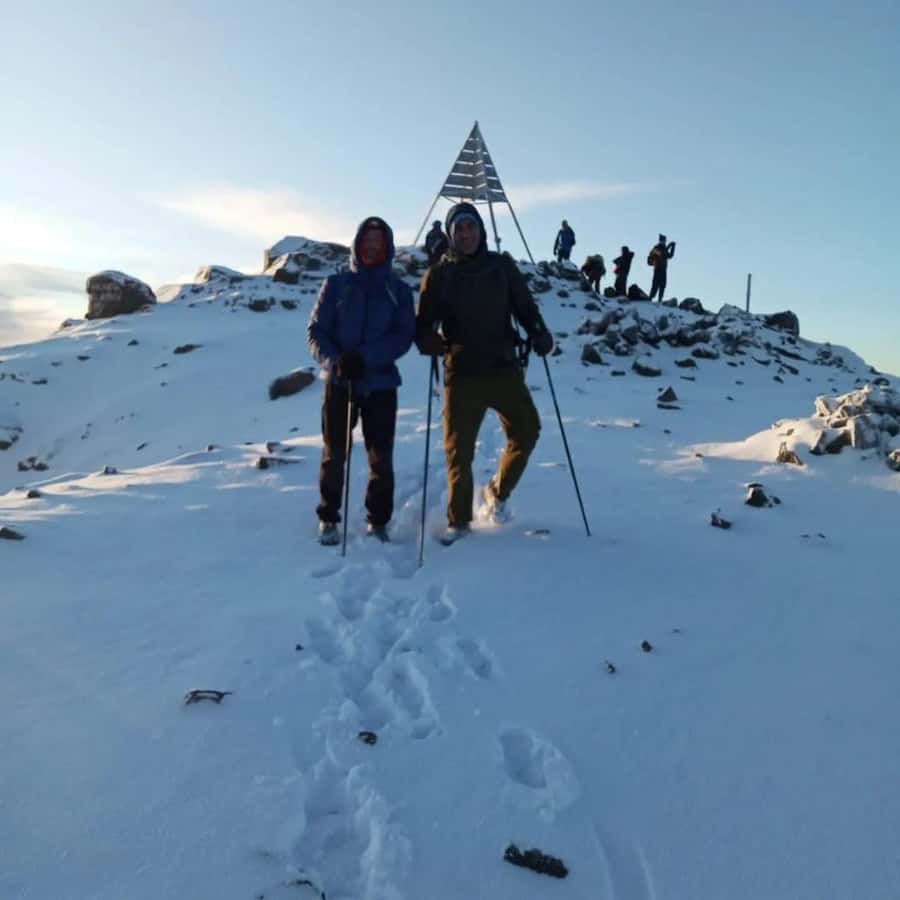
Mount Toubkal is the highest peak in North Africa, so even before you step onto trail, you can feel the stakes. In winter, the Atlas Mountains trade green hills for snow textures, colder air, and darker mornings. That changes the whole experience. You’re not just looking at mountains, you’re moving through winter conditions that demand focus.
The best part is that the views match the effort. From the heights, you get wide sightlines into valleys and over Berber village areas far below. It’s the kind of scenery that makes you pause without thinking, even if you’re usually the type to keep walking.
Also, winter season runs from late November to the end of April. That matters because your timing can make or break the snow vibe. If you want the snow-covered version of Morocco’s high country, you’ll be happiest traveling in those months.
More Atlas mountain days:
- Marrakech: Atlas Mountains, Ourika Valley, Waterfall & Lunch
★ 4.8 · 15,834 reviews - From Marrakech: Atlas Mountains Full-Day Hiking Trip w Lunch
★ 4.8 · 7,417 reviews - From Marrakech: Atlas Mountains Day Trip with Camel Ride
★ 4.8 · 4,709 reviews
From Marrakech pickup to Imlil start, the logistics are straightforward
Your day begins in Marrakech, with pickup from your accommodation or a fixed meeting point in the medina. That’s a big deal if you don’t want to fight buses, taxis, and timing on your first day in the city.
From there, it’s about a one-hour coach ride to the mountain area. The goal is simple: get you close to the trailhead without burning your energy before the actual trek.
Then you reach Imlil, the start point for the climb. This is where the mood shifts from city travel to mountain travel. If you’ve ever arrived somewhere and felt like your body needed a second to switch gears, that’s exactly what this feels like.
Day 1: the climb begins from Imlil, with tea and mountain meals built in
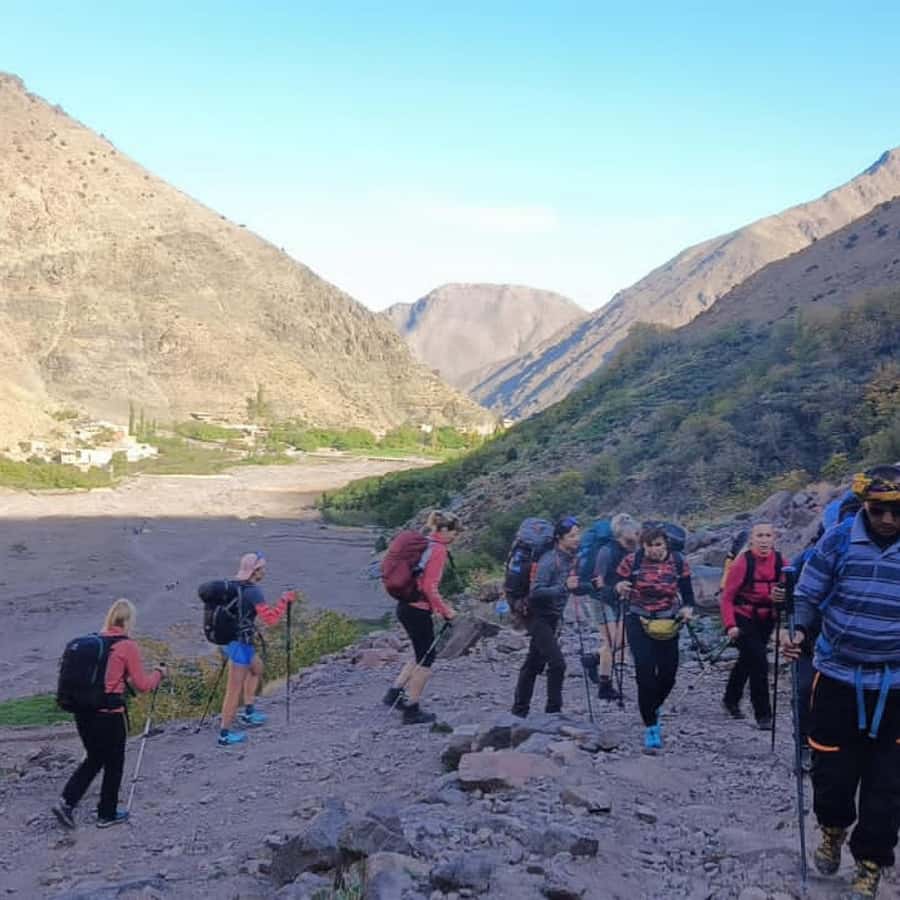
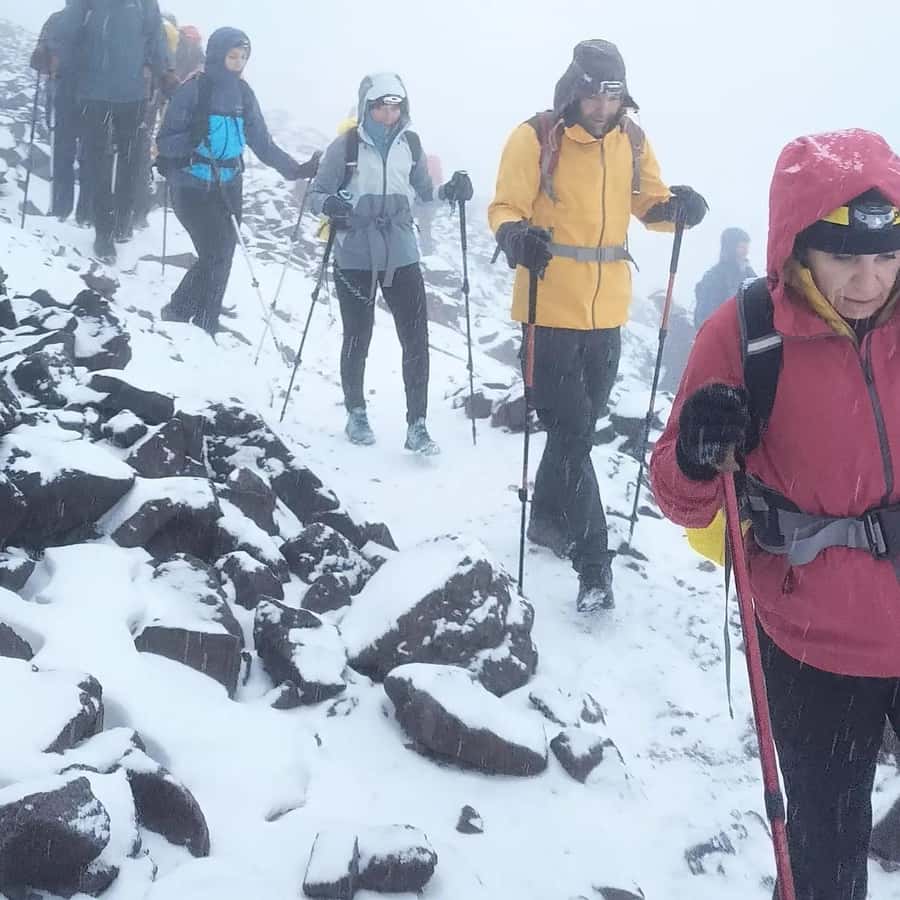
You start your trek from Imlil, and as you ascend, you’ll be walking through snowier terrain with constant views over valleys. The route is guided, so you’re not stuck guessing where to go when the trail gets blanketed.
This first day includes a mix of walking and built-in breaks. There’s also time for a photo stop, plus tea as part of the mountain routine. In winter, tea is not just hospitality. It’s also a practical reset, a warm pause that helps you keep moving instead of freezing your way through the rest of the day.
Food is handled for you. Lunch and dinner are included, and you also get an overnight stay. That matters because a mountain day can drain you faster than expected, especially in cold air. You’re not scrambling for restaurants or deciding what to eat with numb fingers.
What you should watch for on day one is pacing. You’ll likely feel eager at first. Don’t. Save your legs for day two, because the real challenge often comes later.
Day 2: crampons, ice axes, and the push to the 4,167-meter top
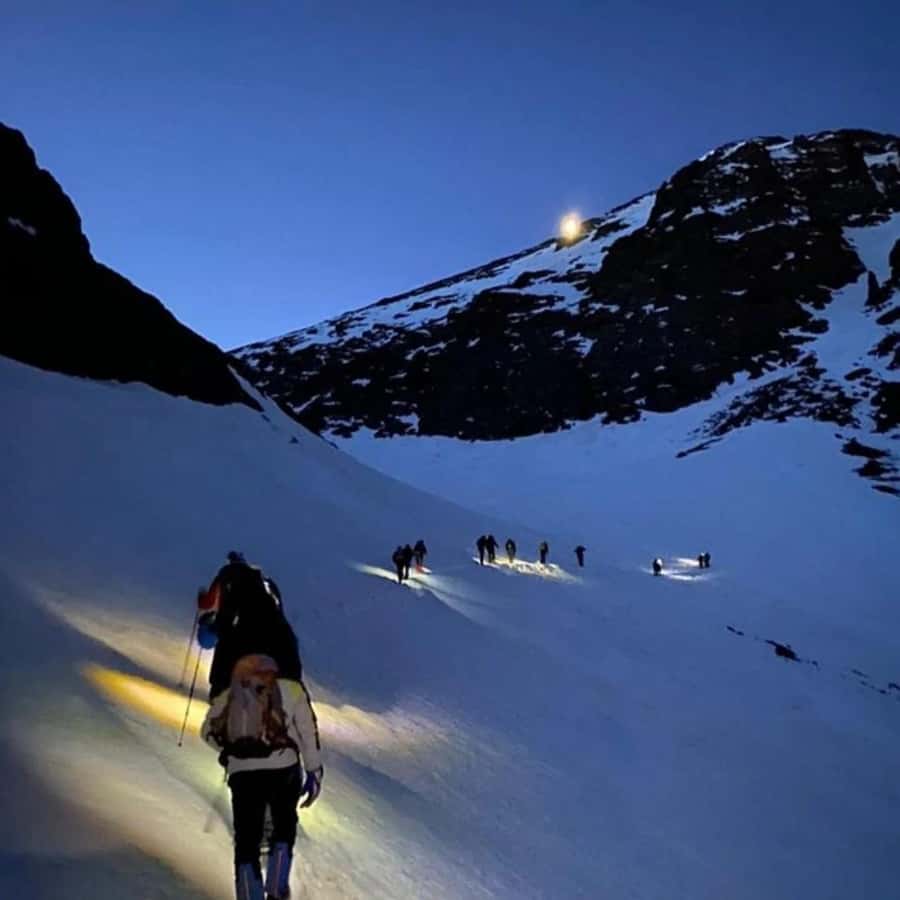
Day two is where the winter climbing becomes real. You’ll be moving with crampons for snow traction, plus ice-axe use depending on conditions and your guide’s call. The tour doesn’t include personal crampons or ice axes, but you can rent them from the equipment shop at the starting point in Imlil.
This is also where you’ll appreciate having a professional guide. Cold weather changes everything: footing, timing, and even how your body responds to exertion. A good guide keeps you safe and also keeps the pace realistic.
Timing can vary, but you should expect an early start. In past climbs, groups have gone out around dawn in serious cold, and some ascents are timed for sunrise from the summit area. Either way, you’re aiming for that light-on-snow moment plus the payoff of being on the highest peak in North Africa.
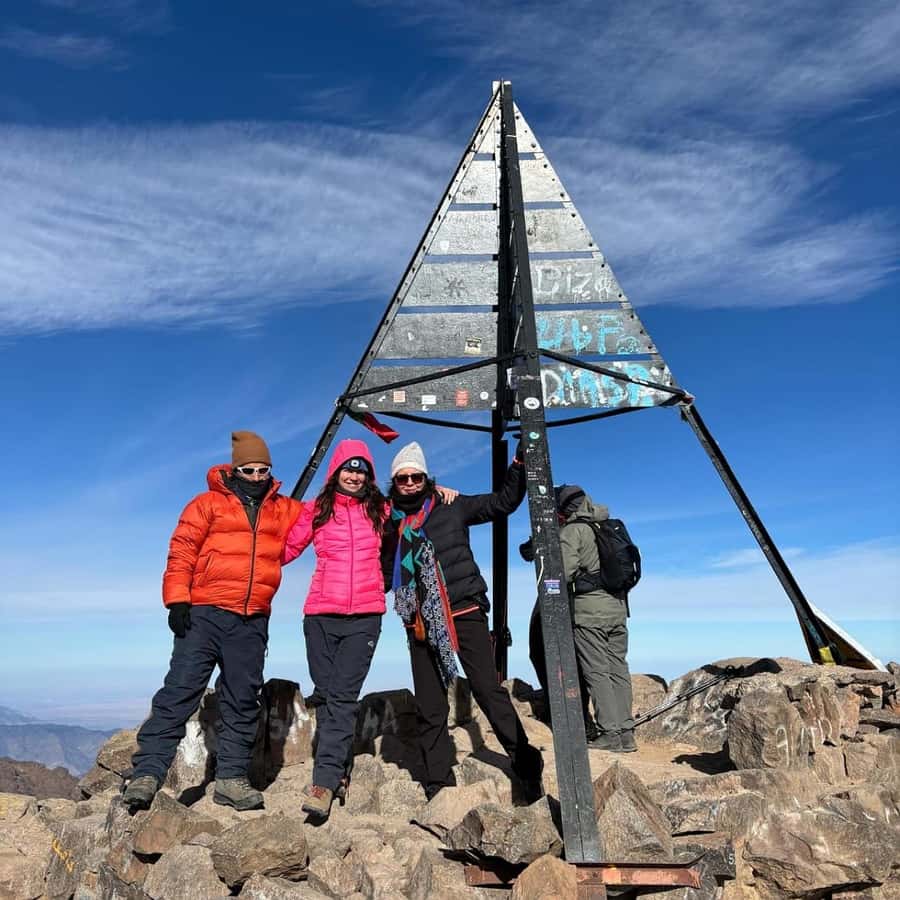
Reaching the top at 4,167 meters is the headline, but the real win is how the climb brings you through changing terrain. You’ll go from valley views into steeper snow travel, then reach open high ground where the horizon suddenly feels huge.
Other Marrakech days to consider
- Marrakech: Agafay Desert Sunset, Camel Ride, and Dinner Show
★ 4.6 · 35,119 reviews - From Marrakech: Ouzoud Waterfalls Guided Hike and Boat Trip
★ 4.7 · 33,630 reviews - Marrakech: Agafay Desert Quad & Camel Rides with Dinner Show
★ 4.8 · 27,382 reviews - Marrakech: Agafay Desert Quad Biking Tour with Dinner-Show
★ 4.8 · 16,569 reviews
The descent back to Imlil can be the hardest part
People often think the summit is the hard part. On Toubkal, the descent can surprise you.
One key detail: the downhill can be tricky, especially on winter stones and snow-slick patches. If you’ve ever slid one step and saved yourself with a panicked grab, you’ll know what I mean. The guide helps you manage it, but you still need your brain switched on.
Here’s how to make the descent easier on yourself:
- Go slower than you think you should.
- Keep your center of gravity steady and avoid big jumps.
- Wear hiking shoes with solid grip, and trust your boots.
If you handle the descent well, you’ll end the trek in Imlil feeling tired but proud, not beaten up. That’s exactly what you want from a 2-day summit goal.
Guides and group size: small team, tighter safety margins
This tour runs as a small group, limited to 12 participants. That size is ideal in winter mountains. With a smaller group, your guide can control spacing, adjust to different walking styles, and keep everyone moving without turning the climb into a traffic jam.
Language support is built in, too. Guides can work in English, French, Spanish, and Arabic. If you don’t speak French or Arabic, you’re still covered. If you do, you’ll pick up more context along the way.
Names that came up in past climbs include Hassan, Sabir, and Ibrahim. What matters most is the type of help you get: route guidance, pace control, and physical assistance when winter traction and steep sections demand it. You’re not just paying for directions. You’re paying for a guide who stays attentive when conditions get demanding.
Food on the mountain: included meals that keep you moving
This trek is not stingy with food. Lunch, dinner, and breakfast are included during the trek, which is exactly what you want on a winter climb.
Cold weather increases energy needs. If your body is working hard and you’re underfed, you’ll feel it in your hands, your breathing, and your decision-making. Having proper meals built into the schedule prevents that.
People also tend to remember the mountain cooking. There’s a clear pattern of hearty meals like tajin, plus the simple comfort of warm food after a cold push. Even the tea moments can stick in your mind because they’re so effective at warming you up and resetting you for the next stretch.
Also remember: you’re instructed to bring snacks. That’s smart. Use snacks for quick energy gaps between meals, especially if you know your body runs on small top-ups.
Price and value: $284 for a guided winter summit attempt
The price is $284 per person for 2 days. On paper, that’s not cheap. In practice, value comes from what’s wrapped into the cost.
You get:
- Transport from and back to Marrakech
- A professional mountain guide
- Access to climb Toubkal (4,167 meters)
- All food during the trek (lunch, dinner, breakfast)
- Park entrance fees
- Mule or porter if needed
When you add those up, $284 starts to make more sense. You’re paying for a structured winter summit attempt, not just a single guided walk. You also avoid the common trip-killer of winter logistics, where the hardest part is not the climbing, it’s the planning.
What’s not included is personal insurance, drinks, and your own crampons and ice axes. The good news is equipment can be rented at Imlil. Still, you should budget for that gear rental, and you should carry water and choose how you’ll handle drinks on top of what’s included.
Packing list: what you really need for a snowy Atlas ascent
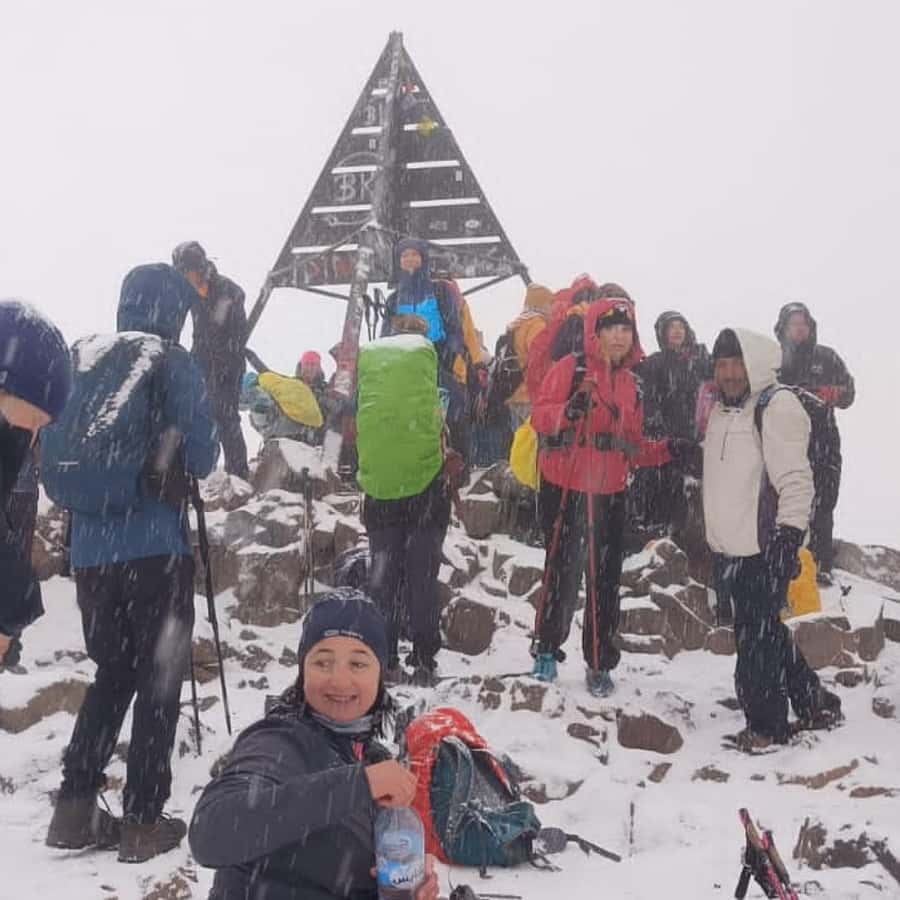
You’ll be outdoors in winter. That means layering beats luck. Based on the tour’s guidance, bring warm clothing, gloves, a hat, and a windbreaker. Add a jacket and winter trekking gear so you can handle changing weather as you climb higher.
Don’t forget:
- Hiking shoes with dependable grip
- Sunscreen, because cold air can still be bright
- Water plus snacks for energy support
- Gloves, gloves, gloves. If you underestimate this, you’ll suffer.
- A towel is listed, so plan around that for warmth and comfort
The tour also expects winter sports gear. Even if you’re not doing anything fancy, it signals that conditions can get serious. Your goal is simple: stay warm enough to keep moving and stay dry enough to prevent cold hands and cold feet.
Smoking and alcohol or drugs are not allowed. It’s a sober mountain environment, and winter climbing is not the place to “wing it.”
Who should book this climb, and who should choose something else
This trek is described as accessible to people with a high level of fitness. It’s also not suitable for people with heart problems, and low-fitness hikers are a mismatch.
If you train regularly, can handle steep uphill effort, and you’re comfortable hiking in cold weather, you’ll likely enjoy the whole experience, including the summit and the descent.
If you’re unsure, be honest with yourself:
- Can you hike uphill for sustained stretches?
- Do you tolerate cold well, or do you usually feel miserable when temperatures drop?
- Are you okay with the idea that the downhill may be physically harder than expected?
Winter climbs reward steady effort. They don’t reward bravado.
Should you book the 2-day Mount Toubkal ascent from Marrakech?
If you want a real winter mountain experience in Morocco, this is a strong choice. You’re getting a guided summit to 4,167 meters, small group attention, and included meals that keep you fueled when the cold wants to slow you down. Guides like Hassan, Sabir, and Ibrahim are part of why people feel well taken care of, especially on the technical winter sections.
Book it if:
- You have a high fitness baseline and you hike regularly.
- You’re traveling between late November and April.
- You’re excited by snow, early starts, and learning how to move safely with winter traction.
Skip or reconsider if:
- You have heart problems or you’re not medically cleared for strenuous cold-weather activity.
- You know you struggle with steep hiking or you’re mainly looking for an easy sightseeing day.
This is the kind of trip that gives you a summit story you actually earned, not just a photo you paid for. If that’s what you want, Mount Toubkal in winter is a great target.
FAQ
How long is the Mount Toubkal ascent tour from Marrakech?
The tour lasts 2 days.
Where does the trek start?
The trek starts from Imlil, after pickup in Marrakech and transport by coach.
What is included in the price?
Transport from and back to Marrakech, a professional mountain guide, access to Mount Toubkal (4,167 m), all food during the trek (lunch, dinner, breakfast), park entrance fees, and a mule or porter if needed.
What is not included?
Personal insurance, drinks, and trekking equipment such as crampons and ice axes. Equipment that you cannot bring can be rented at the equipment shop at the starting point.
How big is the group?
The group is limited to 12 participants.
What languages are the guides available in?
The live tour guide is available in English, French, Spanish, and Arabic.
Do I need winter experience or special fitness?
It is accessible to people with a high level of fitness, and it is not suitable for people with low fitness or heart problems.
What is the cancellation policy?
Free cancellation is available up to 24 hours in advance for a full refund.
When does the winter season run?
Winter season runs from the end of November to the end of April.
Latest additions near Marrakech
- Marrakech: Traditional Moroccan Crepes & Bread Cooking Class★ 4.8 · 135 reviews
- Marrakech: 3-Hour Monuments, Souks & Old Medina Walking Tour★ 4.7 · 133 reviews
- Marrakech: 3-Day Private Imperial Cities & Chefchaouen Tour★ 4.5 · 30 reviews
- Marrakech: 3-Day Atlas Mountains Berber Villages Trek★ 4.5 · 41 reviews
- Marrakech: 3-day Exclusive Desert Luxury Tour; Quad & Camels★ 4.8 · 61 reviews
- Marrakech: Guided 2-Day Trek to Imlil and Imnan Valleys★ 4.6 · 14 reviews
- Marrakech: Desert Tour with Dinner, Show and Camel Ride★ 4.9 · 150 reviews
- Marrakech: 3-Day High Atlas Mountains and Three Valleys Trek★ 4.8 · 63 reviews
Atlas Mountains Day Trips, compared.
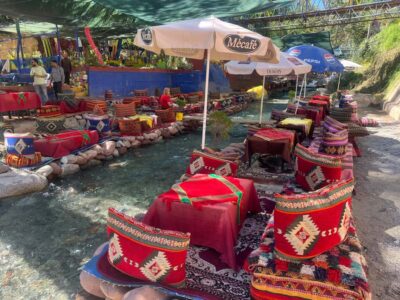
Atlas Mountains, Ourika Valley, Waterfall & Lunch
Read our review →
Berber villages : Atlas Mountains Day Hike from Marrakech
Read our review →
Ourika Waterfalls, Atlas Mountains, Guide + Lunch
Read our review →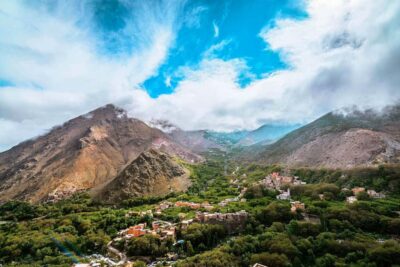
Ourika Valley Trip with Waterfall Hike & Lunch
Read our review →
Atlas Mountains & Agafay Desert Tour w Camel Ride
Read our review →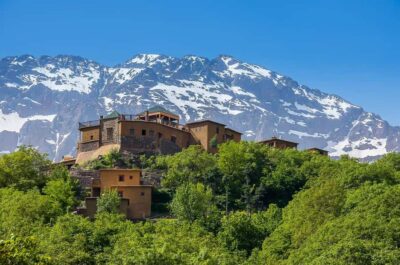
Atlas Mountains, Waterfalls, Ourika Valley +Lunch
Read our review →Browse the lists this tour appears in