
Reviewed · ATLAS MOUNTAINS DAY TRIPS
Marrakech: 3-Day Atlas Mountains Berber Villages Trek
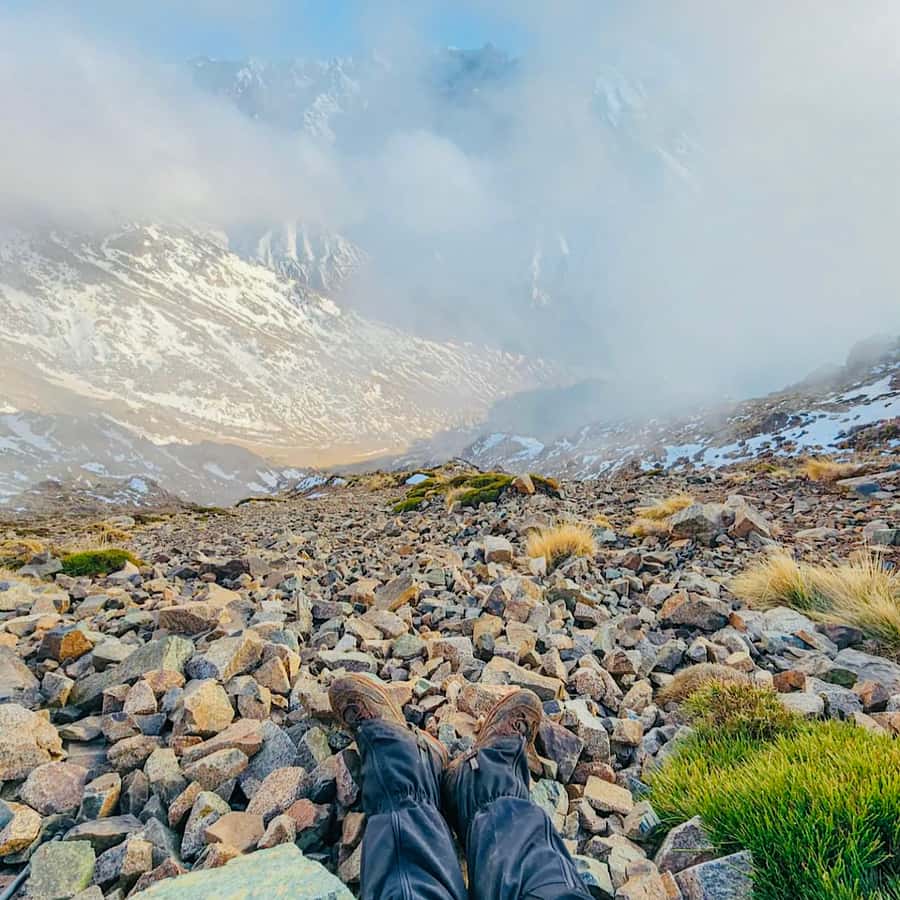
Atlas villages move at a slower, kinder pace. On this 3-day trek, you hike High Atlas passes, stop in real Berber communities, and sleep in family guesthouses. What I love most is how much the licensed guides add to the walk, with names like Mohamed, Abdul, and Hussein showing up in the stories. I also really value the family meals and guesthouse stays, which make the trip feel human, not touristy.
Just be aware of one tradeoff: this is active mountain hiking, with some steep climbs and descents at high altitude, and your nights are in basic mountain accommodations rather than hotel comfort.
In This Review
- Key Things I’d Mark on Your Map
- Why This Berber Villages Trek Feels Different Than a Peak Chase
- Day One: Imlil, Tizi n’Tamaterte, and Tachdirt (First Big Views, First Village Taste)
- Day Two: Oudit Pass and Village Walks to Ait Aissa (A Day for Rural Rhythm)
- Day Three: Waterfalls, Mzik Pass at 2500 m, and the Descent Back to Imlil
- How the Trek Actually Runs: Guide, Group Size, and Mule Help
- Food and Sleep: Family Guesthouses, Refuges, and Basic Comfort Done Right
- Difficulty and Altitude: What Your Body Should Expect
- What to Pack for This 3-Day Atlas Hike (And What to Skip)
- Who This Trek Is Perfect For (And Who Should Skip It)
- Should You Book This Marrakech to Atlas Villages Trek?
- FAQ
- Where do I get picked up in Marrakesh?
- What languages are the guides?
- How long and how hard is the trek?
- Is the mule included, and does it carry luggage?
- What will I eat and where will I sleep?
- Are there waterfall stops?
- What should I bring?
- Is this trek suitable for everyone?
Key Things I’d Mark on Your Map
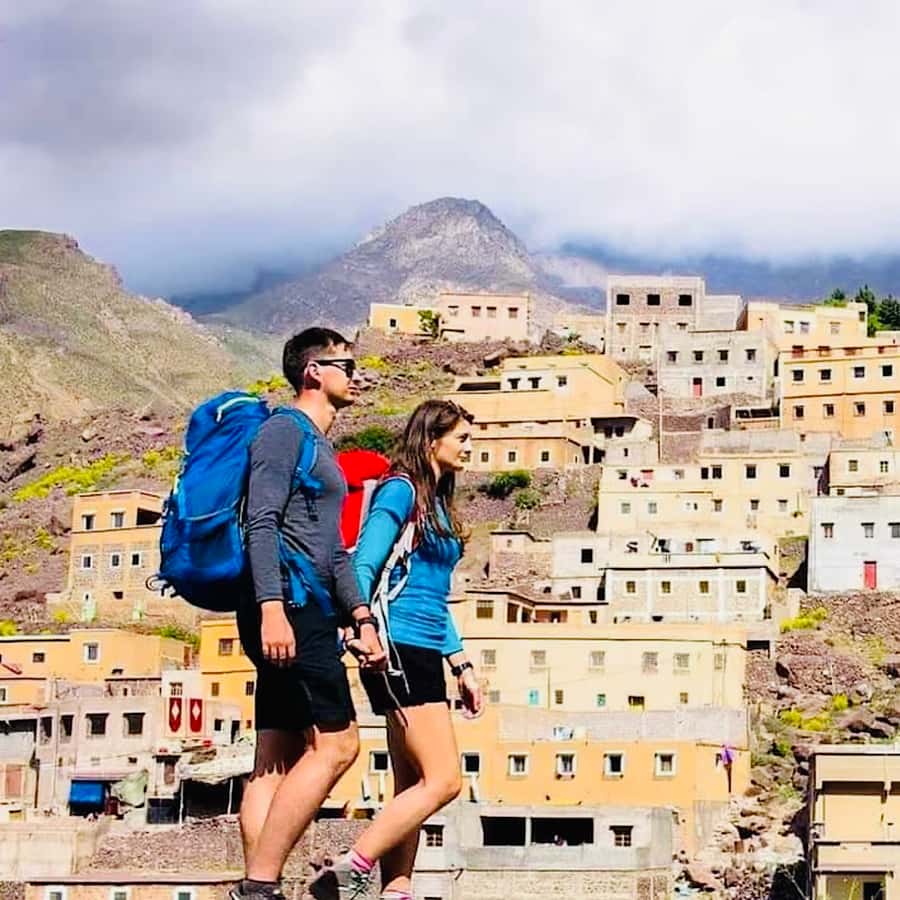
- Licensed guides who explain village life so you understand what you’re seeing, not just where you’re walking
- Family guesthouses with included meals that keep you fueled without planning anything
- Passes and valleys over a hard peak focus (great if you want culture and rural rhythm)
- Mule support for your bags so you can travel lighter most of the time
- Waterfall moments, including Azib Tamsoulte and major falls in the Toubkal area
- A trekking level that’s tough but not technical when you follow the pace set by your guide
Why This Berber Villages Trek Feels Different Than a Peak Chase
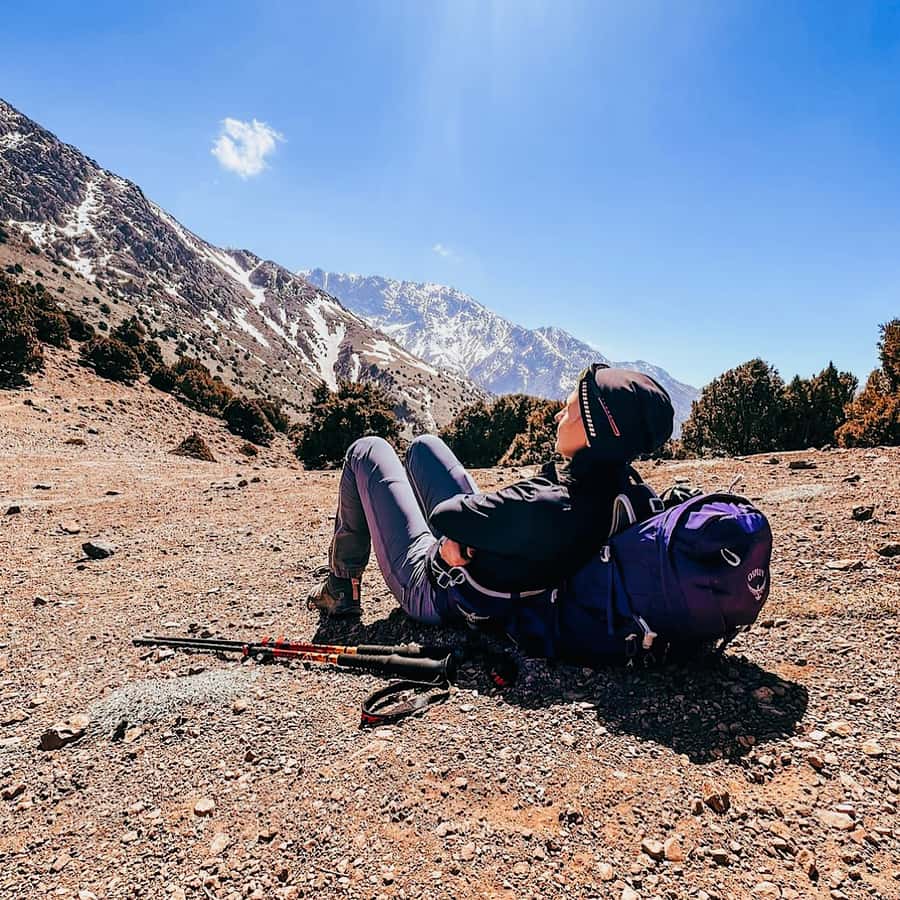
A lot of Atlas hiking is built around one big goal: climbing toward Jebel Toubkal. This route takes a different angle. You get the High Atlas drama, but you spend more time living the rural side of Morocco, walking between hamlets, and seeing how daily life fits into stone homes and mountain valleys.
The result is a trek that feels steady and personal. You’re not racing for a summit photo. You’re moving through villages, taking breaks near water, and learning how people adapt to altitude and season. It’s also a smart choice if you want an active hike, but you do not want mountaineering.
The small group size matters too. With a limit of 16 people, the day tends to feel organized and calmer. You’ll still be in a group, but it’s not the kind of crowd where you lose your place or your guide loses track of anyone.
Price also makes more sense here than many “guided nature trips.” For about $159 per person for 3 days, you’re paying for hotel transfer, a local guide, mule support, meals, and overnight accommodation. That bundle is exactly what you want on a mountain trek, where the small costs add up quickly if you plan it yourself.
More Atlas mountain days:
- Marrakech: Atlas Mountains, Ourika Valley, Waterfall & Lunch
★ 4.8 · 15,834 reviews - From Marrakech: Atlas Mountains Full-Day Hiking Trip w Lunch
★ 4.8 · 7,417 reviews - From Marrakech: Atlas Mountains Day Trip with Camel Ride
★ 4.8 · 4,709 reviews
Day One: Imlil, Tizi n’Tamaterte, and Tachdirt (First Big Views, First Village Taste)
Day one starts in Imlil at 1740 m, then you climb toward Tizi n’Tamaterte at 2300 m. After crossing the pass, you get lunch on the route before continuing to the final village for the night: Tachdirt (also listed as Tamgist) or Tinghourine depending on the setup.
What makes this first day work well is the pacing and the payoff. You’re walking 5 to 6 hours, which is enough to feel you’re earning your evening, but not so long that you arrive exhausted and grumpy. The pass lunch is especially useful. It breaks the day into two clear chapters, and you’re not left searching for food after a long climb.
Also, this is the day where you usually get practical help with bags. From real experiences on this trek, I’ve learned that you can often drop off extra items and let the mule carry what you won’t need during the hiking portion. That means you travel lighter, and you’re not hauling everything between villages.
Drawback to consider: the altitude climb is noticeable. Even though the trek is described as not technically difficult, you’ll still feel the thinning air on the upward sections. Bring water, take small steps, and let your guide set the rhythm.
Day Two: Oudit Pass and Village Walks to Ait Aissa (A Day for Rural Rhythm)
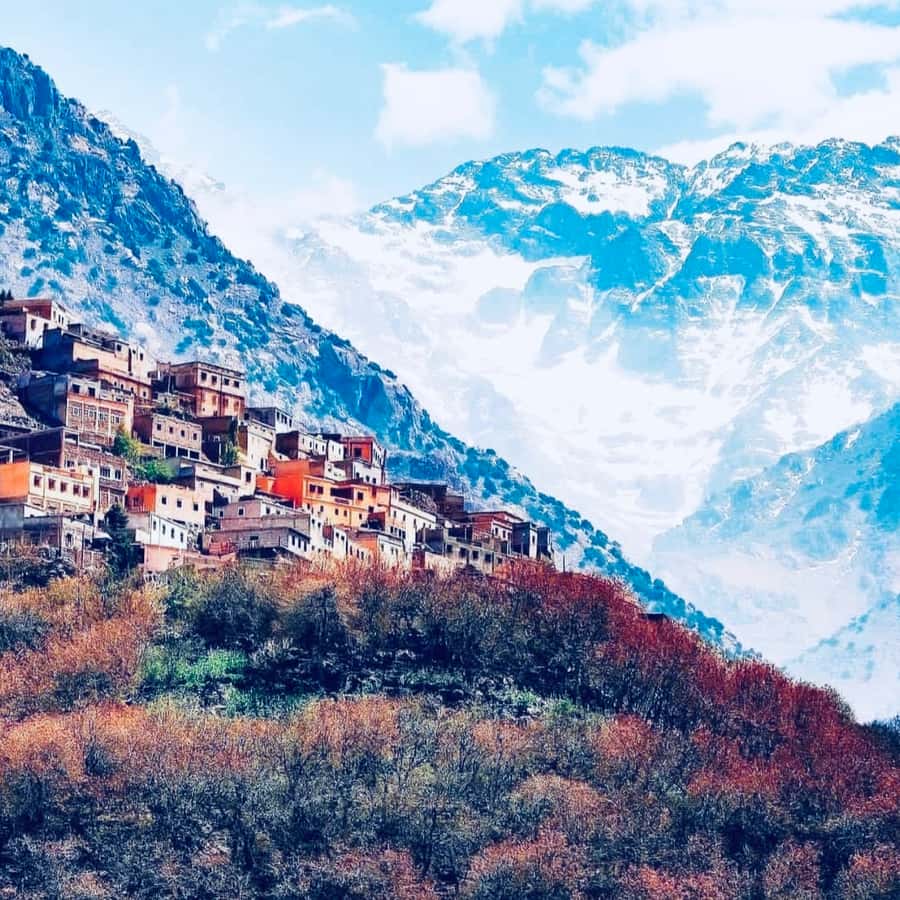
Day two is longer, 6 to 7 hours, and it’s built around village hopping along the way. You go from Tinghourine or Tachdirt toward Ikkis, then Aguersiwal (2100 m), then Matat, and finally to Ait Aissa.
You also cross the Oudit Pass (listed around 2200 m). In other words, you’re not just walking inside valleys all day. You’ll rise, cross, and then descend into the next community. That pass-and-valley pattern keeps the day interesting and gives you changing scenery without turning the trek into a technical mountaineering effort.
One detail I like for planning: the route includes multiple village names, which usually means you’re not stuck with the same “view loop.” You’re actually moving through different pockets of life. That’s where the guide’s role really matters. Guides like Mohamed, Mustapha, and Ibrahim are repeatedly credited for explaining what you’re seeing, from how villages work to how rural life changes across generations.
At the end of the day, you reach Ait Aissa. You stay in a gite, and there is an optional steam bath (hamam) if you want to use it. Even if you skip it, knowing it’s there is a nice piece of recovery planning. After 6 to 7 hours on a high-altitude day, a warm reset is not a luxury, it’s sanity.
Day Three: Waterfalls, Mzik Pass at 2500 m, and the Descent Back to Imlil
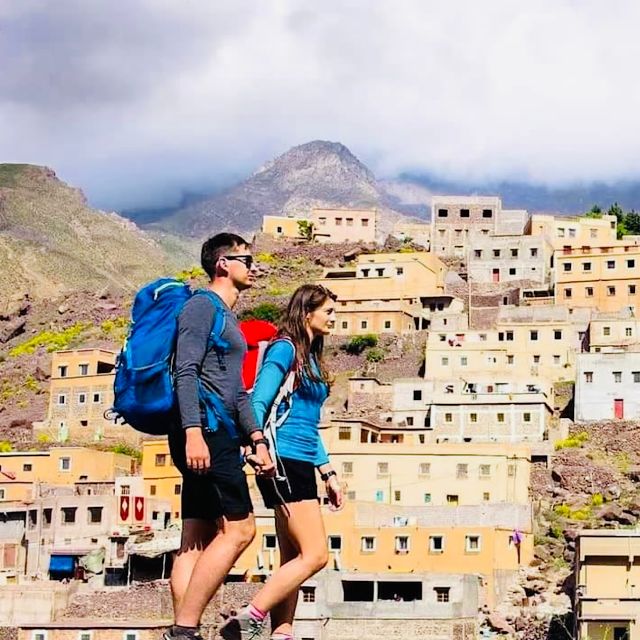
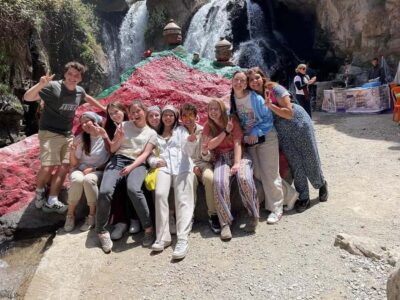
Day three starts with a visit to the biggest waterfalls in the Toubkal National Park area. Along the overall highlights, you’ll also be timed for waterfall scenery such as Azib Tamsoulte. Either way, you’re in “sound and spray” territory early in the day, which is a great contrast after two days of mainly walking and village stops.
Then you shift to the main climb: a path over Mzik Pass at 2500 m. You’ll get fantastic views over the Ait Mizan valley from up there, and you’ll also understand why people talk about the High Atlas like it’s an entirely different world from the city.
After lunch in Mzzik, you trek down to Imlil and end the trek. From there, you get the transfer back to Marrakesh.
Total hiking time on day three is listed as about 6 hours. That means it’s not a “last-day death march.” It’s a strong finish, with enough altitude drama to feel like a climax, but not so long that you’ll be limping into your return ride.
One practical note: because you’re descending on the last leg, your knees and ankles matter. Take your time in the downhill sections, keep your weight centered, and use shoes with real grip.
Other Marrakech days to consider
- From Marrakech: Ouzoud Waterfalls Guided Hike and Boat Trip
★ 4.7 · 33,630 reviews - Marrakech: Ourika Valley Trip with Waterfall Hike
★ 4.6 · 6,792 reviews - Marrakech: ourika valley lunch & guided hike to waterfalls
★ 4.9 · 3,737 reviews - Marrakesh: Ouzoud Waterfalls Trip with Hike & Boat Option
★ 4.9 · 1,435 reviews
How the Trek Actually Runs: Guide, Group Size, and Mule Help
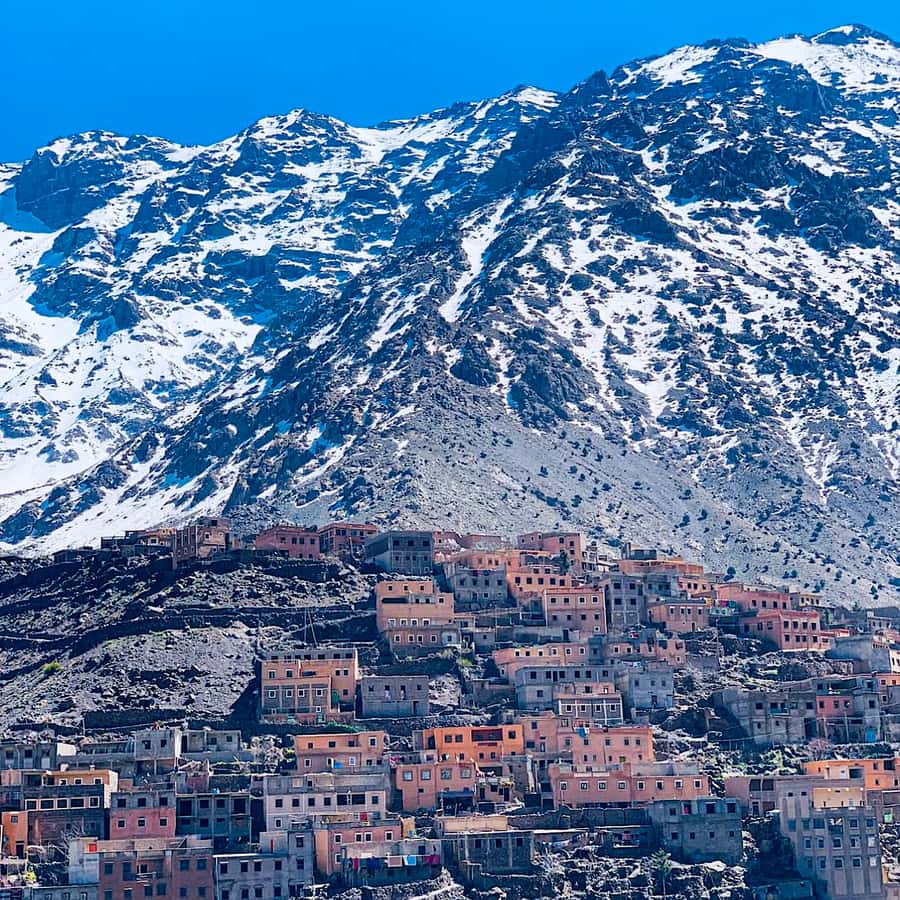
This trek is guided, and that’s not a small detail. The walking days are planned with passes and village connections, but the guide is what turns those waypoints into understanding. In real experiences, guides such as Mohamed, Abdul, Mustapha, Ismail, Ismail’s teammate partners, and Hussein are described as kind, respectful, and consistently attentive to safety and comfort.
Here’s what that means for you on the ground:
- You get route guidance across passes like Tizi n’Tamaterte, Oudit Pass, and Mzik Pass.
- You get explanations that make village architecture and daily routines click.
- You get practical pacing decisions, especially on steeper ascents and descents.
The mule adds another layer of convenience. You typically hike with less weight, while the mule carries items that you might not need right away. If you’re trying to travel efficiently, this is one of the biggest quality-of-life features on the trek.
Group size of 16 is another factor. It makes it easier for your guide to manage the line through narrow village paths and keep everyone together without constantly waiting.
Food and Sleep: Family Guesthouses, Refuges, and Basic Comfort Done Right
The trip is built around included meals. That’s one of the best ways to make a multi-day hike feel smooth. You don’t spend your energy comparing snacks or guessing where you can eat. You just show up, eat well, and keep walking.
In experiences tied to this route, the food repeatedly gets praise as amazing or delicious. That’s usually a good sign that the kitchen is treating the trek like guests with real needs, not like ticket buyers. Also, because you’re staying with families and in simple mountain places, meals often fit the local rhythms.
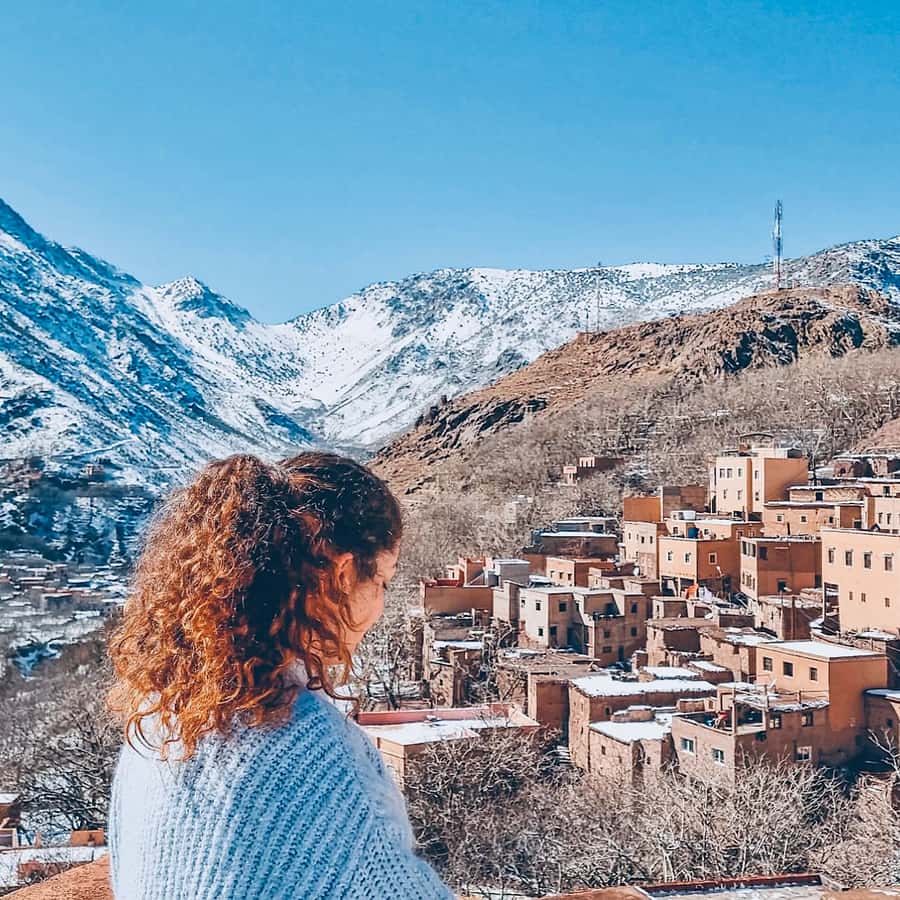
For sleeping, you’re told to expect family guesthouses. In some setups, you’ll also spend nights in refuges where you meet other travelers. The accommodations are generally described as basic, but clean, and in beautiful mountain locations.
So here’s the honest expectation: you’re not booking a resort. You’re booking comfort that fits the setting. If you like the idea of waking up in a mountain village and feeling like you’re part of that world for a few days, you’ll find the tradeoff worth it.
Practical tip from real experience: bring quick-dry towels and some loo roll. That’s the kind of small item that saves you stress when you’re dealing with mountain facilities.
Difficulty and Altitude: What Your Body Should Expect
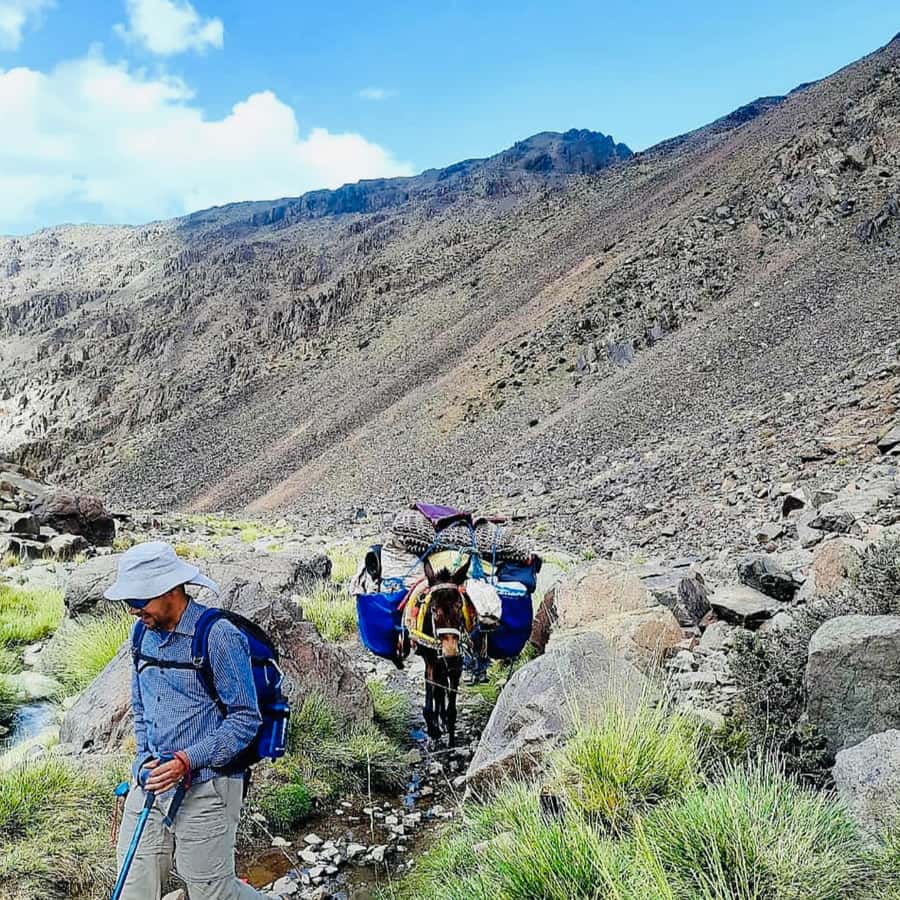
The trek is described as technically not difficult, and you do not need mountaineering experience. That’s important. But “not technical” does not mean “effortless.”
Most of the hiking happens around 2000 m, and you cross passes higher than that, including:
- Tizi n’Tamaterte at 2300 m on day one
- Oudit Pass around 2200 m on day two
- Mzik Pass at 2500 m on day three
So you should plan for:
- Steep accents and descents at times
- Your breathing working harder at altitude
- A need to pace yourself more than you would on a lower-elevation trail
If you tend to hike comfortably in the hills at home and you’re used to walking for 5 to 7 hours, you’re probably a good match. If you struggle with uneven ground or you’re dealing with mobility limitations, this route is not suitable.
Weather matters too. The tour recommends checking conditions before you book, and real experiences show that snow can force adjustments. That doesn’t mean the trip is a mess, it means you need to stay flexible and accept that mountain routes can change.
What to Pack for This 3-Day Atlas Hike (And What to Skip)
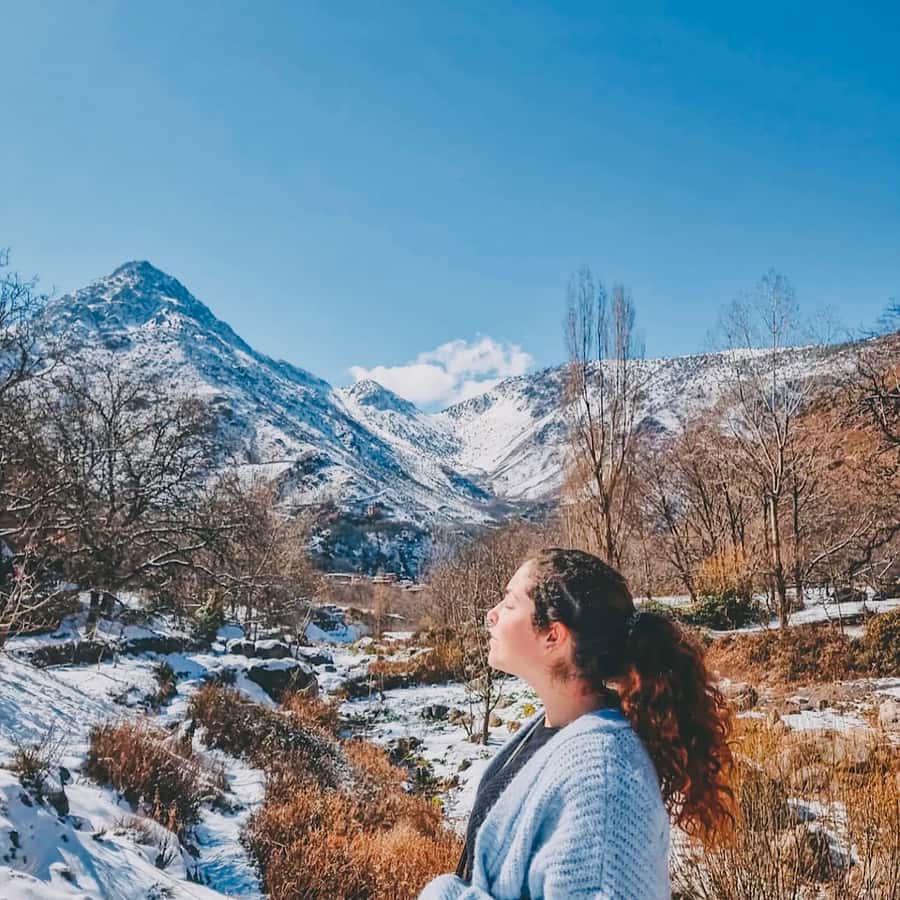
You have a short, clear packing list provided for the essentials:
- Passport
- Comfortable shoes
- Hiking shoes
- Hiking pants
- Camera
Then add the stuff that makes the trek easier in real conditions:
- A quick-dry towel (it’s small but helpful)
- Some loo roll (practical on multi-day walks)
- Weather layers, because altitude can change how cold you feel
- Anything you need for your comfort with high-altitude walking, like blister care, since you’ll be on your feet a lot
Also, aim to pack light. With mule support you can leave some items behind, but you still want to carry what you need day to day, especially water and a warm layer for the passes.
Who This Trek Is Perfect For (And Who Should Skip It)
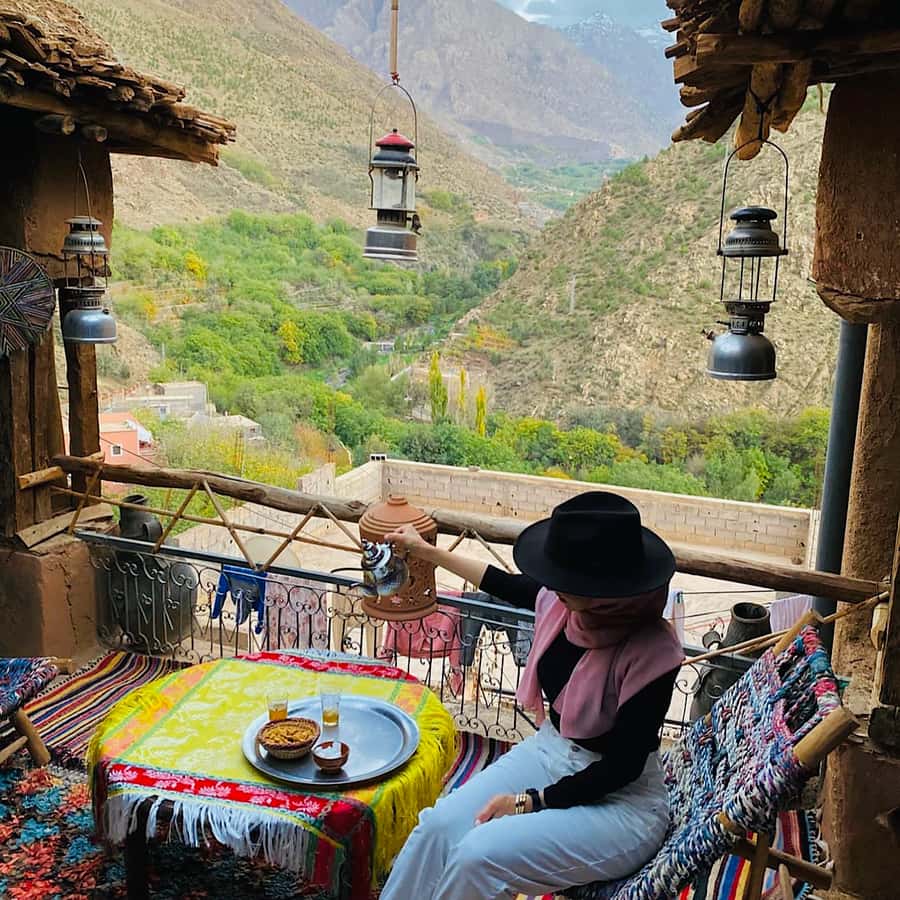
This is a strong fit if you want:
- Real Berber village life more than a summit goal
- A guided trek with time in rural communities and at least one waterfall moment
- Included meals and simple guesthouse or refuge stays
- A hike that is active and scenic but not technical
It’s less of a fit if:
- You’re pregnant or you have mobility impairments, since it’s not suitable
- You need fully accessible facilities or hotel-grade comfort
- You cannot handle altitude and steep segments, even without technical climbing
If you’re the kind of traveler who likes learning from people and walking at a human pace, this style of trek is exactly your lane.
Should You Book This Marrakech to Atlas Villages Trek?
I think you should book it if you want Morocco that feels lived-in, not staged. The guides are consistently the standout, and the combination of village stops, included meals, mule help, and guesthouse stays is a smart value for $159 per person over three days.
You should also book if you’re trying to avoid the “everybody climbs to the same peak” vibe. This itinerary keeps you focused on village life and rural valleys, with passes like Tizi n’Tamaterte and Mzik Pass delivering the big mountain feeling without turning the trip into a technical climb.
Skip or reconsider if you know you’re sensitive to steep uphill walking, altitude effects, or basic accommodations. And if you’re planning around winter conditions, expect that snow can change how the route runs.
If you fit the walking and flexibility part of the puzzle, this trek is one of the best ways to trade city time for mountain village time.
FAQ
Where do I get picked up in Marrakesh?
You’re picked up from your hotel. If your riad is in the Medina and has no car access, you’ll confirm the meeting point via WhatsApp or email 24 hours before the tour.
What languages are the guides?
The live tour guide can speak Arabic, French, Dutch, English, Spanish, and German.
How long and how hard is the trek?
It’s 3 days, with hiking about 5 to 6 hours on day one, 6 to 7 hours on day two, and about 6 hours on day three. It’s described as technically not difficult, with no mountaineering experience required, but you will face steep sections and altitude.
Is the mule included, and does it carry luggage?
Yes, mule service is included. The tour information says a mule is part of the experience, and many participants use it to help carry items between accommodations.
What will I eat and where will I sleep?
All meals are included. You’ll stay overnight at family guesthouses, with nights also described as refuges or gites depending on the day’s route.
Are there waterfall stops?
Yes. The highlights include a waterfall at Azib Tamsoulte, and day three includes a visit to the biggest waterfalls in the Toubkal National Park area.
What should I bring?
You should bring your passport, comfortable shoes, hiking shoes, hiking pants, and a camera. The tour also recommends checking the weather before booking.
Is this trek suitable for everyone?
No. It is not suitable for pregnant women or people with mobility impairments.
Latest additions near Marrakech
- Marrakech: Traditional Moroccan Crepes & Bread Cooking Class★ 4.8 · 135 reviews
- Marrakech: 3-Hour Monuments, Souks & Old Medina Walking Tour★ 4.7 · 133 reviews
- Marrakech: 3-Day Private Imperial Cities & Chefchaouen Tour★ 4.5 · 30 reviews
- Marrakech: 3-day Exclusive Desert Luxury Tour; Quad & Camels★ 4.8 · 61 reviews
- Marrakech: Guided 2-Day Trek to Imlil and Imnan Valleys★ 4.6 · 14 reviews
- Marrakech: Desert Tour with Dinner, Show and Camel Ride★ 4.9 · 150 reviews
- Marrakech: 3-Day High Atlas Mountains and Three Valleys Trek★ 4.8 · 63 reviews
- Marrakech: 2-Day Mount Toubkal Ascent Guided Tour★ 5.0 · 10 reviews
Atlas Mountains Day Trips, compared.
Atlas Mountains, Ourika Valley, Waterfall & Lunch
Read our review →
Berber villages : Atlas Mountains Day Hike from Marrakech
Read our review →
Ourika Waterfalls, Atlas Mountains, Guide + Lunch
Read our review →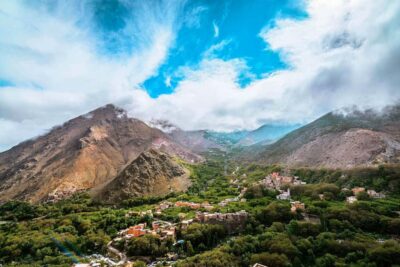
Ourika Valley Trip with Waterfall Hike & Lunch
Read our review →
Atlas Mountains & Agafay Desert Tour w Camel Ride
Read our review →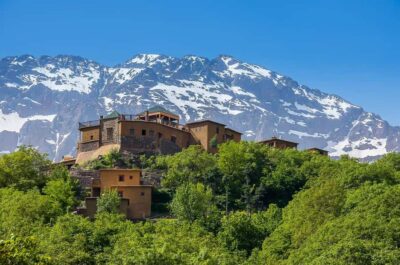
Atlas Mountains, Waterfalls, Ourika Valley +Lunch
Read our review →Browse the lists this tour appears in