
Reviewed · ATLAS MOUNTAINS DAY TRIPS
Marrakesh: 2-Day Mt. Toubkal Trek with 1-Night Stay & Meals
Marrakesh to Mt. Toubkal is a real gear-up and go climb. You start in the Imlil valley, hike up to the Toubkal Refuge at about 3,207 meters, then go for the summit of Jbel Toubkal (the highest point in North Africa). I especially like how the route mixes village life with high-mountain scenery, and how the small group size (up to 16) keeps things organized on a tough schedule. One consideration, the summit day is early, long, and sometimes weather can force changes, so you should be ready for that reality.
What makes this trek worth it is the full package feel. You get hotel pickup and drop-off in Marrakech, a local guide, one night at the refuge, and meals that keep you fueled for 5 to 6 hours of hiking on day one and 10 to 12 hours on day two. I do think the hike is genuinely challenging, so go in with comfortable shoes, a warm jacket, and an honest read on your fitness.
In This Review
- Key things I’d zoom in on before you book
- Mt. Toubkal in 2 days, what you’re really signing up for
- From Marrakech pickup to Imlil Valley start
- Day 1: Aremd, Sidi Chamarouch, and the climb to the refuge
- The night at Toubkal Refuge: simple, cold, and human
- Day 2: The early start for summit day and why it works
- If weather changes the summit plan
- Descent back to Imlil, the long legs part
- Included meals and what they mean for your energy
- Mule service for luggage, when it applies
- Guides, group size, and the safety factor that keeps showing up
- Gear checklist for Toubkal: what to bring and what to rent
- Cold, wind, and altitude stress
- Price and value: does $122 make sense?
- Who should book this Mt. Toubkal trek?
- Should you book it? My quick decision guide
- FAQ
- What’s included in the Mt. Toubkal trek price?
- What should I bring if I want to be comfortable on summit day?
- Is trekking gear included?
- What languages are the guides available in?
- How big is the group?
- Is this trek suitable for everyone?
Key things I’d zoom in on before you book
- Small group up to 16: easier pacing, easier communication, and fewer bottlenecks on steep sections
- Route includes Aremd and Sidi Chamarouch: you get more than just uphill hiking, you pass meaningful spots plus a waterfall area
- Refuge stay at altitude: dorm-style sleeping, basic but authentic mountain comfort, and warm dinner that matters after cold air
- Summit timing for sunrise: many groups start around 3:40 to 4:00 a.m. depending on conditions, aiming for dramatic light on the Atlas
- Guides are consistently praised for safety: names like Hamza, Ossama, Oussama, Ayoub, Hicham, Mustapha, and Mohamed show up often in positive feedback
- Mule support for luggage (April to November): less load for you on the steep climb when mule service is running
Mt. Toubkal in 2 days, what you’re really signing up for
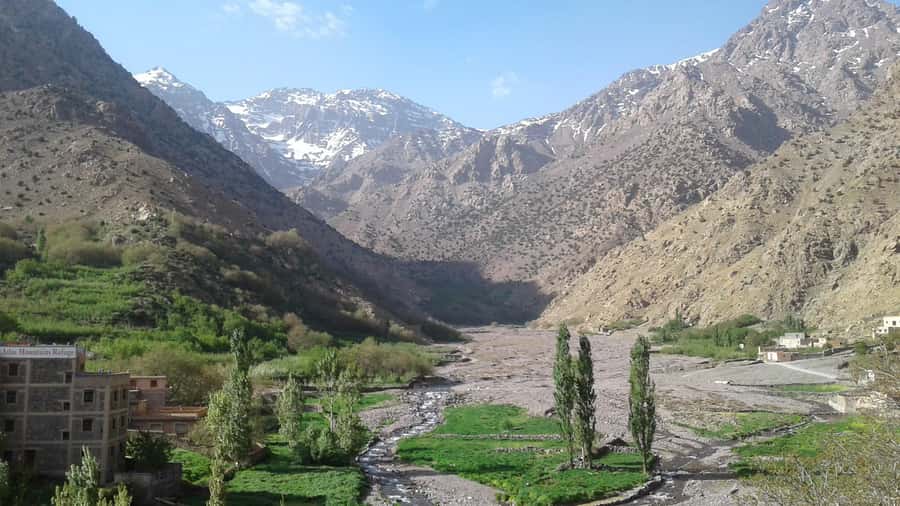
This trek is famous for a reason. Mt. Toubkal sits at the top of the High Atlas, and the climb gives you that rare mix of Moroccan valleys below and big, cold mountain energy above. In practice, the “2-day” label doesn’t mean a casual hike. You’re looking at a full day on day one to reach the refuge, then a very long, early summit push and a long descent back down.
The itinerary is built around altitude change in stages. Day one gets you from roughly 1,740 meters at Imlil up to about 3,207 meters at the refuge. Day two then takes you from the refuge up to the summit area and back down again, often in one continuous push with breakfast and packed breaks along the way.
If you like adventures with structure, this one works. If you want something gentle or short, this will feel like work.
More Atlas mountain days:
- Marrakech: Atlas Mountains, Ourika Valley, Waterfall & Lunch
★ 4.8 · 15,834 reviews - From Marrakech: Atlas Mountains Full-Day Hiking Trip w Lunch
★ 4.8 · 7,417 reviews - From Marrakech: Atlas Mountains Day Trip with Camel Ride
★ 4.8 · 4,709 reviews
From Marrakech pickup to Imlil Valley start
Your day begins in Marrakech with hotel pickup. The operator picks you up from your accommodation or from the nearest point accessible by car, which is a practical detail in the Medina where streets can get tight. Then you drive out toward Imlil valley, the usual staging point for Toubkal.
This drive matters more than it sounds. It gets you out of city traffic and into the mountains early enough to start hiking while you still have decent energy. Reviews also mention that the process is smooth for many people, with some groups meeting the minibus outside busy souks.
One small caution: transport can be imperfect sometimes. I’ve seen notes that a vehicle can break down on the way out, then get sorted quickly. Plan to stay flexible and treat it as a mountain day, not a timed city commute.
Day 1: Aremd, Sidi Chamarouch, and the climb to the refuge
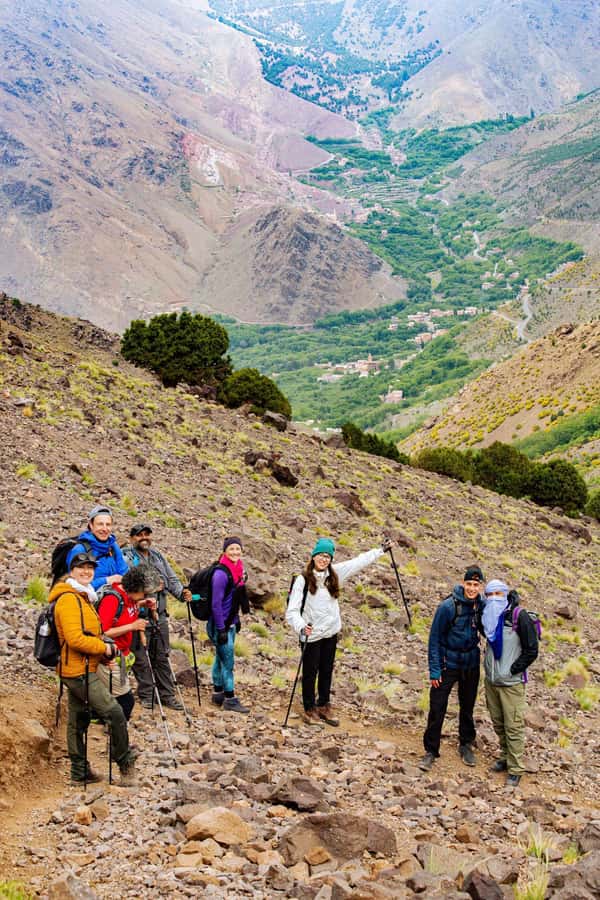
Day one has a classic feel: you leave Imlil, walk through valley and village areas, and steadily climb until you reach the refuge. The route is described as going from the valley through Aït Mizane, then toward Aremd, then the sanctuary of Sidi Chamarouch, with a nearby waterfall along the way.
What I like about this day is the pacing of your scenery. It starts more grounded, then gradually turns harsher and higher as you go. You’re hiking roughly 5 to 6 hours from Imlil at 1,740 meters to the refuge at about 3,207 meters.
Some groups also report a bit more detail on timing and distance. One review notes about a 14 km day one hike, reaching the refuge around 3,100 meters after starting near 1,800 meters. Another group mentions stopping for lunch in the middle of the climb, then pushing on to the refuge with tea and snacks ready when they arrived.
Practical takeaway: day one is your warm-up in altitude, not your warm-up in effort. You’re gaining a lot of elevation, and that means your legs and breathing both need respect.
The night at Toubkal Refuge: simple, cold, and human
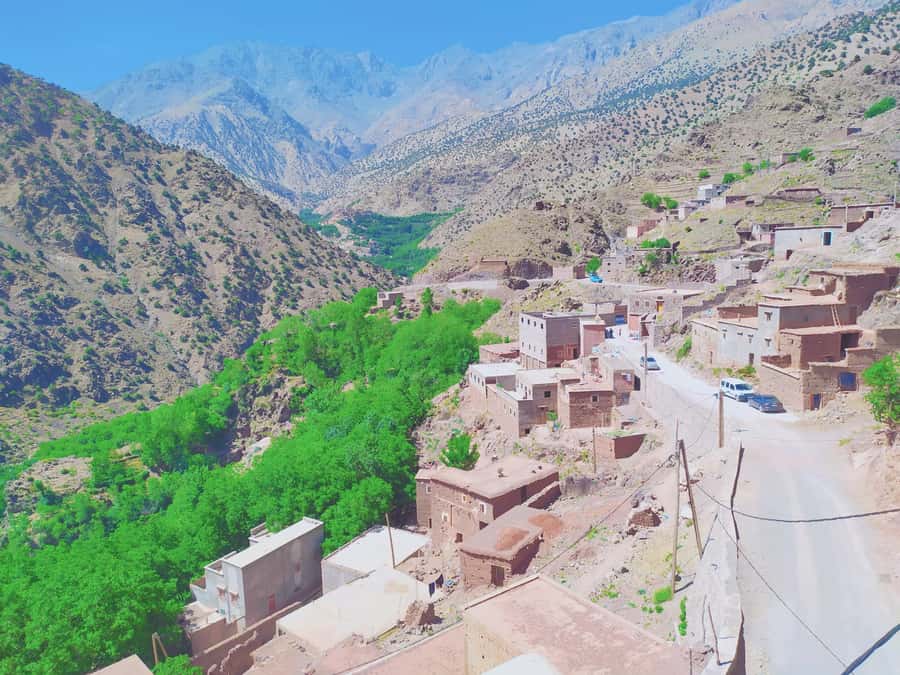
Arriving at the refuge is where the trek becomes real. You continue along steep paths, then settle in for dinner and your first night at altitude.
Here’s the honest vibe. The refuge is described by participants as cozy and authentic, with warm meals and sometimes a warm fire atmosphere. The sleeping setup is typically dorm-style, with bunk beds close together. One review specifically suggests earplugs because dorms can be loud.
That close sleeping can be a feature if you like community, and a drawback if you’re a light sleeper. The upside is that you’re not alone up there. You share the climb with a group, then you share the nighttime routine too.
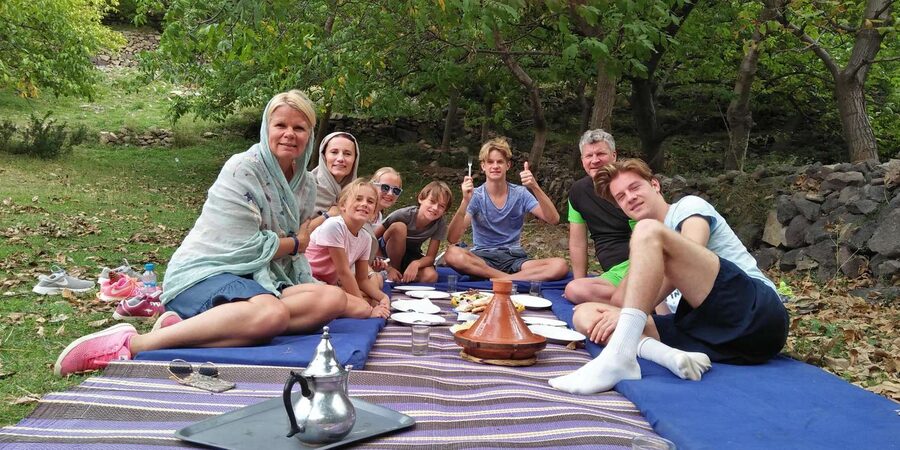
Meals are part of the comfort. Included with your trip are 1 dinner on day one plus additional lunches. People repeatedly comment on warm, well-prepared food at the refuge, and the cook or chef side of the team often gets praise for keeping everyone fueled after long hiking.
Other Marrakech days to consider
- From Marrakech: Ouzoud Waterfalls Guided Hike and Boat Trip
★ 4.7 · 33,630 reviews - Marrakech: Ourika Valley Trip with Waterfall Hike
★ 4.6 · 6,792 reviews - Marrakech: ourika valley lunch & guided hike to waterfalls
★ 4.9 · 3,737 reviews - Marrakesh: Ouzoud Waterfalls Trip with Hike & Boat Option
★ 4.9 · 1,435 reviews
Day 2: The early start for summit day and why it works
The goal day is sunrise summit time. You start early after breakfast, often around 3 a.m. to 4 a.m. depending on conditions and how the team reads the mountain. The route takes you up steep paths, crossing streams and moving through rocky sections.
This is the day that people describe as challenging. One common pattern is that the ascent feels relentless, then the descent can feel worse on your knees. Another detail to know: wind and temperature can be serious at the summit. Reviews include notes about extreme cold and wind, even in seasons where you might think snow is unlikely.
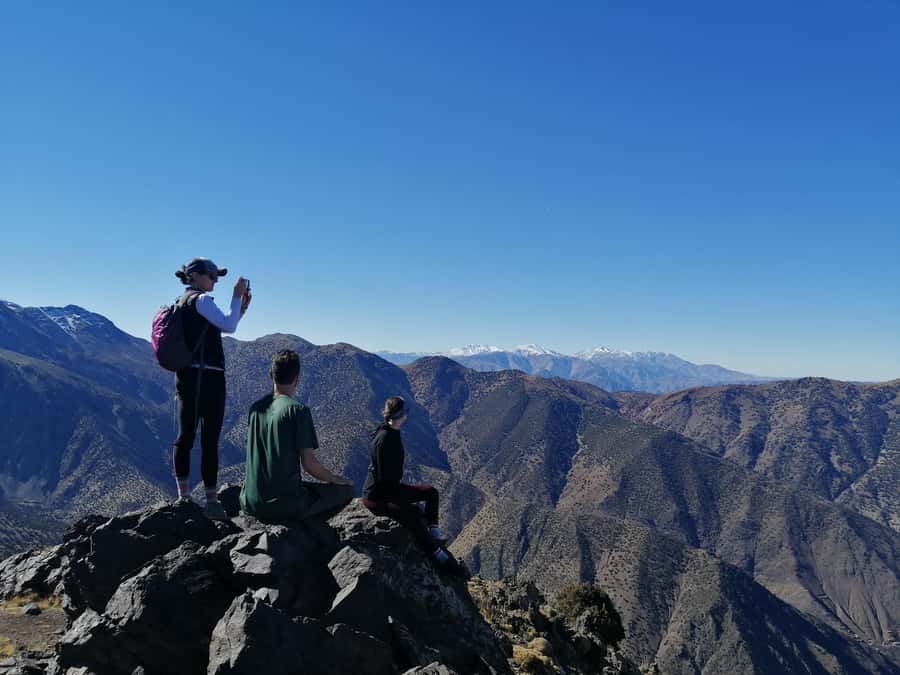
Your reward is the view. When you reach the plateau and take a break, you can see big chunks of Morocco from high up. People mention being able to see the plain of Marrakesh and the High Atlas to the north, plus the Anti-Atlas and even the direction of the Sahara to the south.
And you’re not just walking for views. The trek is designed so you reach the top at the right time for the light. Several reviews describe sunrise timing as a highlight.
If weather changes the summit plan
Here’s something you should take seriously before booking. Summit conditions aren’t always guaranteed. One review describes a situation where a snowstorm and extreme temperatures made the summit unsafe, and the decision was made by police hour by hour. The group still had the overall experience, but they did not summit that day.
So, if you’re booking strictly for a guaranteed summit, this is not the kind of trek where you can promise yourself that. If you’re booking for the mountain day itself, you’ll likely feel good about it even when conditions force changes.
Descent back to Imlil, the long legs part
After summit time, the descent starts. It’s gradual but long, and that’s where the trek tests your stamina. You work back down toward Imlil at about 1,740 meters, and then you meet the transfer point for the ride back to Marrakech.
Two key things to prepare for:
- Your legs will feel different going down than they did going up.
- Your body may be tired before you think it should be, because early mornings and cold mornings add up.
If you have trekking poles, they can help a lot on uneven rock. If you don’t, you might find you’re wishing you did.
Included meals and what they mean for your energy
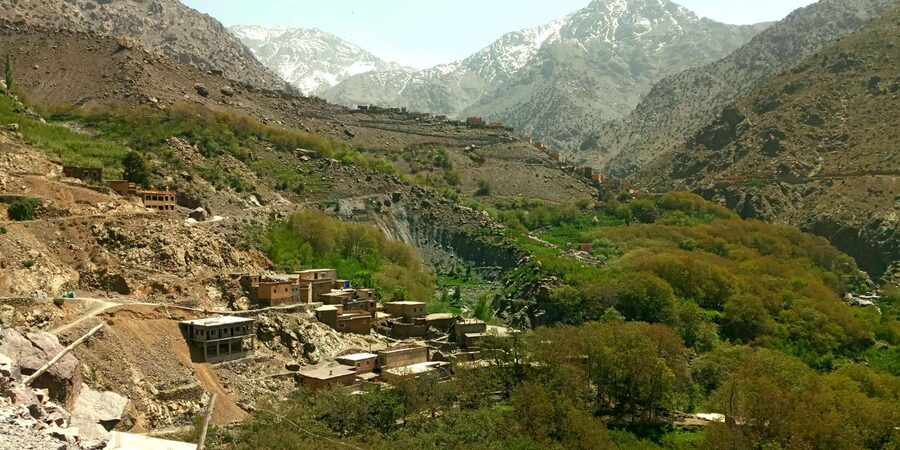
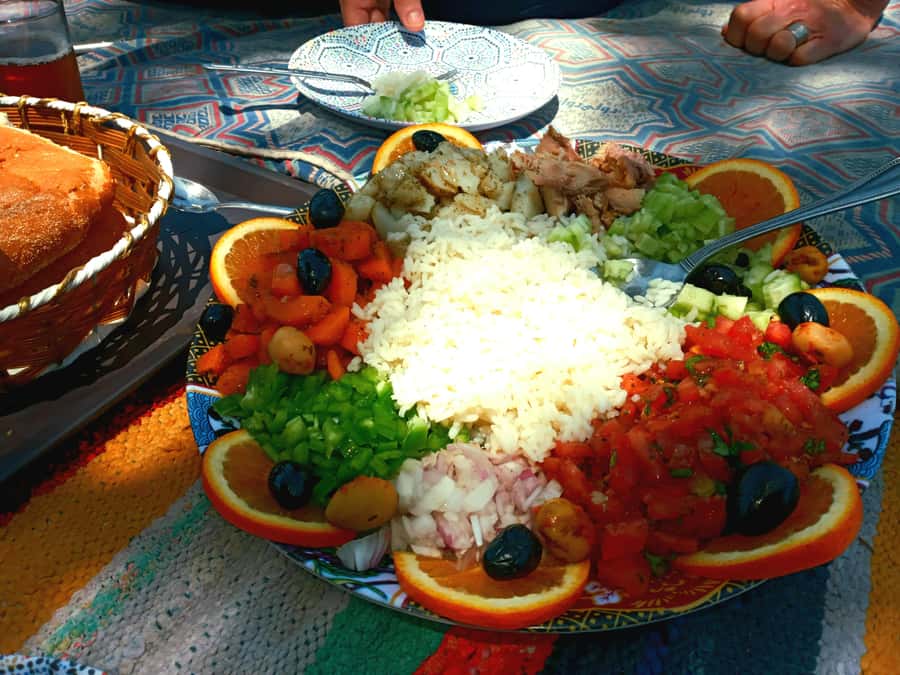
This trek isn’t just a hike, it’s a fuel plan. You get 1 breakfast, 2 lunches, and 1 dinner plus tea breaks during the trek day.
Day one typically includes stops and a lunch midway through the climb. People describe warm Moroccan meals at the refuge, and several reviews mention plenty of warm drinks like peppermint tea. One group notes they had opportunities to buy snacks or fresh squeezed orange juice along the way, which can help if you like extra calories.
Day two has breakfast before the summit push. After that, the rhythm matters. You’ll take breaks while moving through steep and rocky sections.
Mule service for luggage, when it applies
Your included support includes a mule to carry luggage from April to November. That means you can travel lighter on your body load during those months. If you’re outside that time range, your practical load might be on you more.
Either way, keep your daypack simple. Your most important items should be easy to access when you stop for breaks.
Guides, group size, and the safety factor that keeps showing up
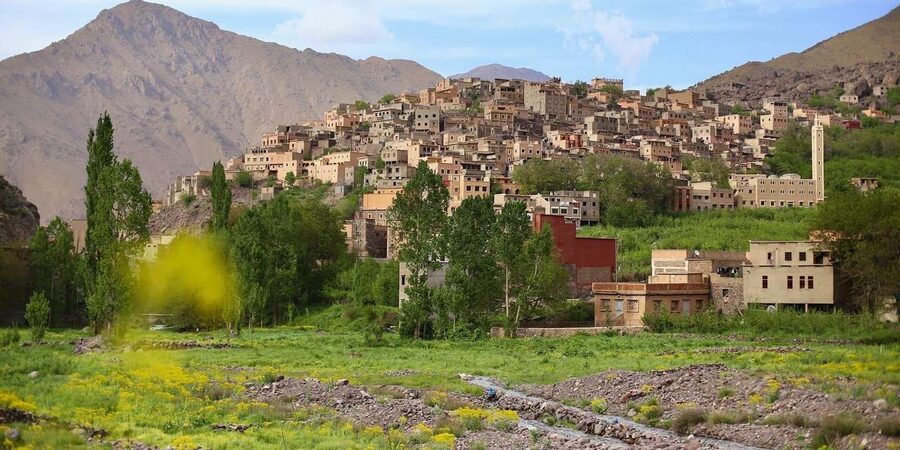
You go with a local team and a live tour guide in English, French, Spanish, or Arabic. The group is capped at 16 participants, which matters on a route where the terrain can funnel people and where early morning timing needs coordination.
The best part here is not just that the guides lead the way. It’s how often safety and pacing come up in praise. Multiple reviews mention guides going above and beyond to keep people safe, check in with the whole group, and manage different fitness levels without leaving anyone behind.
You’ll also see guide names repeatedly in positive feedback, including Hamza, Ossama, Oussama, Ayoub, Mohamed, Mustapha, Hicham, Nouredin, Youseff, Brahim, and Zakariya. While you can’t guarantee a specific name, it gives you a sense of the team culture this trek runs on: communication, careful timing, and a sense of responsibility.
Practical tip: listen to your guide on when to slow down, when to take breaks, and how to pace your breathing. Summit days are where small changes prevent big problems.
Gear checklist for Toubkal: what to bring and what to rent
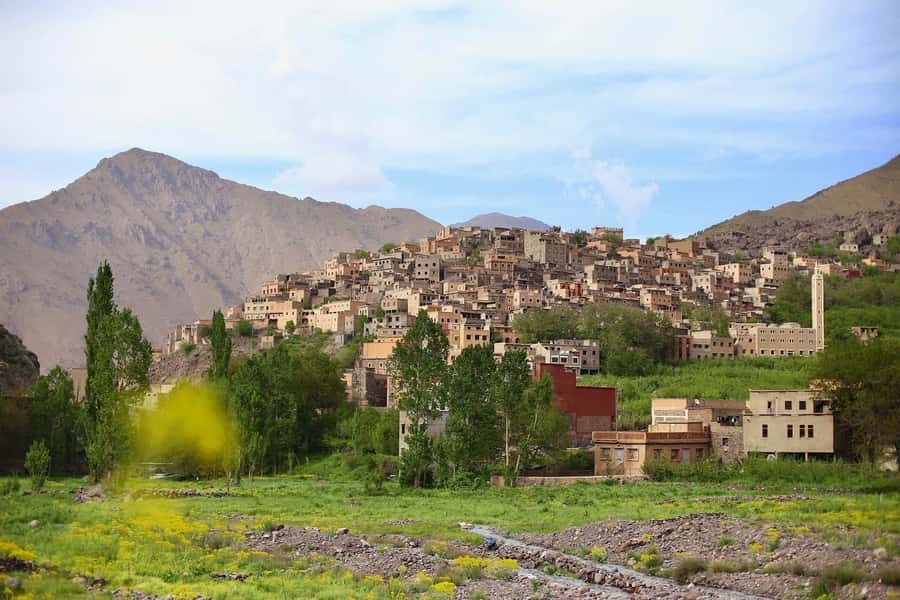
The tour does not include trekking gear, and it does not include a sleeping bag. You can rent a sleeping bag if needed. Drinks are also not included, so plan for water and any additional beverages you want.
Based on the provided packing list and on-the-ground mountain reality, here’s what I’d focus on:
- Comfortable hiking shoes or footwear with real grip
- Warm layers, including a jacket, gloves, and a hat
- Head covering or kippah if that’s part of your routine
- A daypack that fits your needs for the hike
- A charged smartphone for photos and navigation support
- Cash for small purchases along the way
- A simple first aid kit and travel insurance
Reviews also mention rental options for items like gloves, lamps or head torches, and sleeping bags at the start of the trek for some groups. If you arrive with limited gear, you likely won’t be stranded, but you should still plan to get what you need ahead of time or early enough to feel comfortable.
Cold, wind, and altitude stress
Even if the day is sunny, it can get cold higher up. Summit wind makes temperatures feel worse. If you’re someone who gets cold hands, bring gloves that actually keep warmth in.
One review also mentions using rented snow gear for colder conditions in winter. You don’t need to plan for blizzard survival on every trip, but you do need to respect that the mountain runs on weather.
Price and value: does $122 make sense?
At $122 per person for a 2-day trek, the value is mainly in what’s included. You’re not just paying for a guide and a route. Your price includes:
- Pickup and drop-off in Marrakech
- Transportation to and from Imlil
- A local guide
- One night accommodation at the refuge
- Meals (1 breakfast, 2 lunches, 1 dinner)
- Mule luggage support from April to November
Gear rental is extra, sleeping bag is extra (but available to rent), and drinks are not included.
So where does the value really land? It lands in the logistics and the human support. You don’t have to arrange a refuge stay, feeding schedule, and guide staffing while also handling transport out of Marrakech. For a short trip with big altitude goals, that saves you stress and time.
If you already own all gear and you’re comfortable planning the trek independently, the cost may feel high. If you prefer a guided, meal-supported, no-fuss experience with pickup and drop-off, it’s a solid deal.
Who should book this Mt. Toubkal trek?
This trek fits best if you:
- Are reasonably fit and can handle a long, steep climb
- Want an iconic summit experience without planning logistics yourself
- Like organized group adventures with local guides
- Don’t mind dorm-style sleeping at altitude
It is not suitable for children under 12 and it’s not suitable for people over 70. If you’re older or managing medical limits, talk with your doctor before going, and be honest with yourself about the early start and altitude.
Should you book it? My quick decision guide
Book this trek if you’re chasing the real High Atlas feel, with a proper summit day plan and the comfort of being guided and fed along the way. The biggest selling point is how structured it is for such a high-stakes climb, plus the consistent emphasis on safety and support from guides.
Skip it or choose another option if you:
- Want a low-effort hike
- Need a guaranteed summit regardless of weather
- Don’t handle cold mornings well and aren’t willing to pack warm layers
If you can handle an early alarm, a tough hike, and the possibility that weather might change summit plans, this is a memorable way to experience Morocco beyond Marrakech.
FAQ
What’s included in the Mt. Toubkal trek price?
The package includes hotel pickup and drop-off in Marrakech, transportation, a local guide, one night of accommodation at the refuge, and meals (1 breakfast, 2 lunches, and 1 dinner). A mule for luggage is included from April to November.
What should I bring if I want to be comfortable on summit day?
Bring comfortable shoes or hiking shoes, warm layers (including a jacket, gloves, and a hat), a change of clothes, a daypack, a charged smartphone, cash, and passport. A first aid kit is also recommended.
Is trekking gear included?
No. Trekking gear is not included. A sleeping bag is also not included, but it can be rented.
What languages are the guides available in?
The live tour guide is available in English, French, Spanish, and Arabic.
How big is the group?
The group is a small group limited to 16 participants.
Is this trek suitable for everyone?
It is not suitable for children under 12 and it is not suitable for people over 70.
More Evening Experiences in Marrakech
- Marrakech: Agafay Desert Sunset, Camel Ride, and Dinner Show
★ 4.6 · 35,119 reviews - Marrakech: Agafay Desert Dinner Show with Sunset Camel Ride
★ 4.8 · 3,330 reviews - Marrakech: Street Food Tour by Night
★ 4.8 · 2,838 reviews - Marrakesh: Agafay Desert Sunset, Camel Ride, and Dinner Show
★ 4.8 · 2,334 reviews
Latest additions near Marrakech
- Three valleys, Atlas Mountain, waterfalls & Agafay Desert★ 5.0 · 13 reviews
- Marrakech: Tailor-Made City Tour With Your Own Private Guide★ 4.9 · 236 reviews
- Essaouira: Surf Trip from Marrakech★ 4.9 · 31 reviews
- Surf Training and Lunch on Essaouira Day Trip from Marrakech★ 4.9 · 51 reviews
- Marrakech palm grove: Sunset camel ride★ 4.8 · 194 reviews
- Marrakech: Cycling Tour in Palm Groove with Local Breakfast★ 4.7 · 73 reviews
- Marrakech: Sunrise Desert Tour with Camel Ride and Breakfast★ 4.4 · 36 reviews
- Marrakech : Agafay Desert Sunset Camel Ride & Luxury Dinner★ 4.3 · 39 reviews
Atlas Mountains Day Trips, compared.
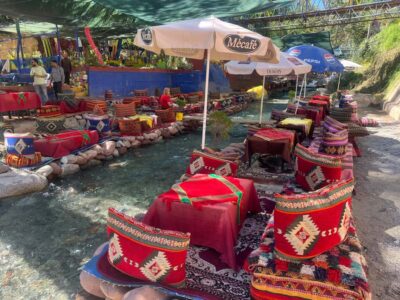
Atlas Mountains, Ourika Valley, Waterfall & Lunch
Read our review →
Berber villages : Atlas Mountains Day Hike from Marrakech
Read our review →
Ourika Waterfalls, Atlas Mountains, Guide + Lunch
Read our review →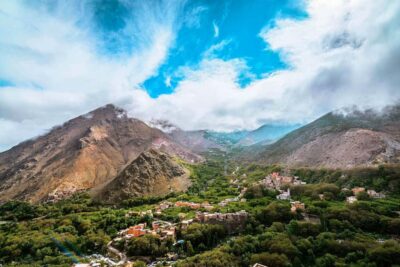
Ourika Valley Trip with Waterfall Hike & Lunch
Read our review →
Atlas Mountains & Agafay Desert Tour w Camel Ride
Read our review →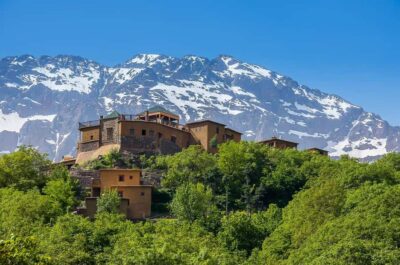
Atlas Mountains, Waterfalls, Ourika Valley +Lunch
Read our review →Browse the lists this tour appears in