
Reviewed · ATLAS MOUNTAINS DAY TRIPS
Mount Toubkal Trek: 2-Day Adventure
Mount Toubkal starts with a sunrise promise. This 2-day trek from Imlil takes you to North Africa’s highest peak with English-speaking local guides plus a team that handles meals and luggage. I also like that it’s designed as a hard walk, not a technical climb. The main catch to consider is seasonality: from November to April, you may need crampons and security equipment like an ice axe.
Expect a group adventure that still feels personal, with a refuge stay, hot drinks, and meals prepared for you. If you’re in good physical condition, you can do it. And you will want your camera, because summit light turns the Atlas Mountains into something you do not forget.
In This Review
- Key things that make this Toubkal trek worth it
- Toubkal in 2 days: what the trek really feels like
- Meeting in Imlil and Marrakech pickup timing
- Day 1 hike to the refuge, mules, and Berber meals
- Day 2 sunrise summit route, crampons season, and big views
- Guides matter: Hussein, Yassine, and pacing that keeps you moving
- Gear checklist for a camera-ready summit
- Price and value: what you pay, what you dont, and tips
- Who should book this, and who should pick a longer option
- Should you book this Mount Toubkal trek?
- FAQ
- What is the meeting time for the Mount Toubkal trek?
- Where does the trek begin?
- How long is the trek?
- Is this trek technical climbing?
- What meals are included?
- Do I have pickup and drop-off from Marrakech?
- Are mules and a cook included?
- What do I need to bring since some items are not included?
- Is there a group size limit?
- What is the cancellation policy?
Key things that make this Toubkal trek worth it
- English-speaking guidance that keeps the pace realistic from Imlil up to the refuge and onward to sunrise.
- Mules and a local cook so you hike with less weight and still eat well.
- Refuge night and Berber hospitality, a key part of the experience beyond just the summit.
- A sunrise summit plan, with big viewing angles toward Marrakech to the north and the Sahara start to the south.
- Strong organization at the meeting point in Imlil so you can find your guide quickly and get moving.
Toubkal in 2 days: what the trek really feels like
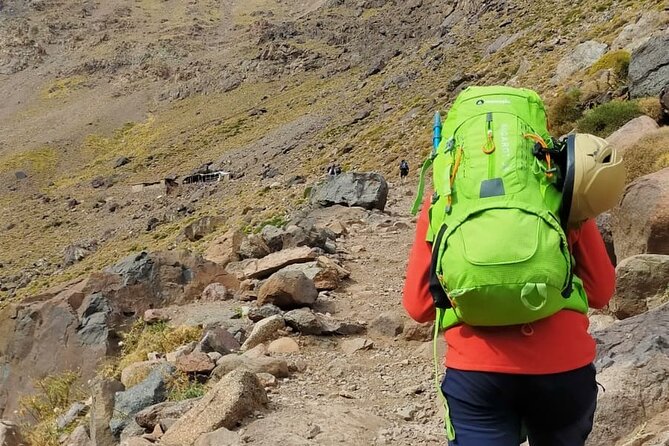
This trek is built for keen walkers. You are climbing North Africa’s highest peak, Mount Toubkal (4167m), but it is not a rock-climbing event. Think steep walking, changing terrain, and a proper workout. The guides prepare the route and manage your timing so you arrive at the summit in time for sunrise.
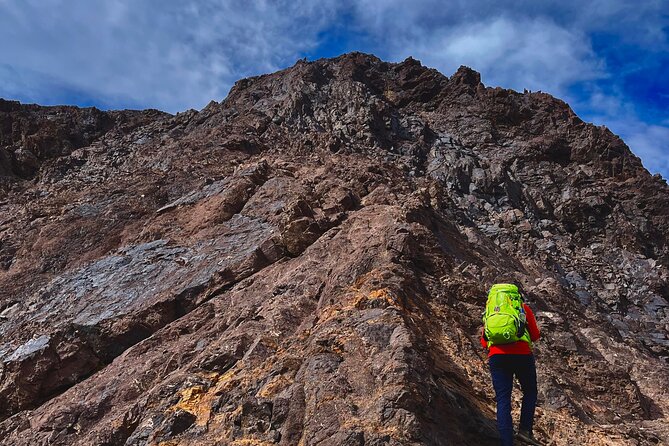
You should know what the trail can include. The ascent is described as non-technical, but you may deal with easy scrambling, and in winter you can hit snow slopes. That matters because your effort is mostly cardio and leg work, not technical rope skills. Still, the operator notes that during November to April you might walk in crampons or use an ice axe for security.
The “two days” format is what makes it both thrilling and intense. There is no slow acclimation tour here. If you are already active and comfortable hiking uphill for long stretches, you are in the right zone. If you want a gentler pace, you might consider a longer trek option that gives more time for adaptation.
More Atlas mountain days:
- Marrakech: Atlas Mountains, Ourika Valley, Waterfall & Lunch
★ 4.8 · 15,834 reviews - Berber villages : Atlas Mountains Day Hike from Marrakech
★ 5.0 · 14,007 reviews - From Marrakech: Atlas Mountains Full-Day Hiking Trip w Lunch
★ 4.8 · 7,417 reviews
Meeting in Imlil and Marrakech pickup timing
Most departures start at 8:30am, and the practical win is that you meet in Imlil at a departure point where it should be easy to spot your guide. Several guides mentioned in feedback, including Hussein and Yassine, come across as friendly and easy to talk to when you are trying to get set up quickly.
From Marrakech, you get pickup and drop-off by an air-conditioned vehicle. That is not just comfort, it is time saved. You avoid the headache of piecing together transport at the last minute, especially when you are on a tight start time.
You also get a mobile ticket, which tends to make check-in smoother. The tour runs with a group size capped at 50 travelers, so it is not a wild free-for-all. In real life, some groups can be very small, which can feel more authentic and less like a conveyor belt.
One more practical note: the meeting area is listed as near public transportation. So if your lodging plans change, you still have options to get there.
Day 1 hike to the refuge, mules, and Berber meals
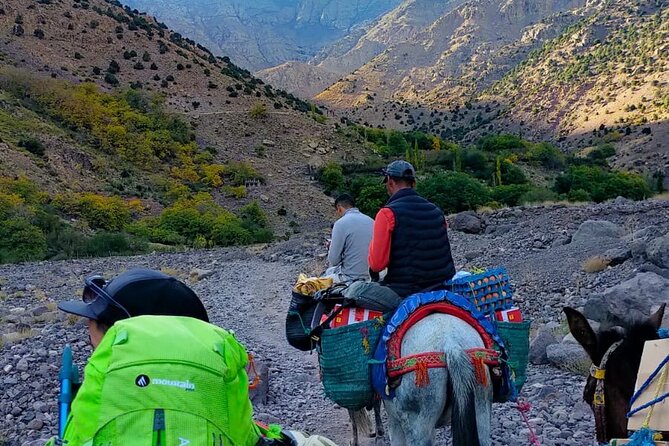
Day one is the building phase. You trek through the Atlas Mountains, and the experience is not only about getting higher. You pass green valleys and Berber villages, and your guide points out what you are seeing as you go. That small explanation piece can turn the hike from just exercise into a story you understand.
You will have support. The trek includes a local cook and pack mules to carry luggage, which matters because it lets you focus on your breathing, footing, and pace. You also get hot drinks along the way, and meals are handled for you. The setup is practical: you do the walking, your team handles the food and logistics.
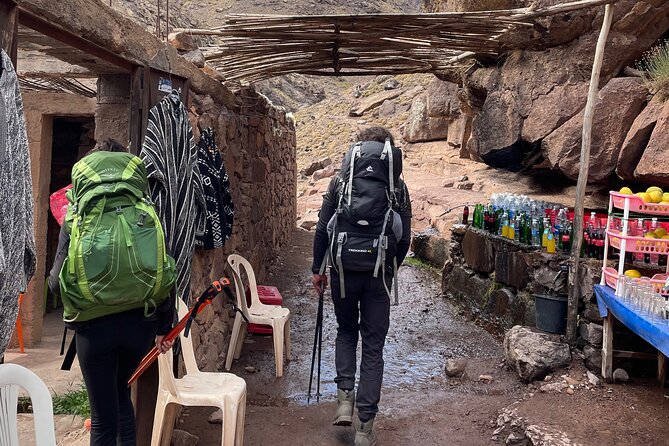
By the end of day one, you sleep at a refuge. That night is part of the value, not a footnote. You get accommodation included, plus dinner. You also get a taste of Berber hospitality, which many people remember as much as the summit itself.
The one drawback to keep in mind for day one is that you are still earning the sunrise. Even though it is described as a challenging walk rather than a technical climb, day one can feel long if you rush it. The best advice is simple: let your guide set the pace. People who reach the summit tend to conserve energy from the first uphill step.
Day 2 sunrise summit route, crampons season, and big views
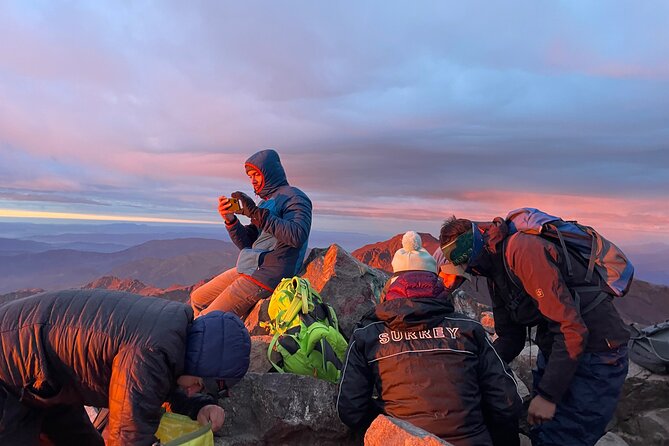
The rhythm on day two is early. You start with an early breakfast, then you push for the summit so you can reach it as the sun rises. Sunrise is not just pretty. It also shapes your hiking window and helps you get clear visibility over the surrounding peaks.
When you climb, your guide takes you along the best route and keeps an eye on how everyone is doing. Feedback highlights guides who stay close, check in when you need help, and keep you moving without panic. That is especially useful because you may hit easy scrambling sections or snow slopes depending on the time of year.
From the summit, the reward is broad and dramatic. You can expect views across the mountains toward Marrakech to the north, and you can also look toward the start of the Sahara to the south. The “big picture” effect is real at 4167m, and it is the moment most people came for.
If you are hiking in the Nov to Apr window, remember the equipment note. The operator indicates crampons or possibly ice-axe use for security. That changes the feel of the trek, but it is still framed as non-technical climbing. You just need the right gear for traction and safety.
Also, bring your camera. Several guides mention spectacular views, and one of the clearest patterns in feedback is that the sunrise makes every sweat drop feel worth it.
Other Marrakech days to consider
- From Marrakech: Ouzoud Waterfalls Guided Hike and Boat Trip
★ 4.7 · 33,630 reviews - 3 Days Desert Tour From Marrakech To Merzouga Dunes & Camel Trek
★ 5.0 · 10,125 reviews - Marrakech: Ourika Valley Trip with Waterfall Hike
★ 4.6 · 6,792 reviews - Marrakech: ourika valley lunch & guided hike to waterfalls
★ 4.9 · 3,737 reviews
Guides matter: Hussein, Yassine, and pacing that keeps you moving
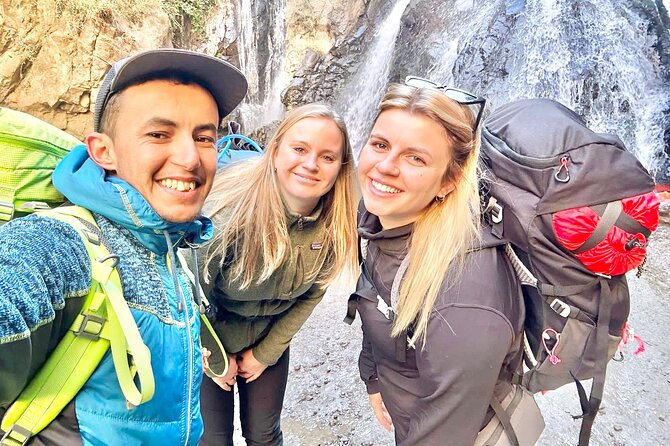
If you take one thing from this review, make it this: your guide is the difference between a tiring day and a memorable one.
In feedback, Hussein is described as the best type of companion, friendly and good company. Yassine shows up repeatedly as attentive, helpful when equipment questions come up, and focused on pacing. People specifically call out that he checks whether you are OK and keeps you on track without leaving you behind.
There is also a “comfort level” theme. Guides were praised for keeping the walk manageable for people who might be slower. One review even mentions that the guide helped them reach the top because they were slower due to being new to this type of hike. That is the kind of support that turns “I hope I can” into “I did.”
Some guides also add culture and personality. One person notes that Yassine can sing well, and another mentions he explained mountains and culture along the route. That kind of storytelling is not mandatory, but it makes the experience feel more rooted in the Atlas, not just an achievement run.
And yes, guides in small groups can feel extra authentic. The tour cap is 50, but you might find yourself in a smaller group, which tends to mean more personal attention and less waiting around.
Gear checklist for a camera-ready summit
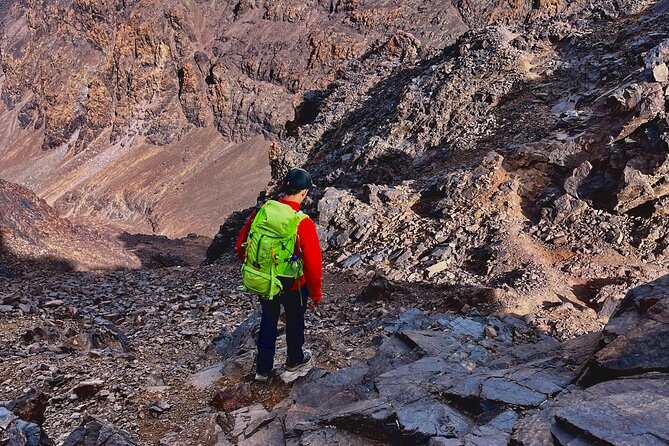
You do not need to show up as a mountaineer. But you do need to prepare like you are going into mountain weather. The trek is physically demanding, and the summit day can feel colder, especially if conditions include snow slopes.
Here’s what the provided details make clear, plus what you should plan around:
Bring a camera. Summit views are a key highlight, and sunrise in the Atlas is a big deal on this route.
Plan for footwear and cold weather. The tour notes that in Nov to Apr, you may be walking with crampons or holding an ice axe for security. Even if you are not personally using those tools, you should be ready for traction and colder conditions.
Bottled water and towels are not included. So pack or buy them yourself. Water is usually essential in a high, dry mountain environment, and towels help after sleeping at a refuge.
If you do not have equipment, you might be able to rent what you need in Imlil. At least one review describes renting gear there if you do not have it. Still, do not assume. If your booking is coming up fast, ask what will be available and what you should bring.
Finally, pack light. You have mules carrying luggage, but you are still the one hiking. Keep personal items essential and easy to access.
Price and value: what you pay, what you dont, and tips
The price is listed at $232.29 per person for the 2-day trek. At first glance, it can seem steep. Then you look at what’s included.
Included:
- Accommodation for the refuge night
- Breakfast, dinner, and two lunches
- Local guide
- Pickup and drop-off in an air-conditioned vehicle
- A supported setup with meals and hot drinks prepared by the team, plus mules for luggage
Not included:
- Tips
- Bottled water
- Towels
- Assurance travel
So where’s the value? You are paying for more than a guide with a flag. You are paying for a staffed logistics system: people to lead you, people to cook, and animals to carry luggage. You also get covered meals, which is a big cost saver when you are in mountain villages where options can be limited.
You also get time efficiency. Pickup from Marrakech and a structured start time in Imlil reduce the daily chaos that often ruins mountain plans.
One note on tips: tipping is not included, so you should budget for it if you want to reflect the effort of guides and cooks. The tour does not dictate a number, but it does make clear that tips are your responsibility.
If you are booking, the average booking window is 22 days in advance, which suggests demand is real. If you want flexibility, earlier is usually smarter.
Who should book this, and who should pick a longer option
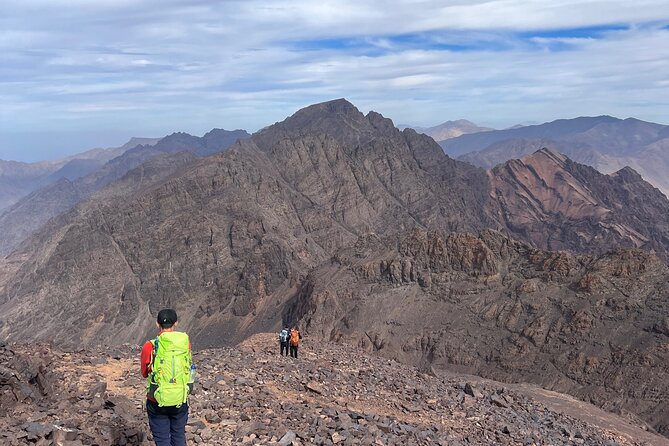
This trek is for you if you are in good physical condition and you want a challenge that is a lot of walking. It is described as a challenging walk rather than a climb, and that is the point. You do not need technical climbing skills for the non-snow season style of this trip.
You should also be comfortable with a high-stakes time window. Day two is summit sunrise. That means you need to hike with the group plan and accept that you will be moving early.
Where to think twice:
- If you are not used to hiking uphill for long stretches, this may feel like too much in two days.
- If you are nervous about cold and snow conditions, plan carefully for the Nov to Apr period and make sure you have what you need.
- If you want a more leisurely pace with more recovery time, a longer trek might suit you better.
The upside is that guides are actively focused on pacing. Feedback repeatedly highlights guides staying available, helping with equipment questions, and checking in. That makes the trek feel reachable for many hikers.
Should you book this Mount Toubkal trek?
I think this is a strong pick if your goal is the summit of Mount Toubkal in a time-efficient way, without turning the trip into a technical climbing course. The combination of a local English-speaking guide, mules, and a refuge night with meals handled for you is where the value lives.
Book it if:
- You want a guided, supported hike with a clear plan to reach the summit at sunrise
- You like the idea of Berber hospitality at the refuge, not just a day hike
- You are ready for a tough two days and you can follow pacing
Consider another option if:
- You need more time to acclimate or prefer a less intense schedule
- You are unprepared for cold conditions in the winter window
- You do not want to manage items not included, like water and towels, or plan for possible equipment needs
If you are ready for grit, good support, and a summit view that hits hard, this trek is a solid way to experience the Atlas Mountains beyond the postcard.
FAQ
What is the meeting time for the Mount Toubkal trek?
The start time is listed as 8:30am.
Where does the trek begin?
The trek is designed around meeting your guide at Imlil.
How long is the trek?
The duration is listed as 2 days (approx.).
Is this trek technical climbing?
It is described as a challenging walk rather than a climb. In November to April, you may use crampons and you may need ice-axe security for conditions.
What meals are included?
The trek includes breakfast, dinner, and 2 lunches.
Do I have pickup and drop-off from Marrakech?
Yes. The tour includes pick up & drop off with an air-conditioned vehicle.
Are mules and a cook included?
Yes. You trek with a local guide, a local cook, and mules to carry luggage.
What do I need to bring since some items are not included?
Tips, bottled water, and towels are not included, so you should plan for those. Assurance travel is also not included.
Is there a group size limit?
Yes. The tour has a maximum of 50 travelers.
What is the cancellation policy?
Free cancellation is allowed up to 24 hours in advance for a full refund. If you cancel less than 24 hours before the start time, you do not get a refund. Weather cancellations can also lead to a different date or a full refund.
Latest additions near Marrakech
- Yves Saint Laurent Musuem Entrance Ticket★ 3.5 · 12 reviews
- Yoga and Wellness Half-Day in an Authentic Marrakech Riad★ 5.0 · 28 reviews
- Lamsaty Pottery Workshop with Moroccan Tea★ 5.0 · 75 reviews
- Dani’s Authentic Medina Walking Tour★ 5.0 · 65 reviews
- Marrakech Jewish Heritage and souks Tour★ 5.0 · 24 reviews
- Women’s Ultimate Adventure Morocco★ 5.0 · 22 reviews
- Vegetarian and vegan cooking class★ 4.5 · 35 reviews
- Marrakech Desert Dinner Show & sunset camel ride – Authentic★ 5.0 · 22 reviews
Atlas Mountains Day Trips, compared.
Atlas Mountains, Ourika Valley, Waterfall & Lunch
Read our review →
Berber villages : Atlas Mountains Day Hike from Marrakech
Read our review →
Ourika Waterfalls, Atlas Mountains, Guide + Lunch
Read our review →
Ourika Valley Trip with Waterfall Hike & Lunch
Read our review →
Atlas Mountains & Agafay Desert Tour w Camel Ride
Read our review →
Atlas Mountains, Waterfalls, Ourika Valley +Lunch
Read our review →Browse the lists this tour appears in