
Reviewed · MOROCCAN COOKING CLASSES
Vegetarian and vegan cooking class
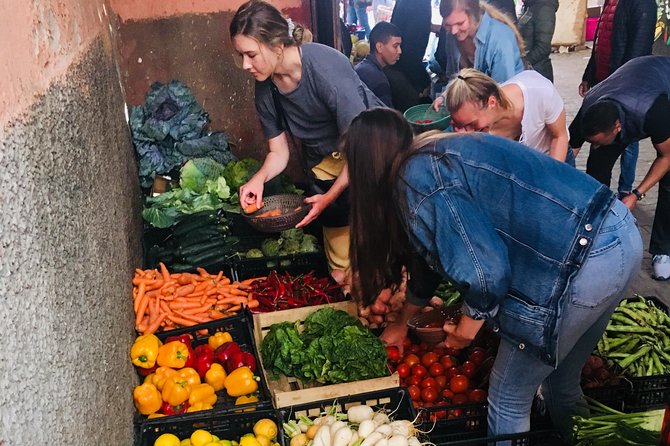
Mint tea and a vegan tagine in the medina. This small group class starts at Bab Doukkala Mosque and takes you into the old souk, then back to a home kitchen in the heart of Marrakech. You’ll shop for fresh ingredients, cook classic Moroccan dishes step by step, and end with the shared meal and traditional mint tea.
I like the family atmosphere, because it feels less like a demo and more like learning at someone’s home. I also love that you make the meal and then eat it, so you leave with both skills and a full belly.
One thing to keep in mind: this is not strictly exclusive vegan. The class is designed around a vegan and vegetarian Moroccan meal, but other participants may be cooking different menus at the same time.
In This Review
- Key things to know before you cook
- From Bab Doukkala Mosque to the old souk
- The souk stop: where you learn what to buy and why
- Cooking in Dounia’s home kitchen, medina style
- A note on mixed menus
- Tagine technique and Moroccan spice building, explained in plain language
- Mint green tea: a small ritual that changes the whole meal
- Food prep comfort and cleanliness: what to check
- How long it takes, and what the 3 hours really include
- Price and value: $44.32 for shopping, cooking, and a sit-down meal
- Who this Marrakech cooking class fits best
- Should you book this Marrakech vegan and vegetarian cooking class?
- FAQ
- Where does the cooking class start?
- How long is the cooking class?
- Is it a fully vegan class with no meat involved?
- Do we visit the souk during the experience?
- How big is the group?
- Can the host accommodate allergies or dietary needs?
Key things to know before you cook
- Bab Doukkala Mosque is the meeting point, and the tour ends right back there
- Souk ingredient shopping is part of the experience, not a quick photo stop
- Up to 8 people keeps the class relaxed and manageable
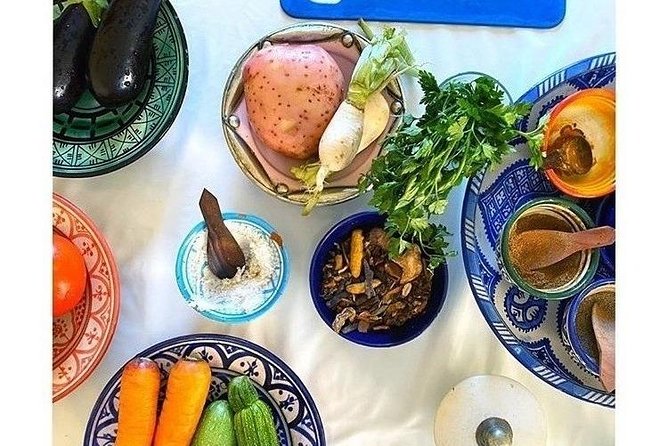
- Dounia’s home kitchen is where you cook, eat, and make mint tea together
- Not exclusive vegan means you may sit near people cooking meat, even if your menu is vegan/vegetarian
- Allergy and dietary requests can be accommodated, so tell the host ahead of time
From Bab Doukkala Mosque to the old souk
Your afternoon starts at Mosquée Bab Doukkala in Marrakech. It is a clear landmark, and the tour ends back at the same meeting spot, so you are not spending your evening trying to find your way through the medina.
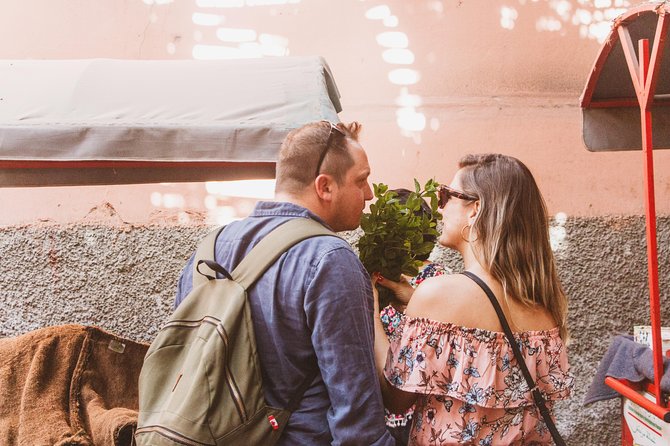
Once everyone meets, you head into the old souk. This matters more than people think. In Marrakech, ingredients do not just sit on shelves like they do at home. You get a front row view of what is fresh, what is in season, and how Moroccans think about building flavor. You are not just watching from the sidelines, you are part of the ingredient shopping that sets up the rest of the cooking.
This is also where the tone of the class clicks. The hosts create a warm, family feel, and that makes it easier to ask questions while you are surrounded by spices, produce, and everyday cooking staples.
More Cooking Classes in Marrakech
- Marrakech: Moroccan Cooking Class with Pickup
★ 4.6 · 1,862 reviews - Marrakech: Traditional Moroccan Cooking Class & Market Visit
★ 4.8 · 1,861 reviews - Marrakesh: Moroccan Dishes Cooking Class with a Local Chef
★ 5.0 · 1,615 reviews
The souk stop: where you learn what to buy and why
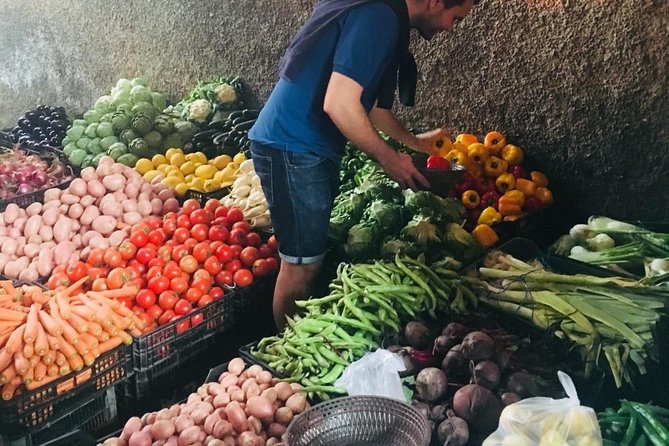
The souk portion is simple but powerful. You walk through the market to buy the fresh ingredients you will later use in your Moroccan meal. That small shift, from menu to ingredients, helps you understand Moroccan cooking as a system.
Here’s what you should pay attention to during the shopping walk:
- Spices and dried goods: Even if you do not buy anything, notice how spices are grouped and used
- Fresh produce: Your final dishes depend on the quality and ripeness you pick that day
- How the host frames choices: You learn what matters for flavor, not just what looks pretty
If you are a cautious shopper, you will probably like this section. The host and team guide you toward practical buys you will actually use in the cooking steps, instead of turning it into a forced shopping spree.
One more detail that shows up later: spices are often available to buy after the class too, though it is not pushed hard. If you want to take something home, this is the moment.
Cooking in Dounia’s home kitchen, medina style
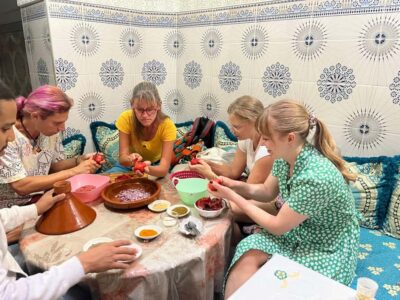
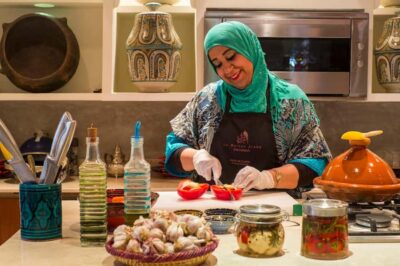
The class takes place at Dounia Alaoui’s house, located in the heart of the medina. That location is part of the authenticity. You are not in a generic studio with a single countertop for everyone. You are in a real home setting, with that Moroccan rhythm where people move between cooking, talking, and tasting.
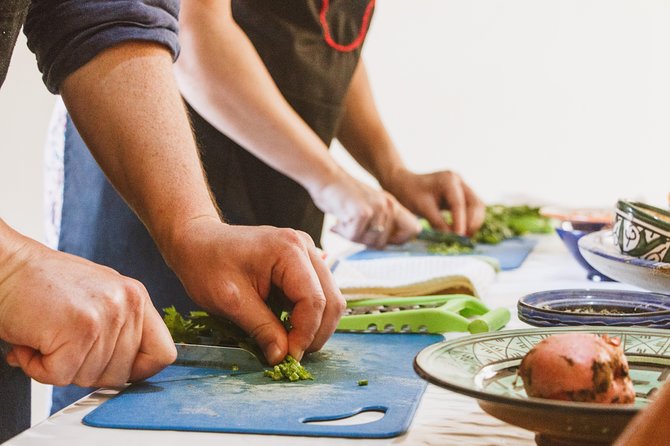
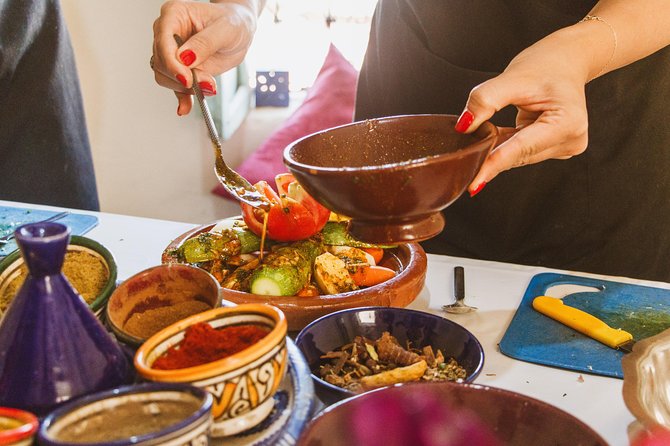
You will follow step-by-step preparation for typical Moroccan dishes, with the menu focused on vegan and vegetarian options. The goal is not just to make one finished plate. You learn the “how,” from prepping ingredients to combining flavors the Moroccan way.
In the cooking session, you can expect to work together on dishes such as:
- Vegetarian tagine (often mentioned as a highlight)
- Moroccan starters made together as a group
- Dessert and fresh salads in at least some menus
- Moroccan mint tea preparation with everyone involved
Because the menu can vary by day and by what other participants are cooking, focus on learning techniques. The best value is being able to recreate the method once you are home.
A note on mixed menus
This is a vegetarian and vegan cooking class, but it is not exclusively vegetarian/vegan. Some people may cook meat in a separate setup or at the same time. If you are hoping for a fully like-minded, meat-free table experience, go in with clear expectations. If you are mostly there to learn Moroccan vegan and vegetarian cooking, this format usually still works well because your menu and your cooking steps are built for you.
Within striking distance:
- Marrakech: Agafay Desert Sunset, Camel Ride, and Dinner Show
★ 4.6 · 35,119 reviews - From Marrakech: Ouzoud Waterfalls Guided Hike and Boat Trip
★ 4.7 · 33,630 reviews - Marrakech: Agafay Desert Quad & Camel Rides with Dinner Show
★ 4.8 · 27,382 reviews - Marrakech: Agafay Desert Quad Biking Tour with Dinner-Show
★ 4.8 · 16,569 reviews
Tagine technique and Moroccan spice building, explained in plain language
Tagine is one of those dishes that looks simple until you try to make it yourself. In class, you learn how vegetables, seasoning, and simmering come together into a finished result that tastes like Morocco, not like a generic vegetable stew.
What I like about this kind of instruction is that it tends to focus on practical technique:
- Layering flavors with the right spices at the right stage
- Cooking until vegetables turn tender and sauces become cohesive
- Understanding how mint tea fits the meal, so the flavors feel balanced
You also get a group learning format where the host and assistants guide you through what to do next. Several people highlight that the hosts are accommodating to different cooking levels, so even if you are not confident in the kitchen, you are not expected to already know Moroccan methods.
If you are more experienced and hungry for conversation, you might want to bring your curiosity. One consideration from past participants is that, in some sessions, the dialogue can feel less animated than expected, with more of the process passed hand to hand. The fix is easy: ask for clarifications while you cook, and prompt the host to explain the “why,” not just the “do this next.”
Mint green tea: a small ritual that changes the whole meal
Moroccan mint tea is not just a drink. It is part of the hospitality. In this class, you prepare the tea all together, which makes it feel like a real family moment rather than an afterthought.
You’ll learn the mint tea preparation steps while you are still in the cooking flow. Then you sit down and enjoy what you made, alongside the tea.
Why that matters for your experience: Moroccan cooking is about balance. The tea adds a bright, cooling note that cuts through the spices and richness of tagine. When you make it yourself, you understand how people in Morocco actually end a meal.
If you love tea, you will probably remember this part for longer than the recipes. It is one of the easiest things to practice later at home, too, as long as you have fresh mint and the basics of the tea routine.
Food prep comfort and cleanliness: what to check
Most cooking classes are run fast, with shared tools in a home setting. One criticism you should take seriously is that some participants found the cutting boards in less-than-perfect condition.
This does not automatically mean the whole kitchen is unsanitary. Still, if hygiene is a big deal for you, do what you would do anywhere: when you arrive, glance at the prep surfaces, and if something looks worn, calmly ask the host about replacements or extra clean boards. A good host will understand the concern quickly, because everyone wants a comfortable, safe cooking space.
It is also worth saying: the class generally comes across as warm and welcoming, and the food itself is frequently described as delicious and satisfying. If you can handle minor logistics, you can still get a lot of value from the hands-on cooking and shared meal.
How long it takes, and what the 3 hours really include
The duration is about 3 hours. In real terms, that time usually becomes:
- Meet at Bab Doukkala Mosque
- Walk and shop in the old souk
- Cook Moroccan vegan and vegetarian dishes in Dounia’s home
- Make Moroccan mint tea together
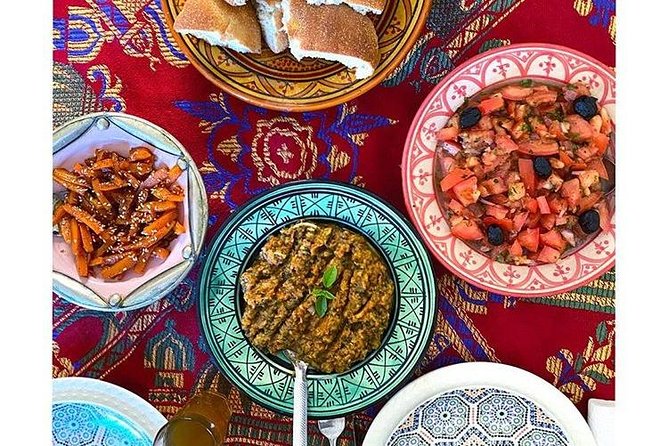
- Eat the meal as a group
That structure is why this class works well even if you are busy. You get the full arc from ingredients to finished food, without turning it into a half-day event.
Price and value: $44.32 for shopping, cooking, and a sit-down meal
At $44.32 per person, you are paying for a real local experience, not just a recipe card. The value comes from several parts you would otherwise have to piece together yourself:
- Souk ingredient shopping
- Cooking instruction and hands-on practice
- A shared meal you eat
- Mint tea prepared as part of the experience
- A small group size, max 8 people
The group format also helps you keep costs down. A private class in a medina home often costs much more. Here, you get the home atmosphere while sharing the session with a small group.
You’ll also often book this around 12 days in advance on average, which suggests it is popular. If you have specific dietary needs or want a particular timing, booking earlier is the safer move.
Who this Marrakech cooking class fits best
This class is a great match if you:
- Want vegan and vegetarian Moroccan cooking techniques, not just one dish
- Like learning by doing, with ingredients in the souk first
- Enjoy a homey, family atmosphere over a big formal cooking studio
- Want an experience that ends with tea and the meal you made
It may not be ideal if you:
- Need a strictly meat-free table with only vegan participants
- Have very strong expectations about kitchen tools always being brand new
- Prefer long, lecture-style explanations rather than hands-on guidance
Should you book this Marrakech vegan and vegetarian cooking class?
I think it is a solid choice if you want a real medina day that combines market life with practical cooking. Start here if Moroccan vegan and vegetarian dishes like tagine, starters, and spiced salads are your goal, and if making mint tea sounds like a must-do.
If you are strict about being in an all-vegan environment, message the provider ahead of time and confirm how the mixed menus are handled. The class is set up around vegan and vegetarian meal prep, but the overall group setup can include people cooking other menus at the same time.
If you want a hands-on afternoon in Marrakech that ends with food and tea, this is the kind of experience you’ll be happy you did.
FAQ
Where does the cooking class start?
The meeting point is Mosquée Bab Doukkala in Marrakech. The activity ends back at the same meeting point.
How long is the cooking class?
The class lasts about 3 hours.
Is it a fully vegan class with no meat involved?
The meal focus is vegan and vegetarian, but the experience is not exclusive vegetarian or vegan. Other participants may cook different menus at the same time.
Do we visit the souk during the experience?
Yes. You start by going to the old souk to check and buy fresh ingredients before cooking.
How big is the group?
The tour has a maximum size of 8 travelers.
Can the host accommodate allergies or dietary needs?
Yes. Dounia says she is happy to adapt the class to allergies, dietary requirements, and preferences. Let her know about your needs.
More Food in Marrakech
- From Marrakech: Merzouga 3-Day Desert Safari with Food
★ 4.7 · 12,232 reviews - Marrakech: Street Food Tour by Night
★ 4.8 · 2,838 reviews - 3-Day Tour to Merzouga Erg Chebbi with Food & Camel Trek
★ 5.0 · 1,770 reviews - Authentic Moroccan Food Tour in Marrakech with Dinner
★ 5.0 · 1,423 reviews
Cooking Classes in Marrakech
- Moroccan Cooking Class & Marrakech Market Visit with Chef Khmisa
★ 5.0 · 1,504 reviews - Half-Day Cooking Class with Local Chef Laila in Marrakech
★ 5.0 · 952 reviews - Marrakech: Moroccan Cooking Class with a Local Family
★ 4.9 · 668 reviews - Marrakech: Moroccan Cuisine Cooking Class in Local Home
★ 4.8 · 508 reviews
Latest additions near Marrakech
- Yoga and Wellness Half-Day in an Authentic Marrakech Riad★ 5.0 · 28 reviews
- Yves Saint Laurent Musuem Entrance Ticket★ 3.5 · 12 reviews
- Dani’s Authentic Medina Walking Tour★ 5.0 · 65 reviews
- Lamsaty Pottery Workshop with Moroccan Tea★ 5.0 · 75 reviews
- Marrakech Jewish Heritage and souks Tour★ 5.0 · 24 reviews
- Women’s Ultimate Adventure Morocco★ 5.0 · 22 reviews
- Marrakech Desert Dinner Show & sunset camel ride – Authentic★ 5.0 · 22 reviews
- Atlantic Ocean Day Tour★ 5.0 · 10 reviews
Moroccan Cooking Classes, compared.
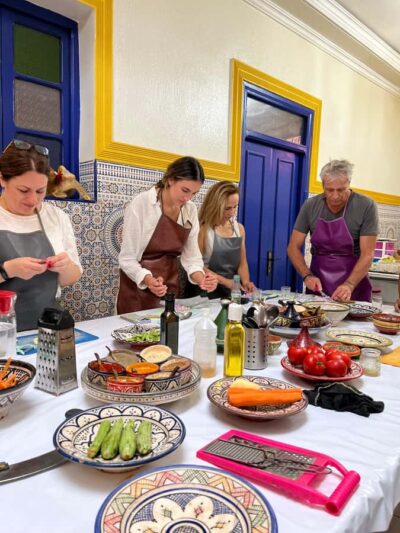
Traditional Moroccan Cooking Class & Market Visit
Read our review →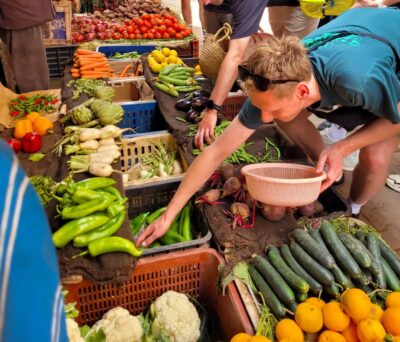
Moroccan Dishes Cooking Class with a Local Chef
Read our review →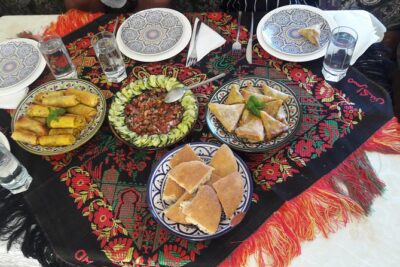
Moroccan Cooking Class & Marrakech Market Visit with Chef Khmisa
Read our review →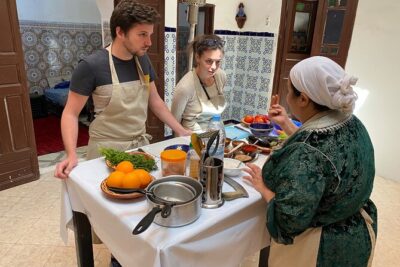
Half-Day Cooking Class with Local Chef Laila in Marrakech
Read our review →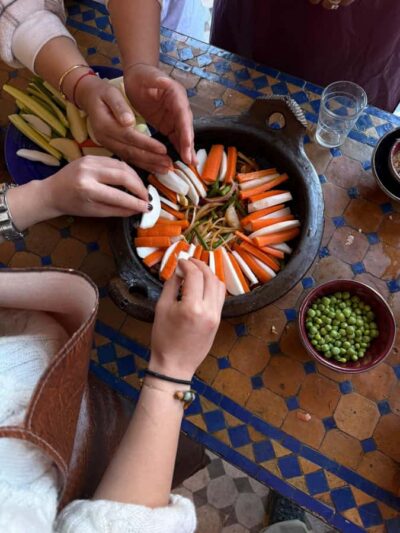
Browse the lists this tour appears in