
Reviewed · MOROCCAN COOKING CLASSES
Half-Day Cooking Class with Local Chef Laila in Marrakech
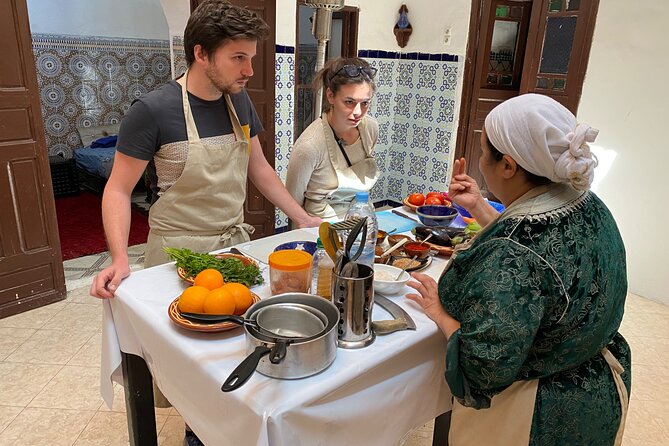
Spices, laughs, and real Moroccan food. I love how this half-day class turns Marrakech into your classroom, starting with shopping and ending with a sit-down three-course meal. It is hands-on, family-run, and built around the way Moroccans actually cook.
What I like most is the market-to-kitchen flow, where you learn how to spot quality herbs, spices, and produce. I also like that the class doesn’t treat food as one-size-fits-all, because they check for allergies and can adapt menus for vegetarians and vegans.
One consideration: the day can feel a bit different depending on who is leading that session, and the market stop can vary in timing or happen differently. Still, the focus stays on you cooking and eating well.
In This Review
- Key Highlights You Should Know Before You Go
- The Real Point Of This Class: Learn Marrakech Food, Then Eat It
- Meeting Point In Marrakech And What The Half-Day Timing Feels Like
- Market Shopping: How You Learn To Choose Ingredients Like A Local
- Allergies, Vegans, And The Menu Choice Moment
- Moroccan Tea Before You Cook: Small Ritual, Big Payoff
- Ras el Hanout Main Course: Spices With Purpose, Not Mystery
- Appetizer To Dessert: What You’re Likely Making (And Why It Matters)
- Your Kitchen Reality Check: Group Size, Pace, And Who Will Lead
- What The Price Really Buys You (At $34.76 Per Person)
- Who Should Book This Cooking Class, And Who Might Not Love It
- Should You Book Chef Laila In Marrakech?
- FAQ
- How long is the cooking class?
- Is it offered in the morning or afternoon?
- Where does the class start?
- Does the class include a market visit?
- What will I cook during the class?
- Can the class handle allergies and vegetarian or vegan diets?
- How big is the group?
- Is a mobile ticket provided?
- What happens if the weather is bad?
Key Highlights You Should Know Before You Go
- Market shopping for herbs, spices, and produce so you learn what matters before anything hits the stove
- Hands-on cooking of an appetizer, a main course built around Ras el Hanout, and dessert
- Moroccan tea lesson included before the main cooking starts
- Dietary adaptation for allergies, plus vegetarian and vegan menu options
- Small-group vibe with a maximum of 20 people
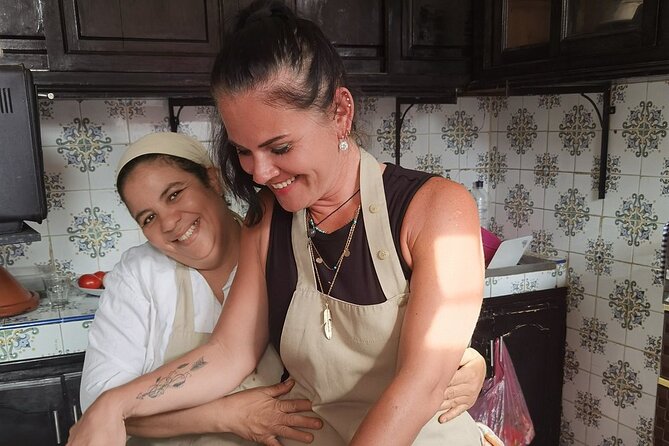
- Family-led experience with clear instruction and plenty of friendly energy
The Real Point Of This Class: Learn Marrakech Food, Then Eat It
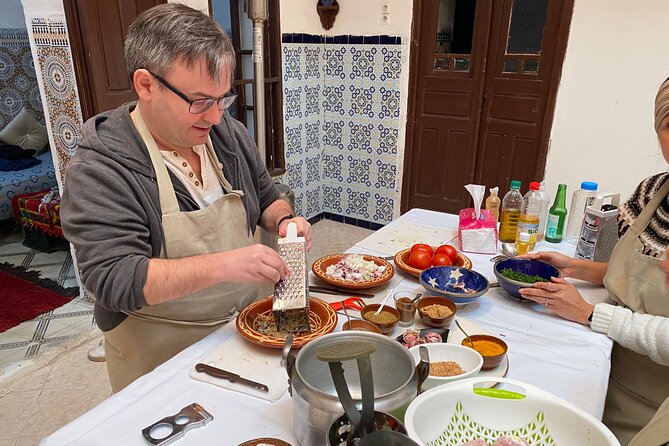
This cooking class works because it is not just about recipes. You get taught how to judge ingredients, how spices behave in real cooking, and how Moroccan meals come together in courses you can actually recreate later. In about 4 hours 30 minutes, you go from picking ingredients to sitting down and eating them.
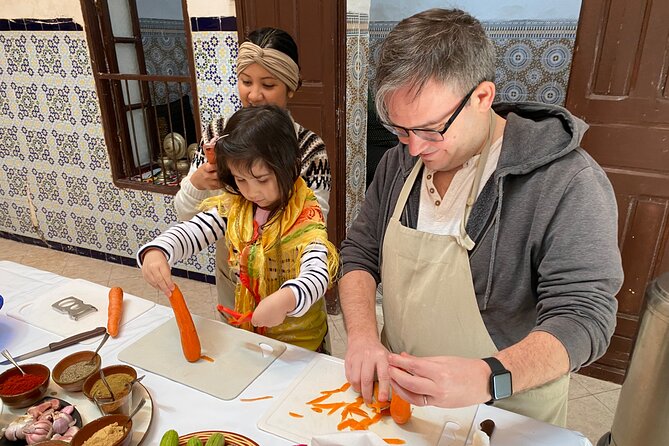
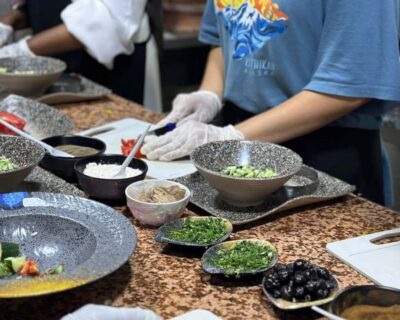
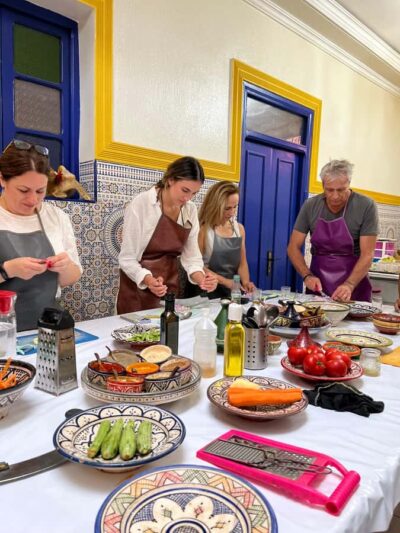
Chef Laila’s style, and the way her family supports the class, is a big part of the fun. You’re not standing around watching someone else work. You’re chopping, mixing, seasoning, and tasting along the way, which is exactly how you build confidence.
And yes, you will likely leave full. Multiple people talk about how much food there is, and it makes sense for a class that ends in a proper 3-course lunch or dinner.
More Cooking Classes in Marrakech
- Marrakech: Moroccan Cooking Class with Pickup
★ 4.6 · 1,862 reviews - Marrakech: Traditional Moroccan Cooking Class & Market Visit
★ 4.8 · 1,861 reviews - Marrakesh: Moroccan Dishes Cooking Class with a Local Chef
★ 5.0 · 1,615 reviews
Meeting Point In Marrakech And What The Half-Day Timing Feels Like
You meet at 3 Rue Riad Zitoun el Jdid, Marrakesh 40000, Morocco. The tour notes say it is near public transportation, which matters in Marrakech, because it helps you get to and from the lesson without making your whole day a logistics puzzle.
The session runs about 4 hours 30 minutes. You also have a choice between a morning option (linked to lunch) and an afternoon option (linked to dinner). If you’re sightseeing, I’d treat this as a “block” in your schedule. You will likely want to plan lighter activities around it, because you’ll be eating at the end, and you’ll want time to slow down.
You’ll also get a mobile ticket, which is handy in a city where you may not want to juggle paper.
Market Shopping: How You Learn To Choose Ingredients Like A Local
The class includes a market visit where you shop for herbs, spices, and fresh produce. This is where the value goes beyond the kitchen. You learn what “good” looks like, not just which ingredient list to memorize.
From the way the class is described, your instructor walks you through how to determine quality. You’re not expected to know Arabic or French food terms. Instead, you learn by observation and guidance, like:
- how to look at herbs and fresh items,
- how to pay attention to spice character,
- what to consider before you buy.
One practical win: this market knowledge carries over to regular grocery shopping later. After a market lesson, you start asking better questions when you cook at home, like why one blend tastes stronger than another, or why fresh herbs smell different when they sit too long.
Allergies, Vegans, And The Menu Choice Moment
This is one of the most reassuring parts. The class checks for food allergies when you meet, and then they choose a suitable menu for everyone. They specifically mention adaptation for vegetarian and vegan parties.
That matters because Moroccan cooking can be flexible, but only if the class actively plans around your needs. Here, the menu is selected for your group after the allergy check, so you’re not stuck with a “separate but similar” plate.
If you’re traveling with dietary limits, I’d see this as a major point of confidence. You can come with a real plan for what you will cook and eat, rather than hoping the kitchen can adjust at the last second.
Within striking distance:
- Marrakech: Agafay Desert Sunset, Camel Ride, and Dinner Show
★ 4.6 · 35,119 reviews - From Marrakech: Ouzoud Waterfalls Guided Hike and Boat Trip
★ 4.7 · 33,630 reviews - Marrakech: Agafay Desert Quad & Camel Rides with Dinner Show
★ 4.8 · 27,382 reviews - Marrakech: Agafay Desert Quad Biking Tour with Dinner-Show
★ 4.8 · 16,569 reviews
Moroccan Tea Before You Cook: Small Ritual, Big Payoff
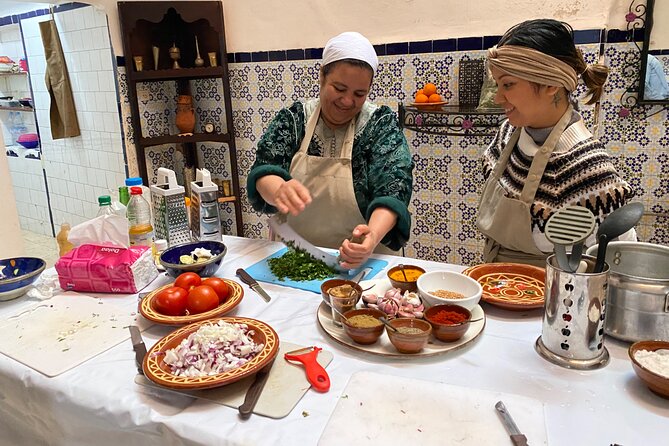
Before the cooking really ramps up, you learn how to make Moroccan tea. The class includes a pause to teach you this, at a location where the tea moment happens before the course work begins.
I love tea lessons in cooking classes because it trains your palate and your attention. You start thinking about balance: sweetness, aroma, and the way flavors feel when they hit warm liquid. It also gives you a short reset before you start the more hands-on parts of cooking.
If you want a simple souvenir you can use daily, tea is it. You can do it at home without needing a tagine or a fully stocked pantry.
Ras el Hanout Main Course: Spices With Purpose, Not Mystery
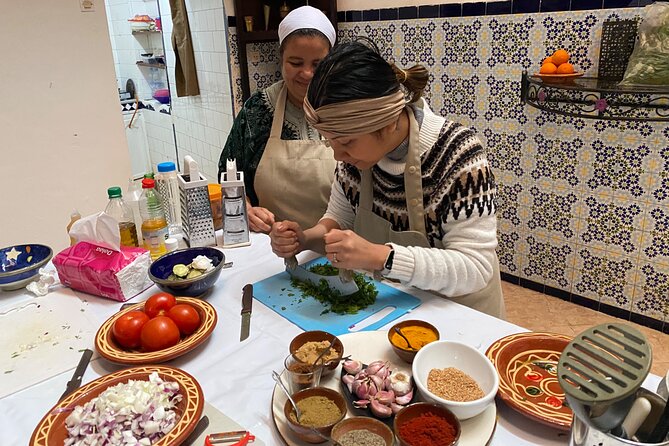
Then you get cooking, starting with the main course using Ras el Hanout. Ras el Hanout is often described like a single spice, but in practice it’s a blend. The class approach helps you understand it as flavor architecture, not just a jar you sprinkle and hope for the best.
In a Moroccan kitchen, seasoning is rarely a one-step operation. It’s usually layered, and timing matters. In your hands-on session, you learn what to do with the spices during prep and cooking, rather than treating them like a magic spell.
If you’re the kind of traveler who wants to know why a dish tastes a certain way, this part is your reward. You come away with more than a recipe, you come away with judgment.
Appetizer To Dessert: What You’re Likely Making (And Why It Matters)
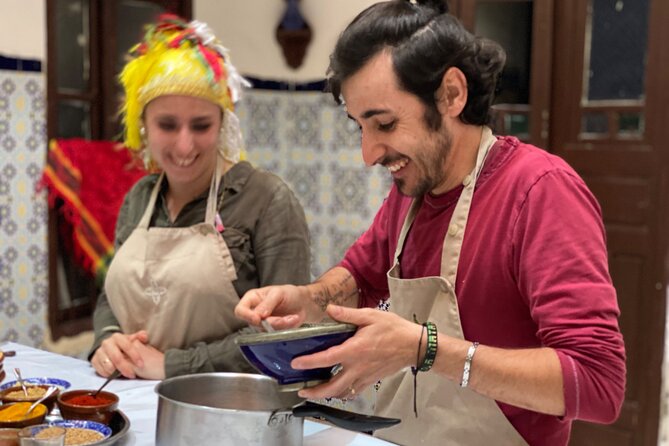
The class is designed around a 3-course meal: an appetizer, a main course, and dessert. You also end up eating everything you make, either as lunch or dinner depending on which session you book.
Even if the exact dishes can shift, the structure stays consistent. That means you’re practicing a real Moroccan rhythm:
- start with something lighter,
- move into the spiced main course,
- finish with dessert that brings the meal home.
Dessert in Moroccan cooking often surprises people who expect only savory food. After your hands-on dessert prep, you’ll know you can add sweetness without making the meal feel heavy.
And because you’re doing three courses, you’ll learn how different textures behave, like how spice warmth can build in savory dishes, and how sweet flavors can change with the right balance of ingredients.
Your Kitchen Reality Check: Group Size, Pace, And Who Will Lead
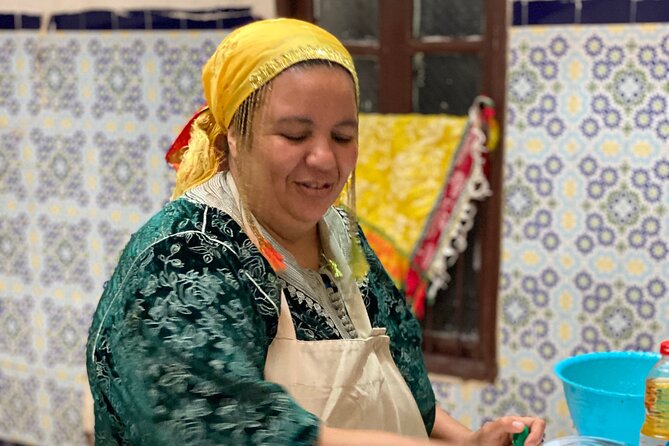
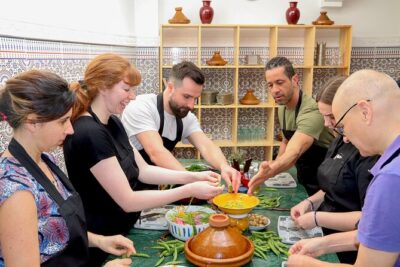
The class runs with a maximum of 20 travelers, which keeps it from feeling like a factory line. You’ll have enough space to cook, and instruction can actually land.
Leadership is family-based. Chef Laila is the name you’ll see associated with the class, and her family often supports the teaching. In some sessions, her son Hamza may lead if Chef Laila is not available, and the instruction can include explanations in both English and French.
That can be a good thing. More than once, people highlight how personable the teaching feels, how jokes and conversation loosen the pressure, and how staff explain ingredients and steps clearly.
Possible drawback, based on the flexibility of family-run teaching: the exact flow of the day can shift slightly depending on who is teaching, especially around timing of the market portion. The core outcome remains the same: you cook and you eat a full meal.
What The Price Really Buys You (At $34.76 Per Person)
At $34.76 per person for roughly 4.5 hours, you’re paying for more than a recipe. You’re paying for:
- ingredient shopping support (market portion),
- guided technique (tea and spice use),
- hands-on coaching in a real kitchen,
- and the finished 3-course meal you sit down to eat.
In Marrakech, where restaurant meals can add up fast, this is often a strong value if you treat it as a food experience rather than just an activity. You’re effectively turning part of your day into a meal plus skill-building.
Another small value detail: they adapt the menu for allergies and for vegetarian and vegan diners. That reduces the risk that you’ll pay for something you can’t enjoy.
One more practical note: this experience is often booked around 16 days in advance. I’d plan ahead, especially if you want a specific morning or afternoon slot.
Who Should Book This Cooking Class, And Who Might Not Love It
This class is best for you if:
- you want to eat well in Marrakech and learn enough to cook later,
- you enjoy hands-on activities more than passive tours,
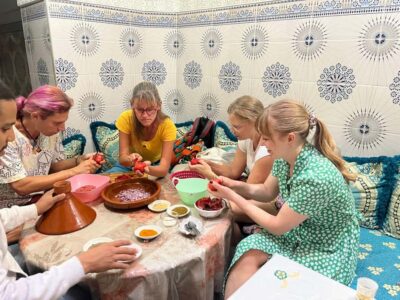
- you travel with friends or family and want a social, friendly atmosphere,
- you need vegetarian or vegan options, or you have allergy requirements.
You might not love it as much if:
- you want a super rigid, identical schedule every minute,
- you expect the day to be mostly sightseeing outside the home kitchen,
- you don’t want any menu variation depending on the teacher leading that day.
The upside is that even when leadership changes, the focus stays on cooking, learning ingredients, and enjoying the meal together.
Should You Book Chef Laila In Marrakech?
If you’re hungry for Moroccan food you can actually make again, I think this is a smart booking. The class checks a lot of boxes at once: market learning, spice-based main cooking with Ras el Hanout, Moroccan tea, and a full sit-down 3-course meal, all in a small group.
Book it if you want both fun and skill, and especially if you care about dietary adaptation. If your schedule is tight or you need a perfectly fixed plan with no variation at all, consider that the market stop and daily flow can adjust depending on who runs the session.
Either way, come with an appetite and an open mind. You’re not just watching Marrakech cuisine happen, you’re cooking it.
FAQ
How long is the cooking class?
It runs about 4 hours 30 minutes.
Is it offered in the morning or afternoon?
Yes. You can choose a morning session (linked to lunch) or an afternoon session (linked to dinner).
Where does the class start?
The meeting point is 3 Rue Riad Zitoun el Jdid, Marrakesh 40000, Morocco.
Does the class include a market visit?
Yes. The experience includes visiting the local market to pick herbs, spices, and fresh produce.
What will I cook during the class?
You’ll make a 3-course Moroccan meal, including an appetizer, a main course that uses Ras el Hanout, and a dessert.
Can the class handle allergies and vegetarian or vegan diets?
Yes. They check for allergies and select a suitable menu for vegetarian and vegan parties.
How big is the group?
The class has a maximum of 20 travelers.
Is a mobile ticket provided?
Yes, the tour includes a mobile ticket.
What happens if the weather is bad?
The experience requires good weather. If it’s canceled due to poor weather, you’ll be offered a different date or a full refund.
Cooking Classes in Marrakech
- Moroccan Cooking Class & Marrakech Market Visit with Chef Khmisa
★ 5.0 · 1,504 reviews - Marrakech: Moroccan Cooking Class with a Local Family
★ 4.9 · 668 reviews - Marrakech: Moroccan Cuisine Cooking Class in Local Home
★ 4.8 · 508 reviews - Marrakech: Moroccan Cooking Workshop at La Maison Arabe
★ 5.0 · 446 reviews
Latest additions near Marrakech
- Three valleys, Atlas Mountain, waterfalls & Agafay Desert★ 5.0 · 13 reviews
- Essaouira: Surf Trip from Marrakech★ 4.9 · 31 reviews
- Marrakech: Tailor-Made City Tour With Your Own Private Guide★ 4.9 · 236 reviews
- Surf Training and Lunch on Essaouira Day Trip from Marrakech★ 4.9 · 51 reviews
- Marrakech palm grove: Sunset camel ride★ 4.8 · 194 reviews
- Marrakech: Cycling Tour in Palm Groove with Local Breakfast★ 4.7 · 73 reviews
- Marrakech: Sunrise Desert Tour with Camel Ride and Breakfast★ 4.4 · 36 reviews
- Marrakech : Agafay Desert Sunset Camel Ride & Luxury Dinner★ 4.3 · 39 reviews
Moroccan Cooking Classes, compared.
Traditional Moroccan Cooking Class & Market Visit
Read our review →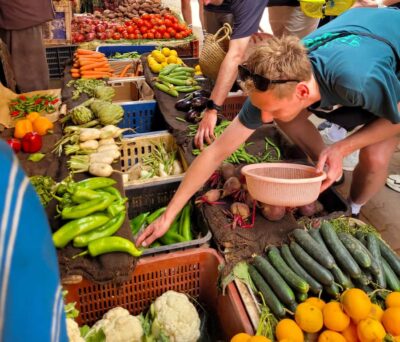
Moroccan Dishes Cooking Class with a Local Chef
Read our review →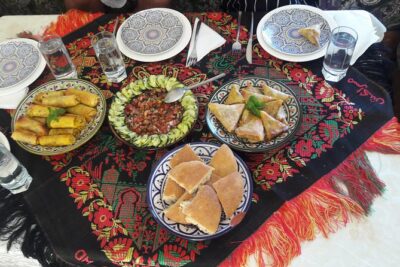
Moroccan Cooking Class & Marrakech Market Visit with Chef Khmisa
Read our review →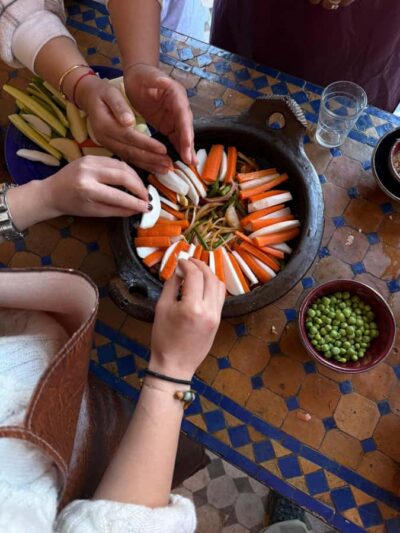
Marrakesh cooking class with chef Hassan – Local dishes
Read our review →Browse the lists this tour appears in