
Reviewed · MOROCCAN COOKING CLASSES
Marrakech: Moroccan Cuisine Cooking Class in Local Home
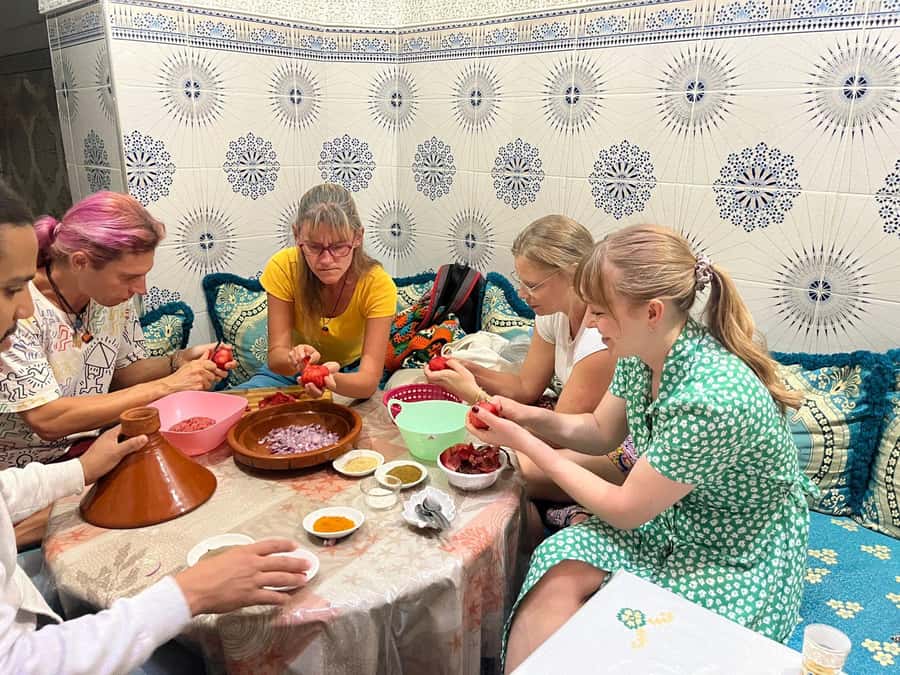
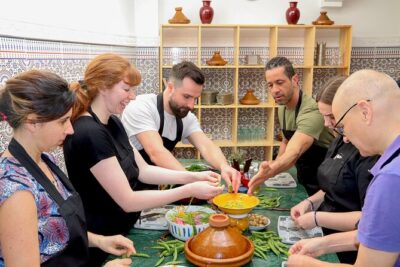
Tagine tastes better when you cook it yourself. In Marrakesh medina lanes, this 3-hour class puts you in a real home kitchen, not a studio, so you end up eating what you make with a local host. I love the hands-on rhythm, from chopping to watching your tagine bubble while your guide keeps things clear and fun.
I also like how Abdo mixes cooking with Moroccan culture storytelling. The bilingual instruction is practical, and the stories about daily life make the spices, bread, and shared meal feel like part of the country, not a performance.
The only real drawback is location stress if you are not ready for the medina. You meet outside Riads, not inside, and it can be easy to go the wrong door unless you plan for a little extra time and follow the guide’s directions closely.
In This Review
- Quick hits you will care about
- Cooking in Abdo’s Marrakesh home: what the 3 hours feel like
- Meeting in the medina without losing your mind
- From chopping to bubbling: the tagine workflow you will actually use
- Salads, zaalouk, and the flavor balance lesson
- Moroccan bread: the part that makes the meal feel real
- Tea, stories, and how culture shows up at the table
- Dietary needs and menu changes: what flexibility you get
- What is included, and why it is good value at $24
- Practical rules that keep the class smooth
- Who this cooking class suits best
- Should you book this Marrakech Moroccan cuisine cooking class?
- FAQ
- How long is the Marrakech Moroccan cuisine cooking class?
- What is the meeting point in the medina?
- What dishes do we cook and eat?
- Can the menu be adapted for dietary restrictions?
- What languages are offered during the class?
- Is transportation included?
- What should I bring to the class?
- Is this activity wheelchair accessible?
Quick hits you will care about
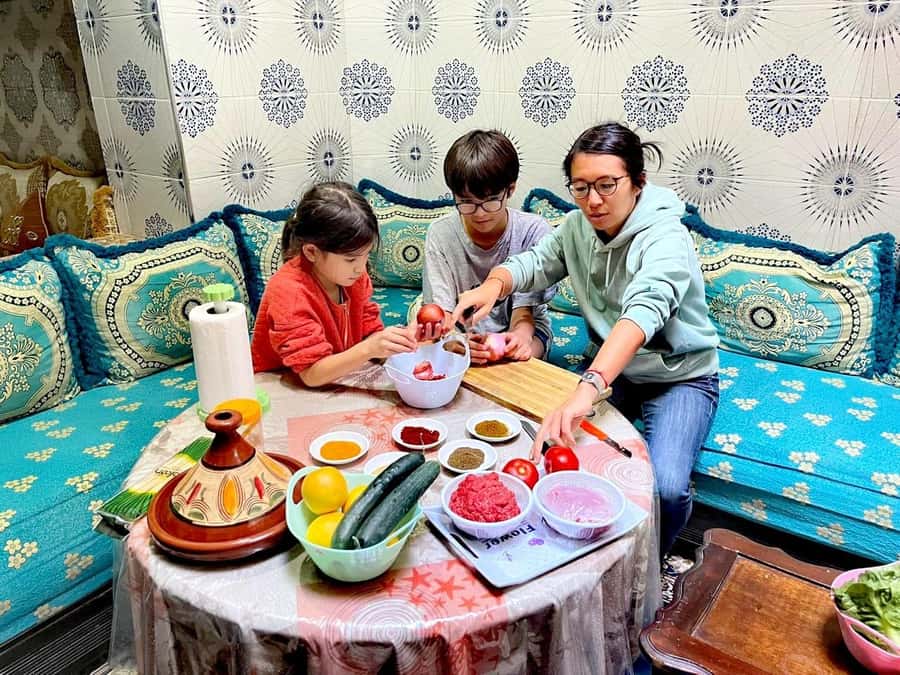
- A true local-home kitchen in the medina, with step-by-step guidance so beginners can keep up
- Multiple dishes in one session: chicken tagine with olives, meatball tagine with melted cheese, salads, zaalouk, and more
- Fresh Moroccan bread making a real difference to the meal (and to the smell in your memory)
- Bilingual hosting with cultural stories that explain the why behind spices, tea culture, and social habits
- Take-home recipes so you can try again after the medina dust settles
Cooking in Abdo’s Marrakesh home: what the 3 hours feel like
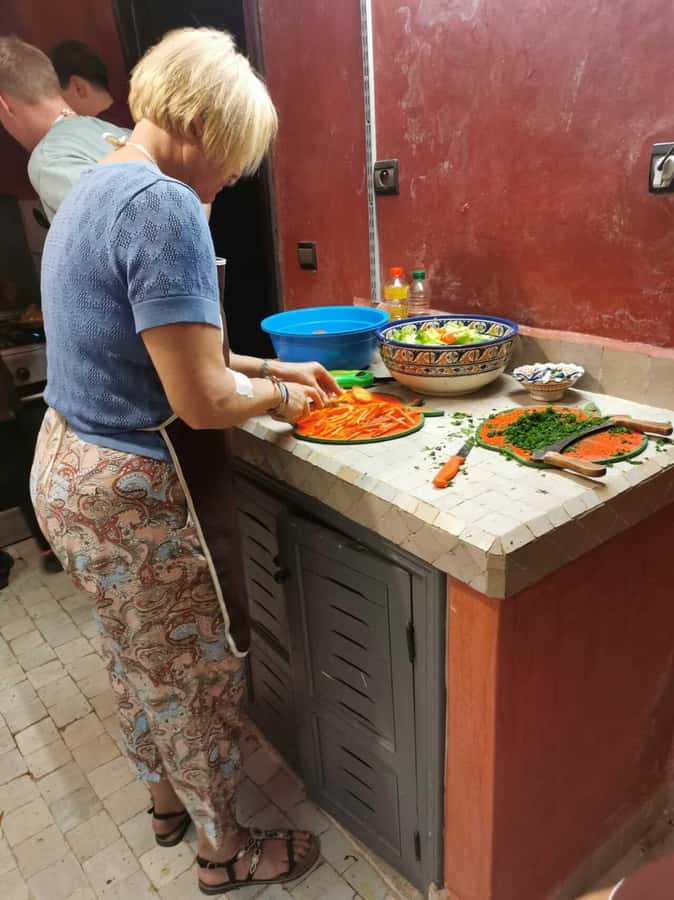
This is the kind of class that starts calm and gets hands-on fast. You step into a traditional setting and quickly realize the goal is not just to watch someone cook. You are going to touch the ingredients, follow directions, and build a plate that looks like it belongs on a Moroccan table.
The session is built around active participation. There is instruction for beginners, but people with cooking experience still find it useful because it focuses on Moroccan technique and how flavors are layered. You will chop, season, assemble, and plate, then sit down as a group to eat the results together.
A nice plus is the pacing. With a 3-hour length, you get enough time for real cooking steps, not just a quick demo. You are also not rushed through the meal, which matters because Moroccan food is meant to be shared.
More Cooking Classes in Marrakech
- Marrakech: Moroccan Cooking Class with Pickup
★ 4.6 · 1,862 reviews - Marrakech: Traditional Moroccan Cooking Class & Market Visit
★ 4.8 · 1,861 reviews - Marrakesh: Moroccan Dishes Cooking Class with a Local Chef
★ 5.0 · 1,615 reviews
Meeting in the medina without losing your mind
In the medina, the hardest part can be the first 10 minutes. The guide waits about 10 minutes before the start time, and you need to meet in front of Riads, not inside them. Your meeting point is directly in front of Riad les Etoiles Berberes, since the house is near that area.
Bring the right tools for success. Comfortable shoes matter because medina walking adds up, even when the distance is manageable. Comfortable clothes also help since kitchens can be warm and you will be standing at work stations.
For finding the spot, use Google Maps, not Apple Maps. This comes up for a reason. Streets can be confusing, and a small navigation error can send you to the wrong riad door.
When you arrive, look for the guide with green headwear so you can confirm the right person. This small detail saves time, especially if there are several groups around the same zone.
From chopping to bubbling: the tagine workflow you will actually use
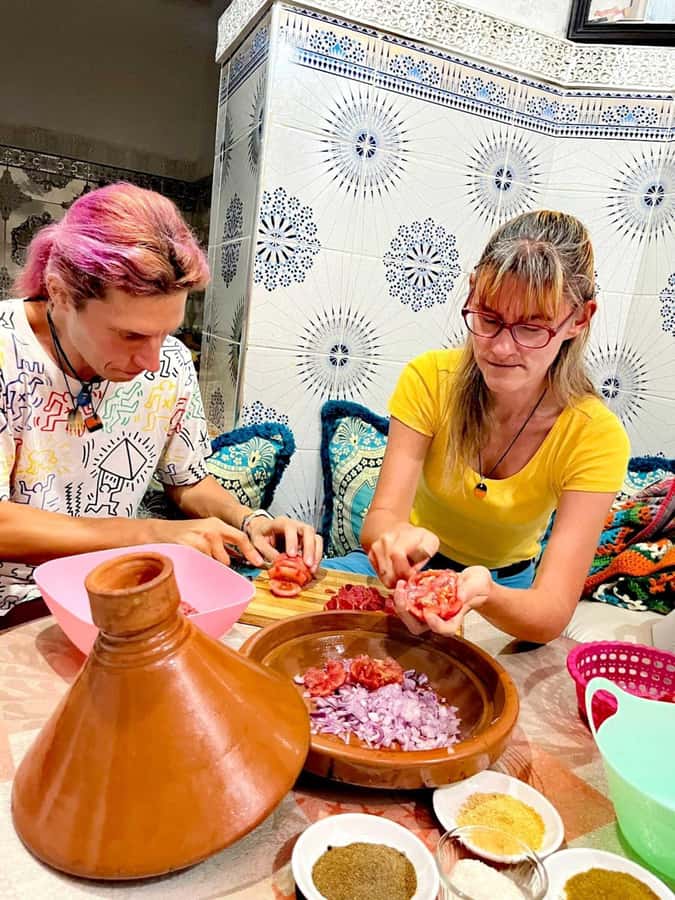
Tagine is the star here, and the class teaches the process in a way you can repeat at home. Instead of treating the tagine as mysterious, you learn how timing and seasoning work together so the dish tastes balanced, not heavy.
You cook tagine dishes plus sides that keep everything lively:
- Chicken tagine with olives and golden fries
The method helps you understand how olives bring saltiness and depth, while the fries add that “crunch against comfort” contrast.
- Meatball tagine topped with melted cheese
This is a crowd-pleaser because the melted topping turns the sauce into something more silky and satisfying. You learn how to manage heat so the cheese melts without turning greasy.
You also make zalouk, a traditional Moroccan eggplant dish. Even if you think you know eggplant recipes, zalouk’s seasoning approach tends to surprise people. It is one of those dishes that tastes like it belongs with bread the moment you bring it to the table.
The class keeps the workflow beginner-friendly. You get step-by-step guidance, and the format supports hands-on help from everyone. If you are worried about cooking anxiety, start with the mindset that you are learning a few techniques, not proving you are a chef.
Salads, zaalouk, and the flavor balance lesson
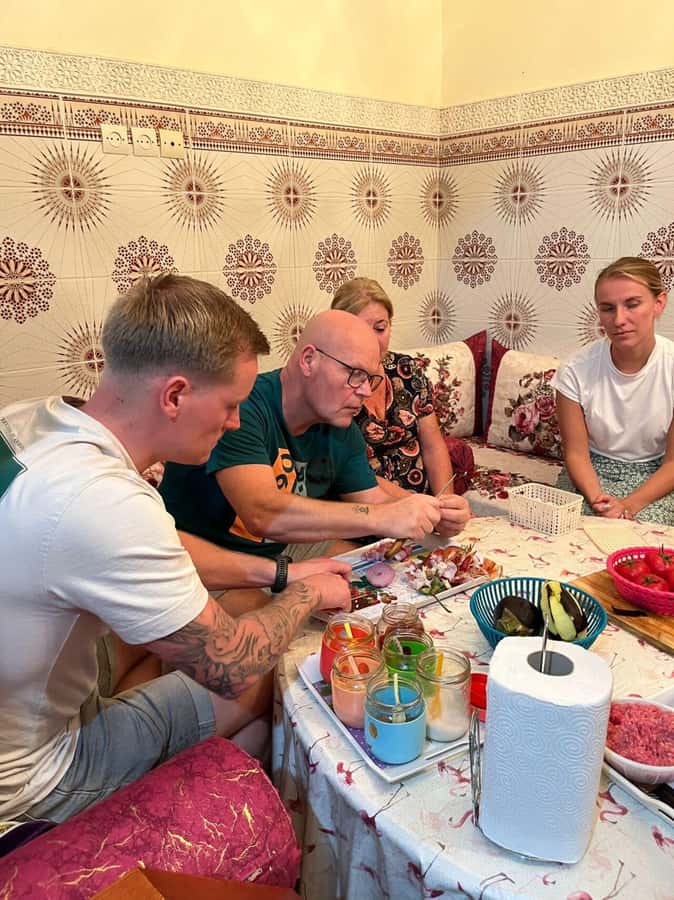
Moroccan meals often feel “complete” because the flavors are layered. This class builds that balance on purpose.
You make a tomato and green pepper salad that brings freshness and acidity to counter the rich tagines. That matters because without a bright side, tagines can blur together after a few bites. The salad gives your palate a reset.
Zaalouk does something similar, but in a different way. It adds smoky eggplant character and a seasoning depth you can taste even before you understand it. The best part is that you learn the practical steps, so you are not stuck with only “secret ingredients” as an explanation.
If you love spice, pay attention to how seasoning is added. You do not just throw everything in at random. The instruction makes it clear how Moroccan flavor builds, and it helps you avoid the common mistake of overpowering the dish too early.
Within striking distance:
- Marrakech: Agafay Desert Sunset, Camel Ride, and Dinner Show
★ 4.6 · 35,119 reviews - From Marrakech: Ouzoud Waterfalls Guided Hike and Boat Trip
★ 4.7 · 33,630 reviews - Marrakech: Agafay Desert Quad & Camel Rides with Dinner Show
★ 4.8 · 27,382 reviews - Marrakech: Agafay Desert Quad Biking Tour with Dinner-Show
★ 4.8 · 16,569 reviews
Moroccan bread: the part that makes the meal feel real
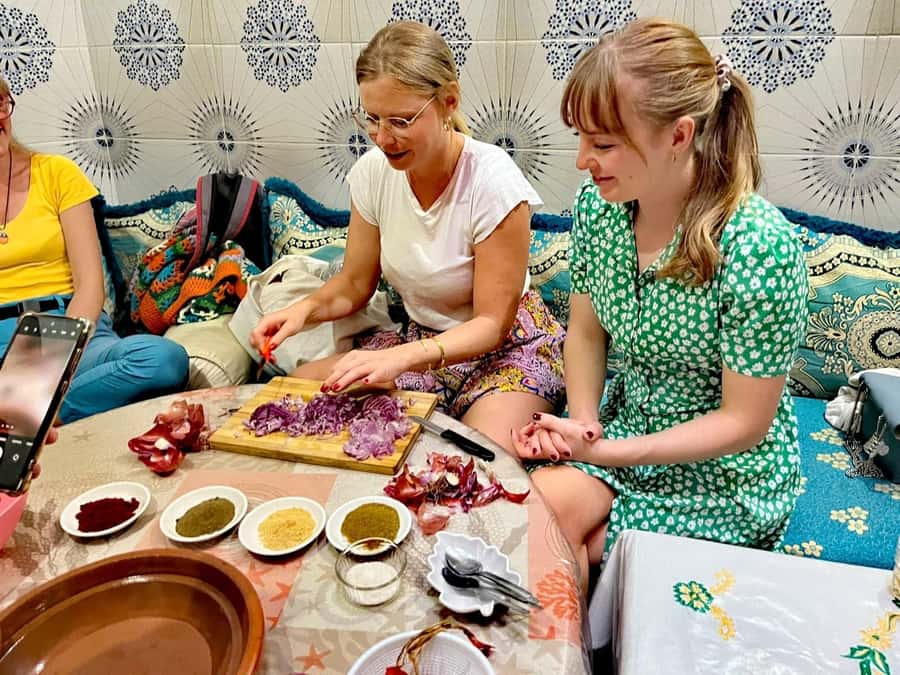
One of the highlights is getting hands-on with Moroccan bread. Bread is not a side dish here. It is part of the eating ritual.
You also learn enough technique to understand what the dough and baking process are doing for the final flavor. Even if you do not become a bread expert in three hours, you will leave knowing what to look for, how bread changes the way you eat tagine, and why it matters culturally to share from the same table.
And yes, the smell in the room is part of the experience. You will taste the difference between bread that is part of the cooking process versus bread that arrives from a package.
Tea, stories, and how culture shows up at the table
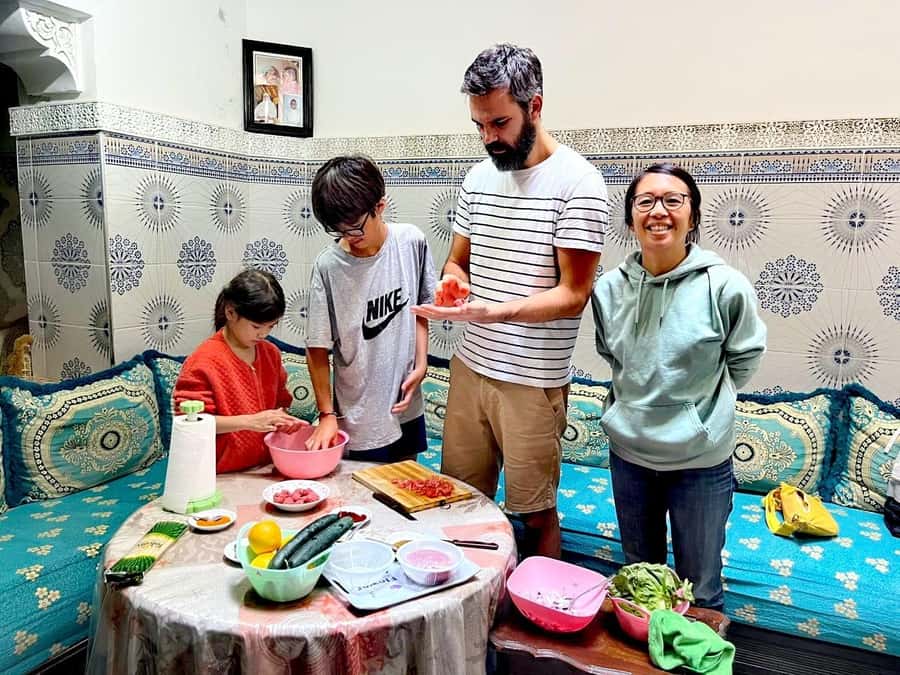
This class does not treat culture as an extra lecture. Abdo’s storytelling is folded into the session, so you understand what you are eating and why people eat it the way they do.
Expect stories about Moroccan social life and tea drinking. You also get practical cooking context, like how to think about spices and how Moroccan households approach meal sharing. People often remember the stories as much as the recipes, because it gives the food a social meaning.
If you enjoy travel that feels human and personal, this is the angle. You are not just learning recipes. You are learning how a family-style meal fits into daily life.
Dietary needs and menu changes: what flexibility you get
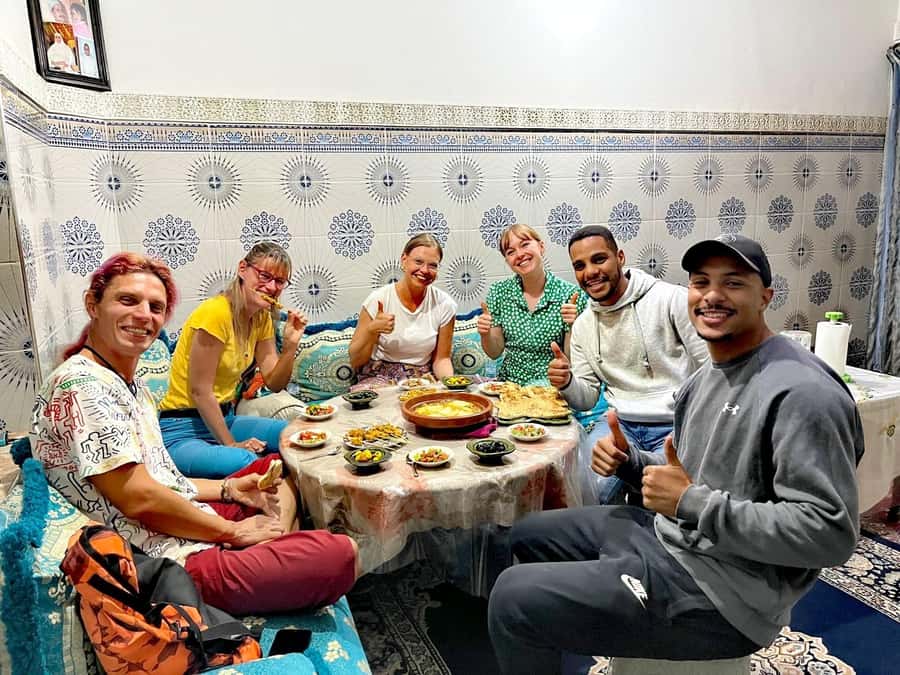
The menu can be modified for dietary restrictions. That is a big deal because cooking classes can be frustrating when you have limitations and everyone else gets the same default meal.
The class format is built for adjustments. If you are vegetarian or have other food restrictions, you should let the provider know in advance so the menu can be adapted. Based on how the session runs, it is not just a last-minute substitution.
Even when the menu changes, the class still teaches the techniques. You leave with real take-home recipes, not just a list of dishes that might not match what you ate.
What is included, and why it is good value at $24
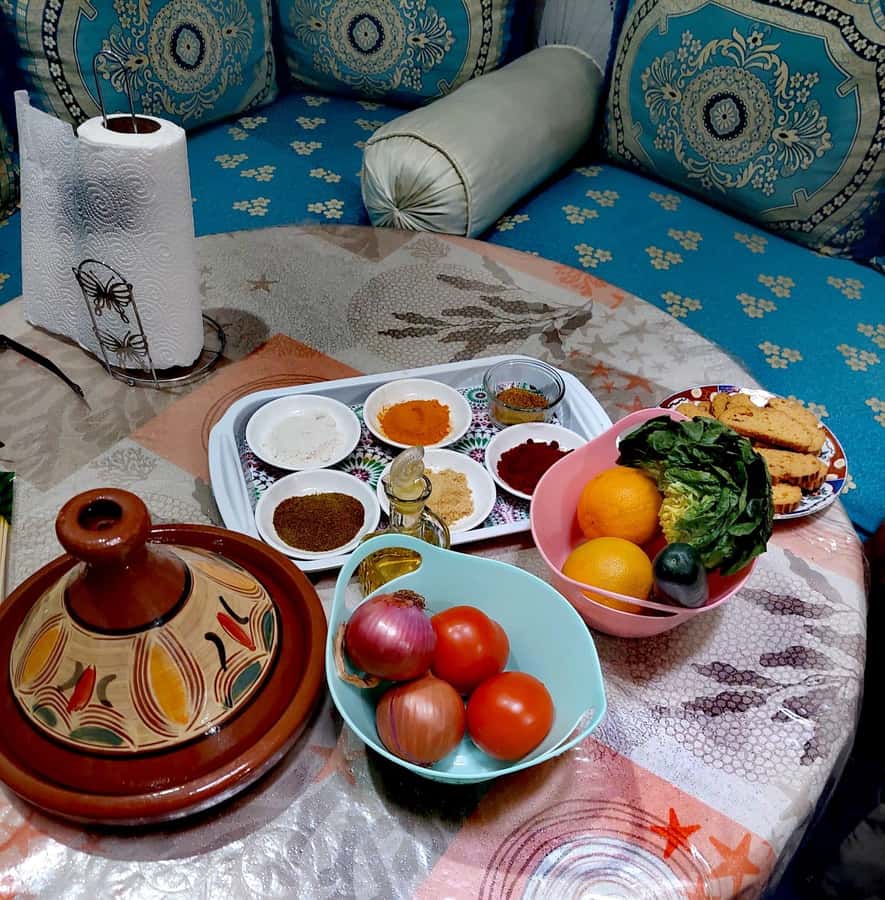
At $24 per person for a 3-hour, local-home cooking class, you are paying for more than ingredients. You are paying for guided cooking in a real kitchen, cultural context from a local host, and the chance to eat a full meal you cooked yourself.
Here is what you get as part of the value:
- Bilingual guide and step-by-step coaching
- Fresh authentic Moroccan ingredients
- A hands-on meal experience (lunch or dinner format)
- Plating tips and shared meal time
- Fruit salad for dessert
- Take-home recipes so you can recreate the dishes
The best value comes from the combination: home setting plus active cooking plus cultural storytelling. A lot of cheaper options can be heavy on watching and light on participation. Here, the structure pushes you into the work, which makes the learning stick.
Also, $24 is easier to justify when you consider that you are eating a meal out that you helped make, not just taking a short taste tour.
Practical rules that keep the class smooth
There are a few simple rules. No smoking. No alcohol or drugs. Keep noise down. In a home kitchen, that keeps things respectful and helps you focus on the cooking steps.
What to bring is equally practical:
- Comfortable shoes
- Comfortable clothes
- Cash
- Hair tie
That hair tie line sounds small, but it saves you from constantly adjusting your scarf or hair while cooking.
Who this cooking class suits best
I think this is a strong match for:
- First-time cooks who want real guidance and a confidence boost
- People who care about Morocco beyond the main sights, since you are in a local home
- Families and groups who want everyone to participate and eat together
- Rainy-day planning, because this is indoor, structured, and satisfying
If you hate any kind of hands-on food activity, then you might find it less relaxing. But if you are curious and want to leave with recipes you can actually use, you will likely enjoy it.
The small-group feel also helps. You tend to get more attention and more chances to do the chopping, mixing, and plating rather than waiting your turn.
Should you book this Marrakech Moroccan cuisine cooking class?
Book it if you want a real cooking experience in the medina, with Abdo guiding you step by step and telling you the cultural story behind the food. At $24 for a full meal you helped cook, it is good value, especially when you compare it to paying for a restaurant meal plus a separate cultural activity.
Skip it only if you are very tight on time or you do not want to deal with finding a specific riad meeting point in the medina. If that is you, do plan extra buffer time and use Google Maps so you start the class relaxed.
If you can handle a short walk and you want to learn tagine and Moroccan bread in a local home, this is exactly the kind of experience you will remember when you are back home, making the same dishes and smiling at how familiar the spices feel.
FAQ
How long is the Marrakech Moroccan cuisine cooking class?
It runs for 3 hours.
What is the meeting point in the medina?
You meet in front of Riad les Etoiles Berberes. The guide waits about 10 minutes before the start time, and you should wait in front of the riad, not inside.
What dishes do we cook and eat?
The session includes freshly baked Moroccan bread, chicken tagine with olives and golden fries, a meatball tagine topped with melted cheese, tomato and green pepper salad, zaalouk, and a special fruit salad for dessert. The menu can be modified.
Can the menu be adapted for dietary restrictions?
Yes. The menu is changeable and can be modified based on dietary restrictions.
What languages are offered during the class?
The live guide offers instruction in English, Dutch, French, and Arabic.
Is transportation included?
No. Transportation is not included.
What should I bring to the class?
Bring comfortable shoes, comfortable clothes, cash, and a hair tie.
Is this activity wheelchair accessible?
Yes, it is listed as wheelchair accessible.
Latest additions near Marrakech
- Three valleys, Atlas Mountain, waterfalls & Agafay Desert★ 5.0 · 13 reviews
- Marrakech: Tailor-Made City Tour With Your Own Private Guide★ 4.9 · 236 reviews
- Essaouira: Surf Trip from Marrakech★ 4.9 · 31 reviews
- Surf Training and Lunch on Essaouira Day Trip from Marrakech★ 4.9 · 51 reviews
- Marrakech palm grove: Sunset camel ride★ 4.8 · 194 reviews
- Marrakech: Cycling Tour in Palm Groove with Local Breakfast★ 4.7 · 73 reviews
- Marrakech: Sunrise Desert Tour with Camel Ride and Breakfast★ 4.4 · 36 reviews
- Marrakech : Agafay Desert Sunset Camel Ride & Luxury Dinner★ 4.3 · 39 reviews
Moroccan Cooking Classes, compared.
Traditional Moroccan Cooking Class & Market Visit
Read our review →
Moroccan Dishes Cooking Class with a Local Chef
Read our review →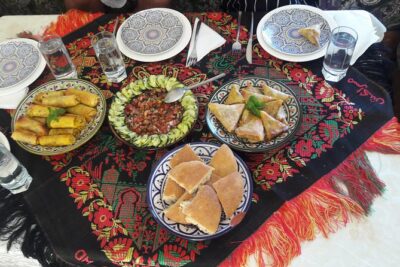
Moroccan Cooking Class & Marrakech Market Visit with Chef Khmisa
Read our review →
Half-Day Cooking Class with Local Chef Laila in Marrakech
Read our review →
Marrakesh cooking class with chef Hassan – Local dishes
Read our review →Browse the lists this tour appears in