
Reviewed · MOROCCAN COOKING CLASSES
Marrakesh: Moroccan Dishes Cooking Class with a Local Chef
Tagines taste better after you cook them. This half-day Marrakesh class mixes market shopping with a proper mint tea ceremony, then turns into hands-on cooking with Hassan and Ahmed in a small group. You learn what matters in Moroccan flavor, not just how to follow steps.
I like that you work as a team, so you cook more than one dish, and you leave with recipes you can actually use at home. The food spread is a real Moroccan feast too, built around tagines plus classics like kefta and zaalouk. One thing to consider: the cooking room can run cool, so bring a light layer.
In This Review
- Key Highlights Worth Your Time
- At Pharmacie Bab Doukkala, Then Straight to the Market
- Moroccan Mint Tea Ceremony: The Ritual Part You Will Remember
- Hands-On Moroccan Cooking Skills, Not Just One Dish
- The Dish Lineup: Tagines Plus Moroccan Classics
- From Spices to Serving: Eating Your Moroccan Feast
- Price, Time, and Group Size: The Value Math
- Who This Experience Fits Best
- Quick Tips to Get More Out of It
- Should You Book This Marrakesh Cooking Class?
- FAQ
- Where do I meet for the cooking class?
- How long is the experience?
- Is hotel pickup included?
- What languages is the class taught in?
- How many dishes will I make?
- What dishes are typically included?
- Are dietary restrictions accommodated?
- What is included in the price?
- Is there an opportunity to buy spices?
Key Highlights Worth Your Time
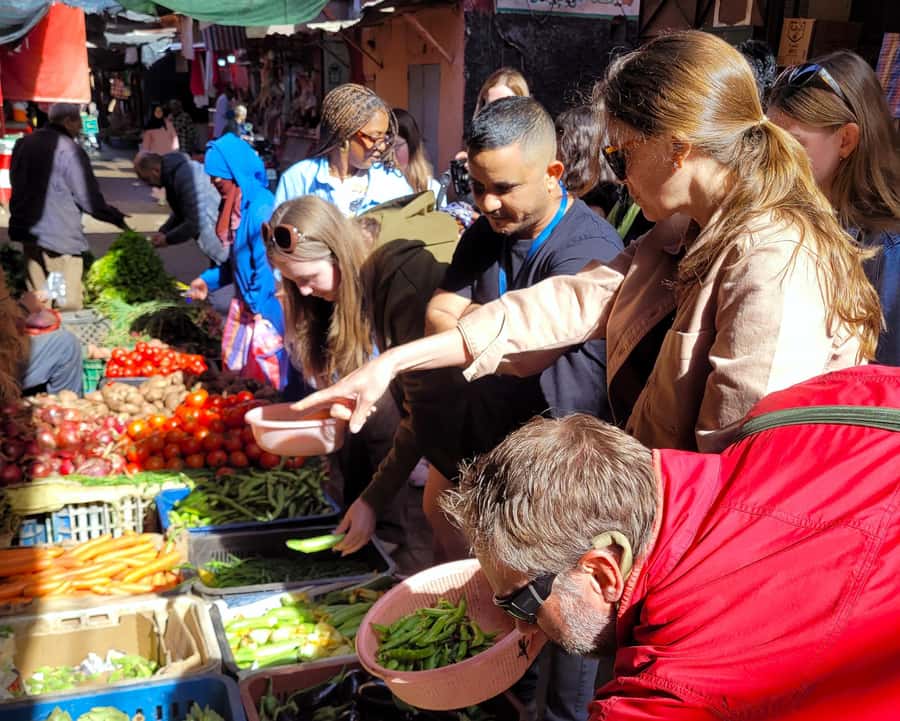
- Market stop where you pick vegetables and ingredients with your guide before you cook
- Moroccan mint tea ceremony as a welcome ritual, taught step-by-step
- Up to 6 dishes in one session, usually a mix of tagines, kefta, shakshouka, and zaalouk
- Team-based prep so everyone peels, chops, seasons, and tastes along the way
- Spice workshop shopping at the end, plus recipes sent after class
- Small group size (limited to 10, with the cap commonly 9) for more hands-on attention
At Pharmacie Bab Doukkala, Then Straight to the Market
You start at Pharmacie Bab Doukkala in Marrakesh-Safi. This matters because it sets the tone: you are not doing a staged cooking demo, you are joining everyday food life. Use Google Maps with the exact pharmacy name so you do not waste time circling the medina streets.
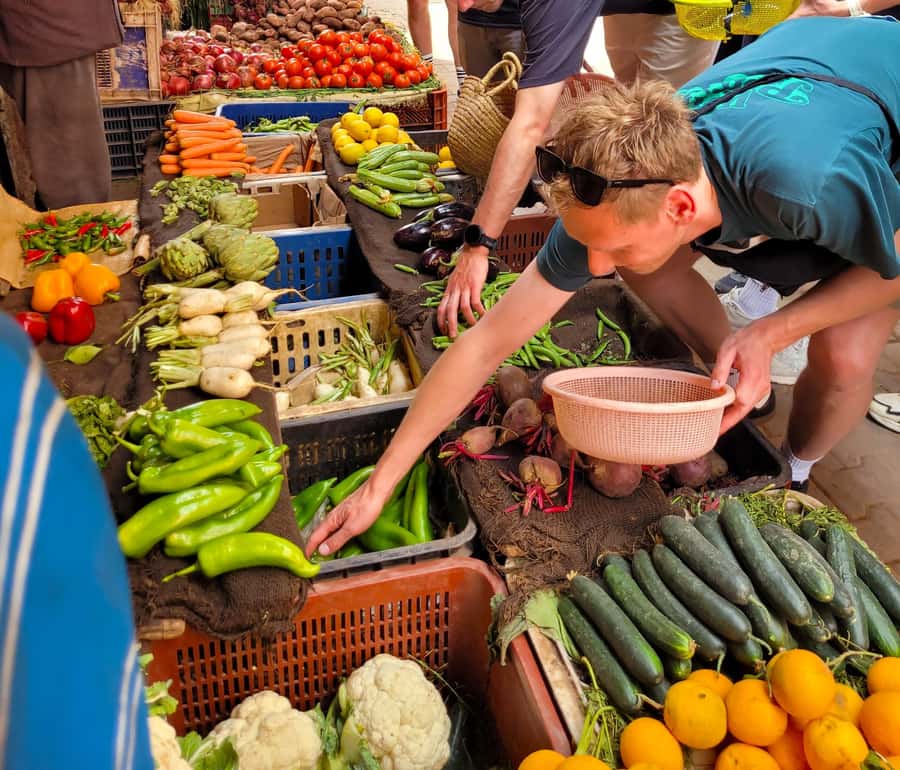
From the meeting point, you head to a nearby food market for about 15 minutes. It is short, but it is purposeful. Your guide helps you select the vegetables and other ingredients you will use, and you get a feel for how Moroccans shop, not just what you eat. In a place like Marrakesh, that little market walk changes the whole experience. You notice what looks fresh, what people actually buy, and how spices and produce are treated like basics, not decoration.
After that, you go back to the home kitchen setting for tea and cooking. The jump from the market to the workspace is quick, which keeps the session flowing and gives you a satisfying sense of momentum.
More Cooking Classes in Marrakech
- Marrakech: Moroccan Cooking Class with Pickup
★ 4.6 · 1,862 reviews - Marrakech: Traditional Moroccan Cooking Class & Market Visit
★ 4.8 · 1,861 reviews - Marrakech: Moroccan Cooking Class with a Local Family
★ 4.9 · 668 reviews
Moroccan Mint Tea Ceremony: The Ritual Part You Will Remember
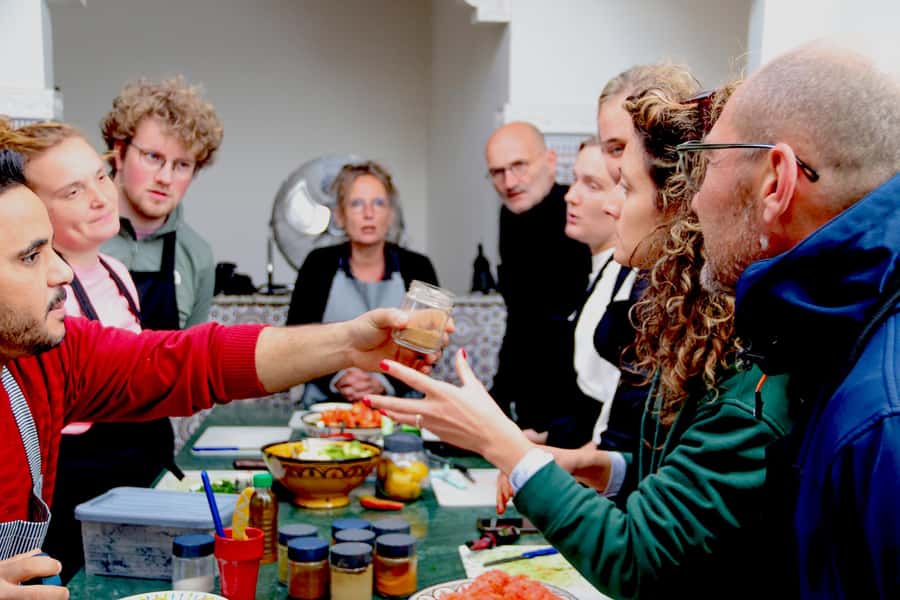
The class begins with a tea ceremony for about 30 minutes, and this is not just a sip-and-smile moment. You learn the traditional way of making Moroccan mint tea, including how it should look and how it is served. Tea is a social language in Morocco, and here it is taught like a skill.
This is also when you get to know the group. You will be offered tea while the hosts set the mood and explain Moroccan food traditions and culture. One practical note from past participants: if your host suggests looking upstairs or changing rooms, do it. The setting can include a nicer view, and it makes the ceremony feel more like an experience than a break in the schedule.
For your planning, treat the tea ceremony like the emotional warm-up. It helps you understand why the cooking lessons stick, because you are learning the how and the why at the same time.
Hands-On Moroccan Cooking Skills, Not Just One Dish
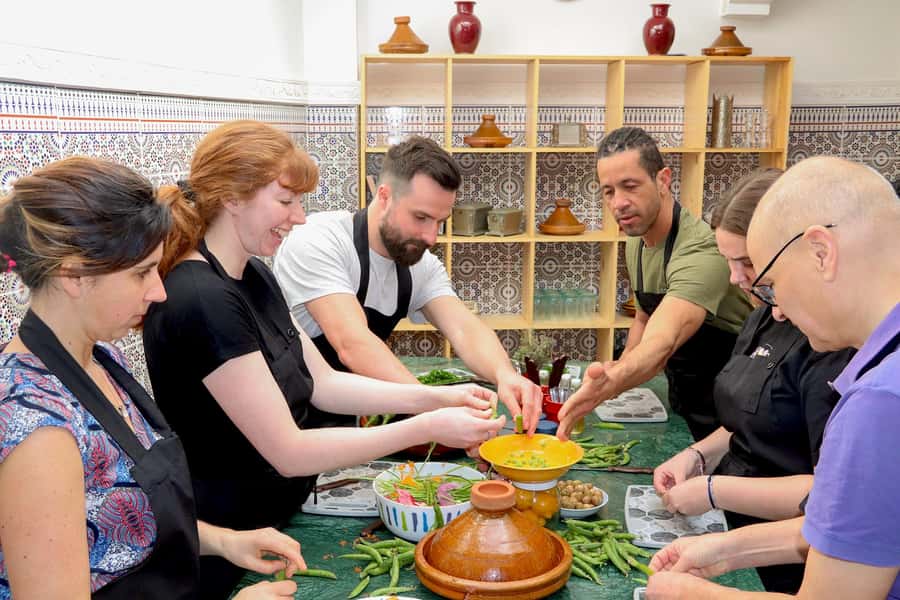
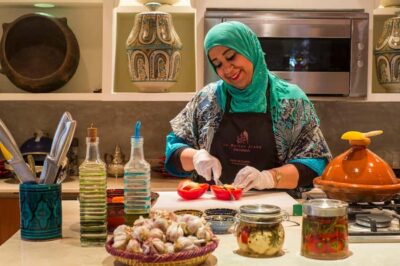
Once the tea is done, the real work begins in the kitchen. The cooking class runs about 3.25 hours after meeting, and the pace is relaxed in the good way. You are not being rushed through a conveyor-belt lesson. There is time to peel, chop, and season, and the hosts explain what you are doing as you do it.
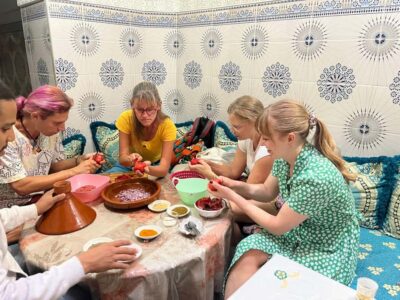
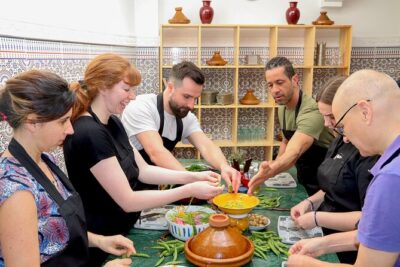
A big value here is that dishes are made collectively. You work together as one team, and that changes what you learn. Instead of mastering a single plate, you get practice with different spice combinations and different cooking styles. You also get the benefit of hearing the same technique explained from different angles depending on what your group is working on.
The cooking room is air-conditioned, so you are not sweating through the session. Still, one review mentioned it can feel cold, so I would plan on a light sweater. Kitchens in Morocco can vary by season and layout, and being comfortable helps you focus.
You also have flexibility for dietary needs. The class can cook vegan, vegetarian, and gluten-free options depending on restrictions, and the group works together to make the final buffet. That is a strong point if you are traveling with dietary constraints.
The Dish Lineup: Tagines Plus Moroccan Classics
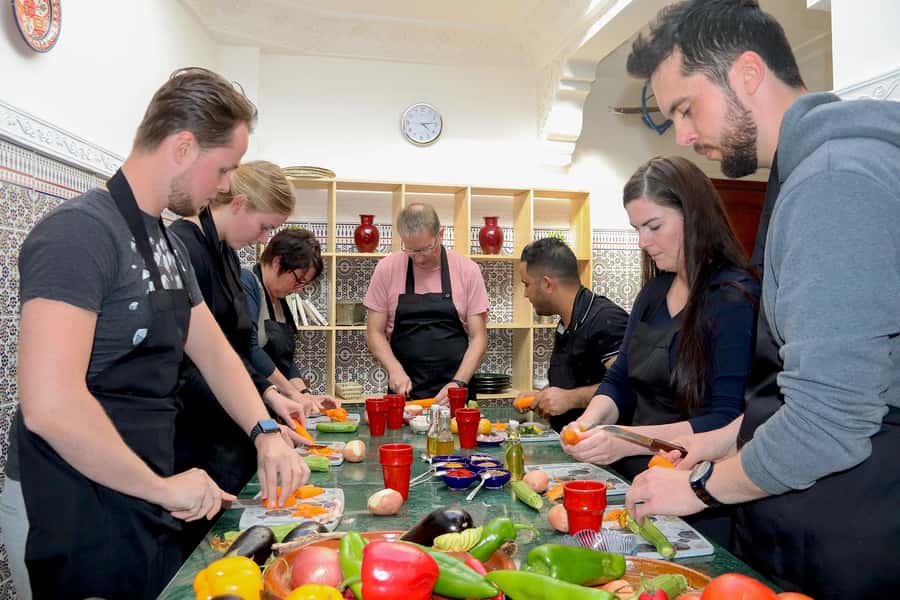
Most sessions aim to produce about 6 dishes, depending on group size. If the group is smaller (under 8), you might make fewer than 6, but the hosts say there will still be enough people to cover the plan. Either way, you end up eating a full Moroccan spread at the end.
Here are the dishes that are typically on the list:
- Beef with prunes tagine
- Chicken with preserved lemon tagine
- Vegetables tagine
- Meatballs with tomato sauce and eggs (kefta)
- Shakshouka (sweet peppers)
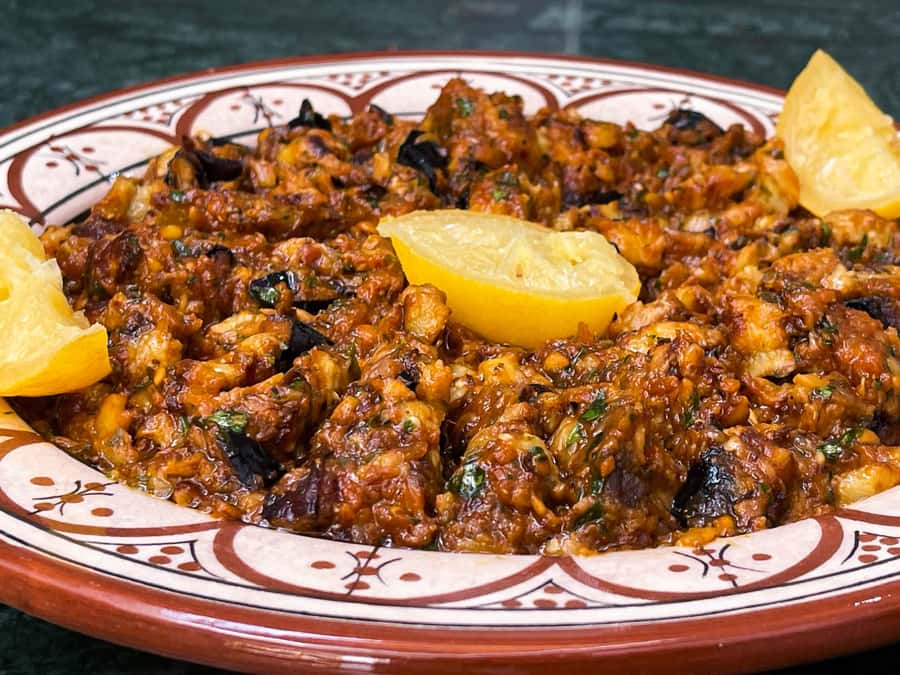
- Fried or grilled aubergine salad (zaalouk)
If you are wondering why this lineup works so well, it is because it covers the Moroccan comfort-food range. You get slow-simmered tagines, punchy pepper-based shakshouka, and smoky eggplant flavors in zaalouk. You also get kefta, which is a clever mix of savory meat, tomato sauce, and eggs. That mix is great for learning how one dish can shift texture and richness.
During cooking, you learn techniques for handling ingredients, seasoning with the right spices, and tagging a dish with the flavor signature it needs. The hosts frame seasoning the way Moroccan families do at home, so you are not just memorizing a recipe. You are learning a method you can adapt later.
Within striking distance:
- Marrakech: Agafay Desert Sunset, Camel Ride, and Dinner Show
★ 4.6 · 35,119 reviews - From Marrakech: Ouzoud Waterfalls Guided Hike and Boat Trip
★ 4.7 · 33,630 reviews - Marrakech: Agafay Desert Quad & Camel Rides with Dinner Show
★ 4.8 · 27,382 reviews - Marrakech: Agafay Desert Quad Biking Tour with Dinner-Show
★ 4.8 · 16,569 reviews
From Spices to Serving: Eating Your Moroccan Feast
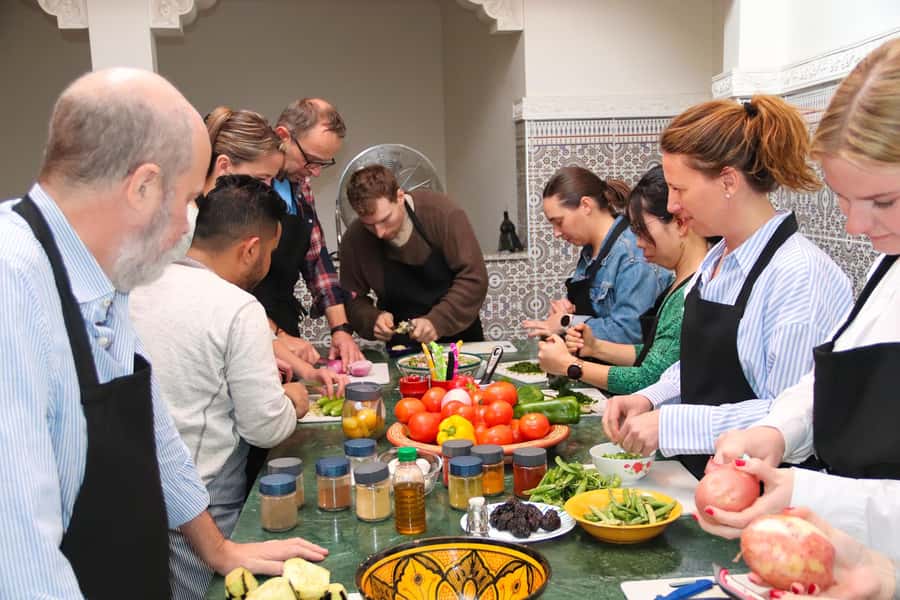
When everything finishes, the food is served as a buffet. This is one of the best parts, because a buffet lets you taste everything you cooked without playing the guess-and-pray game. You get bread with the meal, water and tea are included, and you can sample each dish in small portions to compare flavors.
There is also a real sense of payoff here. Tagines take time, kefta needs careful attention to how it cooks through, and vegetables and aubergine-based dishes are where spices and heat really show their personality. Eating the results right away helps you connect the steps you did earlier to the flavors you taste now.
After the meal, the experience includes spice shopping from the workshop at the end of class. This is practical for two reasons. First, you can buy blends while the smells are fresh in your memory. Second, you can take home a shortcut to recreate the flavors without starting from a blank spice shelf.
And yes, recipes are part of the deal. You are sent recipes after the workshop, so you are not stuck trying to remember what someone called the spice used in your tagine. That follow-up matters if you want more than just a fun afternoon.
Price, Time, and Group Size: The Value Math
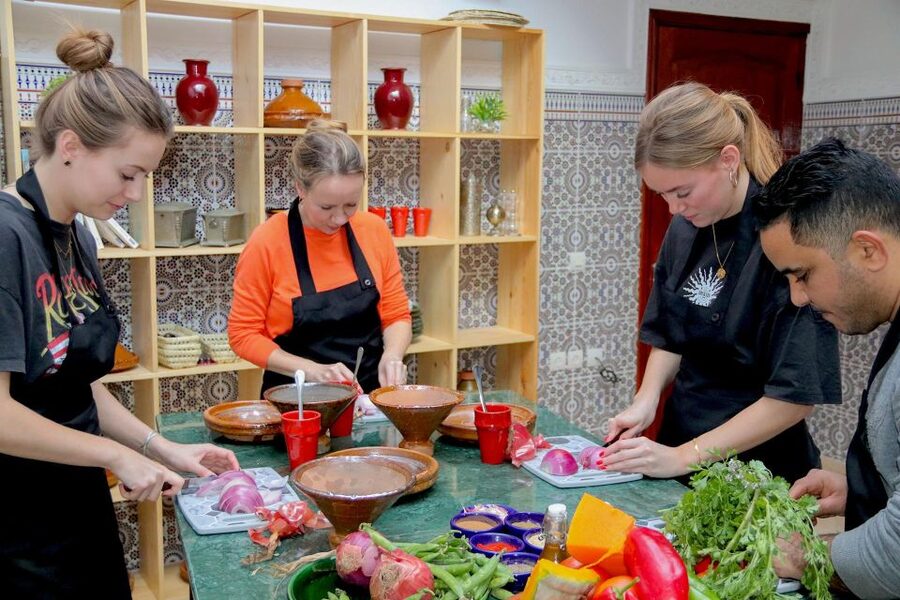
At $47 per person for about 4 hours total, this class prices like a serious value for Marrakesh. You are getting more than a cooking lesson. You get:
- A short market visit to pick ingredients
- A mint tea ceremony
- A guided cooking session with multiple dishes
- The meal and bread, plus water and tea
- An apron
- Recipe sharing after the class
If you have ever paid Moroccan restaurant prices for a single meal, it helps to think about what you are buying here. You are not just buying dinner. You are buying the ingredients, the instruction, the cultural context, and the tools to cook similar food later.
Group size is capped at 10, and the maximum is commonly 9 for normal sessions. That small size is important. It means you are more likely to have hands-on roles during prep, not just watch from the sidelines. People also mention the hosts keep things inclusive and make sure everyone has tasks, which is exactly what you want in a group cooking format.
One practical consideration: you should check fit before booking. The class is not suitable for wheelchair users and people with back problems. Also note it is not suitable for people with onion or garlic allergies. If you have either concern, you will need to think about whether this experience will be physically comfortable and whether ingredients can be avoided safely.
Kids are allowed if they are +6, which can make this a good family option for older kids who enjoy cooking and eating together. If you are traveling solo, you may need to contact the provider because there is a stated minimum of two participants.
Who This Experience Fits Best
This is the kind of Marrakesh food activity you should choose if you want real technique and real eating, not just a photo stop. It is especially good for:
- Foodies who want to understand Moroccan flavors beyond what you order in restaurants
- Travelers who enjoy learning by doing, chopping, seasoning, and tasting
- Groups that want a shared activity with an end goal, a meal you cooked
- People traveling with dietary needs who want vegan, vegetarian, or gluten-free options considered
It is not ideal if you want a quiet, individual cooking pace. Because the dishes are made collectively, you are working in a team setting. You also need to be comfortable with spice-rich cooking smells, and you should take allergy limits seriously.
If you are on your first or early days in Marrakesh, this class can actually improve how you order later. Once you understand what spices and tagine styles are doing, restaurant meals start to make more sense.
Quick Tips to Get More Out of It
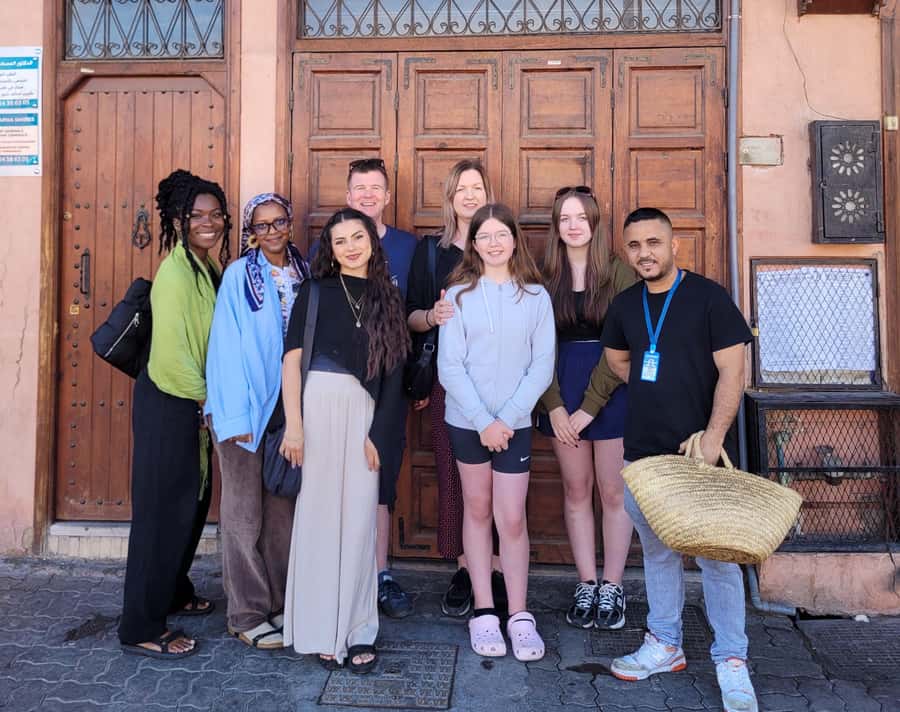
A few things will help you enjoy this class from the start:
- Bring a light sweater or layer, the kitchen room can feel cold
- If you have onion or garlic allergies, double check fit before you go
- Wear comfortable clothes for chopping and standing at a kitchen pace
- If you are part of a mixed-language group, the class can be bilingual (English and French), depending on what languages everyone speaks
- Plan to buy spices at the end if you want to recreate flavors at home, that timing is when your memory is freshest
Also, check the meeting point location in Google Maps ahead of time using Pharmacie Bab Doukkala. Starting on time keeps the whole rhythm of market to tea to cooking.
Should You Book This Marrakesh Cooking Class?
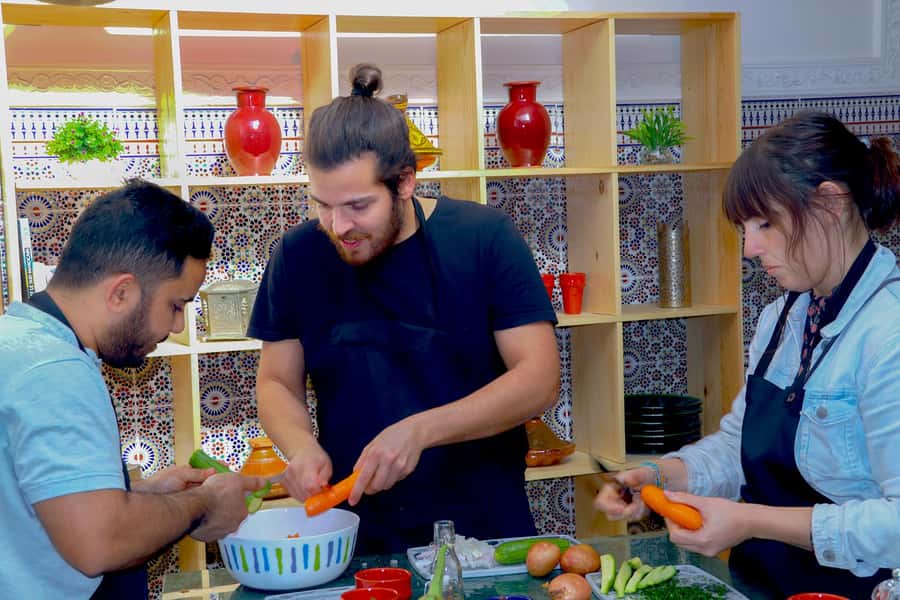
Yes, I would book it if you want the best mix of Moroccan culture and practical cooking skills in a half-day format. The market ingredient pickup, the Moroccan mint tea ceremony, and the chance to cook a whole set of dishes are what make this more than a simple class. At $47, it is also a strong value because you are leaving with a meal, recipes, and spice shopping, not just instructions.
I would think twice if you have mobility concerns, onion or garlic allergies, or you prefer a quieter, solo-focused activity. But if you are flexible, curious, and ready to work with a team, this is one of those Marrakesh experiences that turns into a skill you can use long after the trip.
FAQ
Where do I meet for the cooking class?
Meet at Pharmacie Bab Doukkala. It is recommended you find the exact pharmacy name in Google Maps.
How long is the experience?
It lasts about 4 hours from the meeting time to when you eat.
Is hotel pickup included?
No. Hotel pickup and drop-off are not included.
What languages is the class taught in?
The class is bilingual English and French when guests speak different languages. If everyone speaks the same language, it is held in one language.
How many dishes will I make?
The class usually makes about 6 dishes depending on group size, commonly including multiple tagines and side dishes. Sometimes it can be fewer than 6 if the number of participants is under 8.
What dishes are typically included?
Typical dishes include beef with prunes tagine, chicken with preserved lemon tagine, vegetables tagine, kefta (meatballs with tomato sauce and eggs), shakshouka (sweet peppers), and zaalouk (aubergine salad), sometimes with extra side dishes depending on dietary restrictions.
Are dietary restrictions accommodated?
Yes. The class can cook vegan, vegetarian, and gluten-free food depending on dietary restrictions.
What is included in the price?
A guide, the cooking class, meal and bread, water and tea, an apron, and recipes sent after the workshop.
Is there an opportunity to buy spices?
Yes. You can buy spices from the workshop at the end of the class.
Latest additions near Marrakech
- Three valleys, Atlas Mountain, waterfalls & Agafay Desert★ 5.0 · 13 reviews
- Marrakech: Tailor-Made City Tour With Your Own Private Guide★ 4.9 · 236 reviews
- Essaouira: Surf Trip from Marrakech★ 4.9 · 31 reviews
- Surf Training and Lunch on Essaouira Day Trip from Marrakech★ 4.9 · 51 reviews
- Marrakech palm grove: Sunset camel ride★ 4.8 · 194 reviews
- Marrakech: Cycling Tour in Palm Groove with Local Breakfast★ 4.7 · 73 reviews
- Marrakech: Sunrise Desert Tour with Camel Ride and Breakfast★ 4.4 · 36 reviews
- Marrakech : Agafay Desert Sunset Camel Ride & Luxury Dinner★ 4.3 · 39 reviews
Moroccan Cooking Classes, compared.
Traditional Moroccan Cooking Class & Market Visit
Read our review →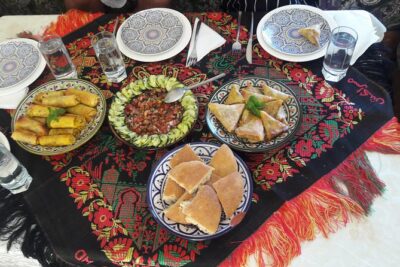
Moroccan Cooking Class & Marrakech Market Visit with Chef Khmisa
Read our review →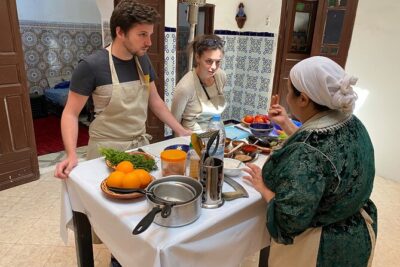
Half-Day Cooking Class with Local Chef Laila in Marrakech
Read our review →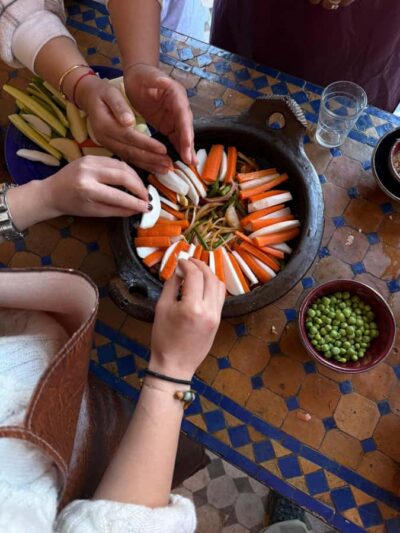
Marrakesh cooking class with chef Hassan – Local dishes
Read our review →Browse the lists this tour appears in