
Reviewed · MOROCCAN COOKING CLASSES
Marrakech: Traditional Moroccan Cooking Class & Market Visit
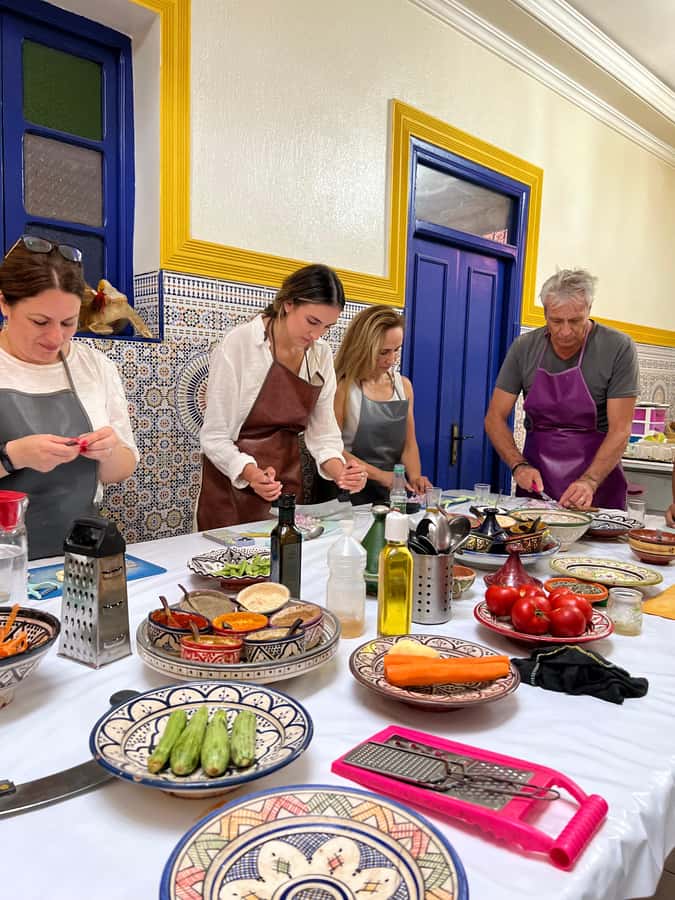
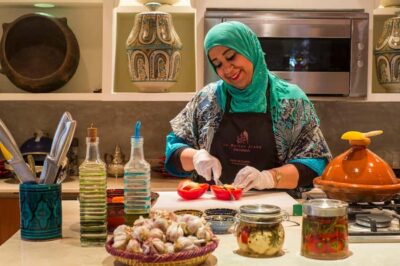
Spice shopping and cooking happens in real life here. You start in the souks with Moroccan chefs, then head to Khmisa Workshop in a Medina riad to master the mint tea ritual. I like that you are treated like part of the kitchen crew, not like a spectator with a camera.
One thing to plan for is that this isn’t set up for easy access: it is not suitable for wheelchair users, and there is no hotel pickup. Expect some walking and close-quarter movement inside the Medina.
The $40 price is strong value because it includes lunch or dinner, Moroccan tea, all ingredients, and electronic recipes sent after the class. Group size is usually around 12, sometimes smaller, so it still feels hands-on.
In This Review
- Key highlights you’ll notice fast
- Marrakesh cooking class in Khmisa Workshop: what $40 buys you
- Souk shopping in Marrakech: spices, produce, and learning by choosing
- The mint tea ritual: more than sugar and steeping
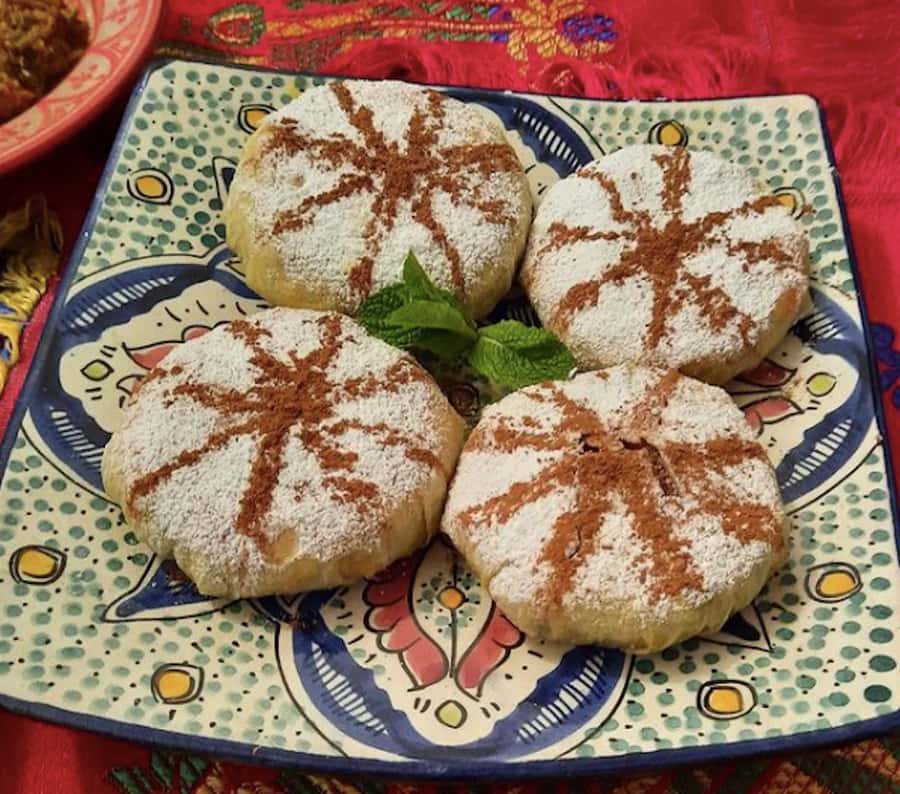
- What you cook at Khmisa Workshops: starters, tagines, and Pastilla of Milk
- Tastes you can recreate at home, not just a full stomach
- Group size, timing, and how it feels inside the riad
- Dietary needs and “will this work for me?” check
- Practicalities you should not skip: what to bring and where to look
- Should you book Khmisa’s Marrakech cooking class?
- FAQ
- What’s included in the $40 per person price?
- Do we visit the market before cooking?
- What dishes will we make?
- Can they handle allergies or dietary restrictions?
- What languages are available during the class?
- Is hotel pickup and drop-off included?
- What should I bring?
- Is it wheelchair accessible, and can I book a private session?
Key highlights you’ll notice fast
- Market first, far from the tourist lane, so you see what real shopping looks like in Marrakech
- Mint tea made properly, with the step-by-step ritual, not just a quick pour
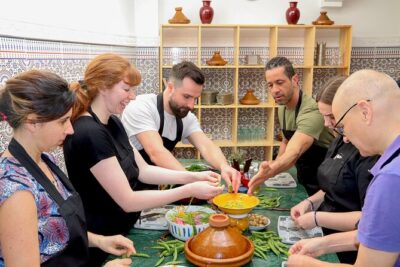
- Hands-on team cooking, where everyone chops, stirs, and assembles
- Tagines plus the dessert you remember, including Pastilla of Milk
- Recipes sent after, so you can recreate the dishes at home with the exact spices and steps
- Local women teaching, with chefs who have worked across Moroccan catering and hotel kitchens
Marrakesh cooking class in Khmisa Workshop: what $40 buys you
For $40 per person, you are basically paying for three things at once: a guided market run, a Moroccan cooking lesson, and a full sit-down meal. Most cooking classes in big cities hand you a recipe card and let you watch. This one flips the script.
You begin at an intimate riad setting in the heart of the Medina, run by Khmisa Workshops. The vibe is warm and family-style, and the food comes from people who cook Moroccan cuisine and pastry for a living. Even the format feels right: market walk, mint tea ritual, then cooking as a team, and finally eating what you made together.
If your goal is to understand Moroccan food beyond taste, this is a practical way to do it. You are learning how flavors get built, especially through spice blends, slow cooking, and the balance between sweet, savory, and aromatic notes.
More Cooking Classes in Marrakech
- Marrakech: Moroccan Cooking Class with Pickup
★ 4.6 · 1,862 reviews - Marrakesh: Moroccan Dishes Cooking Class with a Local Chef
★ 5.0 · 1,615 reviews - Marrakech: Moroccan Cooking Class with a Local Family
★ 4.9 · 668 reviews
Souk shopping in Marrakech: spices, produce, and learning by choosing
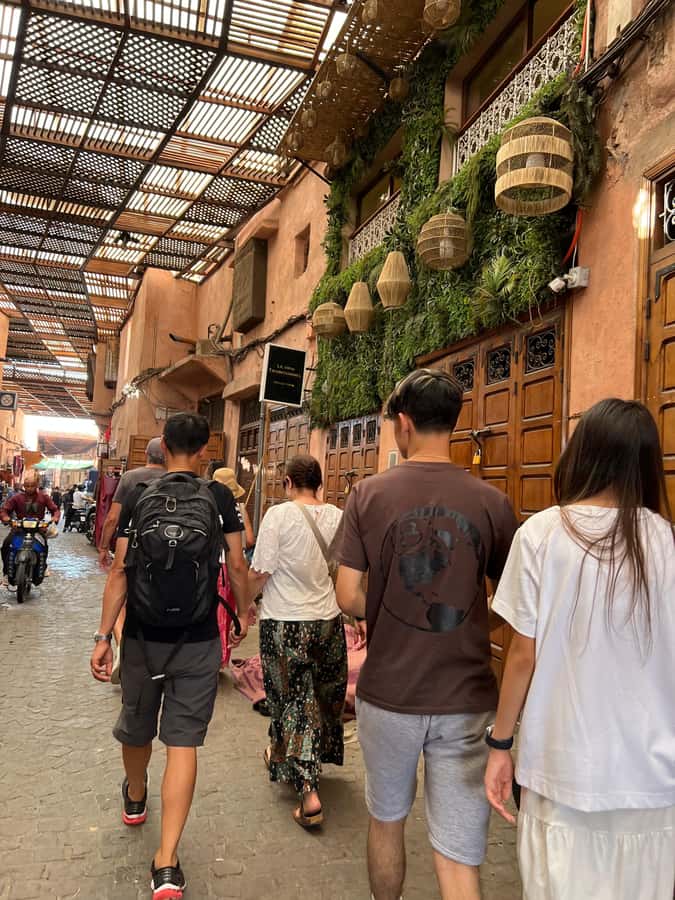
The market visit is short, but it is the point. You head to a local Souk away from the touristic side, then walk through stalls filled with spices and fresh goods. Instead of being guided through a list, you learn by picking what you need for the menu.
A big plus here is the “real ingredients” approach. One of the best ways to cook Moroccan at home is to buy the right things, not the vague idea of them. Market shopping teaches you what should look fresh, what spices should smell like when they are used, and which ingredients show up again and again in different dishes.
You also discuss allergies and restrictions before the market. That matters, because Moroccan cooking often relies on shared ingredients across dishes. If you need adjustments, this is the moment to flag them, so the menu still works for you.
Practical note: the Medina can feel confusing if you do not have clear directions. One tip from prior participants is that meeting points near a major mosque can be hard to pinpoint if directions are vague. When you confirm, ask for a specific entrance or landmark so you do not waste time hunting.
The mint tea ritual: more than sugar and steeping
Mint tea in Morocco is a small performance, and it affects how the tea tastes. In this class, you are shown the ritual step by step before you start cooking.
You get taught how to handle the mint and how to pour so the tea comes out right. It is the kind of detail that sounds minor until you try to recreate it at home and realize your version is not quite the same.
I also like that tea here is not treated like a prop. It is part of the learning flow. You do it early, you see how the hosts approach hospitality, then you move straight into the kitchen where the same attention to process shows up again.
What you cook at Khmisa Workshops: starters, tagines, and Pastilla of Milk
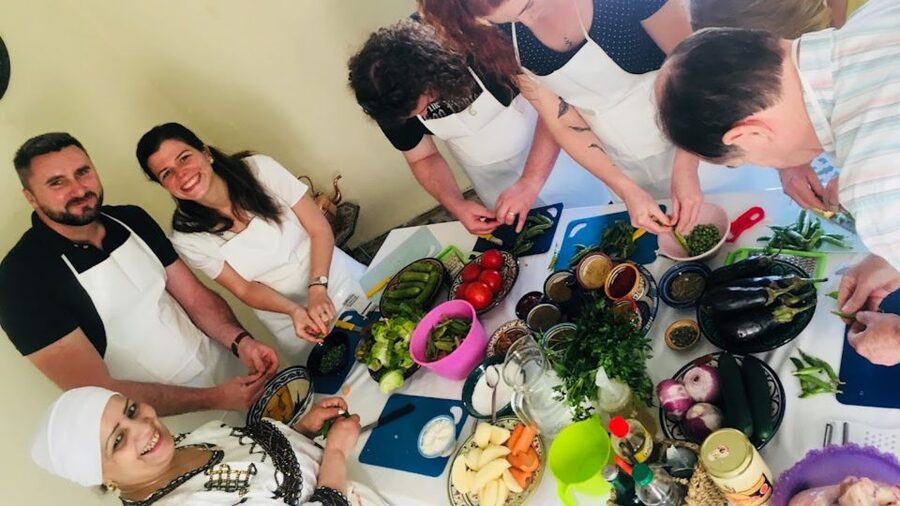
Your menu typically includes 3 to 6 dishes, often structured as starters plus one or two main courses. Pastilla of Milk is listed as the dessert, and you will likely taste it as part of the group meal at the end.
Based on what people report from different group menus, you can expect a mix that often includes:
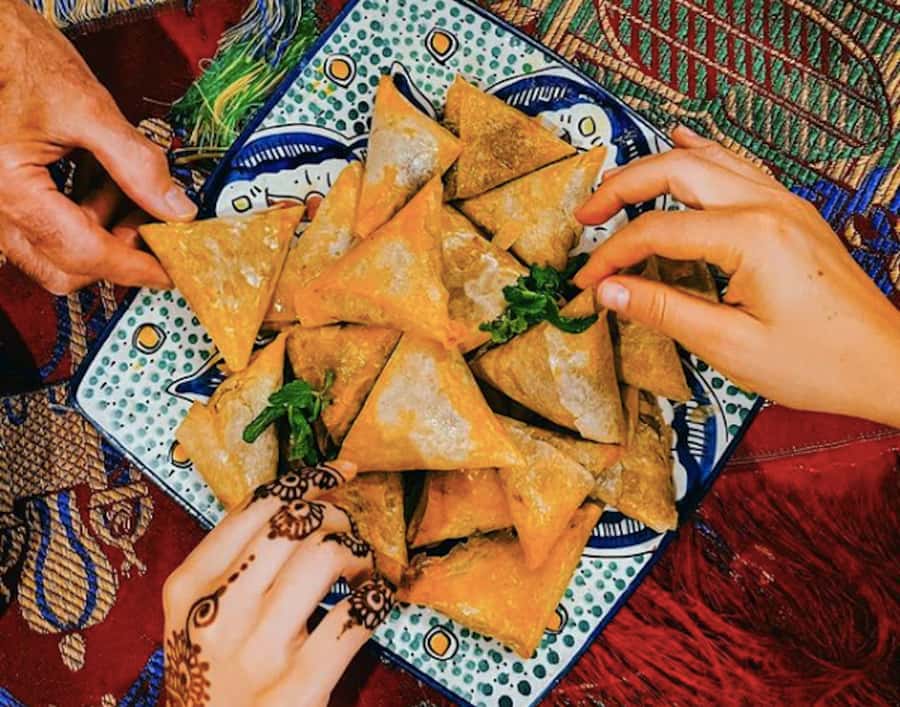
- Moroccan salads and other starter dishes
- Tagines made with chicken and also vegetarian options
- A dessert course that may include milk pastilla
The tagines are a highlight for a reason. Moroccan stews and braises depend on technique. The herbs, spices, aromatics, and timing all matter, and the class structure helps you see how it comes together while you are standing right there at the table.
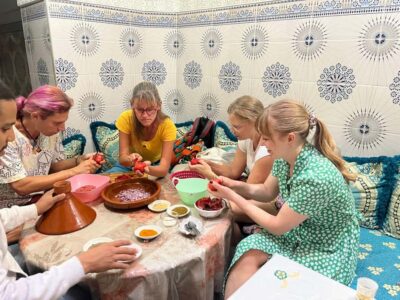
What makes the cooking portion work is the team setup. It is interactive. You will take turns doing the real work, from chopping to mixing spices and assembling components. Chefs and local hosts guide you with patience, so you learn the process without feeling rushed or silly for asking questions.
One participant also singled out the energy that can happen when a translator supports the chef. Even if your Arabic is basic, you will usually be covered through English and French support from the local guide and team.
Within striking distance:
- Marrakech: Agafay Desert Sunset, Camel Ride, and Dinner Show
★ 4.6 · 35,119 reviews - From Marrakech: Ouzoud Waterfalls Guided Hike and Boat Trip
★ 4.7 · 33,630 reviews - Marrakech: Agafay Desert Quad & Camel Rides with Dinner Show
★ 4.8 · 27,382 reviews - Marrakech: Agafay Desert Quad Biking Tour with Dinner-Show
★ 4.8 · 16,569 reviews
Tastes you can recreate at home, not just a full stomach
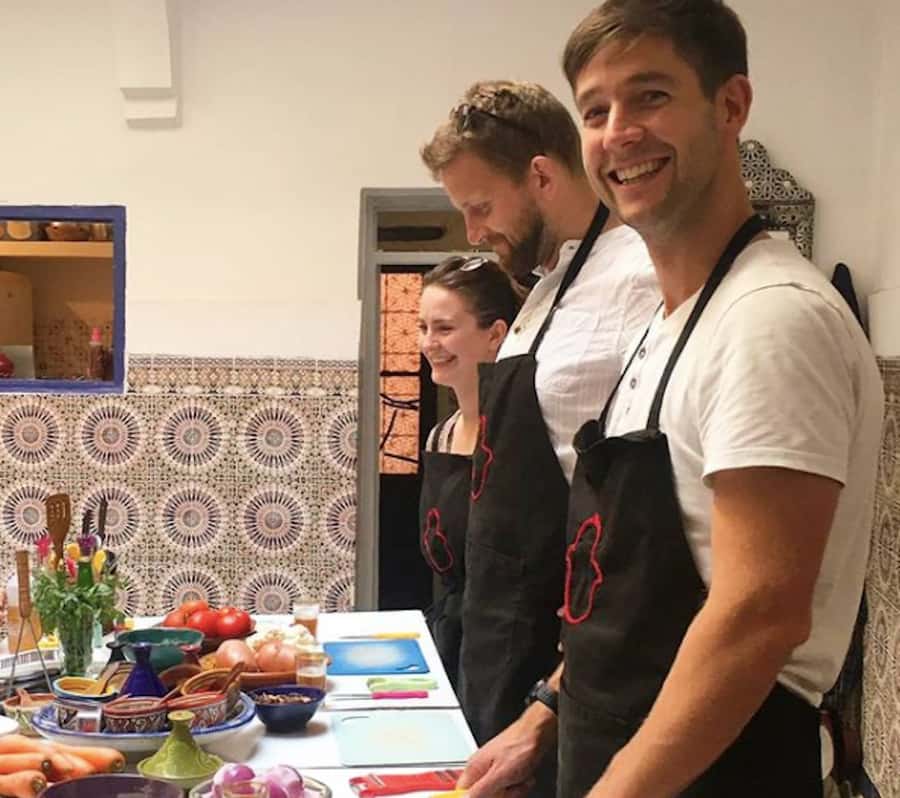
A meal is great. Learning is better. This class is built for both.
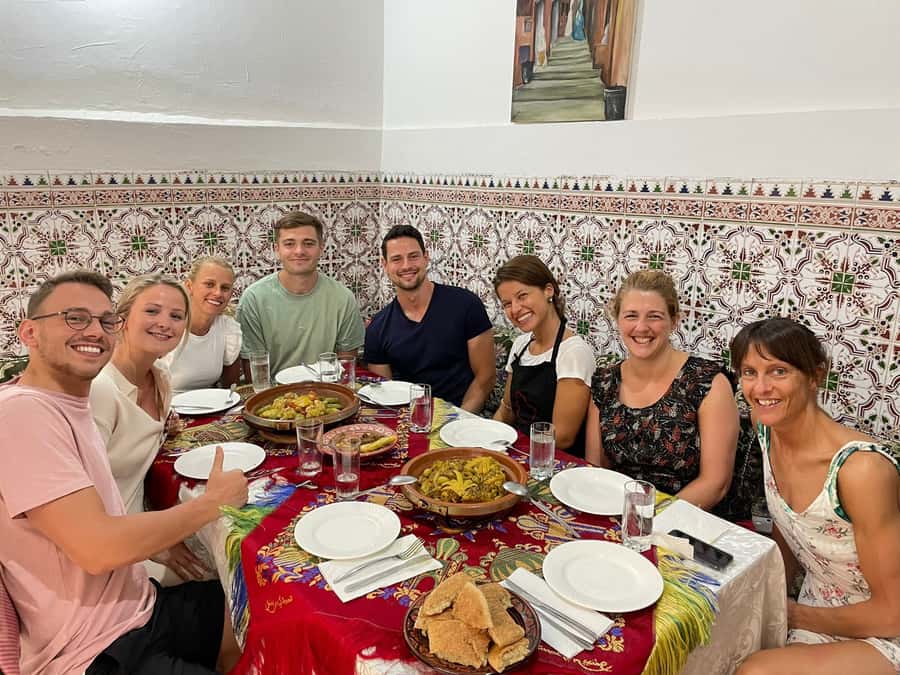
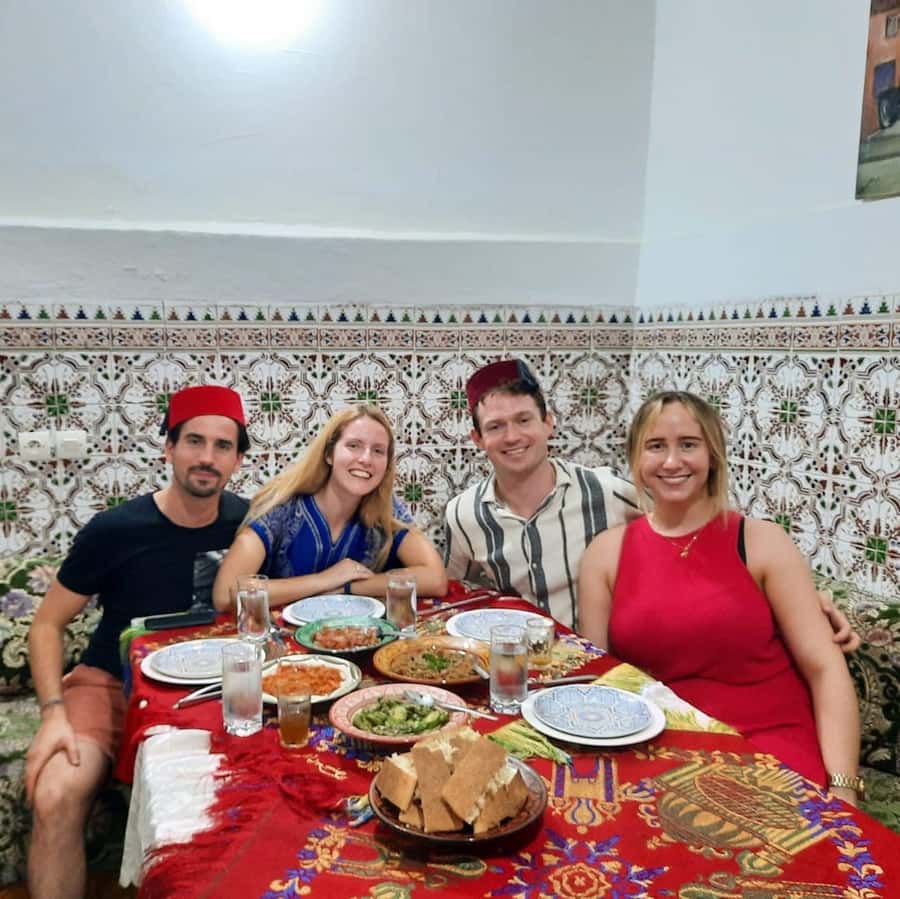
You taste what you made, and it is genuinely filling. Several people mentioned it as the best meal they had during their stay, which makes sense when you are cooking a full set of dishes instead of a single sampler plate.
But the real win is what you take home:
- Homemade spice options may be available for purchase before you leave
- Recipes are provided after the class as electronic instructions (email is mentioned, and some people received recipes through messaging)
- You leave with a clearer idea of which spices matter for which dish
This is where value shows up. You are not just buying one dinner. You are buying the ability to cook Moroccan food again, with a workflow that feels repeatable.
If you like cooking but get frustrated with vague instructions, you will appreciate having the steps and spice logic laid out for you.
Group size, timing, and how it feels inside the riad
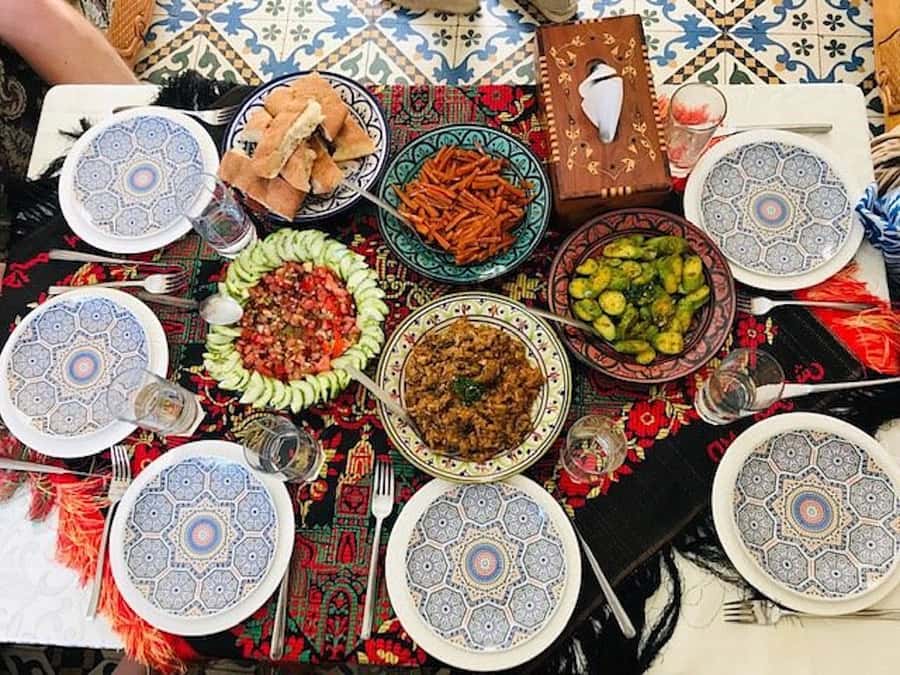
Most groups are around 12 people, but it can vary. One report described a small group of 6, which tends to make participation even easier. Either way, the class is designed so you are involved, not stuck waiting for your turn.
Timing can shift slightly. One person reported that the start time changed from 10:00 to 11:00, and the host informed them the night before. That tells you the hosts communicate, but it also means you should plan to confirm the exact time the day prior.
The riad workshop itself has room to work. One participant noted the property was air conditioned, which is a practical comfort if you are cooking during warm months. Still, you are in a Medina setting, so expect that the environment is close and active while you cook.
For families, this can work well. A parent brought an 8-year-old who participated and enjoyed it, and multiple families described the hosts as patient and inclusive. If you are traveling with teens, the team format can also keep everyone engaged since there are lots of small tasks.
Dietary needs and “will this work for me?” check
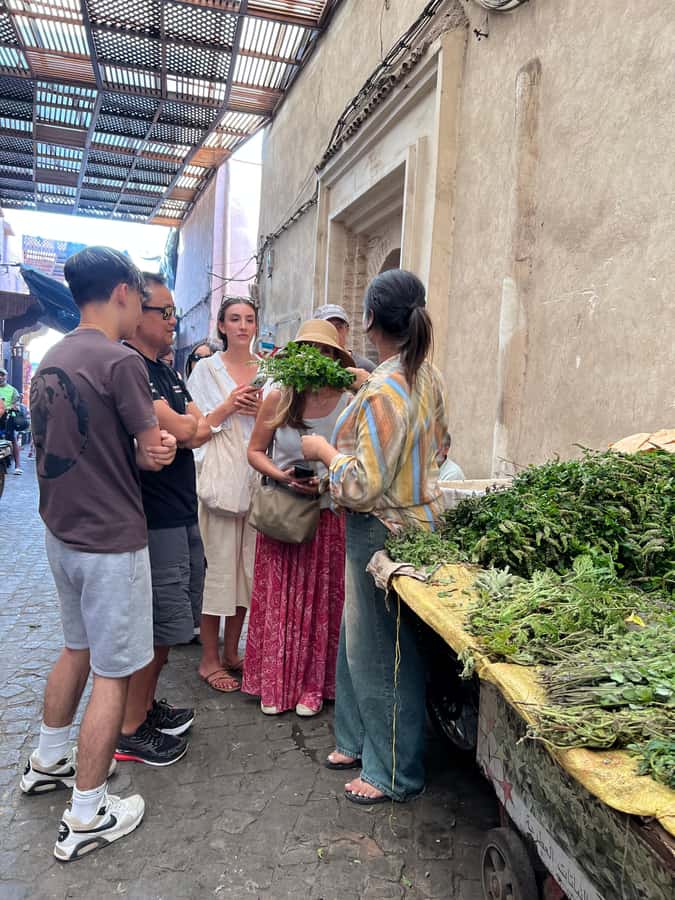
The class is set up to handle allergies and restrictions. That happens before you go shopping at the market, which is smart. You are not trying to improvise substitutes halfway through cooking.
Vegetarian options show up in what people cooked. Several reports mention vegetarian starters and a vegetarian tagine. That suggests the menu can flex so you are not forced into a plain side dish.
What I would do if you have a strong dietary need: tell the hosts clearly during the allergy discussion, and be specific about what you cannot eat. Moroccan menus can include shared ingredients, so clarity helps them choose the right path early.
Practicalities you should not skip: what to bring and where to look
Bring comfortable shoes. The Medina walk to the Souk and the time inside the workshop both add up. Also bring a hair tie, especially if your hair gets in the way while you chop and stir.
You should know what is not allowed:
- No smoking
- No alcohol and no drugs
- No pets
Also, since hotel pickup is not included, you should plan to get yourself to the meeting point on time. If the meeting point is near a large mosque, request a precise entrance or landmark rather than just the mosque name.
If you want smooth logistics, confirm:
- Exact meeting time
- The specific entrance or address landmark
- Any dietary notes you already shared
Should you book Khmisa’s Marrakech cooking class?
Book it if you want the full Marrakech flavor lesson, not just a cooking demo. The market-first approach, the mint tea ritual, and the hands-on tagine and starter cooking make this a high-value experience for people who want to learn how Moroccan cooking really works.
Skip it or rethink it if you need wheelchair-friendly access. The experience is not suitable for wheelchair users, and the Medina setup includes walking and movement in tighter spaces.
If you like returning home with a recipe and the confidence to cook the dishes again, this is exactly the kind of class that pays off.
FAQ
What’s included in the $40 per person price?
The price includes lunch or dinner, Moroccan tea, a local chef and guide who speak French, English, and Arabic, all ingredients, a short market walk for shopping, and electronic recipes after the class.
Do we visit the market before cooking?
Yes. After discussing allergies and restrictions, you go to the local market (Souk) to buy fresh groceries, then you return to Khmisa Workshop to cook.
What dishes will we make?
The menu is typically 3 to 6 Moroccan dishes, often including starters and main courses, plus Pastilla of Milk for dessert.
Can they handle allergies or dietary restrictions?
Yes. You discuss your food allergies and restrictions before going to the market so the menu can be adapted.
What languages are available during the class?
The guide and team offer English, French, and Arabic.
Is hotel pickup and drop-off included?
No. Hotel pickup and drop-off are not included.
What should I bring?
Wear comfortable shoes and bring a hair tie.
Is it wheelchair accessible, and can I book a private session?
It is not suitable for wheelchair users. Private sessions are available on demand only.
More Shopping Tours in Marrakech
- Marrakech: Exclusive Private Shopping Adventure in The souks
★ 4.9 · 77 reviews - Marrakech & Souk Shopping Tour.
★ 4.8 · 62 reviews - Marrakech: Hidden Souks Shopping Tour with Private Guide
★ 4.1 · 53 reviews - Marrakech: Medina Souks, Hidden Markets and Shopping Tour
★ 4.8 · 33 reviews
More Markets in Marrakech
- Edgy 8 Dish Private, Fusion Cooking Class, Menu Plan, Market
★ 4.9 · 31 reviews - Marrakesh: Private Cooking Class & Local Market Shopping
★ 4.7 · 15 reviews - Moroccan Cooking Class & Marrakech Market Visit with Chef Khmisa
★ 5.0 · 1,504 reviews - Evening Marrakech: Gastronomic and Market Tour Inside the Medina
★ 4.5 · 283 reviews
Latest additions near Marrakech
- Three valleys, Atlas Mountain, waterfalls & Agafay Desert★ 5.0 · 13 reviews
- Marrakech: Tailor-Made City Tour With Your Own Private Guide★ 4.9 · 236 reviews
- Essaouira: Surf Trip from Marrakech★ 4.9 · 31 reviews
- Surf Training and Lunch on Essaouira Day Trip from Marrakech★ 4.9 · 51 reviews
- Marrakech palm grove: Sunset camel ride★ 4.8 · 194 reviews
- Marrakech: Cycling Tour in Palm Groove with Local Breakfast★ 4.7 · 73 reviews
- Marrakech: Sunrise Desert Tour with Camel Ride and Breakfast★ 4.4 · 36 reviews
- Marrakech : Agafay Desert Sunset Camel Ride & Luxury Dinner★ 4.3 · 39 reviews
Moroccan Cooking Classes, compared.
Moroccan Dishes Cooking Class with a Local Chef
Read our review →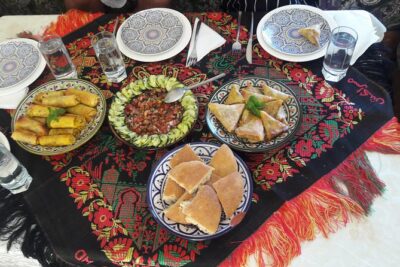
Moroccan Cooking Class & Marrakech Market Visit with Chef Khmisa
Read our review →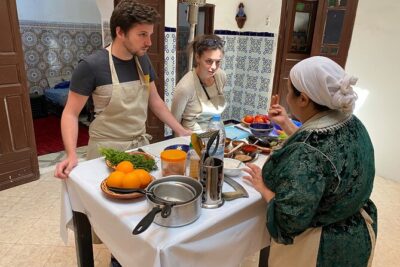
Half-Day Cooking Class with Local Chef Laila in Marrakech
Read our review →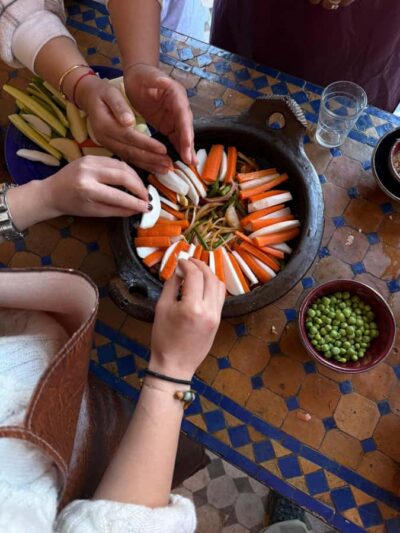
Marrakesh cooking class with chef Hassan – Local dishes
Read our review →Browse the lists this tour appears in