
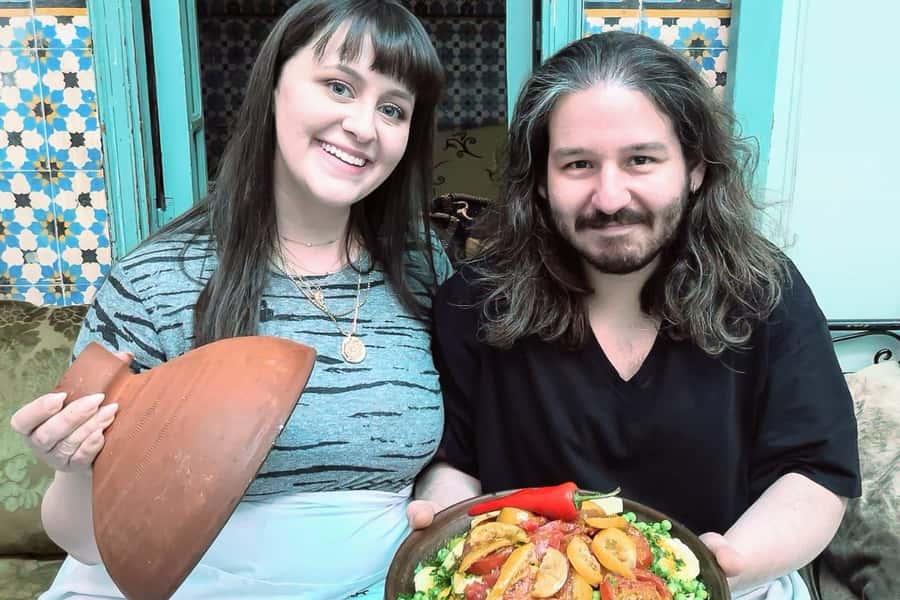
Reviewed · MOROCCAN COOKING CLASSES
Marrakesh: Private Cooking Class & Local Market Shopping
Tajine starts at the market, not the stove. This private Marrakech experience pairs a hands-on tagine lesson with guided ingredient shopping around Djemaa el-Fna. It ends with you eating what you made, in a homey riad setting.
I especially like the spice focus. You learn Arabic names for common ingredients and spices, then see how herbs and spices are chosen in the souk. That turns a tasty meal into something you can recreate at home.
One thing to consider is pacing. The class can run shorter than expected in some cases, and shopping quality can depend on how clearly the instructor and interpreter coordinate what you should pick.
In This Review
- Key highlights that make this class worth your time
- Private cooking class in Marrakesh: what you’re really signing up for
- Finding Café France in Djemaa el-Fna (and why it matters)
- The souk shopping run: spices, herbs, and real ingredient choices
- What you learn while you shop
- How to make the shopping part work better for you
- Cooking the tajine: your hands-on method session
- What the chef actually teaches
- Translation and kitchen flow
- The meal in the riad: eating what you made
- Recipes after the class: your take-home advantage
- Photos included: good for remembering, not just posting
- Price and value: why $81 can make sense in Marrakech
- Who this class is perfect for (and who should rethink it)
- Should you book? My practical call
- FAQ
- How long is the cooking class?
- Where do I meet the guide?
- What will I cook and what do I eat?
- What languages are available?
- Is this a private group experience?
- Are recipes and photography included?
- Can I cancel or pay later?
Key highlights that make this class worth your time
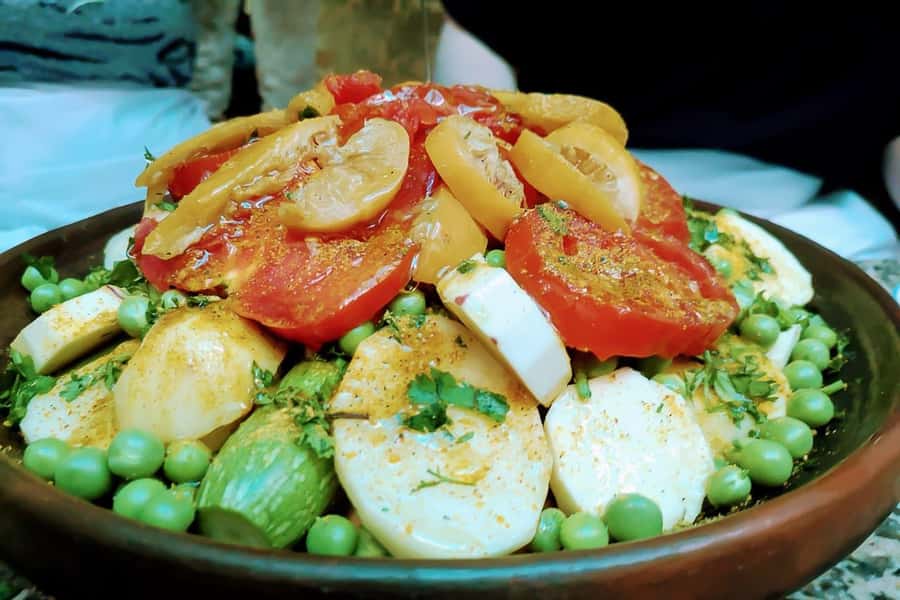
- Private, chef-led cooking focused on a traditional Moroccan tagine, not a quick demo
- Souk shopping with ingredient education, including what to look for in herbs, spices, and produce
- Arabic ingredient vocabulary you can actually use, learned while you shop
- Riad or home-style dining, where the meal feels like part of the culture, not a staged performance
- Recipes sent after the workshop, plus photography included
- Dietary requests may be accommodated if you ask in advance, including vegetarian options
Private cooking class in Marrakesh: what you’re really signing up for
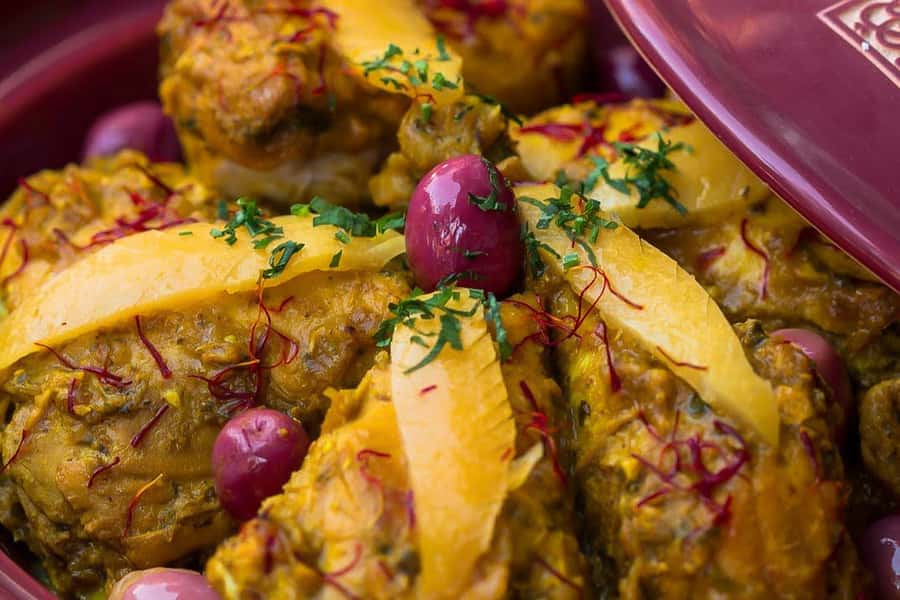
This is a half-day built around two real Moroccan skills: market shopping and kitchen timing. You do not just stand there and watch. You buy ingredients with help, then you cook them with a professional chef, and you sit down to eat the result.
At $81 per person for about 4 hours, the value is mostly in the chef time and the market guidance. In Marrakech, ingredients are where the magic starts, and this class helps you understand what choices matter. If you like food as more than entertainment, you will get a lot out of it.
You’ll also get language support. The experience runs with a local guide in Arabic, English, or French, so you can follow instructions and learn the names of key items without guessing.
More Cooking Classes in Marrakech
- Marrakech: Moroccan Cooking Class with Pickup
★ 4.6 · 1,862 reviews - Marrakech: Traditional Moroccan Cooking Class & Market Visit
★ 4.8 · 1,861 reviews - Marrakesh: Moroccan Dishes Cooking Class with a Local Chef
★ 5.0 · 1,615 reviews
Finding Café France in Djemaa el-Fna (and why it matters)
Your meeting point is outside Café France in Djemaa el-Fna, and you find it by looking for a three-storey café on the right side of the square. It is a practical start point, because Djemaa el-Fna is easy to recognize once you are standing in the right place.
Why this matters: if you have ever tried to meet up in the medina, you know how quickly plans can fall apart. A clearly named landmark keeps the morning or afternoon calm. Once you meet your guide, you can shift from Marrakech chaos to a guided plan.
Expect a quick reset from your guide before you head into shopping and cooking. This is where you learn how the class will flow, and you can flag anything you want to focus on, like spice intensity or a dietary preference.
The souk shopping run: spices, herbs, and real ingredient choices
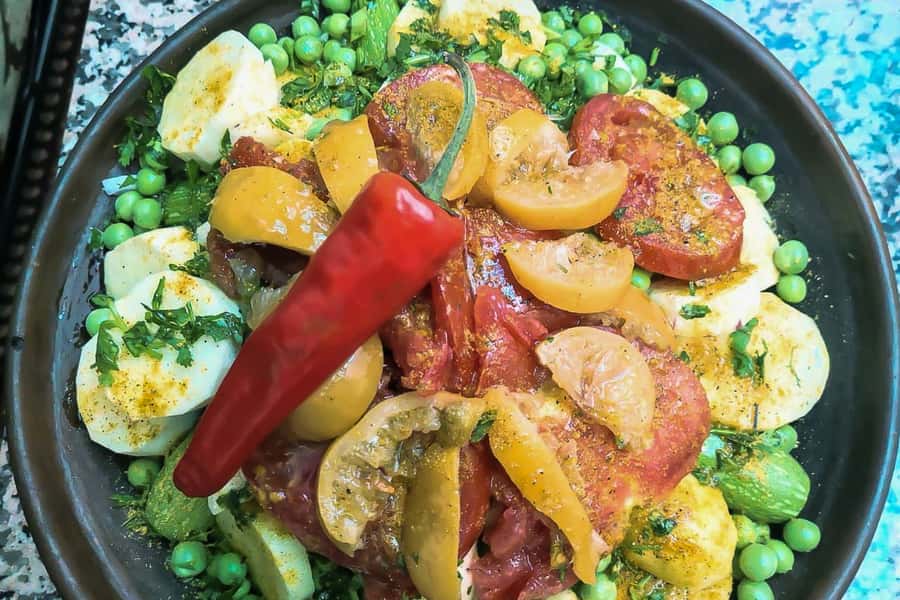
The market portion is the heart of the experience. You stroll through the souk with your guide, selecting the meats, vegetables, herbs, and spices that go into your tagine. This is where the lesson becomes useful, because you learn why ingredients are valued, not just what they are called.
What you learn while you shop
You will hear about herbs and spices as everyday Moroccan tools. The guide also introduces ingredient names in Arabic, and that helps you connect the cooking lesson to real shopping back home. You might not remember everything, but the terms you pick up alongside visuals tend to stick.
The shopping includes locally cultivated items that make Morocco’s food culture specific. The experience highlights items like Taliouine saffron, Meknes mint and olives, and Fez oranges and lemons. Even if you only taste a small amount, it’s a strong way to understand where flavors come from.
You also get context on how spices arrived and became part of Moroccan cuisine over thousands of years. That adds meaning when you smell cumin, inhale preserved lemon notes, or notice how herbs are treated like they matter, because they do.
Within striking distance:
- Marrakech: Agafay Desert Sunset, Camel Ride, and Dinner Show
★ 4.6 · 35,119 reviews - From Marrakech: Ouzoud Waterfalls Guided Hike and Boat Trip
★ 4.7 · 33,630 reviews - Marrakech: Agafay Desert Quad & Camel Rides with Dinner Show
★ 4.8 · 27,382 reviews - Marrakech: Agafay Desert Quad Biking Tour with Dinner-Show
★ 4.8 · 16,569 reviews
How to make the shopping part work better for you
Here is the one practical tip I would give: go in with your preferences in mind. If you want a very specific spice level, a certain cut of meat, or you care about price versus quality, say it early. Some people found that shopping can feel less satisfying when communication between the interpreter and the instructor is not tight, so your input helps.
Also, if you are traveling with a group, understand that private does not always mean everyone participates in every step. You may be paired into roles while the chef moves the cooking forward.
Cooking the tajine: your hands-on method session
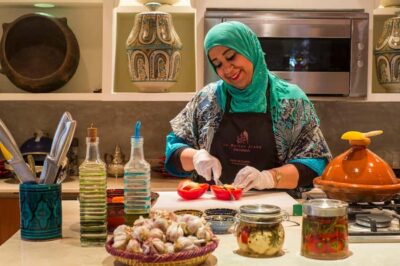
Once you have your ingredients, you move into the cooking phase at a charming riad in central Marrakech. This is not just a backdrop. A riad kitchen has its own rhythm, and that home-style setting makes the whole thing feel less like a class and more like a real meal being prepared.
What the chef actually teaches
You will work with a professional chef to prepare a traditional Moroccan tagine. The cooking portion is hands-on, meaning you handle ingredients and follow the steps rather than watching from across the room.
The chef’s instruction is practical. You learn how Moroccan cookery treats herbs and spices as part of the structure of the dish, not as a finishing touch. You also learn about seasoning, timing, and how ingredients behave during cooking.
If your workshop includes choices beyond tajine, ask your guide during the intro. One piece of feedback you should take seriously is that class planning can vary, depending on whether you are making tajine versus something like couscous, and that affects how long you’ll spend in each part.
Translation and kitchen flow
You will have an English or French-speaking guide, with live support in Arabic, English, or French. Still, pay attention to who is speaking during key steps, because good translation is what turns cooking instructions into a repeatable recipe.
If you want to learn the Arabic ingredient names, ask to be sure you get them during shopping and prep, not only during the cooking. You’ll get more value if the vocabulary lands when you can point to an ingredient.
The meal in the riad: eating what you made
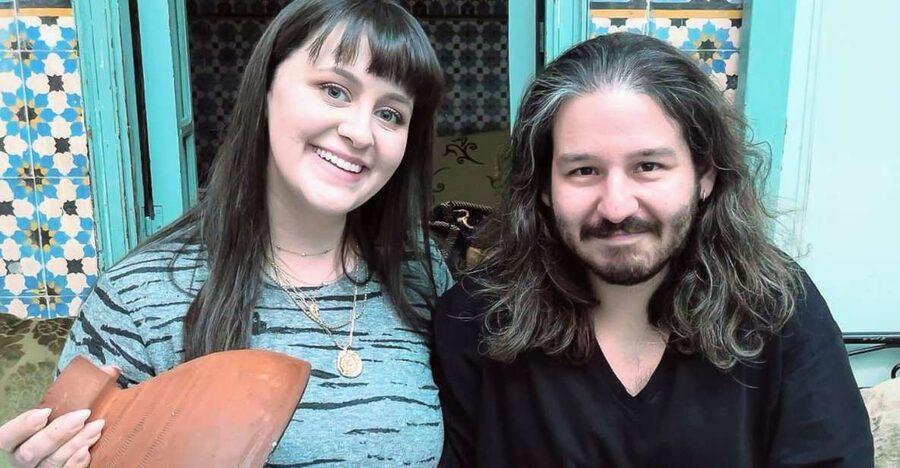
This experience is built to end with a sit-down meal. After you cook, you eat what you prepared. Lunch or dinner is included, depending on the time you book.
The atmosphere tends to be warm and welcoming. One standout theme in the experience is the family or host-style feeling, where the kitchen becomes social. You might meet the person who runs the household kitchen, and you could hear stories and tips that go beyond the official steps.
One note of realism: if the household rhythm becomes more formal at meal time, it can shift from relaxed cooking chatter to a more directive focus on the host’s role. If you care most about conversation and a calm, quiet meal, just know that home settings can run differently than restaurants.
Still, the main point is the same. You taste your work, and you leave with a stronger sense of how Moroccan flavors build from the inside out.
Recipes after the class: your take-home advantage
You get recipes sent after the workshop. This is a big deal, because the best cooking classes give you a path back to the original flavors, not just a memory.
Use the recipes quickly. When you do it within a week or two, your spice impressions and step order still feel fresh. Then you can buy ingredients with more confidence, especially if you remember a few Arabic names from your market walk.
If you are a spice collector, this is also where it gets fun. You can rebuild the ingredient list from what you bought and tasted, and it feels more grounded than buying spices blindly.
Photos included: good for remembering, not just posting
Photography is included, which helps because Moroccan ingredients and kitchen moments are hard to capture properly while you are cooking. You can stay focused on what the chef is doing, and still have images afterward.
If you care about details for your own notes, ask your guide what gets photographed and whether you will receive the images in the format you expect. The class includes photography, but the delivery method is not spelled out in the core information you have.
Price and value: why $81 can make sense in Marrakech
Let’s talk value without hype. At $81 per person for a private group experience lasting around 4 hours, you are paying for four things:
- A professional chef teaching you how to make a traditional Moroccan tagine
- A guided market run where herbs and spices are explained in context
- A meal included, meaning your time ends with a real payoff
- Follow-up recipes sent after the workshop, plus photography
If you were to do this independently, you would still spend time getting ingredients, translating what you see at the souk, and figuring out cookery basics. This compresses a lot of that uncertainty into one guided experience.
Also, the private format matters. It is not about sharing a cooking station with strangers. It is more likely you can ask questions in your chosen language and adjust your focus, like spice preference or ingredient swaps, as long as you mention it early.
The one value risk is timing variance. If the experience runs shorter than expected on some bookings, you might wish you had a little more time for market selection or cooking steps. That is why you should confirm what the main dish is and how the schedule will feel for your group.
Who this class is perfect for (and who should rethink it)
You should book if:
- You want a Moroccan food experience that teaches you how ingredients matter, not just what you should eat
- You enjoy souks and want guidance on selecting spices, herbs, and produce
- You like hands-on cooking and want a recipe you can repeat later
- You want a private group with live guide support in Arabic, English, or French
You might rethink it if:
- You hate markets and prefer a quieter, strictly seated food tour
- You need a precise hour-by-hour schedule and get anxious when timing shifts
- You want total free choice during shopping without guidance, since the class has a structured ingredient plan
Should you book? My practical call
If you are choosing between a standard cooking demo and a market-connected class, I would lean toward this one. The souk shopping is the difference maker. Learning Arabic names for ingredients while you see them in the market makes your future shopping less confusing.
Before you book, do two quick things:
- Confirm whether your session focuses purely on tajine and what the expected schedule looks like for your booking time
- Tell your guide about any spice preferences or dietary needs at the start, so the shopping and cooking match your expectations
If you can handle a bit of Marrakech movement, you will end up with something more useful than a nice meal. You’ll leave with a method, a vocabulary, and a dish you can actually make again.
FAQ
How long is the cooking class?
The experience lasts 4 hours.
Where do I meet the guide?
Meet outside Café France in Djemaa el-Fna. Look for the three-storey café on the right side of the square.
What will I cook and what do I eat?
You cook a traditional Moroccan tagine and then enjoy the meal you prepared. Lunch or dinner is included.
What languages are available?
The live tour guide is available in Arabic, English, and French.
Is this a private group experience?
Yes, it is a private group.
Are recipes and photography included?
Yes. Recipes are sent after the workshop, and photography is included.
Can I cancel or pay later?
Free cancellation is available up to 24 hours in advance for a full refund. You can also reserve now and pay later.
More Shopping Tours in Marrakech
- Marrakech: Exclusive Private Shopping Adventure in The souks
★ 4.9 · 77 reviews - Marrakech & Souk Shopping Tour.
★ 4.8 · 62 reviews - Marrakech: Medina Souks, Hidden Markets and Shopping Tour
★ 4.8 · 33 reviews - Marrakesh: Guided Souk Shopping Tour with a Local Guide
★ 4.9 · 651 reviews
More Markets in Marrakech
- Marrakech: Moroccan Cooking Class with Market Visit and Meal
★ 4.9 · 347 reviews - Edgy 8 Dish Private, Fusion Cooking Class, Menu Plan, Market
★ 4.9 · 31 reviews - Moroccan Cooking Class & Marrakech Market Visit with Chef Khmisa
★ 5.0 · 1,504 reviews - Evening Marrakech: Gastronomic and Market Tour Inside the Medina
★ 4.5 · 283 reviews
Latest additions near Marrakech
- Essaouira Full Day Trip : From Marrakech★ 3.4 · 13 reviews
- Mount Toubkal Trek 2 Days & 1 Night★ 4.5 · 26 reviews
- Marrakech: Atlas Mountains Day Trip, 3 Valleys & Waterfalls★ 4.5 · 39 reviews
- Marrakech: Half-Day Medina Markets Tour★ 4.5 · 11 reviews
- Marrakech: 3-Hour Open-Air Moroccan Cooking Course★ 4.9 · 74 reviews
- Moroccan Food Cooking Class with a Local Chef in Marrakech★ 4.7 · 90 reviews
- Moroccan cooking class in Marrakech with berber chef★ 5.0 · 16 reviews
- Edgy 8 Dish Private, Fusion Cooking Class, Menu Plan, Market★ 4.9 · 31 reviews
Moroccan Cooking Classes, compared.
Traditional Moroccan Cooking Class & Market Visit
Read our review →
Moroccan Dishes Cooking Class with a Local Chef
Read our review →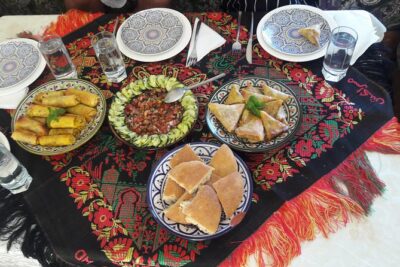
Moroccan Cooking Class & Marrakech Market Visit with Chef Khmisa
Read our review →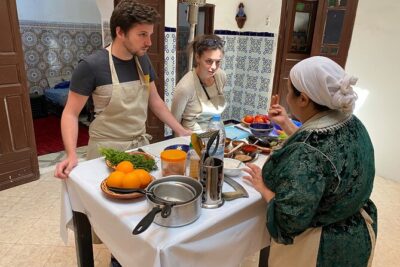
Half-Day Cooking Class with Local Chef Laila in Marrakech
Read our review →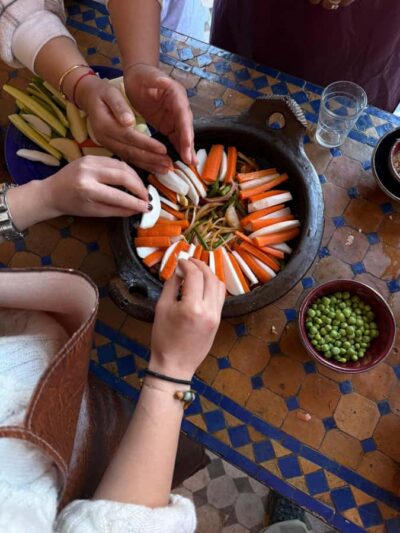
Browse the lists this tour appears in