
Reviewed · MOROCCAN COOKING CLASSES
Casablanca : Traditional Moroccan Cooking Class with Locals
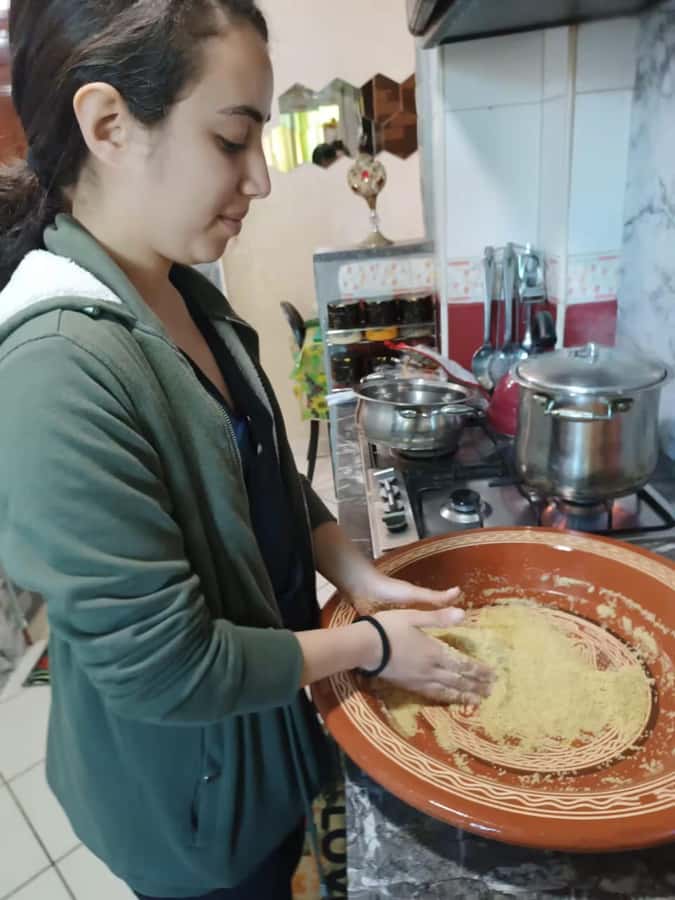
Four hours, one family kitchen, Moroccan flavors. This cooking class in Casablanca is special because you learn from Inas, using traditional techniques and practical, step-by-step guidance, not a scripted show. You also get to eat together at the end, like a real Moroccan family table.
I especially like that it stays hands-on the whole time, so you are actively making dishes such as tagine and couscous, and learning pastilla too. One thing to consider is that you are going to a local family home, so transport is not included and you’ll want to plan an easy way to get there.
In This Review
- Key things I’d bank on before booking
- Entering Inas’s Casablanca home kitchen, not a studio
- What you cook in Casablanca: tagine, couscous, pastilla
- How a 4-hour hands-on class actually feels in a small group
- The family meal: the part you’ll remember most
- Fresh local ingredients and time-honored techniques you can repeat
- Price and value: what $60 includes in real terms
- Meeting point at Résidence El fath near BIM Attacharok
- Language help and dietary requests
- Who should book this class, and who might want another option
- Should you book this Casablanca cooking class with Inas?
- FAQ
- What dishes will we learn to make?
- Is transportation included to and from the class?
- What is the meeting point address?
- How long is the cooking class?
- How large is the group?
- What languages are supported?
- Can you accommodate dietary requests?
- What is the cancellation policy?
Key things I’d bank on before booking
- You cook real Moroccan staples like tagine, couscous, and pastilla, using fresh local ingredients
- Inas teaches slowly and clearly, with patience and guidance through each step
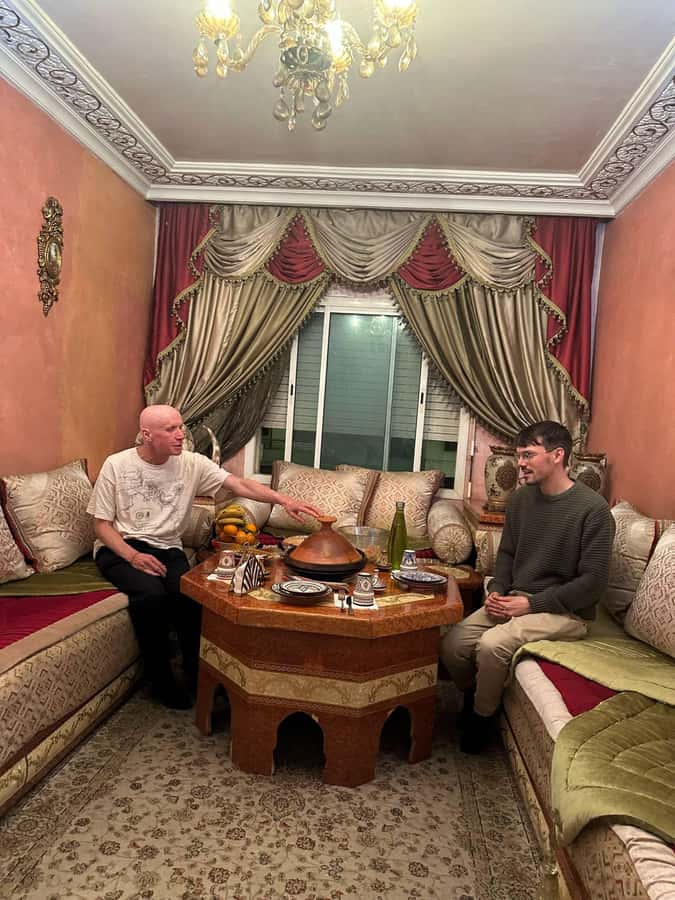
- The class includes a shared family meal, plus stories and customs during the evening
- Small group size (up to 10 people) keeps the kitchen more relaxed and interactive
- Language support includes Arabic, French, and English
Entering Inas’s Casablanca home kitchen, not a studio
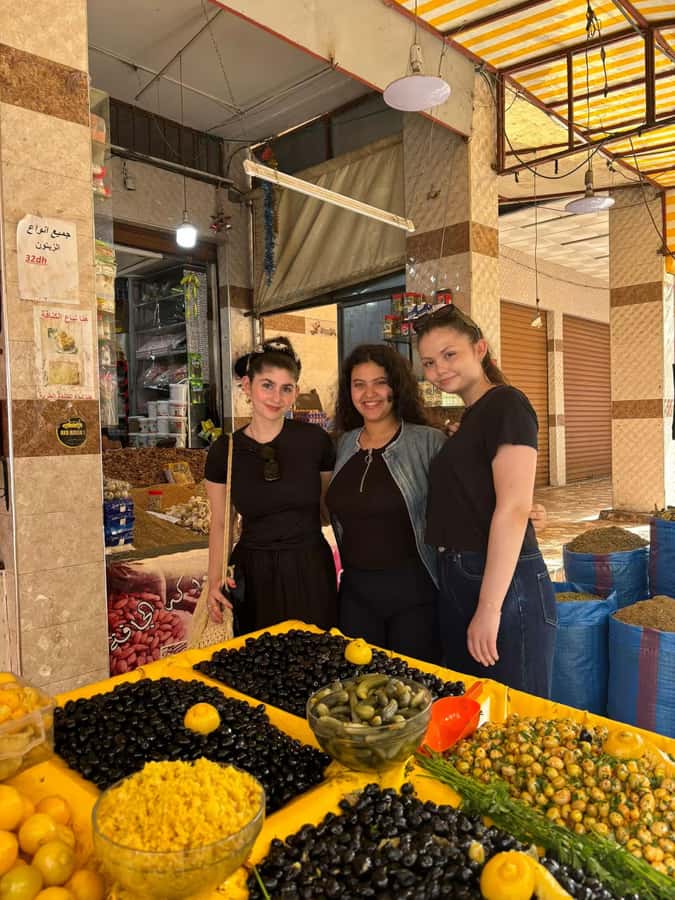
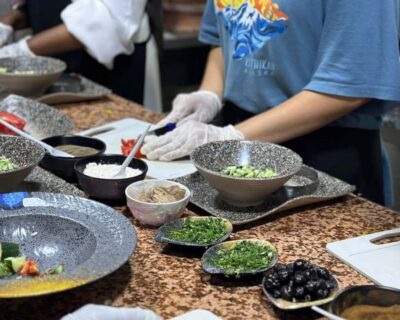
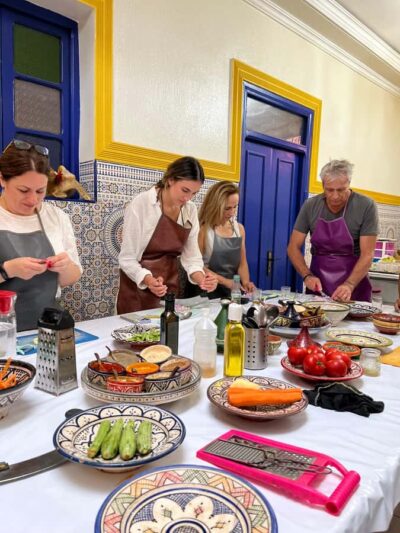
This is not a cooking class in a restaurant kitchen or a polished cooking school set-up. You join a local family in their home in Casablanca, in a real neighborhood setting. That changes the whole vibe. Instead of feeling like you are watching someone else cook, you are working in the space where everyday Moroccan meals happen.
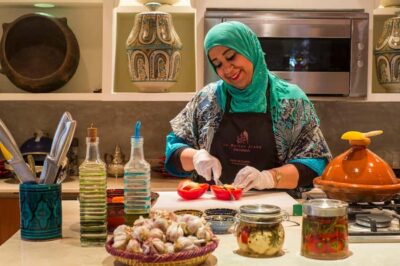
Inas is the key. She learned Moroccan cooking from her grandmother and mother, with decades of experience, and you can feel that in how the lesson is taught. The goal is not just to hand you a recipe. It is to show you how people think about flavor and timing, and how they handle ingredients like they are familiar friends.
You’ll also get a cultural layer that is hard to recreate any other way. The meal is shared with the family, and you are encouraged to trade stories and learn customs as the evening moves along.
More cooking classes in Casablanca:
- Marrakech: Moroccan Cooking Class with Pickup
★ 4.6 · 1,862 reviews - Marrakech: Traditional Moroccan Cooking Class & Market Visit
★ 4.8 · 1,861 reviews - Marrakesh: Moroccan Dishes Cooking Class with a Local Chef
★ 5.0 · 1,615 reviews
What you cook in Casablanca: tagine, couscous, pastilla
You are in for the core Moroccan lineup. The class includes iconic dishes such as tagine, couscous, and pastilla, and you also make Moroccan salads. The exact menu can vary, but the structure is consistent: fresh ingredients, classic methods, and guidance you can repeat later.
A detail I love is the way the dishes are described as flavor-forward and specific. One example from the experience: tagine with lemon preserved, paired with couscous with vegetables. Those are the kinds of choices that make Moroccan food taste unmistakably Moroccan, not just “spiced stew” or “seasoned rice.”
Here is how to think about it as a cook at home:
- Tagine is as much about balance as it is about ingredients. Getting the technique right matters, especially around layering, steam, and how long you let flavors develop.
- Couscous becomes more than a side when you learn how vegetables and seasoning are treated and timed.
- Pastilla often feels intimidating on paper. In a home-class setting, you learn it as a process, not a mystery.
The class promises that you will learn secret tips and techniques passed down through generations. Even if you never cook it exactly the same way twice, you will leave with the practical habits that make the food work.
How a 4-hour hands-on class actually feels in a small group
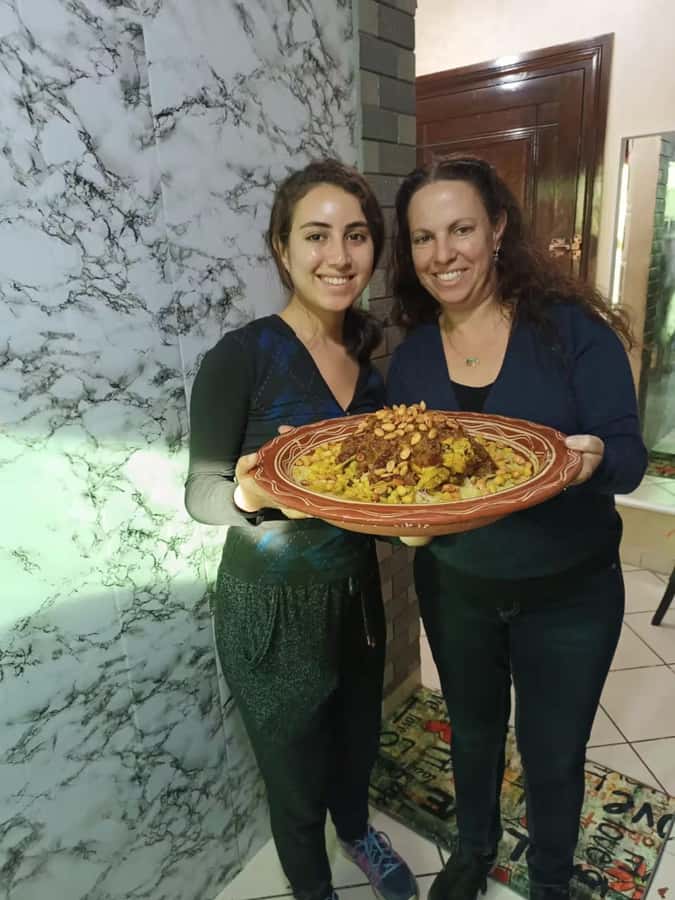
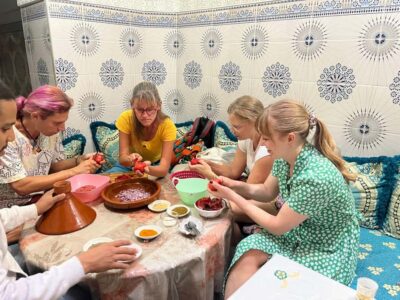
The group stays small, limited to 10 participants. That is not just a comfort thing. It affects how much attention you get while you are cooking. In a bigger group, you often end up waiting for tools or for your turn. Here, you are more likely to stay engaged at every stage.
Inas is described as patient and clear, guiding participants step by step. That matters if you are not a confident home cook. You can focus on doing the next step correctly, rather than guessing what should happen next.
You should also expect a friendly, relaxed rhythm. This is a family home. That means the pace is more human, less industrial. If you are the kind of person who gets stressed in busy kitchens, keep your expectations grounded. You are learning, and the kitchen is not a classroom with perfect stations and perfect timing.
The family meal: the part you’ll remember most
Food classes are often judged by what you cook. This one adds a second score: what it feels like at the table afterward.
You sit down with the family to enjoy the meal you made, like a true Moroccan shared dinner. And while you eat, you are part of the conversation. That is where stories and customs come in, turning the evening into more than a cooking workshop.
One of the strongest takeaways from the experience details is the hospitality. You do not just get served and sent away. You are welcomed like family, at least in the way the evening unfolds. By the end of the night, many people feel like they know the household a lot better than they expected.
Other Casablanca days to consider
- Moroccan Cooking Class & Marrakech Market Visit with Chef Khmisa
★ 5.0 · 1,504 reviews - Half-Day Cooking Class with Local Chef Laila in Marrakech
★ 5.0 · 952 reviews - Marrakech: Moroccan Cooking Class with a Local Family
★ 4.9 · 668 reviews - Marrakech: Moroccan Cuisine Cooking Class in Local Home
★ 4.8 · 508 reviews
Fresh local ingredients and time-honored techniques you can repeat
The class builds in a real advantage: you use fresh, local ingredients. That sounds basic, but it is the difference between cooking as a concept and cooking as a reality.
Using fresh ingredients changes:
- How quickly flavors come together
- How forgiving the dish is
- Whether you understand what each ingredient is doing
And then there are the time-honored techniques. The class focuses on ancestral methods, along with secret tips you won’t find in cookbooks. That does not mean you are getting magic. It means you are learning the small practical decisions that people pass down because they work.
If you want to cook Moroccan food at home later, that is what you should take seriously. You don’t just want ingredients. You want the way of handling them: seasoning timing, layering logic, and what texture you should aim for at each stage.
Price and value: what $60 includes in real terms
At $60 per person for 4 hours, you’re paying for something more than instruction. You are paying for access to a home kitchen, fresh ingredients, and a shared meal. For Casablanca, that can be excellent value when you compare it with the cost of a meal out plus a private guide or workshop elsewhere.
Here’s what the price is effectively covering:
- Hands-on cooking instruction in the family’s home
- Use of fresh local ingredients
- Multiple iconic dishes (tagine, couscous, pastilla, plus salads)
- The meal itself, shared with the family
The main “cost” you pay beyond the ticket is transportation, since getting there and back is not included. Once you factor that in, this still tends to feel like a solid deal because you leave with cooking skills, not just a plate of food.
Meeting point at Résidence El fath near BIM Attacharok
Your meeting point is Résidence El fath on street Abdellah Ibrahim at BIM Attacharok. That is specific, which is good. But it also means you should plan arrival carefully, especially if you’re using a taxi and want minimal backtracking.
A practical tip: confirm your exact pickup or meeting time with the provider the day before. Since you are meeting in a residential area, even a small delay can make the rest of the schedule feel tight.
If you’re driving, there’s at least one useful detail worth noting. An earlier participant mentions getting indoor protected parking from Inas. That may not be universal, but it signals that parking help is possible. If you arrive with a car, ask ahead.
Language help and dietary requests
The instructor speaks Arabic, French, and English. That is a real advantage, especially when you are dealing with technique, timing, and how ingredients are handled. You don’t want a language gap right when you are shaping, layering, or checking doneness.
Dietary requests are another area where this experience appears to be flexible. One person notes that dietary requests were accommodated. You should still communicate your needs clearly when booking, because Moroccan home cooking can be adjusted, but you need time and context to do it right.
Who should book this class, and who might want another option
This cooking class is a strong fit if you:
- Want to learn classic Moroccan dishes you actually recognize by name, like tagine and couscous
- Appreciate cooking instruction that stays patient and practical
- Like cultural sharing and conversation, not just food prep
It might be less ideal if you:
- Prefer restaurant-level convenience where everything is prepped and portioned
- Need round-trip transportation arranged for you, since it is not included
- Want a very formal, impersonal workshop environment rather than a family home experience
If you like hands-on learning and you enjoy people, this is your kind of evening.
Should you book this Casablanca cooking class with Inas?
Yes, I would book it if you want a memorable mix of hands-on Moroccan cooking and real family hospitality in Casablanca. The small group size and the focus on key dishes like tagine, couscous, and pastilla make it a good value, especially because the class includes the shared meal and fresh local ingredients.
I would not book it expecting a convenient, large-group program. This is a home kitchen. You should show up curious, ready to cook, and comfortable in a normal residential setting.
If your top goal is to leave with skills you can use later, and you care about the people side of travel, this one checks a lot of boxes.
FAQ
What dishes will we learn to make?
The class includes iconic Moroccan dishes such as tagine, couscous, and pastilla, and it also includes Moroccan salads.
Is transportation included to and from the class?
No. Transportation to and from the location is not included.
What is the meeting point address?
You meet at Résidence El fath in street Abdellah Ibrahim at BIM Attacharok.
How long is the cooking class?
The experience lasts 4 hours.
How large is the group?
The group is small and limited to 10 participants.
What languages are supported?
The instructor speaks Arabic, French, and English.
Can you accommodate dietary requests?
Dietary requests can be accommodated, based on participant feedback.
What is the cancellation policy?
You can cancel up to 24 hours in advance for a full refund.
Latest additions near Casablanca
- Cook Moroccan Food & Try on Traditional Clothes like a local★ 5.0 · 13 reviews
- Casablanca Half Day City Tour with Professional local Guide★ 4.2 · 18 reviews
- Casablanca: Traditional Souks Shopping Private Tour★ 4.4 · 29 reviews
- Casablanca to Tangier Guided Day Trip By High-Speed Train★ 3.6 · 10 reviews
- Casablanca to Fez: Scenic & Historical Day Trip with Lunch★ 4.7 · 111 reviews
- Casablanca: Quad Fun Beachside with Hotel Transfers★ 4.9 · 41 reviews
- Casablanca: Private or Group Tour★ 4.7 · 48 reviews
- Casablanca: Private Guided Tour with lunch★ 4.6 · 48 reviews
Moroccan Cooking Classes, compared.
Traditional Moroccan Cooking Class & Market Visit
Read our review →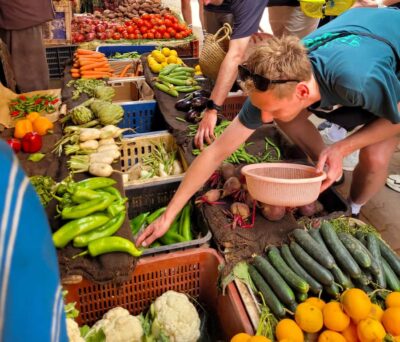
Moroccan Dishes Cooking Class with a Local Chef
Read our review →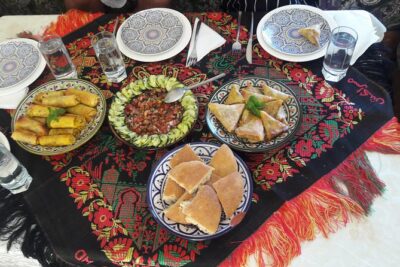
Moroccan Cooking Class & Marrakech Market Visit with Chef Khmisa
Read our review →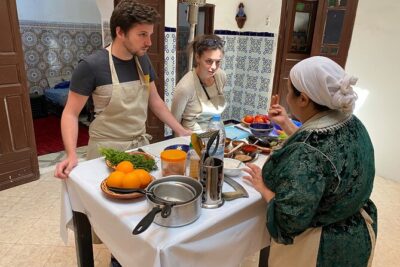
Half-Day Cooking Class with Local Chef Laila in Marrakech
Read our review →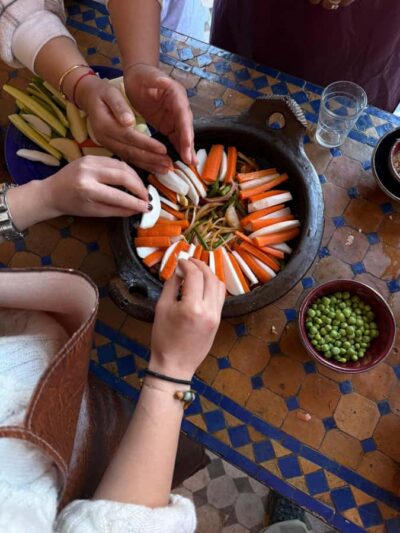
Browse the lists this tour appears in