
Reviewed · MOROCCAN COOKING CLASSES
Cooking Class in Marrakech with Fatiha and Samira
One good way to learn Morocco is by eating it. This Marrakech cooking class pairs a local Old City market walk with hands-on cooking in a family home run by Fatiha and Samira. I love that you start with ingredients you pick yourself, and then everything you cook makes sense. One thing to consider: the class runs for about 4 hours, so plan your schedule carefully and come ready to cook (not just watch).
What really makes this experience click is the home-kitchen setting. You get tea at the start, you cook with Moroccan women, and you end up sitting down together to enjoy what you made. I also like that the food is practical and focused on seasonal produce, spices, and familiar Moroccan techniques. The only real drawback is that it is weather-dependent, so if Marrakech is having an off day, the timing may shift.
If you want Moroccan food beyond a restaurant menu, this is a strong pick. It’s intimate, private for your group, and it gives you a clear path from market ingredients to a full 3-course meal. If you are short on time, you will still appreciate the flow, because it is built as a tidy half-day experience rather than a long tour marathon.
In This Review
- Key highlights you will feel right away
- A Marrakech cooking class that starts with ingredients, not menus
- Price and timing, and why 4 hours is a good deal in the medina
- Where you meet: Kasbah Mosque area near Jemaa el-Fna
- The market tour: spices, produce, and what to pay attention to
- Tea first, then the kitchen rhythm at Fatiha and Samira’s home
- Cooking the 3-course meal: tektouka, zaalouk, Berber tagine, and dessert
- Starters: smoky, tangy, and eggplant-friendly
- Main course: Berber-style tagine spirit plus a pasta course
- Dessert: the sweet finish after you’ve done the work
- Eating what you made: lunch as the lesson wrap-up
- Who this class suits best, and who should think twice
- Tips to get more from the class
- Should you book this Marrakech cooking class with Fatiha and Samira?
- FAQ
- Where does the cooking class start?
- How long is the experience?
- What do I eat during the class?
- Is this a private group experience?
- What is included in the price?
- What should I know about weather and changes to the plan?
Key highlights you will feel right away
- Old Medina market tour first, so you know what goes into your lunch before you lift a spoon
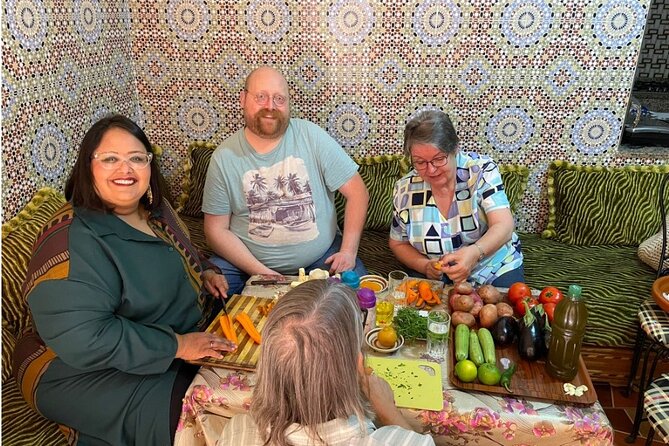
- A family home cooking class, with warm conversation and a comfortable, welcoming setup
- Hands-on Moroccan dishes like tektouka, zaalouk, and Berber tagine, plus a pasta course and dessert
- Tea early, then cooking in phases, so the pace stays friendly and organized
- Pickup near the Kasbah Mosque, close to Jemaa el-Fna for an easy start point
A Marrakech cooking class that starts with ingredients, not menus
Marrakech can feel like a lot at once. The sights are loud, the lanes are tight, and every spice seller seems to have the perfect story. This cooking class keeps it grounded by beginning with food, not foot traffic.
I like the logic here: you see seasonal produce and spices in the market, then you carry those choices into the kitchen and build a meal around them. That makes the flavors click. It also helps you understand how Moroccan home cooking works, because it is not just following a recipe card, it is tasting, adjusting, and using what is fresh.
The family-home format is the second big win. Instead of a generic demo kitchen, you cook where meals are actually part of daily life. In practice, that usually means you get more patience, more small tips, and more chances to ask why something tastes the way it does.
More Cooking Classes in Marrakech
- Marrakech: Moroccan Cooking Class with Pickup
★ 4.6 · 1,862 reviews - Marrakech: Traditional Moroccan Cooking Class & Market Visit
★ 4.8 · 1,861 reviews - Marrakesh: Moroccan Dishes Cooking Class with a Local Chef
★ 5.0 · 1,615 reviews
Price and timing, and why 4 hours is a good deal in the medina
At $40.71 per person, this is priced like a true activity, not a budget gamble. You get lunch, coffee and/or tea, and snacks, and you also get the market component. In Marrakech, paying for both market time and a full meal usually adds up fast if you do it separately.
The schedule runs about 4 hours, starting at 11:00 am. That timing is smart because you avoid the busiest morning crush in the medina and you still have time afterward to explore without feeling stuffed and sleepy. It also works well as an early-trip experience, when you are still figuring out where everything is and what to eat.
Here is the flow you can expect:
- 11:00 am meet near the Moulay al-Yazid Mosque (Kasbah Mosque)
- 11:10 am market tour
- 11:35 am arrive at the house school setting
- 11:50 am intro and tea
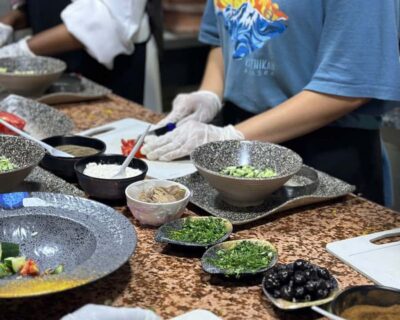
- 12:00 pm cooking session for the main menu
- 14:00 pm dessert session
- 15:00 pm eat and enjoy
- 15:45 pm wrap up and return to the meeting point
This is not a rushed sprint. The way it is broken into phases helps you learn without feeling lost in a full-on cooking frenzy.
Where you meet: Kasbah Mosque area near Jemaa el-Fna
Your meeting point is near the Kasbah Mosque, also known as Moulay al-Yazid Mosque, at 23 Rue de La Kasbah. It is a helpful location because it sits close to the Jemaa el-Fna area, which is one of the easiest zones to orient yourself in when you first arrive.
If you are walking in from the medina, give yourself a little extra time to match street turns and alley twists. The address is solid, but the medina still plays a game of catch-and-follow. Starting near a major landmark reduces stress, and the class is set up to get you moving quickly after you arrive.
One practical note: it is near public transportation, and it is private for your group. So if you prefer not to squeeze into a large crowd, this format will feel calmer from the start.
The market tour: spices, produce, and what to pay attention to
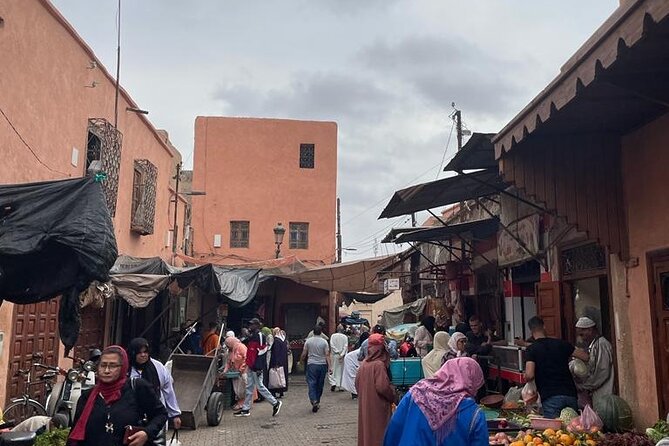
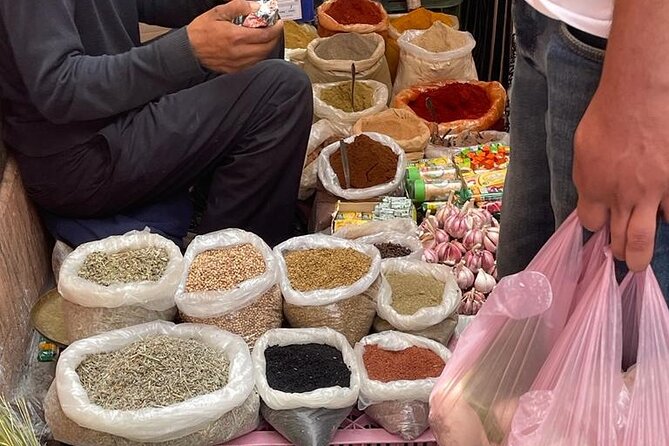
The market tour is not just a background stroll. It is where you learn what Moroccan cooking depends on: seasonal produce, aromatic spices, and everyday pantry ingredients used in home meals.
You will spend about 20 to 30 minutes in this first segment, so you need to stay engaged. When you see ingredients, ask how they are used. Pay attention to how different spices get described, because Moroccan flavor building usually relies on blending and layering, not just dumping one spice at the end.
What you are likely to notice:
- seasonal produce that shows up in the dish you will cook
- herbs and spices that smell different depending on how fresh they are
- how sellers and local families talk about quality and timing
I also like that you get to gather ingredients before cooking. It changes your relationship to the meal. When you later make tektouka or zaalouk, you are not just hearing about ingredients, you are putting your own choices into the pot.
If you are coming from a day of museum wandering or shopping, this market step can feel energizing. It resets your focus to something practical: food that you will eat shortly after.
Within striking distance:
- Marrakech: Agafay Desert Sunset, Camel Ride, and Dinner Show
★ 4.6 · 35,119 reviews - From Marrakech: Ouzoud Waterfalls Guided Hike and Boat Trip
★ 4.7 · 33,630 reviews - Marrakech: Agafay Desert Quad & Camel Rides with Dinner Show
★ 4.8 · 27,382 reviews - Marrakech: Agafay Desert Quad Biking Tour with Dinner-Show
★ 4.8 · 16,569 reviews
Tea first, then the kitchen rhythm at Fatiha and Samira’s home
Once you arrive, you do not jump straight into chopping. You get introduced to the process, and tea is served. This matters more than it sounds. In Moroccan home settings, tea is a warm welcome and a way to slow down the pace so people can focus.
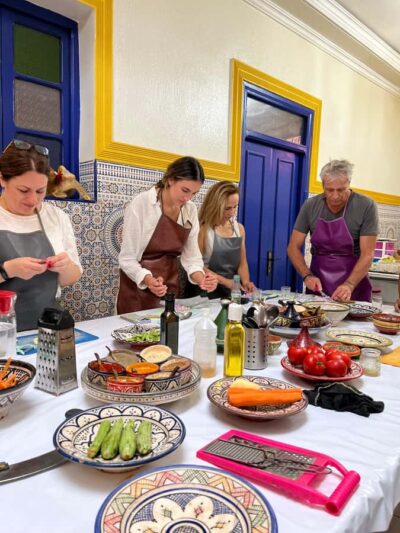
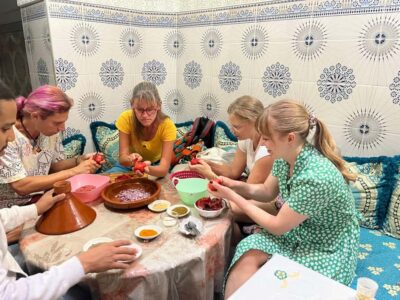
You will cook with Fatiha and Samira, and their family environment is part of the charm. Based on what you will see in the kitchen flow, expect a relaxed, friendly atmosphere where questions are welcome and laughter is normal. That kind of energy helps you learn faster, because you feel comfortable making mistakes.
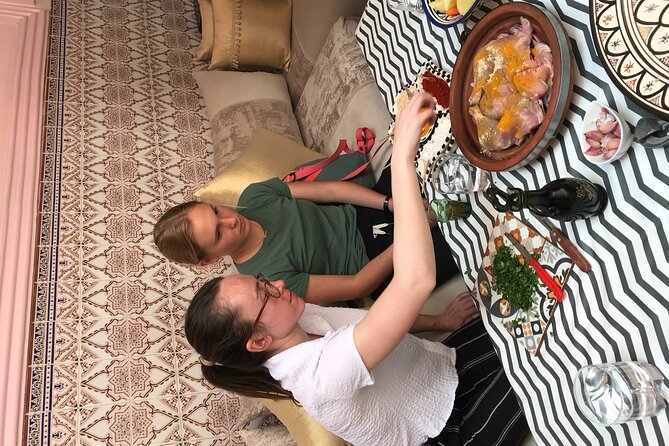
The instruction style tends to be step-by-step and hands-on. You will be doing the work, not just watching from the sidelines. If you enjoy cooking, you will love that practical feel. If you are nervous in kitchens, you will still be fine, because the experience is built around guidance and clear phases.
Cooking the 3-course meal: tektouka, zaalouk, Berber tagine, and dessert
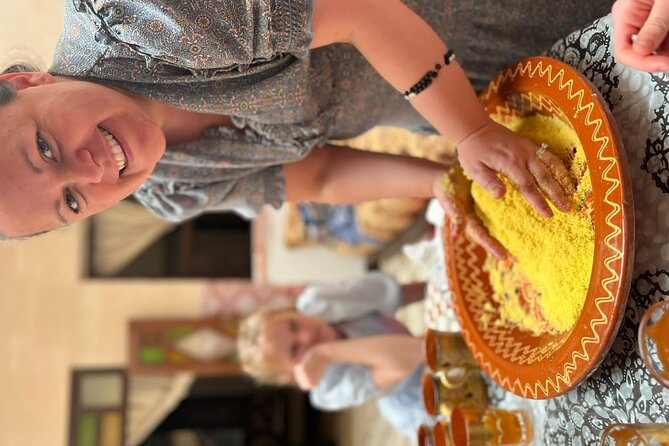
This is the core of the experience, and it is designed as a true 3-course lunch. While exact menus can vary, you can expect the day to include a starter, a main dish (including a pasta course), and a dessert.
Starters: smoky, tangy, and eggplant-friendly
You will likely make dishes such as tektouka and zaalouk. These are classic Moroccan flavors that teach you a lot in one go.
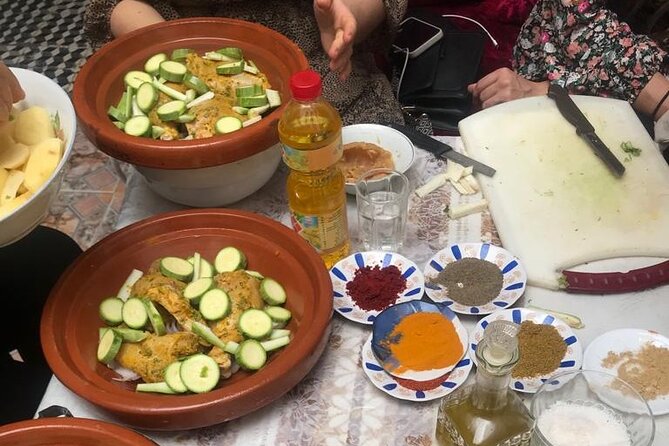
- Tektouka often centers on peppers and tomatoes, usually cooked down until it turns thick and savory.
- Zaalouk is commonly associated with cooked eggplant and tomatoes, often flavored with garlic and spices.
The value here is technique. Even if you have eaten Moroccan food before, making it teaches you how the texture changes as ingredients cook down. You start to understand why Moroccan starters taste both hearty and bright.
Main course: Berber-style tagine spirit plus a pasta course
The class also includes Berber tagine style cooking. Tagine in Moroccan cooking often means slow-cooked flavor, but in a home setting you get the same lesson in how spices and moisture create a cohesive sauce.
You may also cook a pasta course as part of the main menu. That combination is a good reminder that Moroccan meals are not locked into one “type” of dish. Families adapt based on ingredients and preferences, and your menu reflects that flexible home approach.
Dessert: the sweet finish after you’ve done the work
Dessert takes place around 14:00 pm, after the main cooking. This timing is helpful because it prevents the kitchen fatigue that sometimes happens when sweets come last and you are already full.
In a cooking class like this, dessert is often the surprise part. You end up noticing how sweet Moroccan cooking can still feel balanced, especially after savory starters. If you like getting recipes you can recreate later, this dessert is usually the course you will remember.
Eating what you made: lunch as the lesson wrap-up
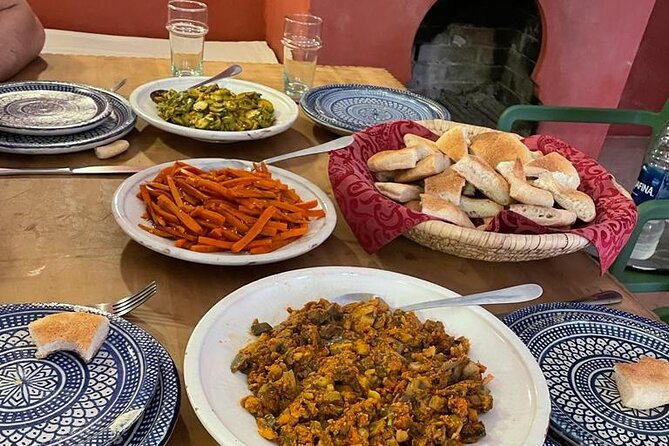
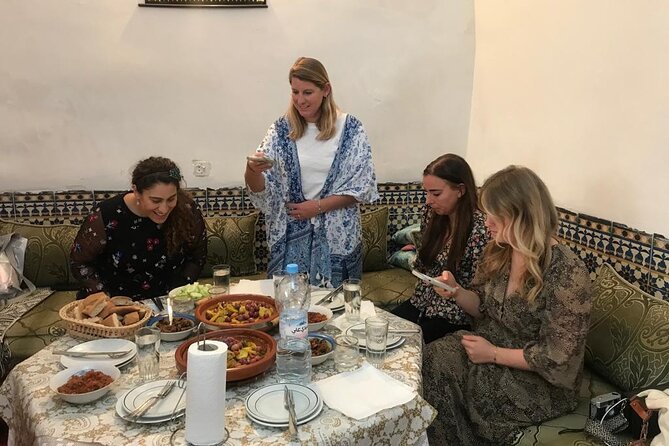
At about 15:00 pm, you sit down to enjoy the dishes you cooked. This is not just a meal break. It is the final feedback loop. When you taste each course, you start understanding how your market choices and your cooking steps shaped the outcome.
I like that the day is structured so you eat while the flavors are fresh and the learning is still fresh in your head. Then you can enjoy lunch without the mental clutter of scrambling for where to find restaurants afterward.
The experience also tends to include conversation around the food. That social part is not fluff. It helps you learn cultural context, like ingredient pairings and how Moroccan women talk about everyday cooking.
And yes, you will likely leave with practical takeaways, including recipes. That makes the class more than a one-time meal, because you can bring the flavors back at home.
Who this class suits best, and who should think twice
This works well for a few types of visitors:
- food lovers who want Moroccan cooking to make sense, not just taste good
- first-timers in Marrakech who want a grounding activity near the Kasbah Mosque
- travelers who like hands-on learning and a smaller, more personal setup
- anyone who prefers a private group experience instead of a big tour bus crowd
Who might think twice:
- If you want a quick photo stop only, this is a cooking class, so you will be in the kitchen for real
- If you are extremely sensitive to weather changes, note that the experience requires good weather, since the market component and timing depend on it
Overall, it is a friendly half-day activity. You will leave with food knowledge you can use, plus the kind of cultural connection that comes from sitting in someone’s home.
Tips to get more from the class
A few practical moves will make your experience smoother:
- Come hungry enough to learn, but not so ravenous that you feel frantic in the kitchen.
- Ask about spices while you are in the market. The market questions pay off during cooking.
- Watch how dishes thicken or turn aromatic. Texture and aroma are usually the clues the instructors rely on.
- Wear shoes you can walk in comfortably. Even with a short market walk, the medina streets can be uneven.
If you take this class early in your trip, you can also use it as a food compass. You will start recognizing what you see in other kitchens and markets, which makes everything feel less random.
Should you book this Marrakech cooking class with Fatiha and Samira?
I think you should book it if you want authentic Moroccan food made in a real home setting, not a performance meal. The combination of Old City market shopping and a 3-course lunch makes the value hard to beat, especially since lunch and tea or coffee are included.
It is also a strong choice if you enjoy social warmth. The day is set up for conversation as much as cooking, with an atmosphere that feels welcoming rather than formal. And if you are into specific Moroccan dishes like tektouka, zaalouk, and Berber tagine, you will leave with a better understanding of how they come together.
If your priority is something other than food skills, or if your schedule is packed tight around 11:00 am, you might choose a different activity. But if you want one half-day in Marrakech that turns into a real memory, this is a very good bet.
FAQ
Where does the cooking class start?
It starts near the Moulay al-Yazid Mosque, also called the Kasbah Mosque, at 23 Rue de La Kasbah, Marrakesh 40000. The activity ends back at the meeting point.
How long is the experience?
It runs for about 4 hours, starting at 11:00 am and ending around 15:45 pm.
What do I eat during the class?
You make and enjoy a 3-course Moroccan lunch, with a starter, a main dish (including pasta), and dessert. Lunch is included.
Is this a private group experience?
Yes. This is a private tour or activity, and only your group participates.
What is included in the price?
The price includes lunch, coffee and/or tea, and snacks.
What should I know about weather and changes to the plan?
The experience requires good weather. If it is canceled due to poor weather, you will be offered a different date or a full refund. Free cancellation is available up to 24 hours in advance for a full refund.
Latest additions near Marrakech
- Atlas Mountain, home made lunch & camel ride in Agafay Desert★ 5.0 · 39 reviews
- 04 valley day trip ON 4*4 with lunch in agafay desert★ 5.0 · 22 reviews
- Private day tour to essaouira from Marrakech★ 5.0 · 19 reviews
- Imlil Valley Day Trip with Camel Ride in Agafay Desert★ 5.0 · 10 reviews
- From Marrakech : Quad Bike & Pool with Lunch in Agafay Desert★ 5.0 · 10 reviews
- Private Day Trip From Marrakech To Ourika Valley Waterfalls in (All inclusive)★ 4.5 · 10 reviews
- Private day trip from Marrakech to Ourika valley★ 5.0 · 86 reviews
- Marrakech Airport Transfer (ONE WAY pick-up OR/OU ONE WAY drop-off)★ 4.0 · 22 reviews
Moroccan Cooking Classes, compared.
Traditional Moroccan Cooking Class & Market Visit
Read our review →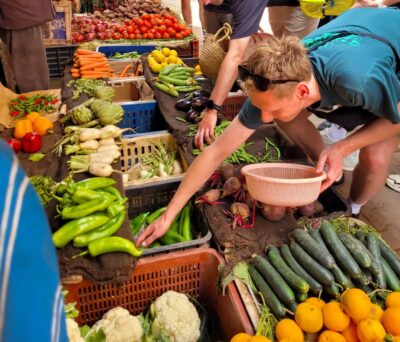
Moroccan Dishes Cooking Class with a Local Chef
Read our review →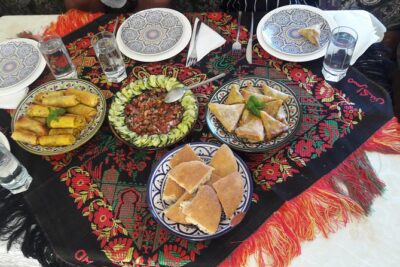
Moroccan Cooking Class & Marrakech Market Visit with Chef Khmisa
Read our review →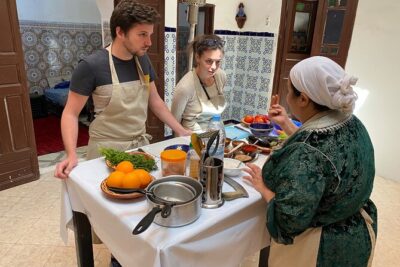
Half-Day Cooking Class with Local Chef Laila in Marrakech
Read our review →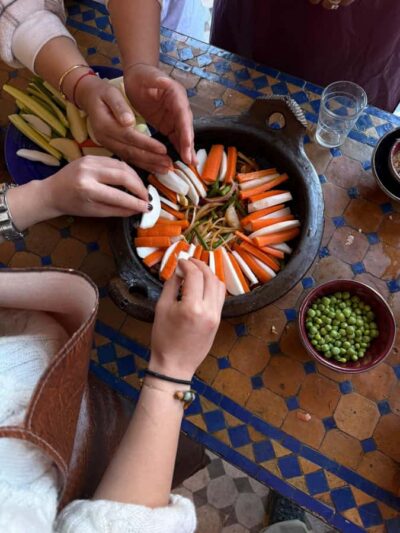
Browse the lists this tour appears in