
Reviewed · MOROCCAN COOKING CLASSES
Cooking Class with Bread Workshop and Pastry in Fes
Cooking in Fez feels like a shortcut to how Moroccans actually live, shop, and snack. This class pairs a traditional market ingredient hunt with a hands-on kitchen session focused on bread workshops and pastry (plus Moroccan tea and a shared meal).
I like that you pick what you want to cook, then you get step-by-step guidance as you work. I also like the small group setup, which means the instructor can spot mistakes early and help you fix them while they still matter. One consideration: the whole experience depends on good weather, so you may need a flexible mindset if plans shift.
In This Review
- Key takeaways before you book
- Market Tour in Dhar Richa: learning ingredients the practical way
- Choosing your menu, then cooking with clear instructions
- What you will likely be working on
- Moroccan tea, the sweet finale before you eat
- Bread workshop and pastry class: what to expect in 2 hours
- Bread making: technique over theory
- Pastry and traditional sweets: learning assembly
- Best strategy for your workshop
- The meal: eating together, tea included, and why that part counts
- Small group size and real attention from the instructor
- Price and value in Fez: $46.53 for two hours of real cooking
- Timing, where to go, and how to prepare like a pro
- Who should take this cooking class in Fez, and who might not
- Should you book this cooking class in Fes
- FAQ
- How long is the cooking class?
- Where does the experience start?
- Do I shop for ingredients during the class?
- Is Moroccan tea included?
- Can I choose what to cook?
- What is the group size?
- Is there good weather required?
- What is the cancellation policy?
Key takeaways before you book
- Market tour first: you learn ingredients and how they show up on the plate
- Moroccan tea lesson: you practice the tea moment, not just drink it
- Bread or pastry focus: choose a workshop style and get hands-on coaching
- Small group size: up to 20 people, so questions do not get lost
- You eat what you make: the meal is part of the lesson, not a separate add-on
Market Tour in Dhar Richa: learning ingredients the practical way
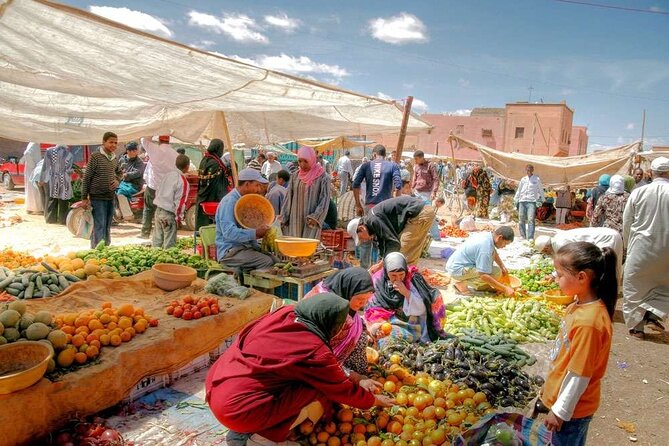
The experience starts at Dhar Richa, Fes. From there, you head into a traditional market to select ingredients for the day. The best part is that you are not just walking around and looking. You get explanations about what items are for and how they fit into Moroccan cooking.
Why this matters: Moroccan food is ingredient-led. Spices, preserved items, herbs, and the right flour or pastry dough ingredients all change the end result. When someone shows you what to buy and why, you leave with more than dinner plans. You get a mental map you can use at stalls later.
You also get a real feel for the rhythm of the market. It is a place where you see the same foods used in many forms. That helps you understand how something basic like bread dough or a pastry filling can become sweet, savory, or both depending on seasoning and technique.
A small heads-up: markets move fast, and you will likely be in and out of lanes quickly. If you want great photos, keep your camera ready but do not slow down the group too much while people are shopping.
More Cooking Classes in Fes
- Cooking Class – Moroccan cuisine
★ 5.0 · 124 reviews - Fez Cooking School at Palais Amani Experience
★ 5.0 · 94 reviews - Unforgettable Cooking Class in Fez
★ 5.0 · 89 reviews
Choosing your menu, then cooking with clear instructions
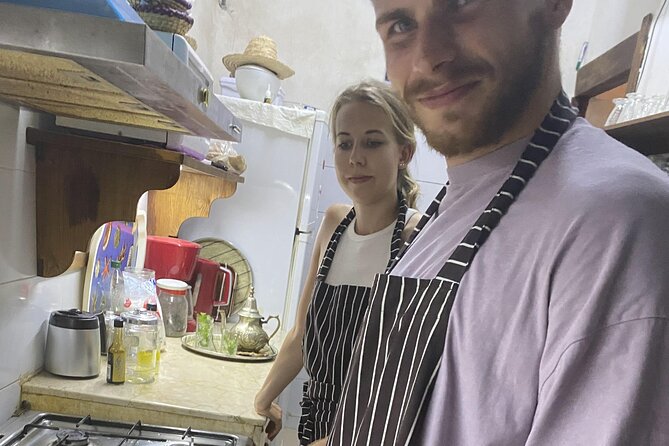
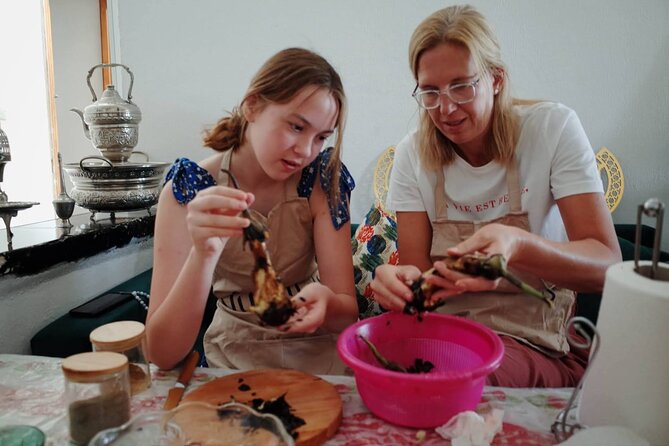
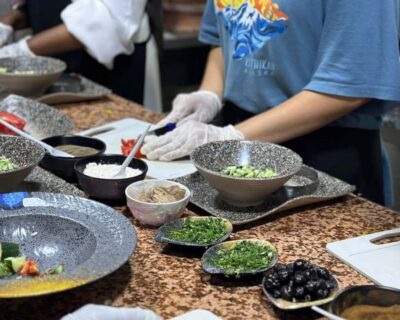
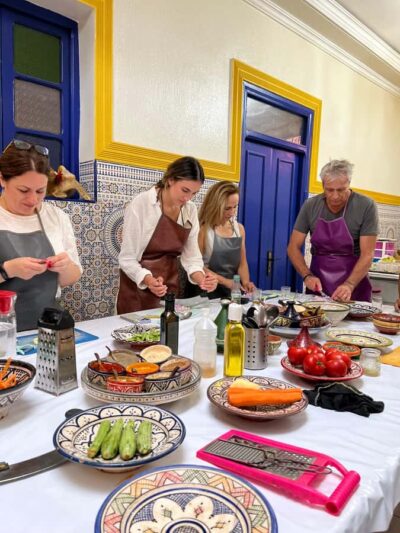
After the market stop, the group heads back to the cooking place and starts working through the menu. The format is simple: you cook what you choose, you follow instructions as you go, and you have the chance to ask questions while tasks are still in progress.
This is where the class becomes more than a demonstration. You are actively preparing items, not just watching someone else do it. In the best sessions, instructors are hands-on and instructive, helping you understand texture and timing, not only recipes.
Instructors can vary by session, but the experience is associated with Bless Munatas, and past participants have cooked with Bliss Munatas and Chaimae. The consistent theme across those accounts is guidance that stays close to your hands, especially when shaping bread or assembling pastry.
What you will likely be working on
Based on the class options, you may focus on:
- bread making techniques
- traditional pastry sweets
- Moroccan dishes you can build around your interests
You do not need to be a confident cook to enjoy this part. The key is to show up willing to get a little flour on your sleeves and listen for corrections early.
Moroccan tea, the sweet finale before you eat
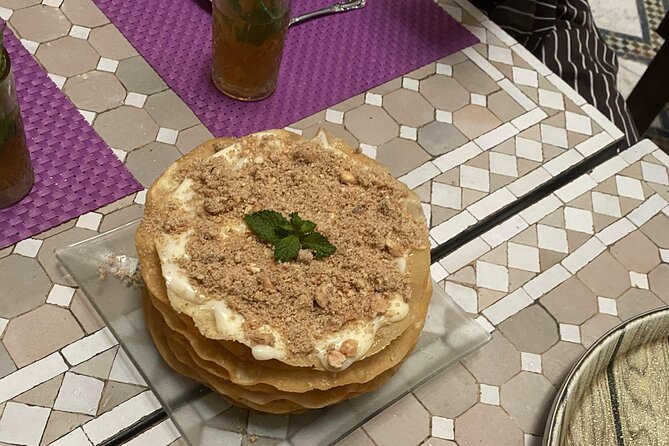
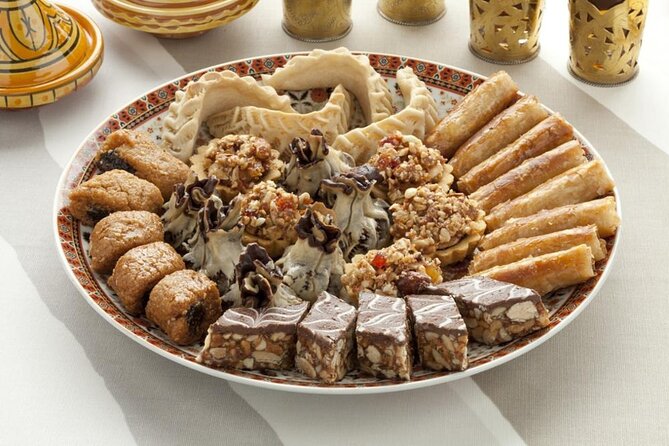
Moroccan tea is not an afterthought here. You get a tea lesson and a tea moment that is described as a live show, paired with pastries served during the experience.
Why this is valuable: tea is a craft and a ritual. The way it is poured and served affects how it feels, and it is tied to hospitality. When you learn it in context, you understand why the tea is such a big deal in Moroccan daily life and celebrations.
You will also get to taste along the way. That changes your cooking attitude. Instead of waiting until the end to enjoy your work, you are experiencing the flavors while the food is still warm and the session still feels interactive.
If tea is a must for you, this class gives it a visible role. You are not just handed a glass at the table. You learn the part that makes the tea moment Moroccan.
Within striking distance:
- Fes: Best Fez to Marrakech via Merzouga Desert Dunes, 3 Days Tour
★ 5.0 · 959 reviews - Small-Group Day Tour to Chefchaouen from Fez
★ 4.5 · 800 reviews - From Fes: Unforgettable Desert Tour to Marrakech 3-Day
★ 4.5 · 470 reviews - Fes to Marrakech desert tour 3 days
★ 5.0 · 411 reviews
Bread workshop and pastry class: what to expect in 2 hours
The experience runs about 2 hours. That is short enough to stay focused, but long enough to make real progress. In a compressed class, the instructor has to prioritize core techniques. In practice, that means you work on the steps that control the outcome most.
Bread making: technique over theory
Bread workshops usually reward attention to dough texture, shaping, and timing. Even if your bread is not perfect, the learning is. You should come away understanding what changes when you add too much flour, roll too thick, or rush rising and cooking.
One past participant highlighted a session with Bliss Munatas where the bread came out great and tasted very good. That is the kind of result you can aim for if you follow the guidance closely and do not panic when dough feels odd at first. Dough often seems worse than it becomes after proper handling.
Pastry and traditional sweets: learning assembly
Pastry is a different kind of learning. The key skills are usually around dough layering or handling, filling preparation, and careful shaping. Pastry is also sensitive to humidity and temperature, so your instructor’s method matters.
A separate past participant described cooking with Chaimae and making chicken tajine and pastilla, inspired by dishes they had seen online. That tells you this class can connect technique to recognizable Moroccan favorites. If pastilla is on your list, ask ahead or choose the pastry option that matches your interest.
Best strategy for your workshop
Arrive ready to do the work with your hands. In classes like this, your success is often about doing the step when the instructor cues it, not doing it faster. If something feels confusing, ask immediately. Corrections later can be harder once a dough has set or a pastry is already assembled.
The meal: eating together, tea included, and why that part counts
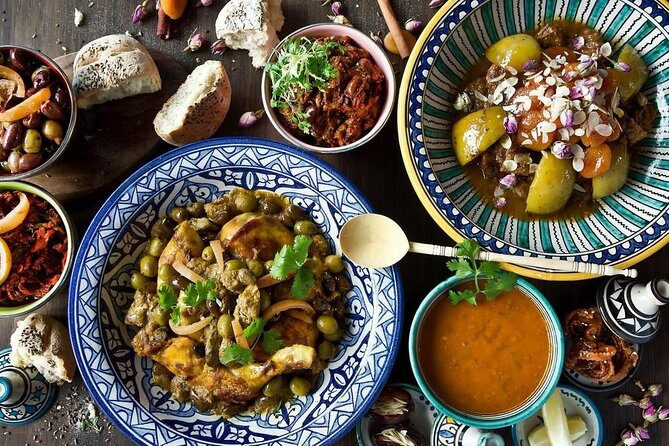
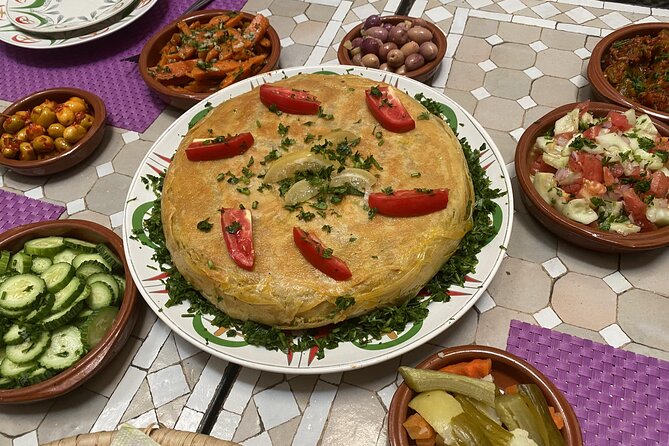
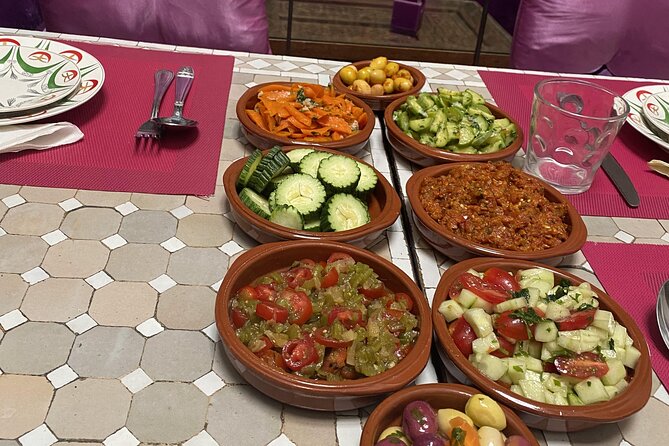
After cooking, you sit down and enjoy the meal with your classmates. Moroccan tea is part of the table time, and pastries are served as part of the tea moment.
This matters for two reasons. First, the meal is part of the lesson. You taste while the flavors are fresh and you can connect what you did in the kitchen to what ends up on the plate. Second, eating together makes it easier to ask questions without a formal classroom vibe.
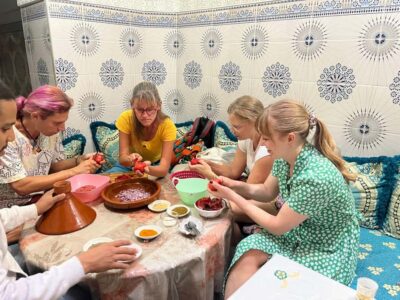
The class also benefits from the small-group approach. With a limited headcount, the session feels personal. You are more likely to get clarification, see how your plate compares to someone else’s, and learn the small adjustments that make a difference.
Small group size and real attention from the instructor
The tour caps at 20 travelers. That is not tiny, but it is small enough to avoid the chaos that can happen in larger groups.
This is one of the most praised parts of the experience, because it affects your outcomes. When you can get attention during shaping, kneading, or assembling, you are more likely to end up with something you actually feel proud to eat.
If you are the type who learns by doing, this structure is a good match. You get guidance while your hands are still working, not after everything is finished and cooled.
Price and value in Fez: $46.53 for two hours of real cooking
At $46.53 per person, this class is priced in a range that makes sense for what you get: market shopping guidance, a hands-on cooking session, Moroccan tea instruction and show, plus a shared meal. You are not paying just for food. You are paying for time, instruction, and access to a local kitchen setup.
Also, value improves when the group is small. With up to 20 people, the instruction load is spread less thinly than it is in bigger classes. That can mean you get more practical feedback, which directly affects whether your bread or pastry turns out well.
One more practical detail: this experience is often booked around 31 days in advance. That usually means it is in demand. If you want a specific workshop style, booking earlier gives you a better shot at your preferred timing window.
Timing, where to go, and how to prepare like a pro
The meeting point is Dhar Richa, Fes, and the activity ends back at the meeting point. That is helpful because you are not left figuring out how to get back after a cooking session.
Opening hours run Monday through Sunday, 9:00 AM to 11:00 PM. Since the class lasts around 2 hours, you will have flexibility within that window. The catch is weather. The experience requires good weather, so if conditions are poor, you may be offered a different date or a refund.
A smart prep checklist:
- wear clothes you can get lightly messy
- bring a bottle of water for before and after, especially if your market walk is warm
- go in hungry, but do not overstuff before you start, because you will eat what you cook
- ask early which workshop you are choosing so you can plan around bread or pastry time
If you care about convenience, the meeting point is near public transportation, and the ticket is mobile.
If you travel with a service animal, service animals are allowed.
Who should take this cooking class in Fez, and who might not
This class is a great fit if you want:
- a hands-on food experience, not just a tasting
- to learn Moroccan tea as part of the ritual
- either bread making or pastry skills you can remember later
- a small-group feel in someone’s kitchen
It may be less ideal if:
- you dislike markets or prefer not to walk through ingredient stalls
- you need a longer sitting to fully enjoy a meal and conversation
- you are traveling with tight schedule buffers and do not handle weather changes well
For most visitors, it is a strong choice because it mixes shopping, cooking, and eating into one compact session. In Fez, that can be one of the most memorable things you do that does not require hours of museum time.
Should you book this cooking class in Fes
I think you should book it if you want a practical, local-feeling way to connect with Moroccan food in just a couple hours. The market ingredient stop gives you context, the cooking portion is hands-on, and the tea plus pastries make the whole experience feel complete.
You might pass if you mainly want scenery, not technique. This is about bread, pastry, and Moroccan cooking steps. It is not a slow tour of historic sights.
One last tip for decision-making: if you are torn between choosing bread or pastry, pick what excites you most. That is what keeps you engaged while the dough is being made and the pastries are being assembled.
FAQ
How long is the cooking class?
The class runs about 2 hours.
Where does the experience start?
It starts at Dhar Richa, Fes, Morocco and ends back at the meeting point.
Do I shop for ingredients during the class?
Yes. You’ll do a traditional market tour to select ingredients for the day.
Is Moroccan tea included?
Yes. You’ll learn about Moroccan tea and there is a tea live show with pastries served.
Can I choose what to cook?
Yes. The class includes options such as bread making workshops and pastry classes for traditional sweets, along with preparing Moroccan dishes.
What is the group size?
The experience has a maximum of 20 travelers.
Is there good weather required?
Yes. The experience requires good weather, and if it is canceled due to poor weather, you’ll be offered a different date or a full refund.
What is the cancellation policy?
Free cancellation is available. You can cancel up to 24 hours in advance for a full refund. If you cancel less than 24 hours before the start time, the amount paid will not be refunded.
Cooking Classes in Fes
- Fez view cooking with grandmother
★ 5.0 · 70 reviews - Fez Cooking Class at Palais bab sahra
★ 5.0 · 56 reviews - Fez Cooking Class
★ 5.0 · 33 reviews - Moroccan Cooking Workshop in fez Medina
★ 5.0 · 17 reviews
Latest additions near Fes
- Full-Day Private Tour of Fez★ 4.5 · 92 reviews
- Private Berber Middle Atlas Day Trip From Fez★ 5.0 · 21 reviews
- Small Group: From Fez to Volubilis -Mouly Idriss and Meknes day trip★ 5.0 · 54 reviews
- Best Chefchaouen Day Tour from Fez★ 5.0 · 22 reviews
- Private Meknes Volubilis -Mouly Idriss day trip from Fez★ 5.0 · 49 reviews
- Full-Day Historical Tour to Meknes Volubilis and Moulay Idriss★ 4.0 · 23 reviews
- Private Luxury Transfer From Fes to Tangier via Chefchaouen★ 5.0 · 12 reviews
- Shared Group Chefchaouen Day Trip From Fez★ 5.0 · 52 reviews
Moroccan Cooking Classes, compared.
Traditional Moroccan Cooking Class & Market Visit
Read our review →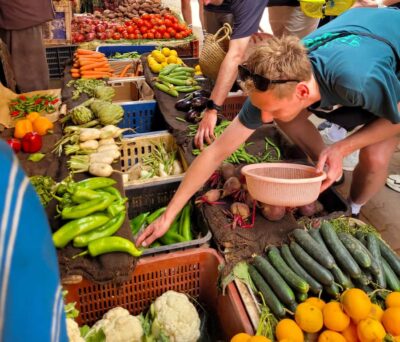
Moroccan Dishes Cooking Class with a Local Chef
Read our review →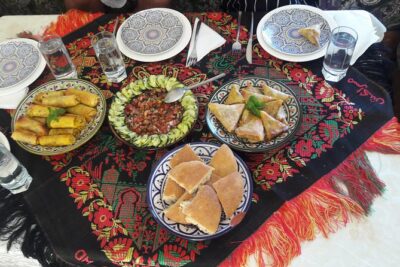
Moroccan Cooking Class & Marrakech Market Visit with Chef Khmisa
Read our review →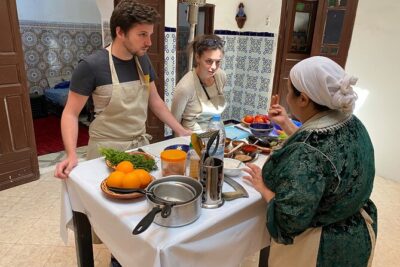
Half-Day Cooking Class with Local Chef Laila in Marrakech
Read our review →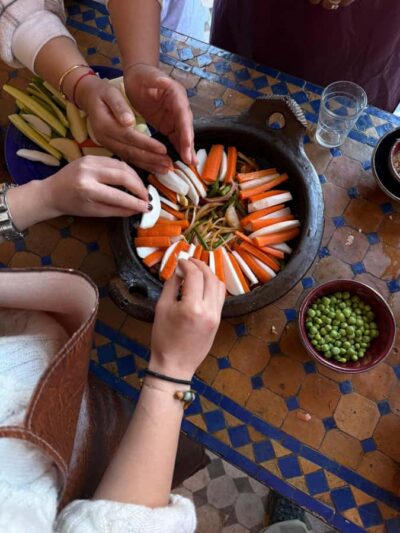
Browse the lists this tour appears in