
Reviewed · MOROCCAN COOKING CLASSES
Cooking Class with Lacals in Marrakech .
Marrakech smells like mint tea and slow-cooked comfort. This cooking class pairs a hands-on Moroccan feast with real local rhythms, from choosing ingredients in the souk to shaping a tagine with your own meat preference, then finishing with a sweet fruit salad. You also get a look at communal bread baking at a historic community oven, so the meal feels bigger than just dinner.
I particularly like two things about this experience. First, the format is practical, you pick fresh ingredients with guidance and you cook step-by-step, not just watch. Second, the class is guided by hosts you can actually talk to, and the vibe stays warm and patient, with mint tea, cookies, and a proper sit-down meal together.
One consideration: it is an active, cooking-focused 4 hours. If you want a passive, sightseeing-only afternoon, you may find the hands-on work, market walking, and kitchen time a bit much.
In This Review
- Key highlights worth your time
- From Kasbah Mosque to the souk: the class starts where Marrakech starts
- Souk shopping: how to choose ingredients without overthinking it
- The Moroccan kitchen: tagine time with your meat choice
- Beyond tagine: sides, couscous, and how the meal comes together
- The communal oven and bread baking: where food meets local life
- Fruit salad finale: why the last course matters
- What the 4 hours feel like in real time
- Price and value: does $52.59 make sense?
- Who should book this Marrakech cooking class
- Quick heads-up on the main tradeoffs
- Should you book it or skip it?
- FAQ
- How long is the cooking class in Marrakech?
- Where does the tour start?
- What is the price per person?
- How many people are in the group?
- What happens at the beginning of the experience?
- Will I cook or just watch?
- Can I choose the meat for the tagine?
- What other food experiences are included besides tagine?
- Is there a mobile ticket?
- Is free cancellation available?
Key highlights worth your time
- Small group size (max 15) for easier questions and hands-on attention
- Kasbah Mosque start point for a clear, central meeting
- Souk ingredient shopping with local guidance before cooking
- Build-your-own tagine with a meat choice and slow-cooking know-how
- Bread baking at a historic community oven for a culture-first food moment
- Finish with seasonal fruit salad instead of a heavy dessert
From Kasbah Mosque to the souk: the class starts where Marrakech starts
Most cooking classes begin in a kitchen. This one starts in the streets, at Moulay al-Yazid Mosque, the Kasbah Mosque area. That matters because you get your bearings fast, and you’re not jumping straight from hotel to apron. You arrive, settle in with a welcome, and then the day moves outward into the market.
You kick off with Moroccan mint tea and traditional cookies. It’s not just a nice touch. That first sip sets the pace, and it gives you a calm runway before you start choosing ingredients. You’ll then head into the local souk with your local hosts, where you select vegetables and other items for the meal. The guidance helps a lot if your French or Arabic is shaky, because you’re not guessing what things are or how to choose.
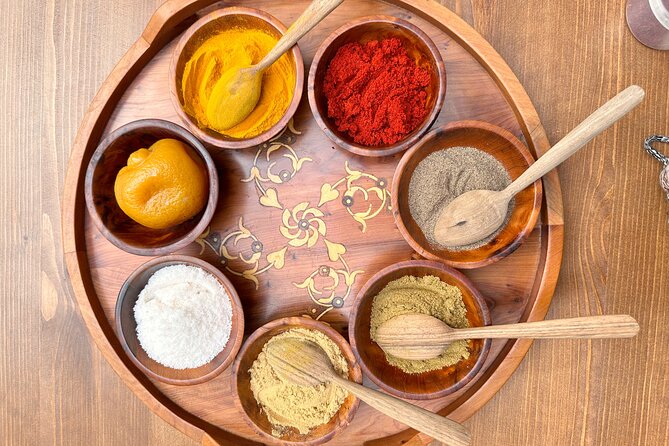
In the souk, expect a lot of sensory input. That’s normal. Go in with a simple mindset: you’re there to pick produce that will show up later on your plate. If you like food, the market portion is the moment where you start understanding what flavors Moroccan cooking is built on, herbs, spices, and those long-simmering aromatics.
More Cooking Classes in Marrakech
- Marrakech: Moroccan Cooking Class with Pickup
★ 4.6 · 1,862 reviews - Marrakech: Traditional Moroccan Cooking Class & Market Visit
★ 4.8 · 1,861 reviews - Marrakesh: Moroccan Dishes Cooking Class with a Local Chef
★ 5.0 · 1,615 reviews
Souk shopping: how to choose ingredients without overthinking it
The souk can feel like sensory overload if you haven’t done it before. The good news is your hosts handle the translation of the chaos into an actual shopping list. You’ll look for fresh vegetables and key ingredients needed for lunch, then you carry that context into the kitchen.
Here’s the practical value: when you cook with ingredients you picked yourself, it changes how you judge seasoning. It also makes the recipes easier to repeat later at home, because you remember what you selected and why. You’ll also see how Moroccan cooking values freshness, the difference between just okay vegetables and ones that actually taste sweet or earthy.
Do be ready to walk around. Even if it’s not a long route, you’ll likely spend time moving through stalls and navigating crowds. Wear comfortable shoes and keep your phone secured. Bring a small bag for anything you buy, but know that the class handles the core shopping with you.
The Moroccan kitchen: tagine time with your meat choice
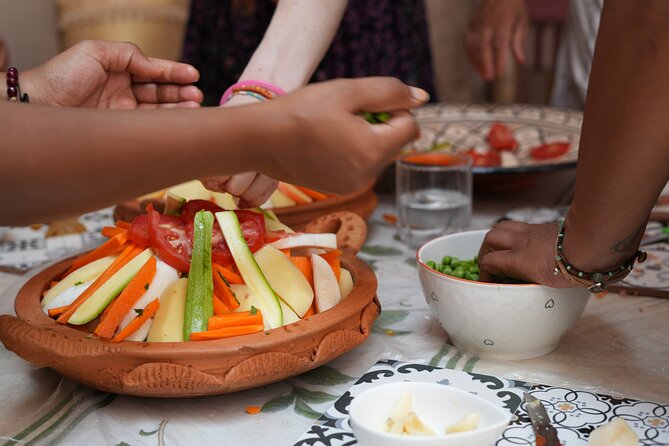
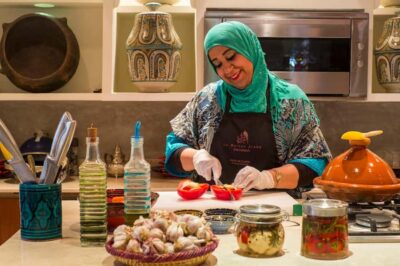
After the market, the energy shifts to a welcoming home-kitchen atmosphere. This is where the class does what the best cooking classes do: it turns curiosity into action. You roll up your sleeves and start building.
Your main project is a personalized tagine. The standout detail is that you choose your preferred meat for the tagine. That single choice gives the whole meal a different personality, chicken versus other options can steer spice levels and cooking texture, and you get to learn the slow-cooking approach either way.
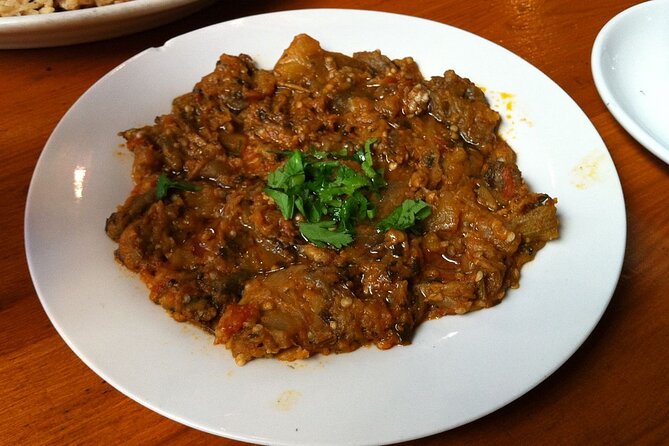
You’ll also learn how to think about side dishes that complement your tagine. That’s important. Many people learn one dish and then feel lost about the rest of the plate. Here, your meal becomes a set, tagine plus sides, so you leave with a fuller picture of how Moroccans balance flavors and textures.
One more thing I appreciate: the hosts take their time. Several class experiences highlight how patient the instruction feels, especially for first-timers. That’s a big deal in a cooking class, because tagine cooking is not about rushing. It’s about timing, gentle heat, and knowing when things are right, not just following steps robot-style.
Beyond tagine: sides, couscous, and how the meal comes together
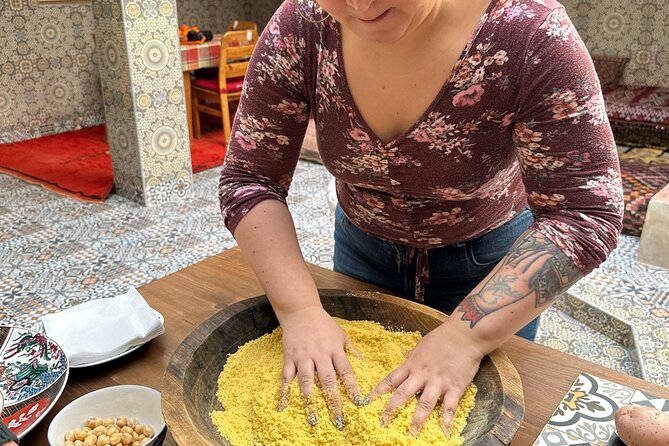
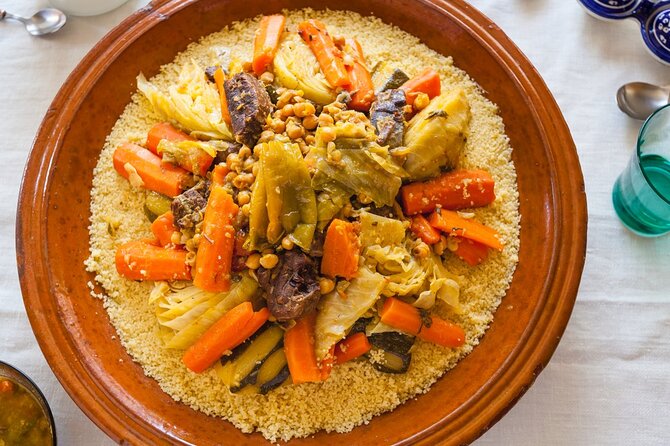
A tagine is the headline, but Moroccan lunches are built like a team. Expect you’ll make side dishes that match the tagine, and you’ll likely work with staple elements like couscous as part of the meal rhythm.
In Morocco, couscous is not just a carb, it’s a structure. It soaks up sauces and gives you a different texture contrast to the slow-cooked stew. When you make it as part of the class, you stop thinking of it as store-bought “stuff to add,” and you start treating it as part of the flavor system.
Even if you have cooked before, you’ll likely learn small technique choices that affect the outcome. For example, how ingredients are layered, how steam and heat work in Moroccan preparation, and how seasoning is balanced so it supports the meat and vegetables rather than overpowering everything.
And because you’re eating together right after cooking, you get fast feedback. If something tastes a little off, you can ask right then. That’s one of the hidden perks of small-group instruction, you’re not stuck waiting until after the meal to figure out why.
Within striking distance:
- Marrakech: Agafay Desert Sunset, Camel Ride, and Dinner Show
★ 4.6 · 35,119 reviews - From Marrakech: Ouzoud Waterfalls Guided Hike and Boat Trip
★ 4.7 · 33,630 reviews - Marrakech: Agafay Desert Quad & Camel Rides with Dinner Show
★ 4.8 · 27,382 reviews - Marrakech: Agafay Desert Quad Biking Tour with Dinner-Show
★ 4.8 · 16,569 reviews
The communal oven and bread baking: where food meets local life
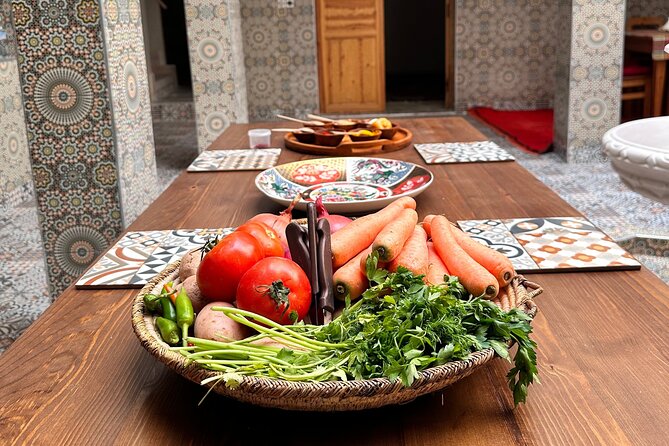
One of the most memorable additions is the visit to a historic community oven for bread baking heritage. This is not just a photo opportunity. It changes the way you think about the meal you’re making.
Communal baking connects food to time and community. It’s a reminder that many Moroccan staples were designed for shared schedules, where neighbors bring dough and learn from each other through repeated practice. Even if you’re there for a short look, you can see how bread fits into the social fabric of the neighborhood.
This part is also a good reality check. When you focus only on a plated dish, you might miss that Moroccan cooking is tied to household routines and community habits. Adding the community oven step makes the tagine feel like it belongs in a broader story.
Fruit salad finale: why the last course matters
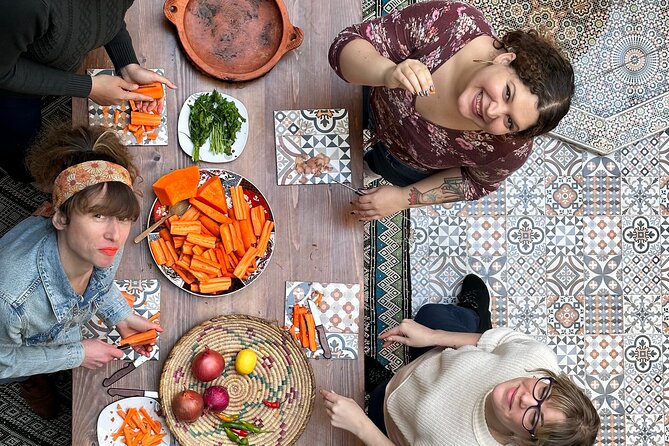
After the cooking and communal bread moment, the class ends on a sweet note: a fruit salad using seasonal flavors. That’s a smart closer. It resets your palate after spice and slow-cooked richness, and it also reinforces something important about Moroccan eating patterns, fruit shows up when it’s good, not just when it’s available year-round.
For you, this means two things. First, you leave without the heavy dessert fatigue that some food tours create. Second, you get a simple idea you can replicate later, seasonal fruit plus a light treatment that lets the natural sweetness lead.
If you like food that feels refreshing at the end of a meal, this ending hits the right note.
What the 4 hours feel like in real time
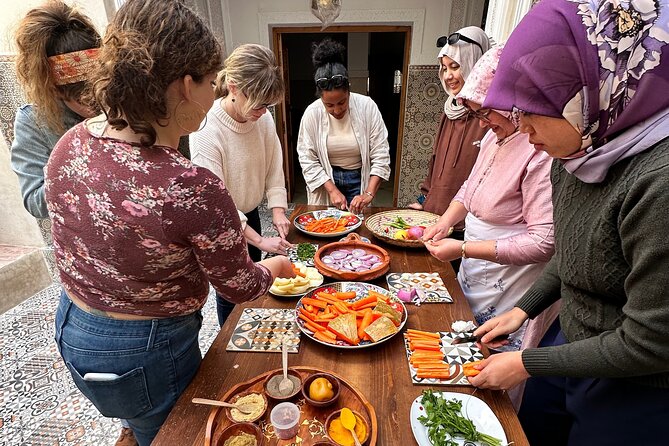
The class runs for about 4 hours. That’s a sweet spot. You’re long enough to shop, cook, eat, and still add the bread oven stop without turning the day into an all-afternoon marathon.
The group size is capped at 15, which helps a lot. You’re not lost in a crowd where you wait your turn to chop, stir, or ask. Instead, the flow stays manageable, and you get clearer instruction. In experiences like this, that small-group limit often makes the difference between learning something real and simply collecting memories.
Here’s how to get the most out of it:
- Go hungry, you’ll work for the meal and you’ll want to taste what you made.
- Ask your host about spice balance while you cook, not after.
- Pay attention to the slow-cooking approach, that’s where Moroccan tagine gets its identity.
- Take note of what you chose in the souk, that’s your “recipe foundation.”
Price and value: does $52.59 make sense?
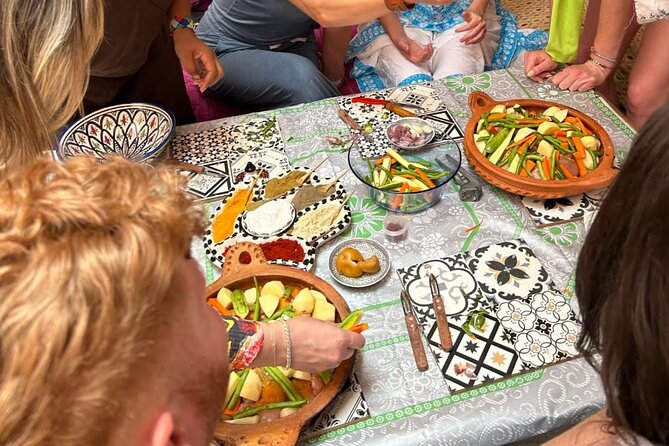
At $52.59 per person for about 4 hours, this class sits in the mid-range zone for Marrakech food experiences. What makes it feel like good value is what’s included, you get the full arc, mint tea welcome, souk shopping guidance, hands-on tagine cooking with a meat choice, side dishes, communal bread baking at a historic community oven, and a fruit salad finale. That’s not just a cooking session. It’s a food education with multiple stops.
You also get the human value. The class reviews attached to this experience repeatedly point to warm hosts who guide patiently, often with names like Sara and Hajar showing up in the standout moments. That kind of instruction matters when you’re learning tagine steps or couscous basics, especially if you’re new to Moroccan cooking.
If you’re deciding between this and a more general tour, the difference is depth. You’ll leave with a clear sense of how a Moroccan meal is assembled, not just what it tastes like.
Who should book this Marrakech cooking class
This is a great fit if you:
- Want to cook Moroccan food, not just watch it happen
- Enjoy markets and learning how ingredient choices affect flavor
- Like cultural context, especially the community oven bread-baking piece
- Prefer a small-group setting with real back-and-forth
It can also work well for solo visitors. A small group and shared meals are naturally social without needing group games. For friends or couples, it’s an easy way to spend time together while still learning something practical.
If you strongly prefer a sit-down, minimal effort experience, consider other options. This one is built around getting your hands involved.
Quick heads-up on the main tradeoffs
No experience is perfect, so here are the tradeoffs to keep in mind:
- It’s hands-on, so you should be comfortable with active kitchen work.
- You’ll spend part of your time moving around the souk, so plan for some walking and sensory intensity.
- The day ends back at the meeting point, so you’ll want your next plan close by or flexible.
Should you book it or skip it?
Book it if your goal is a Marrakech cooking class that feels like a real meal journey. You’re starting at the Kasbah Mosque area, shopping with guidance in the souk, then cooking your own tagine and sides, with a community oven bread moment that makes the food feel rooted in everyday life. The fruit salad ending keeps things light and memorable.
Skip it only if you want a purely scenic tour or you dislike cooking. Otherwise, this is exactly the kind of experience that turns Moroccan food from a concept into something you can make again.
FAQ
How long is the cooking class in Marrakech?
The experience runs for about 4 hours.
Where does the tour start?
The meeting point is Moulay al-Yazid Mosque (Kasbah Mosque), 23 Rue de La Kasbah, Marrakesh 40000, Morocco.
What is the price per person?
The price is $52.59 per person.
How many people are in the group?
The tour/activity has a maximum of 15 travelers.
What happens at the beginning of the experience?
You start with a warm welcome that includes Moroccan mint tea and traditional cookies.
Will I cook or just watch?
You’ll cook hands-on. You’ll make your own Moroccan feast, including a customized tagine and side dishes.
Can I choose the meat for the tagine?
Yes. You’ll have a choice of your preferred meat for the main tagine.
What other food experiences are included besides tagine?
You’ll explore the local souk for ingredients, visit a historic community oven for bread baking heritage, and finish with a fruit salad using seasonal flavors.
Is there a mobile ticket?
Yes, the tour includes a mobile ticket.
Is free cancellation available?
Yes. You can cancel up to 24 hours in advance for a full refund.
Latest additions near Marrakech
- From Marrakech : 1-Day Group Trip To Essaouira★ 4.5 · 15 reviews
- High Atlas Mountains and Imlil Valley Tour from Marrakesh★ 5.0 · 74 reviews
- Full Day Trip To Ouzoud Waterfalls From Marrakech & boat ride★ 4.5 · 12 reviews
- Amizmiz: Berber Villages & Atlas Mountains Tour★ 5.0 · 20 reviews
- Biking day trip Atlas Mountains★ 5.0 · 32 reviews
- Day Tour from Marrakech to atlas mountains valleys, Camel Ride & Berber family★ 5.0 · 20 reviews
- Private Atlas Mountains & Berber villages day trip & camel ride★ 5.0 · 94 reviews
- E-Bike Day Trip From Marrakech To the Atlas Mountains★ 5.0 · 27 reviews
Moroccan Cooking Classes, compared.
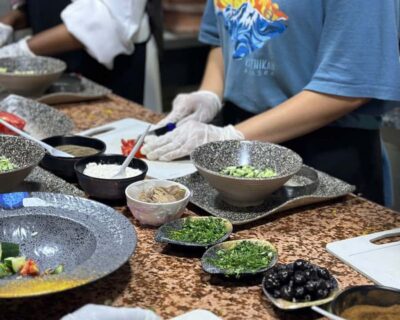
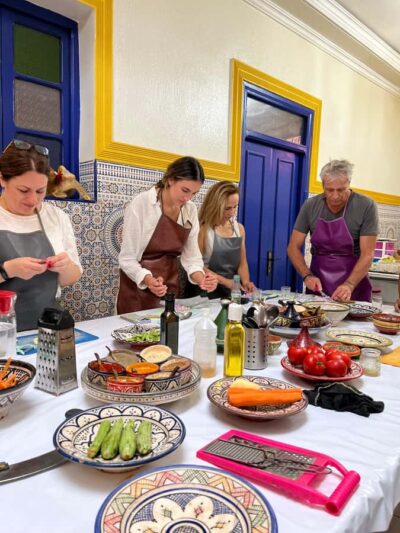
Traditional Moroccan Cooking Class & Market Visit
Read our review →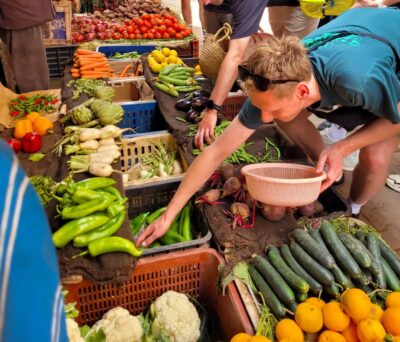
Moroccan Dishes Cooking Class with a Local Chef
Read our review →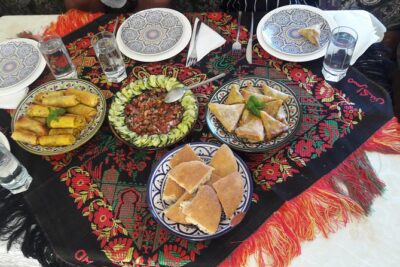
Moroccan Cooking Class & Marrakech Market Visit with Chef Khmisa
Read our review →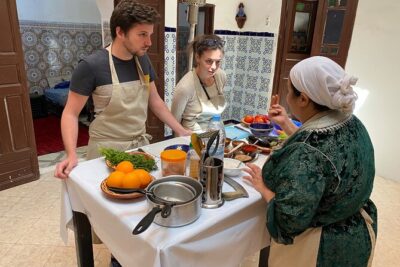
Half-Day Cooking Class with Local Chef Laila in Marrakech
Read our review →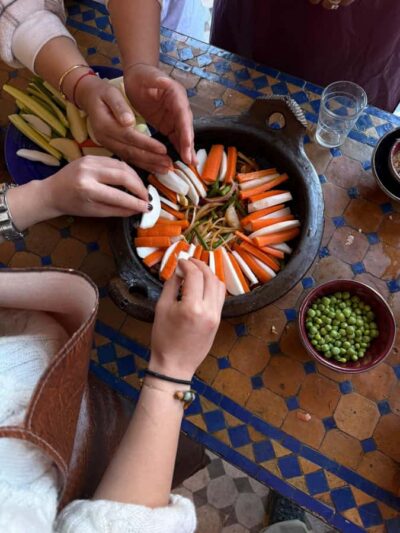
Browse the lists this tour appears in