
Reviewed · MOROCCAN COOKING CLASSES
cooking class with local family from Tangier
Your Tangier day starts with a warm invitation. This cooking class puts you in the home of Anwar and his family, where you learn Moroccan favorites and pick up real-life kitchen know-how while you’re treated like company. I especially liked two things: the hands-on tagines and couscous lessons, and the way the meal turns into a cozy, welcome-at-the-table experience.
The only drawback to consider is that this isn’t a factory-style class. You’re in a real family setting, so it can feel relaxed and flexible, not rigidly scheduled, and you’ll likely spend time walking through the souk and working at a home kitchen pace.
Plan for about 3 to 4 hours and a private setup for just your group, with pickup offered and a mobile ticket. At $76.66 per person, it’s priced like a special experience, not a quick cookbook demo, so it’s worth booking only if you want the local home version of Moroccan cooking, not just a few bites for Instagram.
In This Review
- Key things to know before you cook in Tangier
- Why this Tangier cooking class feels more like a family meal
- Entering a Tangier home kitchen, the real Moroccan way
- The souk and Moroccan tea, where the day becomes personal
- Tagines, couscous, and pastries, what you’ll actually learn
- Tagines: more than one flavor story
- Couscous: the real at-home method
- Pastries and the sweet finish
- How dietary preferences can be handled without drama
- Logistics that matter: timing, pickup, and how the class runs
- Price and value in Tangier, what $76.66 really buys
- Who should book this, and who should consider a different option
- Should you book this Tangier cooking class?
Key things to know before you cook in Tangier
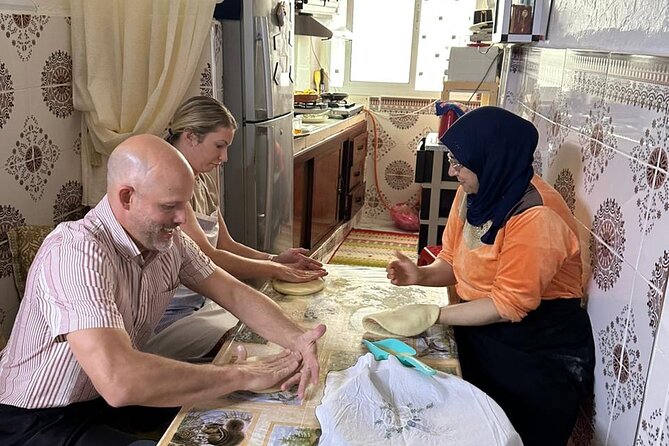
- You cook at a family home, not a commercial cooking studio, so the vibe is personal and warm
- You may start with souk grocery shopping, which makes the flavors feel earned, not random
- Moroccan tea is part of the lesson, and it’s one of the easiest things to repeat at home
- Tagines and couscous are hands-on, with tips that focus on how Moroccans actually do it at home
- Diet can be adjusted, including vegetarian preferences based on past guests
- Expect a full meal and more than you thought you’d make, plus a small Moroccan gift at the end (in some cases)
Why this Tangier cooking class feels more like a family meal
If you’ve ever wished a tour could feel less like a performance and more like a genuine day with locals, this is the right format. In Tangier, Moroccan food is more than recipes. It’s hospitality, timing, and small decisions that add up, like how spices bloom and how couscous gets treated.
What I love most is how clearly the class is built around the family, led by Anwar and often Latifa, with the wider household involved in the flow. Guests repeatedly mention feeling welcome right from the door, and that matters, because it changes how you cook. You ask questions. You laugh when things get messy. And you leave with a sense of what to do next time, not just a list of dishes.
The practical upside is that you get real technique, the kind you can use again. People talk about making couscous the way it’s done at home, and that’s a big deal if you’ve only seen couscous from a box. Tagines show up more than once too, including the idea of learning several types, so you’re not stuck with one template.
More Cooking Classes in Tangier
- Tangier Food Cooking Class and Private City Tour
★ 5.0 · 73 reviews - Moroccan 3 in 1 Cooking Experience
★ 5.0 · 53 reviews - Tangier Private Cooking Class With a Local Family
★ 4.5 · 49 reviews
Entering a Tangier home kitchen, the real Moroccan way
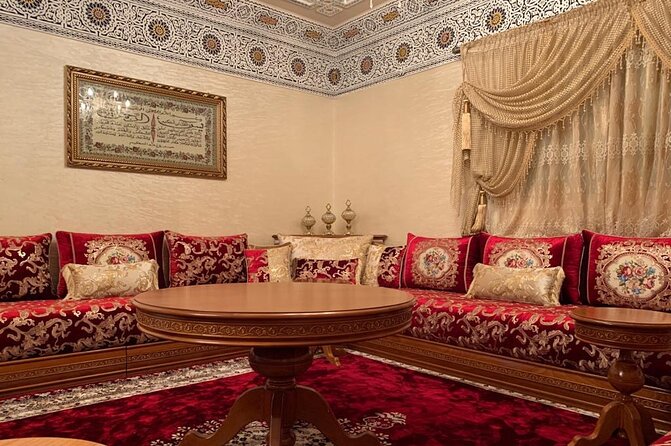
This class centers on Moroccan cooking in a traditional household setting. That means you learn with the tools and rhythms locals use, not the shiny cookware setup you might see elsewhere. It also means the kitchen feels lived in, which makes the lesson feel grounded.
In past sessions, guests have highlighted how much food there is and how much of it you cook and eat on site. One theme shows up again and again: you walk in expecting a lesson, then you end up with a full, satisfying meal that tastes like someone actually cared about it.
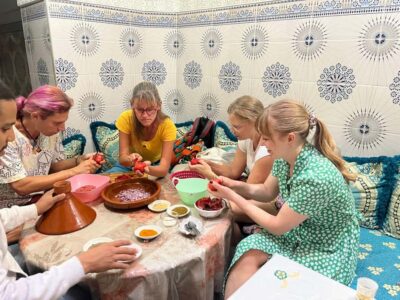
Another strong point is that it’s private, so your group is not waiting around while strangers take turns at the cutting board. The pace can adjust to your questions and preferences. If you ask how Moroccan tea is made, you usually get a clear, step-by-step explanation, not just a quick demonstration.
And yes, Tangier has its own flavor, from the way ingredients are selected to the way the city’s mix of cultures shows up in daily life. Cooking in a home setting helps you notice those small differences because you’re interacting with people, not just following a script.
The souk and Moroccan tea, where the day becomes personal

One of the most memorable parts of this experience is the chance to start in the souk with Anwar or the host team. Guests describe grocery shopping in the market as a fantastic way to connect food to place. It’s also practical: seeing ingredients up close helps you understand what makes a tagine taste the way it does.
You don’t just buy items and move on. You usually connect the why to the ingredients. That might include spice choices, produce freshness, and basic pantry logic behind Moroccan dishes. Even if you don’t recognize every spice at first, you’ll understand the roles once you’re back in the kitchen.
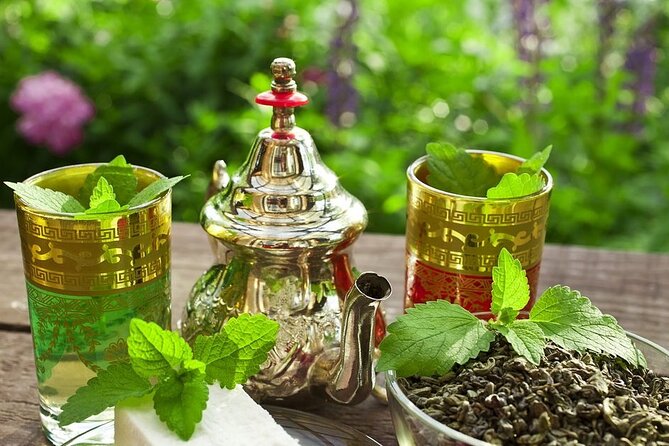
Then comes Moroccan tea, which many guests call out specifically because it’s both a culture marker and an easy win for home cooks. Tea preparation is the kind of skill that feels small but has big payoff. If you can make Moroccan tea at home, your visit continues after the last bite.
What to watch for: a market stop means you should be comfortable with walking at a local pace. Wear shoes that can handle uneven pavement, and keep your phone ready but not glued to your hand.
Tagines, couscous, and pastries, what you’ll actually learn
Let’s talk food. Moroccan cooking has a reputation for sounding fancy on paper, but the technique is often surprisingly doable once you see it in a family kitchen.
Within striking distance:
- From Tangier: Chefchaouen Day Trip with Local Guide
★ 4.8 · 3,287 reviews - From Tangier: Cap Spartel and Hercules Cave with Camel Ride
★ 4.7 · 1,157 reviews - From Tangier: Special Day Trip to Chefchaouen and Tetouan
★ 4.6 · 816 reviews - Tangier: Hop-On Hop-Off Sightseeing Bus
★ 4.1 · 769 reviews
Tagines: more than one flavor story
Guests highlight tagines as the headline, including the idea that you might make more than one type. That’s great for value, because one tagine teaches you a base method, and multiple tagines show you how the method changes with ingredients and seasoning.
Expect instruction that focuses on how to build flavor, not just how to follow a recipe. You’ll likely get guidance on spice handling and layering, plus how the dish is treated while cooking. And when you sit down to eat, the tagine is often singled out as the best meal of the trip.
If you’re a fan of stews and slow-cooked meals, this is one of the best ways to learn the Moroccan version. If you’re new to tagines, you’ll get a clear starting point that you can repeat.
Couscous: the real at-home method
One guest mentioned learning how couscous is made at home, and that line tells you everything about what makes this class useful. Couscous can be ordinary if you treat it like a side dish from a package. Here, you get tips that help you understand texture, timing, and the steps that shape the final plate.
This is where you pick up technique that you can take home. Even if you don’t cook daily, learning the logic behind couscous makes the next Moroccan meal feel less mysterious.
Pastries and the sweet finish
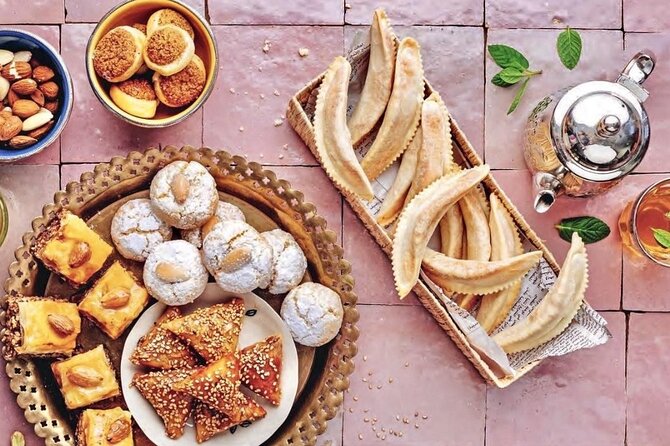
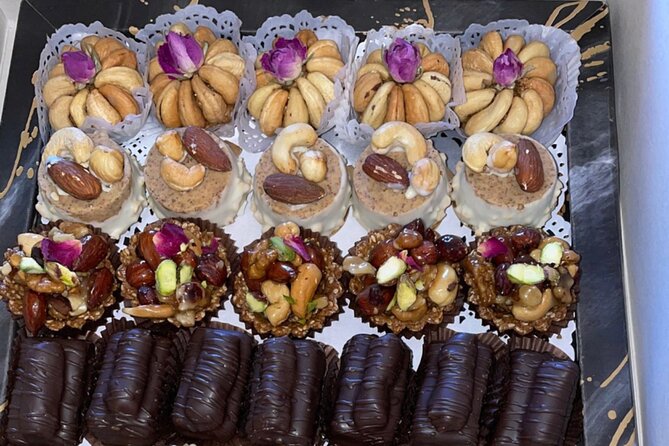
Beyond savory dishes, guests also mention pastries as part of the experience. That matters because Moroccan meals often end with something sweet, and the class reflects that rhythm. You’re not just tasting. You’re participating in the whole meal arc.
Some guests also report being surprised with a cake for birthdays. That’s not something you should count on as a guarantee, but it shows the hosts remember personal moments and try to make the day feel special.
How dietary preferences can be handled without drama
Food should work for your body, not the other way around. In the reviews provided, guests specifically mention vegetarian considerations, including having meals adjusted for vegetarian diets. That’s a good sign if you plan to eat meat-free.
That said, because this is a home setup, the best approach is to message your needs clearly when you book. If you want vegetarian only, tell them up front. If you have allergies or strong restrictions, confirm in advance so the host can plan ingredients and steps.
The good news is that your class is private to your group, so adjustments can be made more directly than in larger, fixed-menu cooking sessions.
Logistics that matter: timing, pickup, and how the class runs
This experience runs about 3 to 4 hours. The exact flow can vary, because family kitchens move at human speed, not industrial speed. But expect a full, scheduled block where you shop or prepare ingredients, cook, and then eat everything you make.
Pickup is offered, and the activity is near public transportation, which helps if you’re staying without a car. You’ll also receive a mobile ticket, which simplifies arrival. Confirmation is sent at booking, so you’re not stuck guessing whether you’re on the right list.
Another detail that helps: the class is marked as easy, which aligns with what most people want from a cooking tour. You’re not signing up for a strenuous hike. You’re signing up for a comfortable, hands-on day with guided steps.
Also note the demand pattern. It’s booked about 26 days in advance on average, so if you’re traveling in a busy window, don’t wait until the last minute.
Price and value in Tangier, what $76.66 really buys
At $76.66 per person, you’re paying for more than instruction. You’re paying for access to a real household kitchen, time with the hosts, and the ingredients and meal that come from the work you do together.
Here’s where the value becomes clear:
- You’re not just watching. You’re cooking and then eating the results right there.
- You often get a market component, which turns shopping into part of the lesson.
- The experience is private, so you’re not splitting attention with a bigger crowd.
- Multiple dishes can be part of the day, so you get a broader flavor education than a short tasting class.
If your goal is to learn technique you can repeat, the price makes sense. If you only want a casual snack and a quick photo, you might feel this is more than you need. But if you like cooking, eating, and learning how locals actually do things, this hits the right sweet spot.
Who should book this, and who should consider a different option
This class is a great fit if you:
- Want Moroccan cooking at home scale, not a generic demo
- Like meeting hosts and learning through conversation
- Prefer practical skills, like Moroccan tea and couscous steps
- Have a group and want a private experience
It may not be your best match if you:
- Hate the idea of a home kitchen setting, even if it’s described as easy
- Want a rigid timetable with minimal walking and zero market time
- Are looking for a high-volume, factory-style production
For most people, this is one of those days you remember because it feels human. Cooking in someone’s home makes Tangier shrink down to something personal, and that’s exactly what you want from a cultural food experience.
Should you book this Tangier cooking class?
I’d book it if your travel style includes getting your hands in the work and your taste buds in the results. The repeated themes are strong: a warm, family-style welcome with Anwar and Latifa, hands-on lessons that go beyond basics, and meals that leave you full and smiling.
Before you book, think about two quick checks. First, do you want Moroccan cooking technique, especially tagines and couscous? Second, are you comfortable with a home setting and the informal flow that comes with it? If yes, this is a very solid value for a memorable Tangier afternoon.
If you want, tell me your group size and whether you eat vegetarian, and I can suggest what to ask the host before you go.
More Day Trips out of Tangier
- From Tangier: Chefchaouen Day Trip with Local Guide
★ 5.0 · 632 reviews - From Tangier: Day Trip to Chefchaouen and Akchour Waterfalls
★ 4.7 · 465 reviews - 7 days Tour from Tangier to Marrakech Morocco Tours
★ 5.0 · 245 reviews - From Tangier: Chefchaouen Guided Full-Day Trip
★ 4.4 · 94 reviews
Latest additions near Tangier
- Tangier Highlights Private 6-Hour Tour★ 4.1 · 137 reviews
- Tangier Full-Day Grand Tour★ 4.8 · 146 reviews
- Tangier: Walking Tour in The Medina With Local Guide★ 4.9 · 39 reviews
- Tangier: sunset, tea, camel ride, Cape Spartel and caves.★ 4.3 · 58 reviews
- Tangier Private Day Tour★ 4.7 · 45 reviews
- Tangier: Quad Bike Adventure with Hotel Transfers★ 4.7 · 71 reviews
- tangier: guided tour of the medina souks★ 3.7 · 11 reviews
- Tangier Private Tour: Explore And Camel Ride Adventure★ 4.8 · 26 reviews
Moroccan Cooking Classes, compared.
Traditional Moroccan Cooking Class & Market Visit
Read our review →
Moroccan Dishes Cooking Class with a Local Chef
Read our review →
Moroccan Cooking Class & Marrakech Market Visit with Chef Khmisa
Read our review →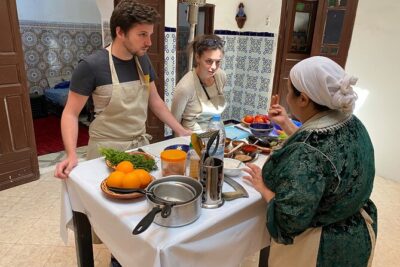
Half-Day Cooking Class with Local Chef Laila in Marrakech
Read our review →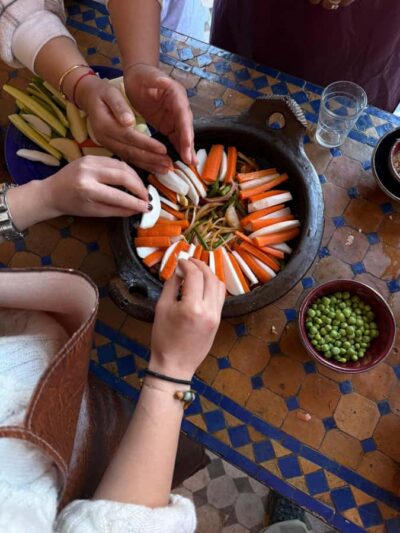
Browse the lists this tour appears in