
Reviewed · MOROCCAN COOKING CLASSES
cooking classe
One great bite starts with a good lesson. This Marrakech cooking class is interesting because it’s hands-on, taught in a local home, and it ends with you eating what you helped make, including your choice of tagine, couscous, or pastilla. I really like that the focus isn’t just on cooking, it’s on understanding Moroccan flavors and techniques, so the meal feels like more than a demo. I also like the small-group feel, plus the recipe card that makes it easier to cook again once you’re back home.
The main thing to consider is time and mindset. At about 4 hours, it moves at a steady pace, so if you want long sightseeing breaks or lots of downtime, this may feel a bit “too focused” on the kitchen.
In This Review
- What You’ll Love Most (and One Thing to Watch)
- Key Highlights You Should Know Before You Go
- A Moroccan Home Kitchen, Not a Set Classroom
- Your Main Dish Choice: Tagine, Couscous, or Pastilla
- Inside the 4-Hour Lesson Flow (What Each Part Feels Like)
- 1) Welcome, instructions, and choosing what you’ll cook
- 2) Prep and cooking with step-by-step guidance
- 3) Dessert and the full meal payoff
- 4) Sit down and eat what you made
- Recipe Card Value: What to Cook Again When You’re Back Home
- Languages and the Small-Group Advantage
- The Guide Experience: Clear Teaching and Extra Thoughtfulness
- Pickup, Mobile Ticket, and How to Plan Your Morning
- Price and Value: Why $40.65 Often Feels Fair
- Who Should Book This Class (And Who Might Want a Different Plan)
- Practical Tips to Get Better Results in the Kitchen
- Should You Book Menara Trip’s Marrakech Cooking Class?
- FAQ
- FAQ
- What time does the Marrakech cooking class start?
- How long is the cooking experience?
- What main dishes can I choose to make?
- Will I eat the food I cook?
- Does the class include dessert?
- Is pickup offered?
- What languages are available for the class?
- How big is the group?
- Do I get a recipe to take home?
- What is the cancellation policy?
What You’ll Love Most (and One Thing to Watch)
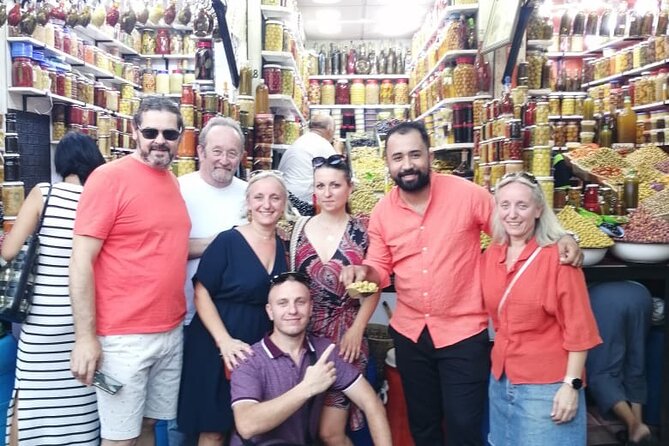
If you’re coming to Marrakech to eat well, you’ll appreciate how practical this lesson is. The class lets you choose your main dish, teaches you how to build Moroccan cuisine step by step, and then you sit down with everyone in your group to share the results. Most classes also cover more than one course, including dessert, so you come away with a fuller sense of how Moroccan meals come together.
One possible drawback is that your experience will depend on your comfort with cooking. You’ll be actively preparing food, not just watching, so go in ready to roll up your sleeves and participate.
Key Highlights You Should Know Before You Go
- Choose your main dish: tagine, couscous, or pastilla, so you can match the food to your tastes
- Cook in a local home instead of a classroom kitchen, which keeps it feeling real and personal
- Learn with a professional guide who explains everything and shares practical, age-old cooking tips
- Eat your creations with the group so the lesson has a built-in payoff
- Get an easy recipe card to help you recreate the dish at home
- Small group size, up to 10 people which usually means more hands-on guidance
More Cooking Classes in Marrakech
- Marrakech: Moroccan Cooking Class with Pickup
★ 4.6 · 1,862 reviews - Marrakech: Traditional Moroccan Cooking Class & Market Visit
★ 4.8 · 1,861 reviews - Marrakesh: Moroccan Dishes Cooking Class with a Local Chef
★ 5.0 · 1,615 reviews
A Moroccan Home Kitchen, Not a Set Classroom
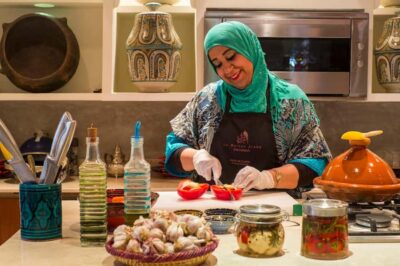
Marrakech cooking classes come in two styles: the show-and-tell kind, and the hands-on kind. This one clearly aims for the hands-on side. Instead of a staged studio, you’re taught in a local home, which changes the vibe fast. The setting matters because Moroccan cooking is about rhythm and feel, not just ingredients on a board. When you cook where people actually live, the lesson feels more grounded.
Another big plus is the social part. You’re not being rushed through a checklist and pushed out the door. You’ll share stories, listen to tips from someone who cooks this way for real, and you’ll have time to ask questions as you go. Even if you only plan to cook one dish at home later, you’ll leave with a better sense of how Moroccan meals are built.
Your Main Dish Choice: Tagine, Couscous, or Pastilla
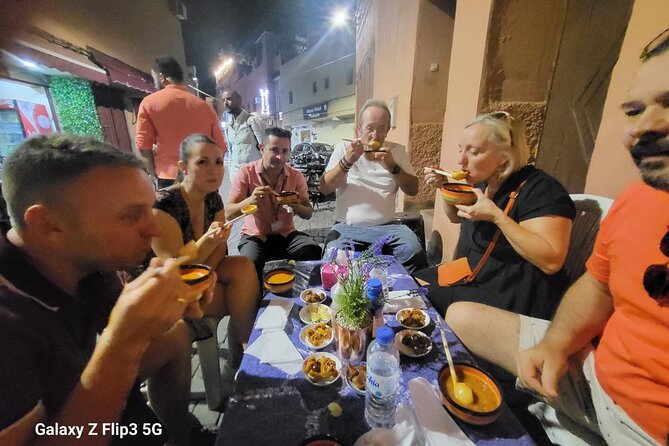
This is one of the best features of the class. You get to choose your main dish from three Moroccan favorites: tagine, couscous, or pastilla. That choice isn’t just for fun. It’s useful because you can pick the flavor profile you’ll actually want to repeat after your trip.
Here’s how each option tends to “teach” something different:
- Tagine is a great option if you want to learn how Moroccan sauces and slow-cooked flavor work together. You’ll understand how spices, aromatics, and texture come together into something that tastes layered even when ingredients look simple.
- Couscous is ideal if you want to learn about Morocco’s grain-based comfort food. You’ll get a sense of how to treat grains as a base, not just a side, and how seasoning matters all the way through.
- Pastilla is for people who like a dish with contrast, often involving a sweet-savory style. Even if you don’t make it often at home, making pastilla teaches technique and patience, which is the kind of cooking skill that stays with you.
You’ll also learn more than just one course. The class description notes main meals through to dessert, so you should expect at least a fuller meal experience rather than a single-dish sprint.
Inside the 4-Hour Lesson Flow (What Each Part Feels Like)
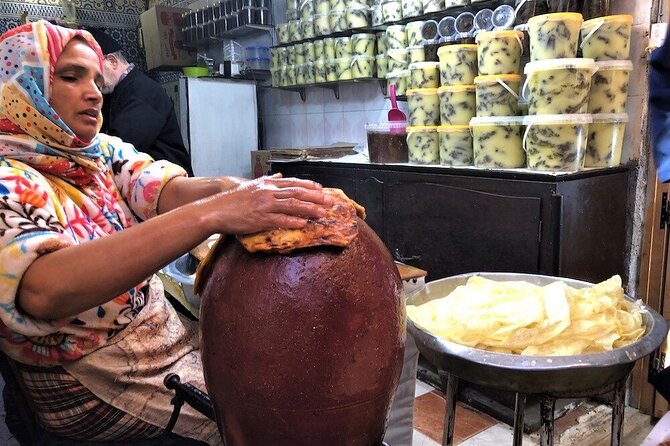
The class runs about 4 hours, starting at 10:00 am. That timing is good because it fits neatly into a Marrakech day. You can often use the morning for this, then keep your afternoon open for markets, gardens, or just wandering with a full stomach.
While there’s no detailed stop-by-stop sightseeing here, the experience still has clear “phases.” Here’s what your time is likely to feel like:
Within striking distance:
- Marrakech: Agafay Desert Sunset, Camel Ride, and Dinner Show
★ 4.6 · 35,119 reviews - From Marrakech: Ouzoud Waterfalls Guided Hike and Boat Trip
★ 4.7 · 33,630 reviews - Marrakech: Agafay Desert Quad & Camel Rides with Dinner Show
★ 4.8 · 27,382 reviews - Marrakech: Agafay Desert Quad Biking Tour with Dinner-Show
★ 4.8 · 16,569 reviews
1) Welcome, instructions, and choosing what you’ll cook
You’ll start by getting oriented, including how the session works and what you’ll be making. Since you have a main dish choice, you’ll likely spend the early part planning and prepping based on your pick.
2) Prep and cooking with step-by-step guidance
This is the core. You’ll cook with help, not guesswork. The course is described as being held in a local home where the guide shares cooking tips. That matters because Moroccan cooking often depends on small technique decisions. Get those right, and the final dish tastes “like Morocco” instead of just “spices and food.”
One practical note: ask your guide early about what to focus on most for your chosen dish. Tagine, couscous, and pastilla can all be delicious, but each needs attention to different details.
3) Dessert and the full meal payoff
The lesson includes dessert, so you’ll finish with something sweet as well as savory. This is a big deal for value, because it’s rare to get a whole Moroccan meal sequence in one package, especially at a short duration.
4) Sit down and eat what you made
You don’t just leave with skills, you leave with a meal. Eating together with your group is one of the reasons these classes work. You get to taste the results while the learning is still fresh in your mind. It also makes it easier to connect the technique you used to the flavor you’re tasting.
Recipe Card Value: What to Cook Again When You’re Back Home
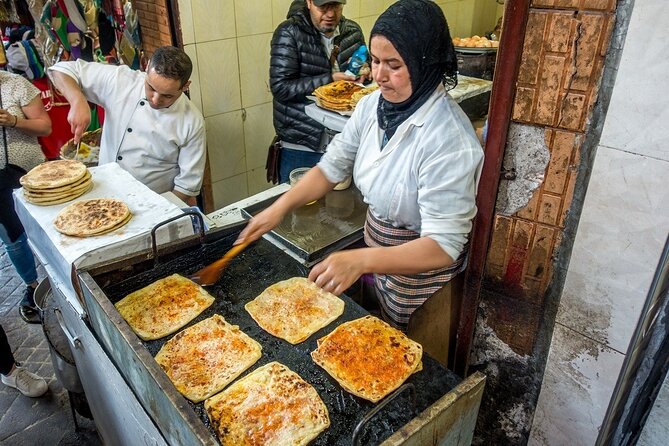
One of the smartest add-ons here is the easy to use recipe card. A recipe card sounds small, but it’s often the difference between “I had an amazing meal” and “I can actually remake it.”
When you cook at home later, you’ll probably forget small steps like how long to do a certain prep step, how the texture should feel, or what ingredient order makes sense. The card gives you a shortcut back to the method you learned in class.
Also, recipe cards help you avoid the common problem of Moroccan dishes becoming vague in translation. Moroccan cooking often relies on layering flavor. Having the steps written clearly lets you repeat that layering without reinventing it from memory.
Languages and the Small-Group Advantage
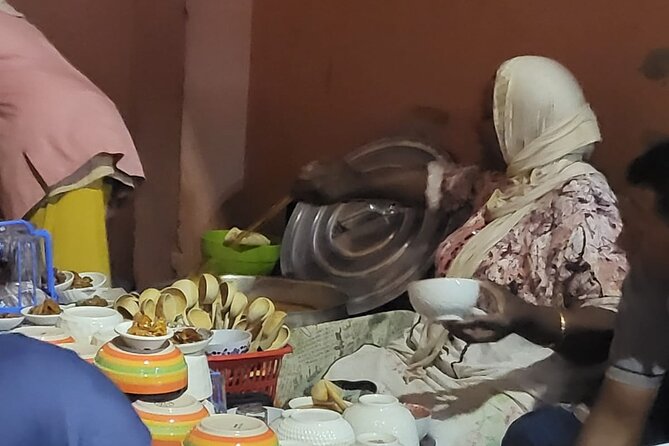
The class is available in multiple languages, including Arabic, French, English, and Spanish. That matters more than it sounds. Moroccan cooking has technique details that are easier to grasp when the instructions match your language. If you’re not fluent in Arabic, at least you can still get the lesson in one of the supported options.
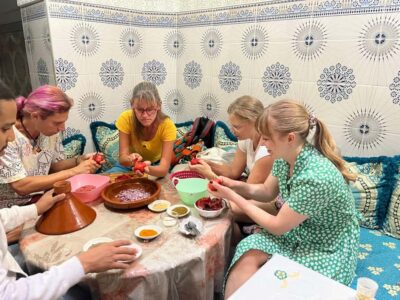
Another practical advantage is the group size: a maximum of 10 travelers. A small group tends to mean you get more direct attention while you cook. It also means the guide can slow down when someone needs help, instead of rushing everyone through the same steps.
One thing you can do to make the most of the group setup: be ready with one or two questions. Ask about your dish choice, or what spice blend matters most for flavor. A good guide can turn your questions into learning that sticks.
The Guide Experience: Clear Teaching and Extra Thoughtfulness
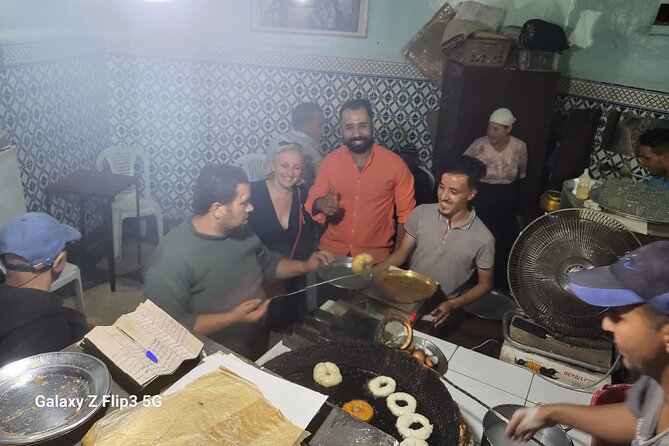
Professional teaching is a big part of why cooking classes feel worth the money. In the feedback for this experience, the guide experience is described as professional and generous with small details. For example, the name Mehdi shows up in connection with clear explanations, plus the kind of practical care like getting water or tea when asked.
That might sound minor, but it really affects comfort. When someone keeps the session flowing and helps with basic needs during the cook time, it lets you focus on the lesson. And when instructions are clear, you’re less likely to end up with a dish that tastes “sort of right.”
Pickup, Mobile Ticket, and How to Plan Your Morning
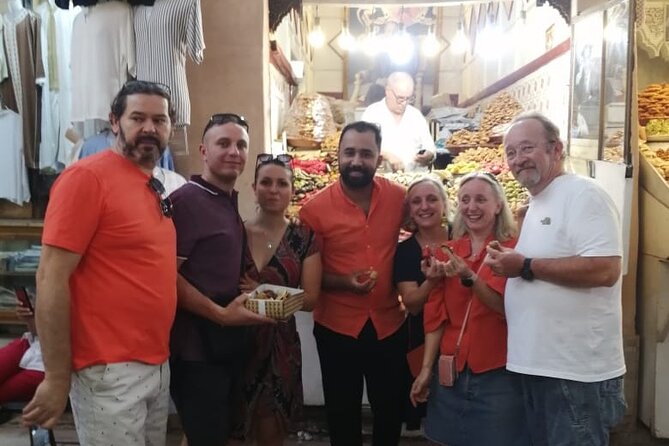
This class offers pickup, and it uses a mobile ticket. Those two things make planning easier in Marrakech. When you have pickup, you’re less likely to burn time figuring out where to meet, and you can spend that time eating on schedule or exploring nearby.
It’s also described as near public transportation. Translation: if pickup is not convenient for you, you can still likely find a practical way to get there without turning your morning into a logistics project.
Since the start time is 10:00 am, try to build buffer into your day. Marrakech mornings can move quickly, and you’ll want to arrive settled so you can enjoy the first part of the lesson instead of rushing through it.
Price and Value: Why $40.65 Often Feels Fair
At $40.65 per person, this class is priced like a typical half-day experience, but you’re getting more than “a cooking demo.” You get:
- A chance to cook your own main dish (tagine, couscous, or pastilla)
- A group meal where you eat what you made
- Dessert included in the lesson flow
- A recipe card to take home
- A small group setting and guide-led instruction
- Pickup offered (when available)
In places where cooking classes cost far more, the biggest gap is often that you pay for the experience without getting full meals or real take-home tools. Here, the inclusion of recipe cards and the fact that you eat together makes it feel more complete for the price you pay.
If you love food, this is the kind of activity that pays you back twice: once at the table, and again later when you cook at home.
Who Should Book This Class (And Who Might Want a Different Plan)
This cooking class fits best if you:
- Want a food-centered Marrakech activity that doesn’t require extra travel time
- Like hands-on learning more than watching from a distance
- Want to bring back at least one Moroccan dish you can actually repeat
- Prefer smaller group settings for more guidance
It may not be the best match if you:
- Want a long, unstructured day with lots of wandering time
- Don’t like active participation or cooking tasks
- Are looking for a sightseeing route rather than a culinary workshop
If you’re the type who reads menus carefully and studies spice blends, you’ll likely feel right at home.
Practical Tips to Get Better Results in the Kitchen
You’ll get more from the class if you show up prepared. Since the experience is hands-on, keep it simple:
- Wear comfortable clothes you don’t mind getting a little messy.
- Be ready to participate, not just observe.
- If you have dietary needs, you might want to ask in advance, since the class format is built around specific dishes and a shared meal.
- Bring curiosity, especially for spice and technique questions. Moroccan cooking is all about how flavors are layered.
And when you sit down to eat, take a moment to notice textures. That’s the real “secret” you’ll use later at home, not just the ingredient list.
Should You Book Menara Trip’s Marrakech Cooking Class?
I’d book this if your Marrakech plan includes at least one day that’s mainly about food and you want something practical, not just decorative. The biggest reasons are the choice of tagine, couscous, or pastilla, the local home setting, and the fact that you eat what you cook. Add in the recipe card, and it becomes one of those activities that keeps paying you back after your trip.
If you’re on a tight schedule, the 10:00 am start and roughly 4-hour length make it easy to slot in. If you prefer small groups and clear language support, this format also makes sense.
FAQ
FAQ
What time does the Marrakech cooking class start?
The class starts at 10:00 am.
How long is the cooking experience?
The cooking experience is about 4 hours.
What main dishes can I choose to make?
You can choose to make one main dish: tagine, couscous, or pastilla.
Will I eat the food I cook?
Yes. After you finish, you eat your creations with the rest of your group.
Does the class include dessert?
Yes. The class covers Moroccan cuisine from main meals through to dessert.
Is pickup offered?
Pickup is offered.
What languages are available for the class?
Classes are available in Arabic, French, English, and Spanish.
How big is the group?
The tour has a maximum of 10 travelers.
Do I get a recipe to take home?
Yes. You receive an easy-to-use recipe card to help you cook at home.
What is the cancellation policy?
You can cancel for a full refund up to 24 hours before the experience starts. Free cancellation is available, and changes within 24 hours are not accepted.
Latest additions near Marrakech
- 04 valley day trip ON 4*4 with lunch in agafay desert★ 5.0 · 22 reviews
- Atlas Mountain, home made lunch & camel ride in Agafay Desert★ 5.0 · 39 reviews
- From Marrakech : Quad Bike & Pool with Lunch in Agafay Desert★ 5.0 · 10 reviews
- Private day tour to essaouira from Marrakech★ 5.0 · 19 reviews
- Imlil Valley Day Trip with Camel Ride in Agafay Desert★ 5.0 · 10 reviews
- Private Day Trip From Marrakech To Ourika Valley Waterfalls in (All inclusive)★ 4.5 · 10 reviews
- Private day trip from Marrakech to Ourika valley★ 5.0 · 86 reviews
- Marrakech Airport Transfer (ONE WAY pick-up OR/OU ONE WAY drop-off)★ 4.0 · 22 reviews
Moroccan Cooking Classes, compared.
Traditional Moroccan Cooking Class & Market Visit
Read our review →
Moroccan Dishes Cooking Class with a Local Chef
Read our review →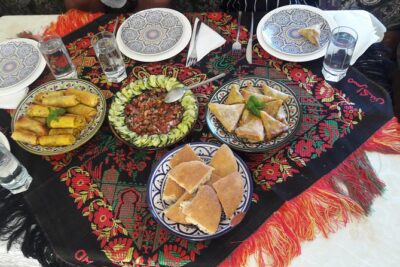
Moroccan Cooking Class & Marrakech Market Visit with Chef Khmisa
Read our review →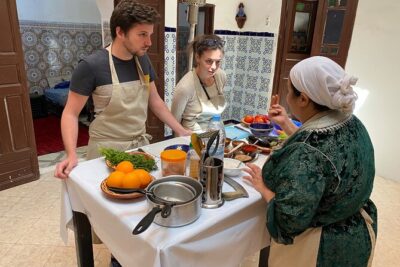
Half-Day Cooking Class with Local Chef Laila in Marrakech
Read our review →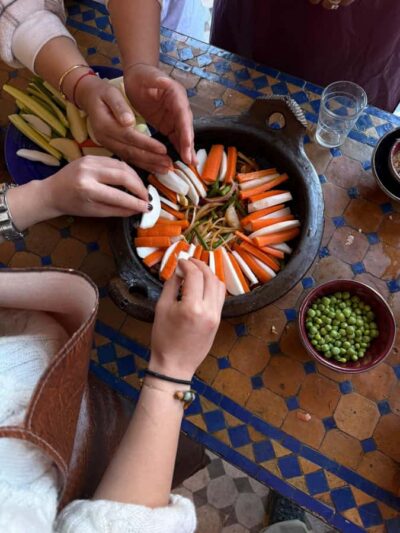
Browse the lists this tour appears in