
Reviewed · MOROCCAN COOKING CLASSES
cooking with rabab Tagahzout
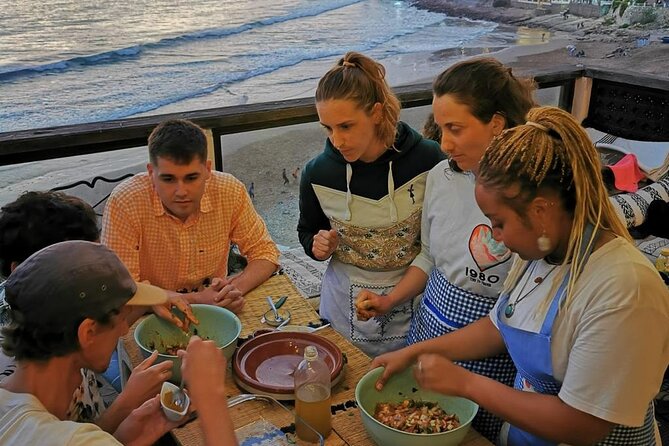
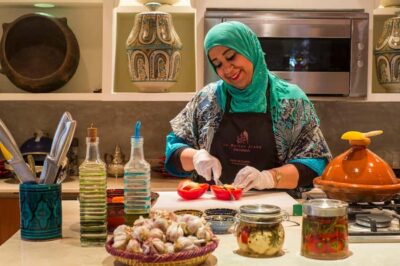
Cooking in a Berber kitchen feels personal. This class with Rabab turns Moroccan food into something you can actually do, from prepping ingredients to assembling the final dishes, in a setting known for warm company. I especially like how you learn by doing, and the fact that many moments come with sea views over the Atlantic.
You start with a welcome that sets the tone, then move into Moroccan mint tea and real hands-on cooking. You’ll be able to ask questions, taste as you go, and compare notes with other people in your group, which makes it feel less like a performance and more like sharing a meal plan.
One consideration: it’s not a sit-and-watch activity. You will cut, mix, cook, and assemble, so if you prefer a low-effort experience, plan for some active kitchen time in about three hours.
In This Review
- Key things to know before you go
- Cooking With Rabab in Taghazout: What You’re Really Paying For
- The warm start: sweets, Moroccan mint tea, and friendly Berber hospitality
- The main work: tagine and salad cooking you actually assemble
- Stone-oven bread: the smell, the texture, the payoff
- Eating with Atlantic or bay views, from the kitchen balcony
- Price and logistics: short, private, and easy to fit in your schedule
- Who this fits best, and who might want a different style
- My decision guide: should you book this cooking day with Rabab?
- FAQ
- How long is the cooking class with Rabab?
- Where does the experience take place?
- Is pickup available?
- Is it a private tour?
- What will I do during the class?
- Do I learn how to make Moroccan mint tea?
- What dishes are included in the cooking?
- Is there a mobile ticket?
- How far in advance do people usually book?
- Is cancellation free?
Key things to know before you go
- Hands-on instruction: you actively prepare ingredients, cook, and assemble your dishes
- Mint tea lesson included: you’ll learn the Moroccan mint tea ritual as part of the experience
- Stone-oven bread is a highlight: several cooking days include baking bread in a stone oven
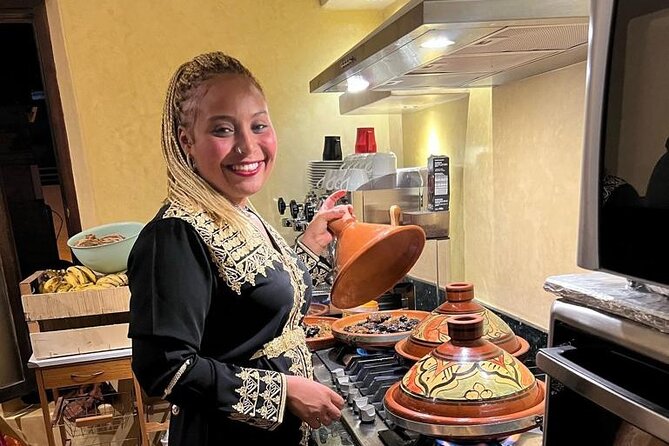
- Tagine-focused cooking: you can expect classic tagine styles like chicken with preserved lemons, kofta, veggie, and sometimes fish
- Views while you eat: you may eat with direct Atlantic or bay views from the kitchen area
- Small, private setup: it’s a private tour, only your group participates
Cooking With Rabab in Taghazout: What You’re Really Paying For
Yes, you’re paying for a lesson. But the real value is that you get a guided path through Moroccan home cooking that you can repeat later, not just a plate and a pat on the back.
At around $47.12 per person for about 3 hours, the best bargain happens when you show up hungry and curious. You’re not just eating, you’re learning the process, the flavors, and the rhythm of building a meal, from tea to bread to tagine and salad.
The experience also has a strong track record in the numbers you want to see: 5 out of 5 average rating and 100% recommendation across 11 reviews. When you see that consistency with a cooking class, it usually means the host’s teaching style and the food quality line up, day after day.
More cooking classes in Agadir:
- Cooking the Moroccan Way, Tamraght
★ 5.0 · 37 reviews - From Agadir: Cooking Class, and Lunch in Berber Village
★ 4.6 · 16 reviews - Moroccan Cooking Class and Eco-Farm Visit – Full day
★ 5.0 · 13 reviews
The warm start: sweets, Moroccan mint tea, and friendly Berber hospitality
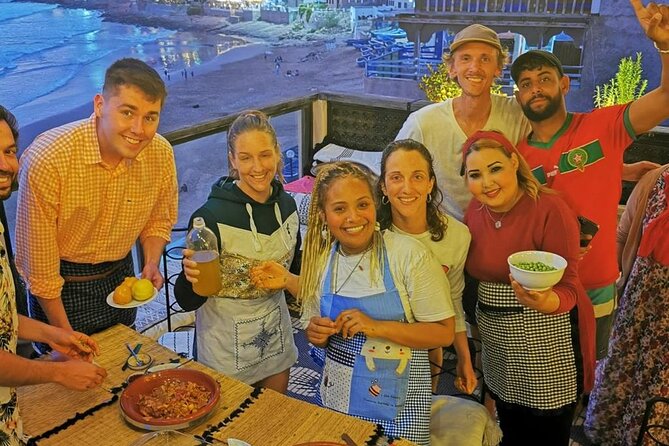
Most good Moroccan cooking experiences begin before the first ingredient hits the cutting board. Here, you start with a welcome that includes homemade sweets, and then you shift into Moroccan mint tea, which many people describe as an early favorite.
Mint tea is more than a drink. It’s a tiny lesson in balance: tea, fresh mint, and sugar used the way Moroccan cooks do it, with the tea ritual signaling that you’ve arrived and you’re about to slow down. If you’re the type who wants a cultural moment that’s not just a photo, this part lands.
In the kitchen, Rabab’s style is described as relaxed and social, more like cooking with a friend than sitting through a lecture. You’ll get guidance, but you’ll also have space to ask questions while you’re already in the flow of preparing.
The main work: tagine and salad cooking you actually assemble
The class structure is practical on purpose. You’ll follow Rabab’s instructions and then do the steps: prepare ingredients, cut and mix, cook, and assemble the dishes.
That hands-on pace matters for two reasons. First, you learn which tasks come first and why, so you’re not just copying a recipe. Second, you get tasting moments that help you understand how adjustments work, like balancing seasoning or timing components inside a tagine.
From the dishes described across the experience, you’ll likely see a mix of:
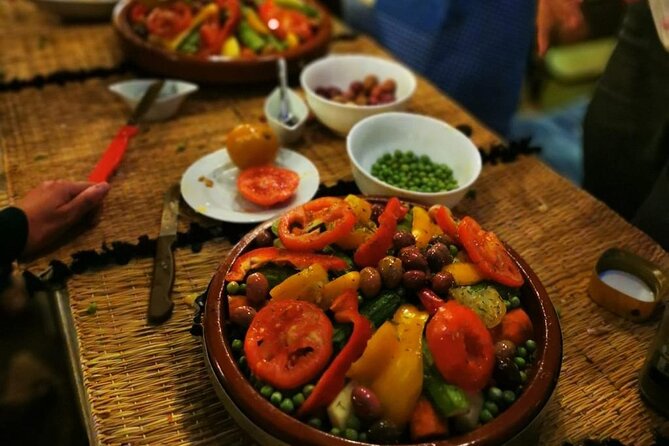
- Chicken tagine with preserved lemons
- Vegetable tagine
- Moroccan salad
- Kofta tagine (ground meat tagine)
- Sometimes fish tagine, described as very fresh and slow-cooked for flavor blending
Even when the exact menu varies by day, the method is what you’re there for. Tagine cooking is about gentle heat and letting flavors connect. If you’re used to quick frying, this is where the Moroccan approach will feel different in a good way.
Stone-oven bread: the smell, the texture, the payoff
A lot of cooking classes end with the big dish, and bread becomes an afterthought. Here, bread can be the star moment, because the experience includes making your own bread in a stone oven.
Bread baked in a stone oven has a different personality. You get that signature crust, and the timing feels important, since stone-oven heat does not behave like a simple indoor oven. When you shape dough as part of the process, you also learn how Moroccan kitchens think about flour, handling, and resting, even if the exact dough steps differ.
If you’re worried that bread sounds like a side quest, don’t. People specifically call out the stone-oven bread experience as memorable, and that makes sense. It’s one of those skills that instantly changes how you judge a meal, because you can feel the difference in texture when you eat it.
Other Agadir days to consider
- Agadir: Moroccan Cooking Class with Market Visit
★ 4.9 · 11 reviews - Marrakech: Moroccan Cooking Class with Pickup
★ 4.6 · 1,862 reviews - Marrakech: Traditional Moroccan Cooking Class & Market Visit
★ 4.8 · 1,861 reviews - Marrakesh: Moroccan Dishes Cooking Class with a Local Chef
★ 5.0 · 1,615 reviews
Eating with Atlantic or bay views, from the kitchen balcony
One of the most repeated details is the setting during the meal: a kitchen and balcony area with great views, often over the Atlantic or across the bay.
This isn’t just scenery dressing. When you eat while looking at the sea, the whole class feels lighter. You’re cooking hard for a short time, then your reward comes with fresh air and a slower pace, which is exactly how a good holiday meal should feel.
People also mention eating after cooking a three-course style meal, with mint tea and cake included in the flow of the afternoon or evening. So you’re not stuck with a dry cookie-cutter menu. You’re likely getting a full local meal experience, not just one tagine and a goodbye.
Price and logistics: short, private, and easy to fit in your schedule
This is about 3 hours. That’s the sweet spot for a holiday cooking class because you get real instruction without losing your entire day to the kitchen.
You may see pickup offered, and a mobile ticket is provided. You’re also told you’re near public transportation, which is helpful if you’d rather not rely on pickup every time in Agadir and the surrounding coast.
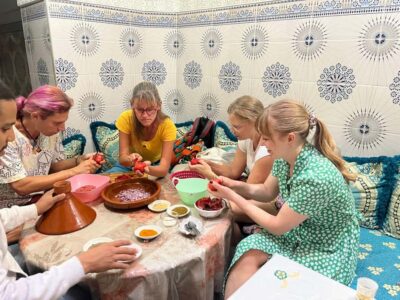
It’s also a private tour/activity, meaning only your group participates. That matters if you want a more comfortable pace for questions, or if you’re traveling with family and prefer not to blend into a mixed group situation.
One practical note: the cooking is active, and you’ll be expected to follow instructions and assemble dishes. Bring a normal comfortable outfit, and don’t wear anything that you’ll stress about if a spice scent clings to it for the rest of the day.
Who this fits best, and who might want a different style
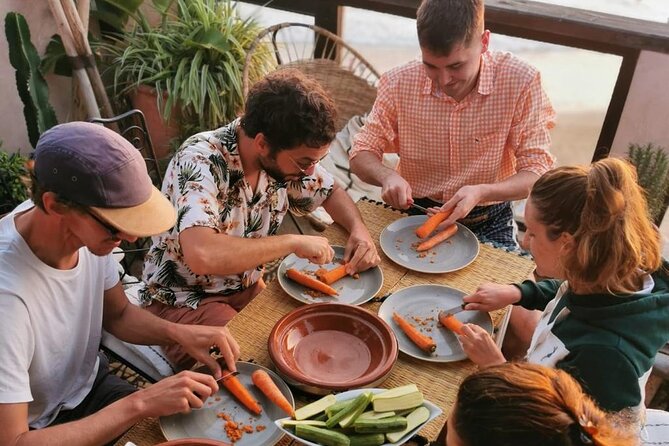
This experience is ideal if you want Moroccan food with context and technique. If you enjoy learning by doing, tasting as you go, and asking questions while you cook, you’ll likely love it.
It also suits people who care about cultural warmth. Rabab is repeatedly described as friendly, charming, and a good teacher, with conversations that include Berber culture. That social element is part of the value, because it turns a cooking session into a real human interaction.
It may be less ideal if you want a mostly observational experience, or if you have limitations that make chopping and assembly difficult. Since travelers are instructed to cut, mix, cook, and assemble, plan around your energy level.
My decision guide: should you book this cooking day with Rabab?
Book it if you want:
- Hands-on Moroccan cooking with tagine, salad, and mint tea as the core of the experience
- A chance to bake stone-oven bread and learn by shaping and cooking, not just watching
- A meal paired with Atlantic or bay views, which makes the class feel like a true outing, not a workshop
Skip it if you prefer:
- A short tour where you mainly watch and take photos
- A very long, slow food journey (this is about three hours, so you’ll cover key dishes, not a whole kitchen semester)
One more booking tip from how popular this is: the average booking window is 19 days in advance. If you’re traveling during peak season or you have a tight schedule, it’s smarter to lock it in earlier than later.
If you like real instruction and a warm cultural exchange, this is the kind of Taghazout cooking day that can turn into a souvenir you actually use, because you’ll know what to do the next time you make tagine at home.
FAQ
How long is the cooking class with Rabab?
It lasts about 3 hours.
Where does the experience take place?
The location is listed as Agadir, Morocco, with the cooking day set in the Taghazout area in some descriptions.
Is pickup available?
Yes, pickup is offered.
Is it a private tour?
Yes. It is a private tour/activity, and only your group participates.
What will I do during the class?
You’ll follow Rabab’s instructions and help with preparing ingredients, cutting, mixing, cooking, and assembling the dishes. You can also ask questions and taste what you prepare.
Do I learn how to make Moroccan mint tea?
Yes. Moroccan mint tea is included, and it’s part of what you learn during the experience.
What dishes are included in the cooking?
The descriptions include chicken tagine with preserved lemons, vegetable tagine, Moroccan salad, kofta tagine, and fish tagine. Cake and mint tea also come up in the meal flow.
Is there a mobile ticket?
Yes. The experience includes a mobile ticket.
How far in advance do people usually book?
On average, it is booked 19 days in advance.
Is cancellation free?
Yes. You can cancel for free up to 24 hours in advance for a full refund.
Latest additions near Agadir
- Quad Biking on the Beach and Forest Dunes with Pickup from Agadir★ 5.0 · 11 reviews
- Agadir Desert Quad Bike Safari with Hotel Pickup★ 4.5 · 191 reviews
- Agadir Adventure Tour with Quad Biking Experience★ 5.0 · 17 reviews
- Desert Dunes Buggy Safari in Agadir with Hotel Pickup★ 4.5 · 34 reviews
- Quad Biking Adventure in Agadir★ 4.5 · 15 reviews
- Quad adventure – IN AGADIR, DUNES, FOREST, BEACH★ 5.0 · 14 reviews
- Agadir Quad ATV Adventure Tour with Berber Tea Experience★ 5.0 · 18 reviews
- 4 Excursions In 1 Pack = City tour + Quads + Hammam-massage + Paradise Valley★ 5.0 · 27 reviews
Moroccan Cooking Classes, compared.
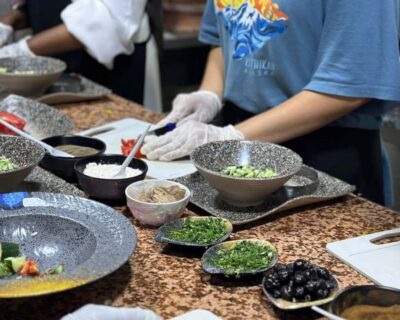
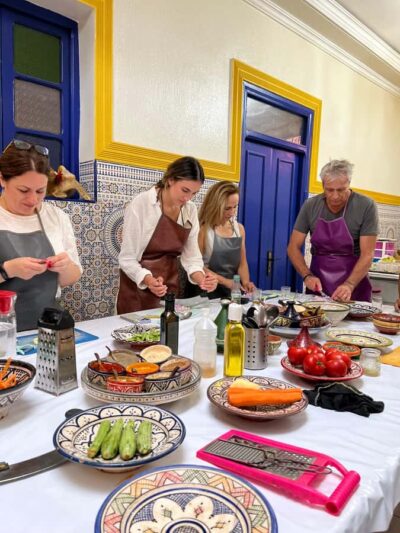
Traditional Moroccan Cooking Class & Market Visit
Read our review →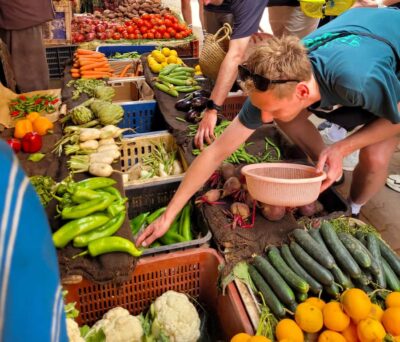
Moroccan Dishes Cooking Class with a Local Chef
Read our review →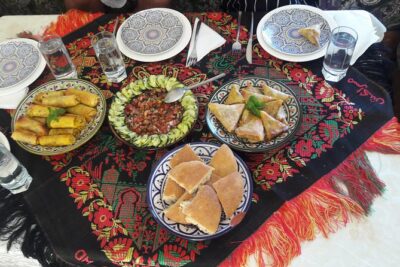
Moroccan Cooking Class & Marrakech Market Visit with Chef Khmisa
Read our review →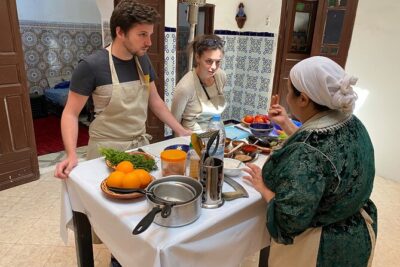
Half-Day Cooking Class with Local Chef Laila in Marrakech
Read our review →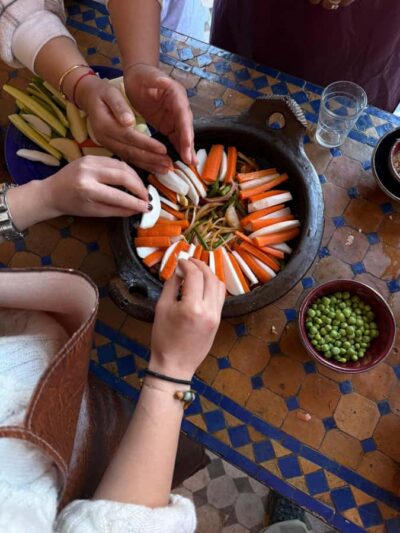
Browse the lists this tour appears in