
Reviewed · ESSAOUIRA COAST DAY TRIPS
Essaouira : Moroccan Cooking Workshop
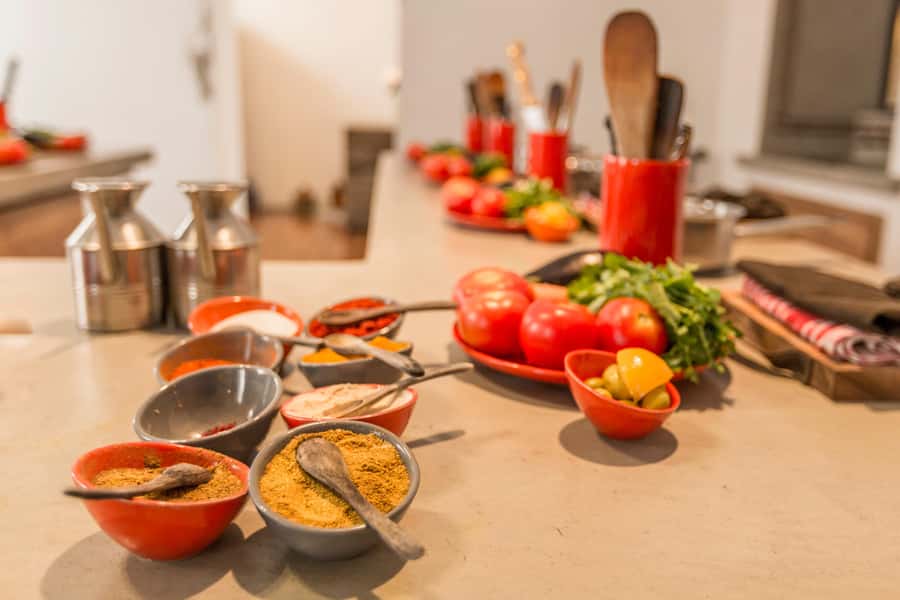
Tagines start with spice dust. I love the hands-on Moroccan cooking and the souks spice-and-aromatics walk that connects ingredients to the recipe. One drawback to plan for, there is no hotel pick-up, so you need to get there on your own.
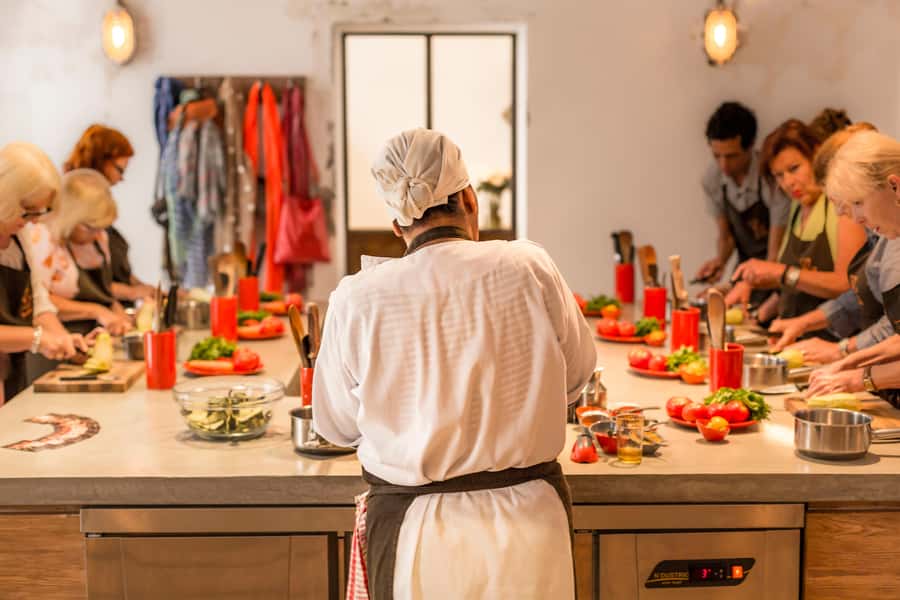
This class runs from 10h30 and wraps up around 15h00, with cooking first and lunch right after. You stay in a small group, up to 8 people, and the menu is built daily from local seasonal ingredients, taught in English, French, or Arabic.
In This Review
- Key highlights to know before you go
- From the Souk to Your Tagine, What Happens in 4 Hours
- Why the Included Souk Walk Makes the Recipes Stick
- Building Your Meal, the Workshop Menu and Dish Choices
- Starters you might cook
- Main dishes you might cook
- The Private Dining Lunch, and What’s Actually Included
- What the Small Group Size Changes in Real Life
- Price and Value, What 600 dhs Really Buys
- Practical Tips so You Don’t Waste Your Morning
- Who This Moroccan Cooking Workshop Fits Best
- Should You Book L’Atelier Essaouira’s Cooking Workshop?
- FAQ
- How long is the Moroccan cooking workshop?
- What is included in the price?
- Does the workshop include a souk or market tour?
- Is hotel pick-up provided?
- How many people are in each class?
- What languages are offered?
- Can I choose which dishes I learn?
- Are any dishes seasonal?
- Is alcohol included with the drinks?
- Is it suitable for children?
- FAQ
- Can I cancel and get a refund?
- Do I need to pay immediately to reserve?
- Where does this activity take place?
- How can I use what I learn at home?
Key highlights to know before you go
- From market to meal, with a guided souk walk that’s tied directly to what you cook
- Small group size (8 max) for real instruction, not just watching
- Daily changing menus built around local seasonal products, including fish or winter specials when available
- Cooking in a professional kitchen, then eating in a private dining room
- Menus and dish choices can be flexible, based on what works for the class
- Recipes available after the workshop so you can remake dishes at home
From the Souk to Your Tagine, What Happens in 4 Hours
The schedule is straightforward, which I like: you start at 10h30, then spend about 2.5 to 3 hours cooking, and finish around 15h00 with lunch. The flow keeps your morning from dragging, and it also helps you learn faster, because you taste what you just made soon after.
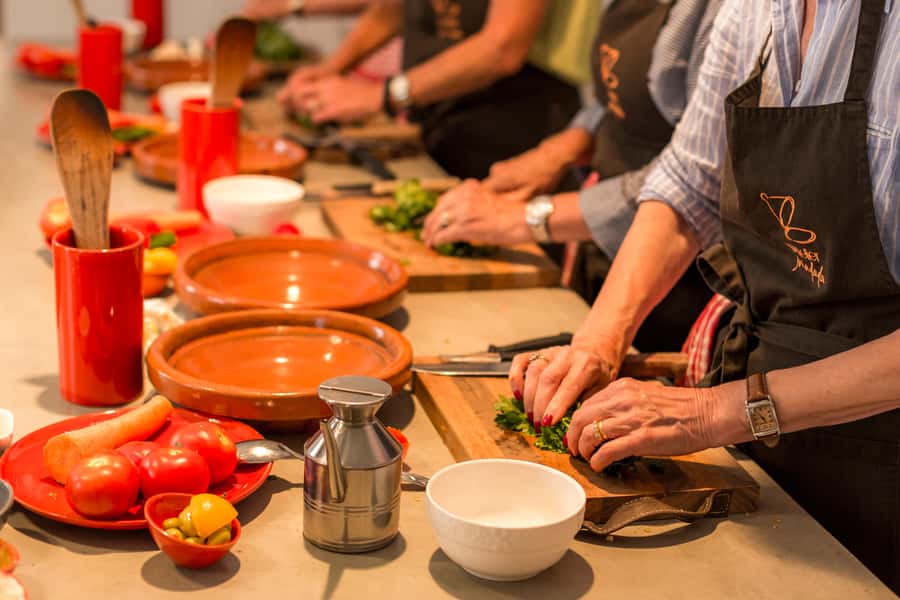
You’re working in a real kitchen setup, not a demo stage. In the small group format, you get your own station and the tools you need to cook, then you eat in the workshop’s café private dining room. That matters because Moroccan cooking is hands-on, and the recipes make more sense when you can smell, handle, and season along the way.
One more practical note: there’s no hotel pick-up. If you’re staying in a Riads-style area, build extra time to reach the workshop location before 10h30 so you can settle in and start cooking on time.
More Cooking Classes in Essaouira
- l’Atelier – Moroccan Cooking Workshop in Essaouira
★ 5.0 · 110 reviews - Traditional Moroccan Cooking Class
★ 5.0 · 81 reviews - Essaouira: Traditional Family Style Moroccan Cooking Class
★ 5.0 · 58 reviews
Why the Included Souk Walk Makes the Recipes Stick
The heart of this experience is the way the market tour supports what happens in the kitchen. Instead of telling you spices exist, you see the aromatics up close and get a guided explanation of what you’re using and why it matters.
The experience includes a walk through the food and spice market, focused on the ingredients used in the workshop recipes. You’ll also notice that Moroccan cooking leans hard on spice blends, preserved ingredients, and layered flavor, so the market tour isn’t just shopping. It’s pattern recognition: once you learn how certain flavors behave together, the cooking part feels much less like following a mystery list.
In past classes, the tour has been described as including a stop at a spice shop where an herbalist explains the variety on display and what each ingredient does. Even if the exact route varies day to day, the goal stays the same: you leave understanding what’s in your tagine and how the flavors are built.
Building Your Meal, the Workshop Menu and Dish Choices
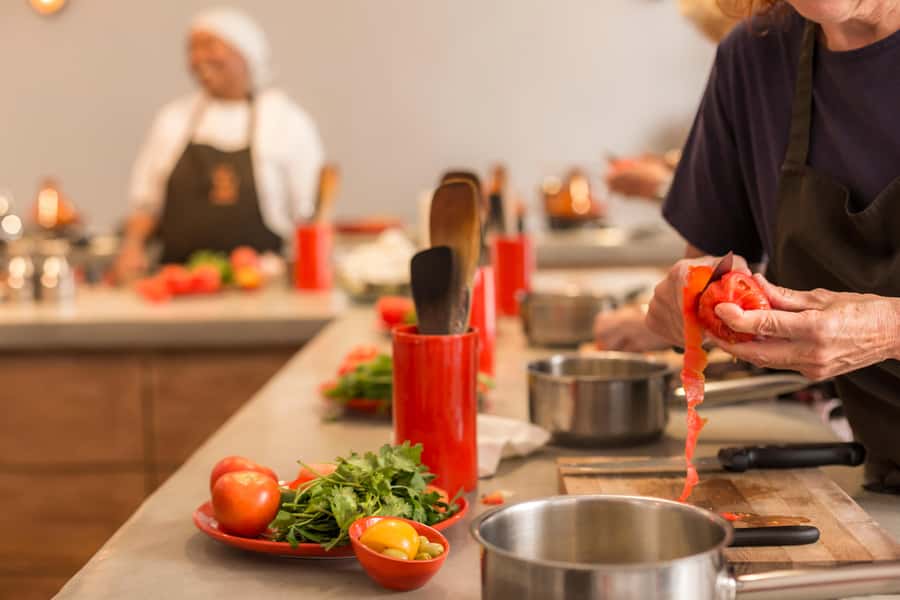
Menus are made fresh using local and seasonal products, and that means you should expect some variation. The workshop also lets you influence what you learn, because you can tell them what you’d prefer. Sometimes the starter may change to make sure the class runs smoothly, which is normal for a small group cooking format.
The dishes can be grouped into starters and mains, and several options are seasonal. That’s a big deal in Morocco, because certain ingredients are tied to the time of year, and fish availability can affect what gets cooked.
Starters you might cook
Common starter options include:
- Zaalouk, cooked eggplant salad
- Tchakchouka, a cooked pepper salad
- Harira, the classic soup
- Courgettes with chermoula
- Briouates
- Grated carrots with chermoula
- Lentils salad
- Bissara, broad bean purée
- Marinated beans salad (winter dish)
- Bakkoula, mallow salad (winter dish)
This is where I think the workshop shines, because many of these dishes teach you foundational flavors. Eggplant and pepper work well for learning oil, spices, and simmering. Soups and purées train you to balance seasoning and texture, not just heat.
More Essaouira coast days:
- From Marrakech: Essaouira & Atlantic Coast Full-Day Trip
★ 4.4 · 1,100 reviews - Essaouira: Surf Lessons
★ 4.9 · 412 reviews - Essaouira Sand Dunes: Half Day Quad Bike Tour
★ 5.0 · 313 reviews - Essaouira Activities: Discover Essaouira by Quad
★ 5.0 · 274 reviews
Main dishes you might cook
Your main course options range from meat and poultry to seafood, with a lot of different Moroccan techniques:
- Beef or lamb tajine with almonds and dates, or caramelized carrots and tomatoes, or fruit-based combinations like apples and quinces, apricots and dry fig, or peas and artichokes (some are autumn or winter options)
- Kefta tajine with eggs
- Chicken tajine with olives and preserved lemons, or caramelised carrots and tomatoes, or raisins and sweet onion
- 7 vegetables and tfaya couscous
- Chicken pastilla
- Chicken seffa with vermicelli
- Seafood options that can depend on catch, like sea bream and vegetables tajine, Souiri tajine with sardine balls, squid tajine, or seafood pastilla
The “seasonal or depends on fishermen catch” note is important. If you’re coming during a time when fish dishes are available, you’ll likely get a strong introduction to how seafood is treated in tagine and pastilla. If not, you’ll still have excellent options, because the meat and vegetable tajines cover the same flavor logic.
The Private Dining Lunch, and What’s Actually Included
Once cooking wraps up, you eat what you made in the workshop’s private dining setup. That part is more than a reward. It’s the moment you can connect the steps to the final result, and you can ask questions while the flavors are fresh in your mind.
The meal comes with all drinks, with one clear limit: alcohol is not included. So you can expect refreshments during the lunch, but plan on bringing your own alcohol plans if that’s part of your routine.
I also like that lunch is included, because Moroccan cooking classes can become pricey if you have to add a full meal on top. Here, you’re paying for instruction, a market-focused ingredient lesson, and lunch together.
What the Small Group Size Changes in Real Life
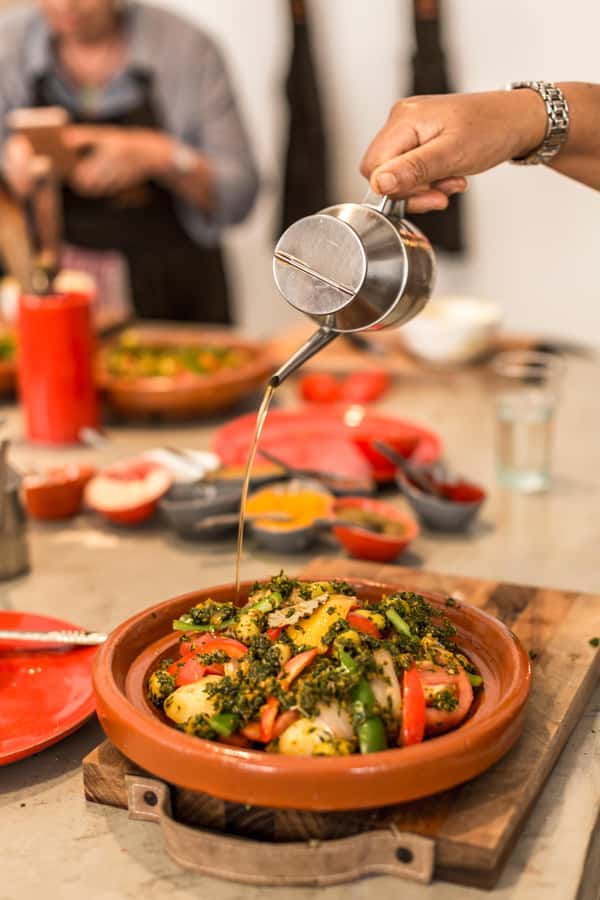
This is capped at 8 participants, and that turns the experience from a casual class into a practical learning session. With that group size, it’s easier for instructors to correct technique, explain timing, and help you avoid common seasoning mistakes.
Language support is also a real factor. The class is taught in English, French, and/or Arabic, so you’re not stuck with one-way communication. That matters most when you’re learning texture and consistency, like how a purée should feel or how a salad should be dressed.
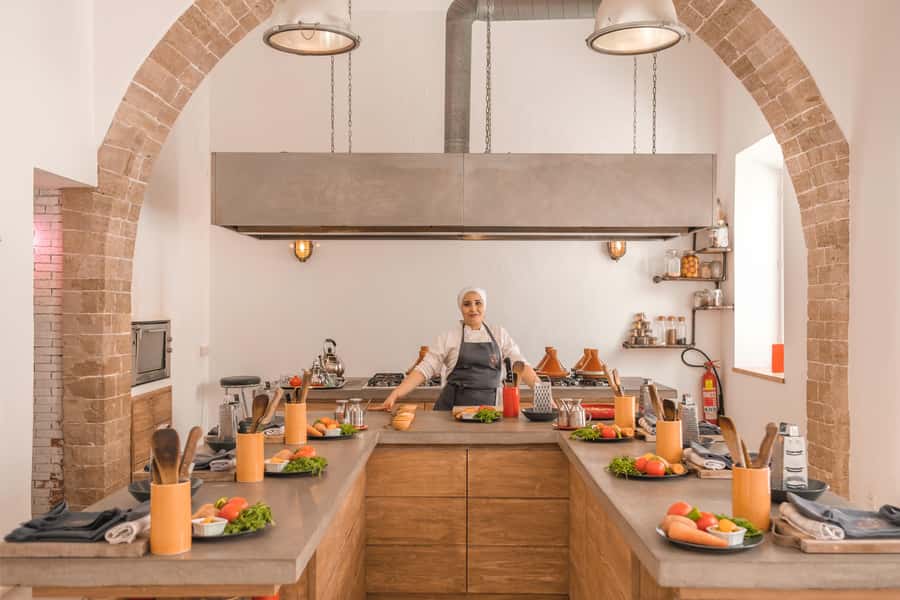
From descriptions of prior classes, the kitchen is set up professionally, and the staff provide what you need to cook, including the equipment to make your own tagines. That translates into a better “I can do this again” feeling when you’re done, not just watching someone else cook.
Price and Value, What 600 dhs Really Buys
The price is listed as 600 dhs per person, which is around $68. It’s not a budget street-food stop, so here’s how I’d judge value.
You’re getting:
- A full cooking course (not just a demo)
- A market tour that’s tied to the spices and aromatics you use
- Lunch in a private dining room
- Drinks included (except alcohol)
- Recipes available online after you return home
- Small-group instruction limited to 8 people
If you were to recreate this on your own, you’d still have to pay for ingredients, time, and a guide to explain what’s worth buying and how to use it. The “recipes online” part is also a quiet bonus, because it helps you translate what you learn into home cooking instead of losing it after the meal.
Practical Tips so You Don’t Waste Your Morning
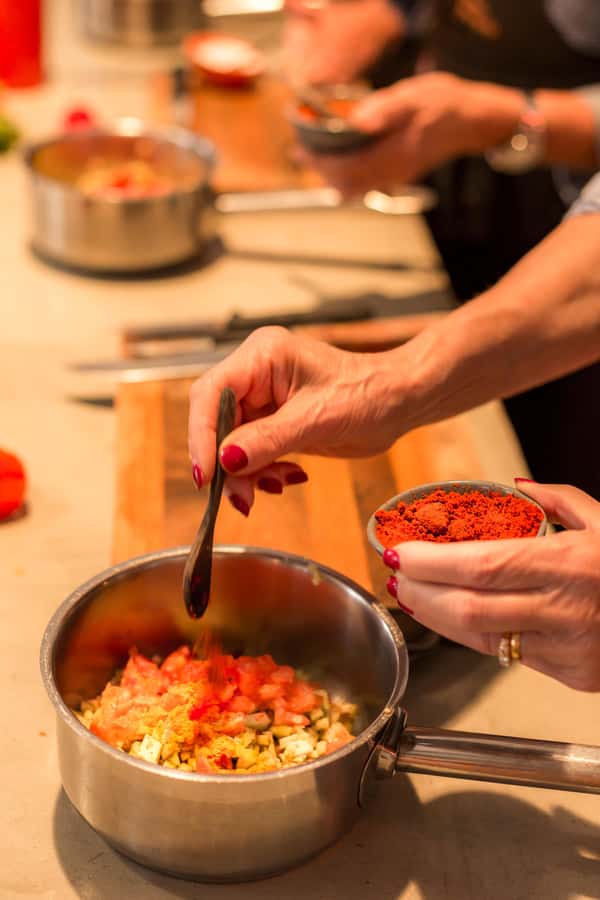
A few things will make your half day smoother:
- Plan your arrival for 10h30 since there’s no hotel pick-up. Being early helps you settle in and get instructions before the cooking starts.
- Wear comfortable shoes for the sou k walk. It’s part of the learning, and you’ll want stability while you’re moving through market streets.
- Think in advance about what sounds best: tagine, couscous, pastilla, soup, or a salad-style starter. The menu can vary, but your preferences help shape what you learn.
- This workshop is not suitable for children under 12. If you’re traveling as a family, that age limit is a clear deciding factor.
You’ll also want to arrive with an open mind about seasonal substitutions. Some dishes are winter specials, and some fish options depend on catch, so the class menu may shift slightly.
Who This Moroccan Cooking Workshop Fits Best
This is a great match if you want more than a meal and you like learning by doing. You should especially consider it if:
- You enjoy Moroccan flavors and want to understand how spices and aromatics connect to the final dish
- You want a small group class where instructors can help you at your station
- You’d like a guided approach to buying or using spices, because you see them during the souk walk
- You want practical recipes you can repeat at home
It’s less ideal if you’re looking for a casual photo walk only. This is cooking first, and the pace assumes you want to participate.
Should You Book L’Atelier Essaouira’s Cooking Workshop?
If you want a hands-on way to learn traditional Moroccan cooking in a small group, I think this is worth booking. The winning combo is the market tour tied to your menu, then cooking in a professional setup, and finally eating in a private dining room with drinks included.
The only serious heads-up is logistics, no hotel pick-up. If you can handle getting yourself there for 10h30, you’ll get a smooth experience built around real technique and real flavors. If you’re flexible on seasonal dishes, you’ll likely come away with a stronger sense of Moroccan cuisine than you’d get from eating a single restaurant meal.
FAQ
How long is the Moroccan cooking workshop?
The course starts at 10h30, lasts around 2.5 to 3 hours, and is followed by lunch, finishing at approximately 15h00.
What is included in the price?
It includes the cooking course, lunch, all drinks (but alcohol is not included), and a market tour.
Does the workshop include a souk or market tour?
Yes. A guided tour of the food and spice market is included.
Is hotel pick-up provided?
No. Hotel pick-up is not included.
How many people are in each class?
The group is small, limited to 8 participants.
What languages are offered?
Instruction is available in English, French, and/or Arabic.
Can I choose which dishes I learn?
Yes. You can share what you would prefer to learn. In some cases the starter may change to ensure the class works.
Are any dishes seasonal?
Yes. Some options are marked as winter dishes or depend on the fishermen catch, so the menu may vary.
Is alcohol included with the drinks?
No. All drinks are included except alcohol.
Is it suitable for children?
It is not suitable for children under 12 years.
FAQ
Can I cancel and get a refund?
Yes. Free cancellation is available up to 24 hours in advance for a full refund.
Do I need to pay immediately to reserve?
You can reserve now and pay later, keeping your travel plans flexible.
Where does this activity take place?
It is located in Morocco, in the Marrakesh-Safi region, with the provider listed as l’Atelier Essaouira.
How can I use what I learn at home?
The workshop provides access to recipes on their website so you can find them again after your trip.
Cooking Classes in Essaouira
- Traditional Moroccan and Berber cooking classes
★ 5.0 · 40 reviews - Marrakech: Moroccan Cooking Class with Pickup
★ 4.6 · 1,862 reviews - Marrakech: Traditional Moroccan Cooking Class & Market Visit
★ 4.8 · 1,861 reviews - Marrakesh: Moroccan Dishes Cooking Class with a Local Chef
★ 5.0 · 1,615 reviews
Latest additions near Essaouira
- Essaouira: Moroccan pastry workshop★ 5.0 · 19 reviews
- Essaouira: Private City Tour★ 4.5 · 125 reviews
- Essaouira: One Hour Dromedary Ride★ 4.7 · 117 reviews
- Essaouira: Half-Day Old Town Guided Tour★ 5.0 · 9 reviews
- Essaouira: Full-Day Horse Riding Tour with Lunch★ 5.0 · 10 reviews
- Essaouira: HOW TO BE A REAL MOROCCAN CHEF★ 4.9 · 154 reviews
- Essaouira Day Trip from Marrakech _ medina, old port★ 4.8 · 66 reviews
- Essaouira: Area Highlights Guided E-Bike Tour★ 4.9 · 39 reviews
Essaouira Coast Day Trips, compared.
From Marrakech To Essaouira Mogador Full Day Trip | Small-group
Read our review →

Browse the lists this tour appears in