
Reviewed · MOROCCAN COOKING CLASSES
Traditional Moroccan and Berber cooking classes
Cooking here turns a meal into a lesson you can taste. In Essaouira, this 3-hour Moroccan and Berber cooking class starts with mint tea and Moroccan cakes and quickly moves into the real work, spices, and techniques behind tagine, couscous, pastilla, and salads. I like that the teaching is practical, so you are not just watching.
Two things I particularly like are the hands-on prep and the care given to cleanliness and hygiene throughout. One drawback to consider: private transportation is not included, so you will need to handle your own ride to the meeting point near public transport.
In This Review
- Key highlights to know before you go
- Essaouira, Morocco, and why this class feels different
- Getting there, what the meeting point means, and the private setup
- Moroccan welcome: mint tea and Moroccan cakes
- Spices and condiments: ras el hanout, saffron, preserved lemon, and friends
- Choosing your main dishes: tagine, couscous, pastilla, and Moroccan salads
- Tagine-style cooking and seasoning
- Steamed couscous
- Pastilla and the crisp-sweet balance
- Moroccan salads you actually prepare
- Hands-on workflow, and why it matters more than the menu
- Eating together: sit down, taste what you made, and talk it through
- Price and value: is $58.31 per person worth it?
- Who this cooking class suits best (and who might want another option)
- Practical tips to get the most from the class
- Should you book this cooking class in Essaouira?
- FAQ
- How long is the Moroccan and Berber cooking class in Essaouira?
- Where does the class start and end?
- What does the class cost per person?
- What is included in the experience?
- What is not included?
- Is this class private or shared?
- What languages does the instructor speak?
- Can I cancel for a full refund?
- What happens if the class is canceled due to weather?
Key highlights to know before you go
- Mint tea and Moroccan cakes first: you learn the day’s flow, starting with a traditional welcome.
- Spice education you can use: from ras el hanout to preserved lemon, with clear roles in Moroccan cooking.
- Cook the classics by hand: cutting, seasoning, simmering, steaming, and crisping techniques.
- Salads count here: you do real Moroccan salad prep, not just sides on the plate.
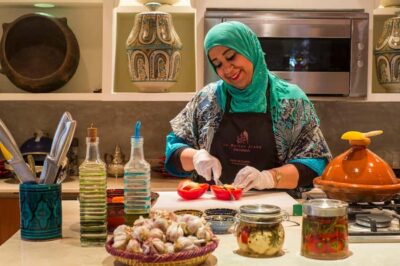
- Private, home-style setting: only your group participates, with a warm host like Khadija.
- You leave with recipe cards: plus a final discussion to help you repeat it later.
Essaouira, Morocco, and why this class feels different
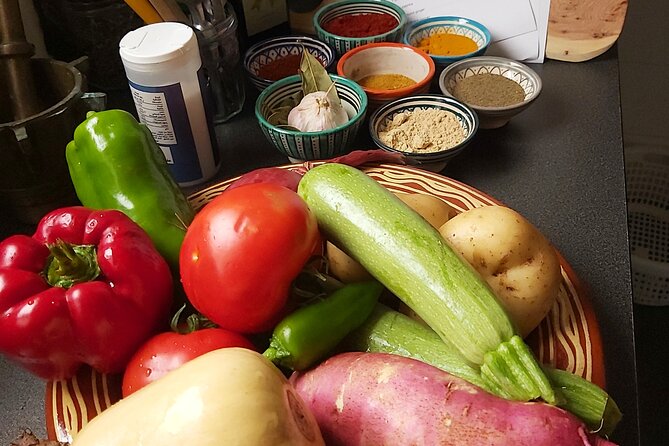
Essaouira has a slower pace than the bigger Moroccan cities, and that matters for a cooking class. You get a chance to focus on the smells, the rhythm of the kitchen, and the small steps that make Moroccan food so layered. This experience is built around a Moroccan home atmosphere, not a show kitchen, which makes it easier to ask questions and actually remember what you did.
You will also get language support. The host is fluent in French, English, Arabic, and Berber, so explanations have room to land clearly, especially when spices and technique matter. The class runs about 3 hours, long enough to cook, eat what you made, and take notes via recipe cards after.
More Cooking Classes in Essaouira
- l’Atelier – Moroccan Cooking Workshop in Essaouira
★ 5.0 · 110 reviews - Traditional Moroccan Cooking Class
★ 5.0 · 81 reviews - Essaouira: Traditional Family Style Moroccan Cooking Class
★ 5.0 · 58 reviews
Getting there, what the meeting point means, and the private setup
The class starts at 21 Av. Princesse Lalla Amina, Essaouira 44000, Morocco. It also ends back at the same meeting point, so you are not dealing with an awkward end somewhere else.
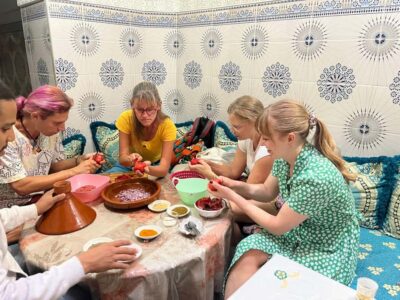
It’s a private tour/activity, meaning only your group participates. That is a big deal for cooking. You can pace yourself, ask for clarification while chopping or seasoning, and you are not squeezed into a crowded shared session. If you like more conversation than performance, this format tends to fit.
Two practical details: you’ll get a mobile ticket, and you’ll likely find the meeting area manageable via public transport since it’s described as near public transportation. Still, private transportation is not included, so plan your own route in advance.
Moroccan welcome: mint tea and Moroccan cakes
The class kicks off in a Moroccan setting, then you settle in with Moroccan cakes and mint tea. This is not a random snack moment. You learn the secrets of preparing the mint tea, and that sets the tone for what follows. Mint tea is a signature of Moroccan hospitality, and learning the basics helps you understand why it tastes the way it does, not just that it tastes good.
The Moroccan cakes served up at the start are part of the welcome ritual, and the experience keeps the energy friendly and calm. If you are the type who likes food with context, this first step is where you start building it.
Spices and condiments: ras el hanout, saffron, preserved lemon, and friends
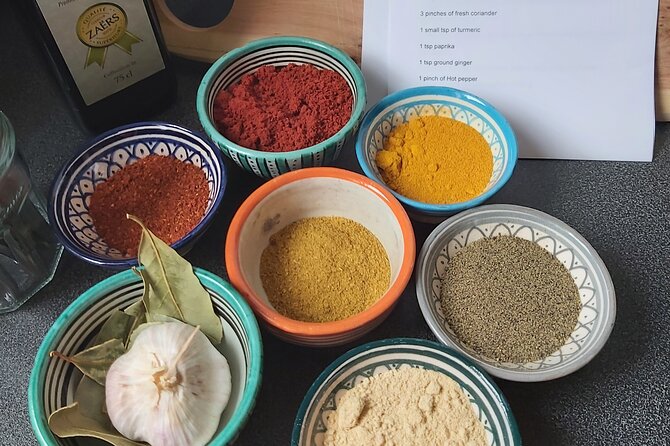
Once you are settled, you get an introduction to recipes and spices. This is where the class becomes useful after you go home, because Morocco’s flavors come from blending and timing. You are shown traditional spices and condiments and explained their role in Moroccan cuisine.
You may hear about combinations and functions like:
- ras el hanout (often associated with warm spice complexity)
- cumin
- saffron
- cinnamon
- preserved lemon
- olives
Even if you are not an avid cook, you will likely find this part clicks. Why? Because you learn what these ingredients do, not just their names. For example, preserved lemon is not just lemon flavor, it brings a salty, fragrant punch that changes stews and tagines. Olives add depth and savoriness that feels Moroccan in a way you can recognize later.
Within striking distance:
- From Marrakech: Essaouira & Atlantic Coast Full-Day Trip
★ 4.4 · 1,100 reviews - Big dunes and atlantic coast tour 2 HOURS
★ 5.0 · 439 reviews - Essaouira: Surf Lessons
★ 4.9 · 412 reviews - 3 hours ride on camel at sunset
★ 5.0 · 326 reviews
Choosing your main dishes: tagine, couscous, pastilla, and Moroccan salads
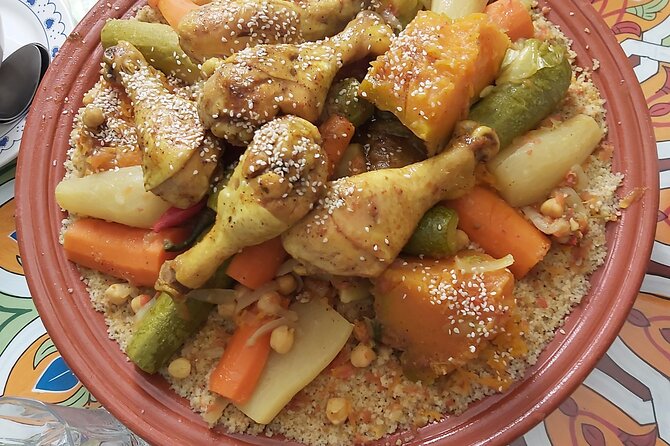
The class focuses on a set of chosen recipes, typically including some combination of tagine, couscous, pastilla, and Moroccan salads. The specific day’s picks shape what you cook, but the structure is consistent: you get introduced, you practice key techniques, and then you eat together.
Here is what you can expect to cook and learn:
Tagine-style cooking and seasoning
Tagine preparation usually involves simmering, where flavor develops over time. You get involved in cutting ingredients and seasoning them. Then you learn the cooking technique tied to the dish, not just the final result.
Steamed couscous
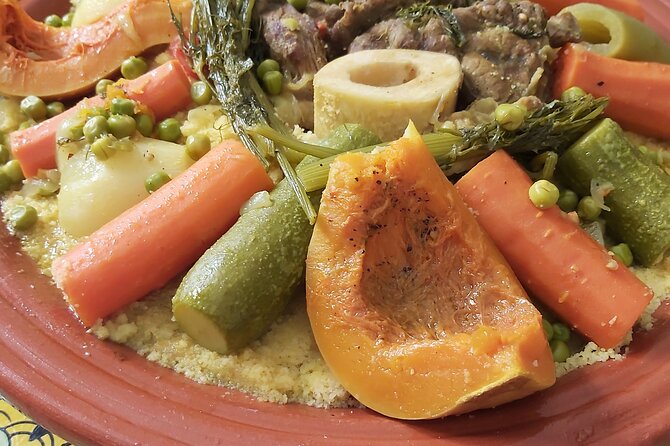
For couscous, you focus on steamed texture and even cooking. Again, you get hands-on during the main course stages, and the emphasis stays on technique so you can understand how couscous should feel and why.
Pastilla and the crisp-sweet balance
Pastilla is known for its contrast, and the class approach reflects that. You learn crispy pastilla techniques, so the crust does not turn into something soggy. If you have only ever had pastilla from a restaurant, this can be the part that surprises you most, because texture is everything here.
Moroccan salads you actually prepare
You also prepare Moroccan salads, including classics like:
- carrot salad with chermoula
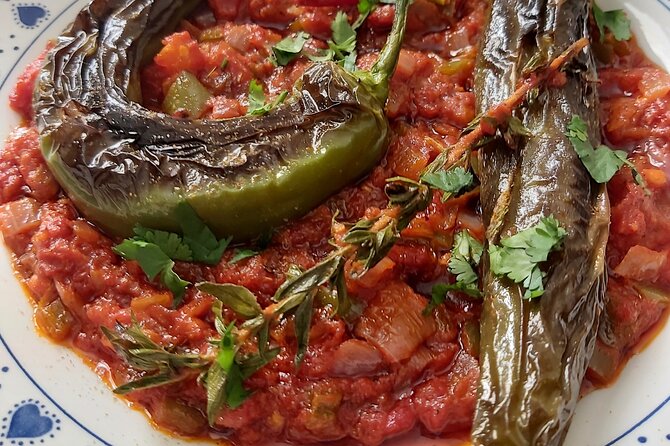
- aubergine zaalouk
- taktouka
These are not filler. Salads like zaalouk and taktouka help round out the meal and show another side of Moroccan cooking, the punchy, herb-forward side that balances heavier dishes. You get active prep time, so you are not just watching someone else spoon food into a bowl.
Hands-on workflow, and why it matters more than the menu
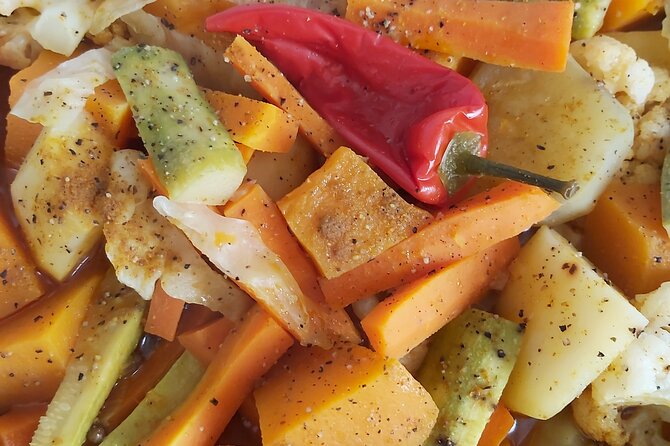
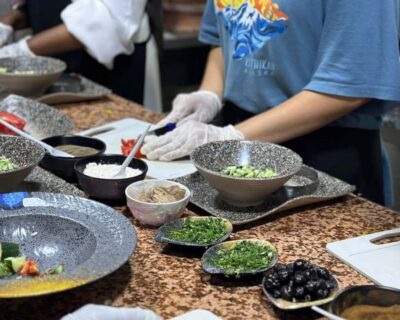
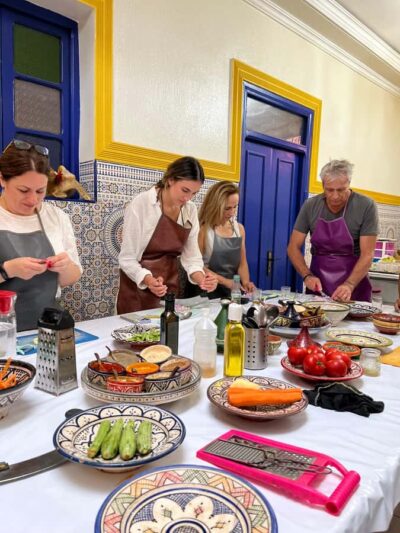
A cooking class can be passive or active. This one is built to be active. You get involved in every stage of preparation, from cutting up ingredients to seasoning, then moving into the specific cooking method for the dish. That means you learn by doing, which is the only way those spice combos and technique choices stick.
You also get small tasting moments along the way, starting with mint tea or spiced coffee and small Moroccan cakes and snacks. Bottled water is included. Those breaks keep things comfortable and let you focus without feeling rushed.
Cleanliness and hygiene are specifically called out as a priority during the class. That affects the whole experience. When a kitchen feels tidy and handled with care, you can relax and concentrate on the food instead of second-guessing the setup.
Eating together: sit down, taste what you made, and talk it through
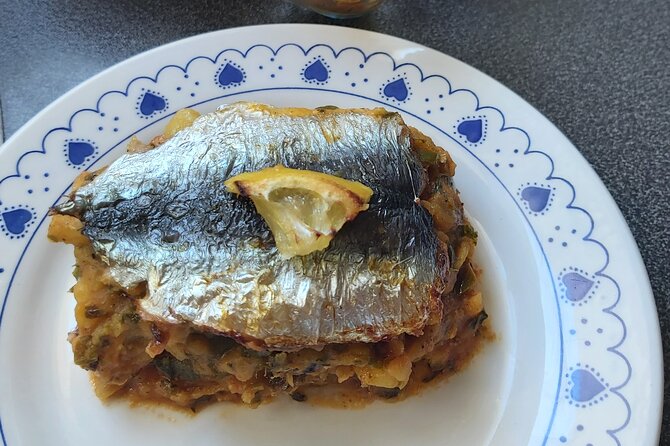
After cooking, you sit down and enjoy the dish you have prepared together. This is where you get the pay-off. You see how the spice work, simmering, steaming, and crisping came together on the plate.
Then the course ends with distribution of recipe cards and a final discussion. That part matters for real-world use. Morocco’s flavors can feel intimidating at first, but having the recipe cards in a usable format helps you repeat the results at home without guessing.
If you like conversation, this class tends to be warm and talk-friendly. One person’s experience highlighted long discussions around the table after cooking, and that matches the vibe of a home setting where you are not just treated like a customer.
Price and value: is $58.31 per person worth it?
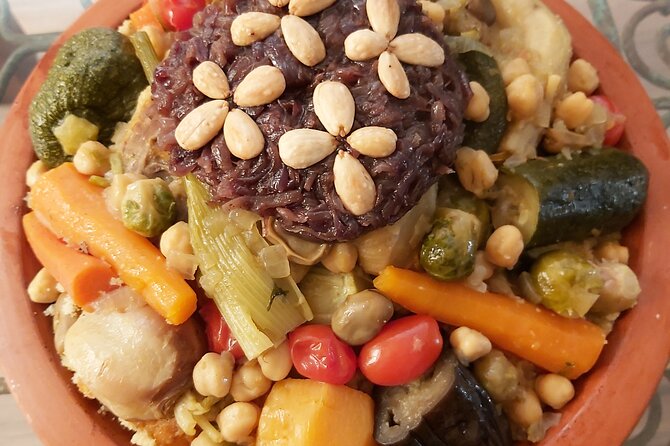
At $58.31 per person for about 3 hours in Essaouira, the question is value. Here’s how I size it up.
You are paying for:
- hands-on cooking across main dishes and salads
- instruction in recipes and spices, including roles of key Moroccan ingredients
- mint tea or spiced coffee tasting, plus small Moroccan cakes and snacks
- bottled water
- recipe cards to take home
- a private group format, meaning your time is not split with strangers
The included food and drinks are not just a token. You start with a Moroccan welcome, then you cook and eat the meal. You also get to learn techniques that are hard to replicate from a video, especially crisping and simmering rhythms.
The one thing that can change your overall cost is transportation, since private transportation is not included. If you already have a way there, the price feels more straightforward. If you need a costly taxi, your total outlay rises a bit. Still, for a focused 3-hour food experience with a private group and recipe takeaways, it compares well to many food experiences that give you less teaching and fewer take-home materials.
Who this cooking class suits best (and who might want another option)
This class is a good match if you want:
- hands-on cooking rather than watching
- a Moroccan and Berber food focus with spice explanations
- a private setting where you can ask questions in French, English, Arabic, or Berber
- recipe cards you can actually use later
It also suits couples, friends, and small groups who like structured activities that still feel personal.
You might think twice if you expect a fast, high-energy, nightlife-style outing. This is a food-and-culture class with a slow, kitchen-focused pace. Also, since good weather is required, you may need flexibility if conditions are poor, since the experience notes weather dependency and provides options if it’s canceled.
Practical tips to get the most from the class
You’ll get the best results if you treat this like a cooking workshop, not just a meal.
- Bring a curiosity mindset when it comes to spices. Ask how preserved lemon and spices shift the flavor, not just what they are.
- Wear comfortable clothes. You’ll be doing cutting and preparation steps.
- Pay attention during technique time. The class covers simmered tajine, steamed couscous, and crispy pastilla, and those are the parts that are easiest to mess up later.
- If you have food preferences, share them. One experience noted that food wishes were taken into account, which suggests your input is welcome.
Should you book this cooking class in Essaouira?
Yes, I think you should book it if you want a real Moroccan cooking lesson, not a quick tasting. The combination of mint tea welcome, spice education, hands-on cooking, and recipe cards is a solid value for the time. The private setup also makes it feel comfortable, especially in a home setting with a host like Khadija who is described as welcoming and warm.
If you are short on time or you rely on private transport to reach places, price and logistics may feel a bit tighter. But if you can get to 21 Av. Princesse Lalla Amina and you want to leave with skills you can repeat, this is one of the most practical ways to experience Essaouira food culture.
FAQ
How long is the Moroccan and Berber cooking class in Essaouira?
It lasts about 3 hours.
Where does the class start and end?
It starts at 21 Av. Princesse Lalla Amina, Essaouira 44000, Morocco, and ends back at the same meeting point.
What does the class cost per person?
The price is $58.31 per person.
What is included in the experience?
Coffee and/or tea tasting (including mint tea or spiced coffee), bottled water, snacks, and small Moroccan cakes.
What is not included?
Private transportation is not included.
Is this class private or shared?
It is a private tour/activity, and only your group participates.
What languages does the instructor speak?
The instructor is fluent in French, English, Arabic, and Berber.
Can I cancel for a full refund?
Yes. You can cancel up to 24 hours in advance for a full refund.
What happens if the class is canceled due to weather?
If it’s canceled due to poor weather, you’ll be offered a different date or a full refund.
Latest additions near Essaouira
- Group Kitesurfing lesson with a Local in Essaouira Morocco★ 5.0 · 175 reviews
- Private Kitesurf Lesson in Essaouira Morocco★ 5.0 · 38 reviews
- Your Own Morocco Essaouira Walking Tour★ 5.0 · 13 reviews
- Essaouira Beach Horse Rides &Treks for All Levels★ 5.0 · 13 reviews
- Individual Lessons of Kite Surf in Essaouira★ 5.0 · 113 reviews
- How To Be A Real Moroccan Chef★ 5.0 · 101 reviews
- Essaouira Surf Lesson: Energize Your Ride★ 5.0 · 11 reviews
- Surf Rental★ 5.0 · 31 reviews
Moroccan Cooking Classes, compared.
Traditional Moroccan Cooking Class & Market Visit
Read our review →
Moroccan Dishes Cooking Class with a Local Chef
Read our review →
Moroccan Cooking Class & Marrakech Market Visit with Chef Khmisa
Read our review →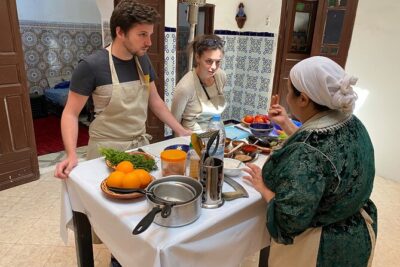
Half-Day Cooking Class with Local Chef Laila in Marrakech
Read our review →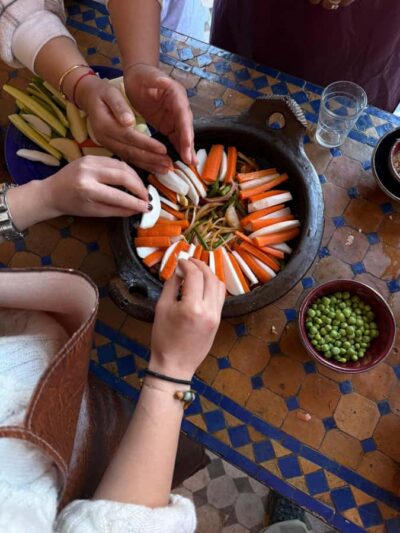
Browse the lists this tour appears in