Reviewed · MEDINA & SOUK WALKING TOURS
Berber Cooking Class at a Farm in the Countryside & shopping at a rural Souk.
Tagine tastes better with dirt under your nails. Out in the Haha region, you get hands-on cooking that starts with real ingredients and finishes with a calm farm lunch. I especially loved the fire-to-stone-mill barley work and the way your meal flows into fresh garden-herb tea outside when the weather cooperates.
There is one trade-off to think about: this is a good-weather day, and part of the experience depends on being able to eat outdoors.
In This Review
- Key highlights worth planning for
- Why this Berber farm day beats a city cooking class
- Getting there from Essaouira and starting at the meeting point
- The rural souk stop: where your tagine starts
- The ecological Berber farm kitchen: traditional tools, real workflow
- From barley to bread: what the clay oven actually teaches
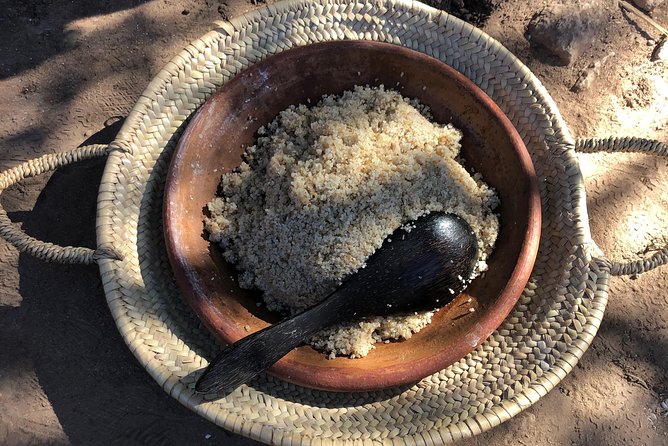
- Couscous in the clay pot: steamed, not rushed
- Tagine time: vegetables, goat meat, spices, and farm olive oil
- Lunch outside and herb tea: the calm part people remember
- Optional argan co-op visit and the goats in the trees
- Price and value: what $98.76 buys on this 7-hour day
- Who should book this, and who might prefer something else
- What to do to get the most from your day
- Should you book this Berber cooking class near Essaouira?
- FAQ
- What time does the Berber cooking class start in Essaouira?
- Where is the meeting point and where do we return?
- How far is the farm from Essaouira?
- What do we do before cooking?
- What do you cook and what techniques are included?
- Do we eat lunch, and is it outside?
- Is there an optional argan oil stop?
- How many people are in the group?
- What is the cancellation policy?
- What if the weather is bad?
Key highlights worth planning for
- Roasted barley, then ground on a stone mill to make the flour and semolina for flat bread and couscous
- Clay oven flat bread plus clay pot steamed couscous, cooked the traditional way
- Vegetable and goat meat tagine built with Moroccan spices and olive oil from the farm
- Rural souk shopping for staples like fruit, veg, meat, eggs, honey, the real building blocks
- Optional argan co-op visit with production know-how and tastings
- Very likely goats in the trees on the south-of-Essaouira drive
Why this Berber farm day beats a city cooking class
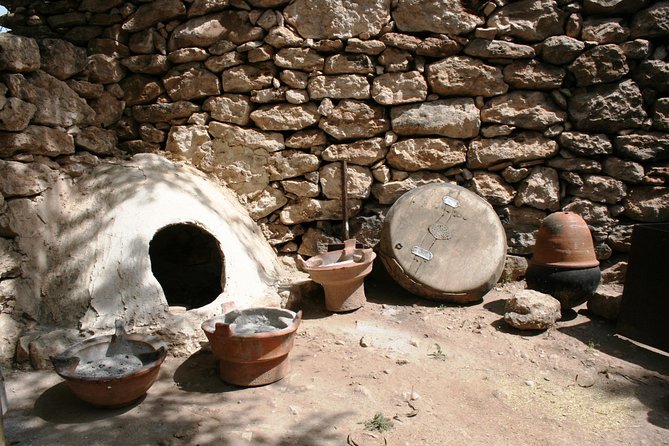
If you like cooking classes, you already know the usual pattern: a tidy kitchen, a quick demo, then everyone eats something that feels a bit staged. This one is different because it’s rooted in daily Berber life in the Haha hills, where crops grow and animals roam, especially goats and sheep.
You start by buying what you’ll cook, not by being handed ingredients that came from a supermarket truck. That simple change makes the class feel purposeful. And because the farm kitchen uses traditional tools and methods, you’re not just learning recipes, you’re learning technique, the kind you can still picture later when you’re trying to explain why a tagine tasted the way it did.
The tone also feels friendly and practical. One German-speaking group guide, Nicole, was mentioned in a past review, and the vibe was very much like cooking with people who actually live this way. That matches what the format suggests: small group size (max 8), time to ask questions, and a slow enough pace to keep things fun.
More Cooking Classes in Essaouira
- l’Atelier – Moroccan Cooking Workshop in Essaouira
★ 5.0 · 110 reviews - Traditional Moroccan Cooking Class
★ 5.0 · 81 reviews - Essaouira: Traditional Family Style Moroccan Cooking Class
★ 5.0 · 58 reviews
Getting there from Essaouira and starting at the meeting point
You’ll meet at Labo Abdelkrim Khatabi d’Analyses Médicales in Essaouira at 9:00 am, and the activity ends back at that same meeting point. Plan for a full half-day to most of your day, since the experience runs about 7 hours.
It’s worth keeping in mind the geography. The farm and the Haha-region countryside are about 35 km south of Essaouira. That travel time matters because it shapes the day’s rhythm: you’re out of town early, you’re learning and cooking on the ground, and you’re likely back before evening plans.
You’ll also be driving through the argan zone on the way. That’s relevant because it explains why the tour may include an argan cooperative stop, and why you might see the landscape change as you head away from the coast.
The rural souk stop: where your tagine starts
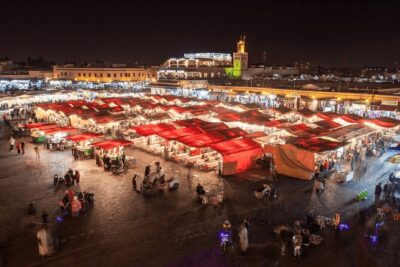
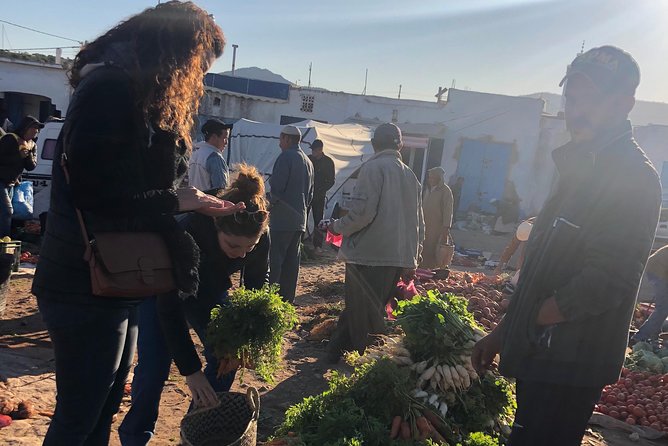
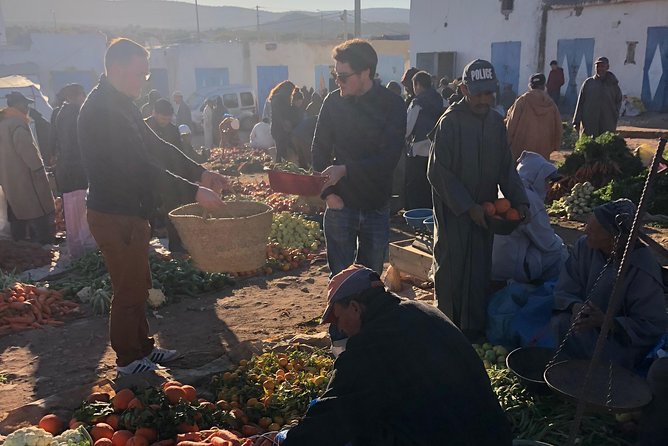
A big part of the value here is the souk. You visit a local rural market where you can pick up the essentials for your cooking class. The items listed include freshly harvested fruit and vegetables plus staples like meat, eggs, and honey.
Why this is more than a photo stop: markets teach you how Moroccan cooking thinks. Dishes are built from what’s seasonal, what’s local, and what’s common in daily meals. When you watch the shopping process and then return to cook with those ingredients, everything feels linked. Even if you’re not buying yourself, you’re seeing how people actually source food around Essaouira.
Practical note: markets can move fast and be dusty. Wear comfortable shoes and expect to stand for short stretches while you take in what’s available. It’s not a museum. It’s a working place.
The ecological Berber farm kitchen: traditional tools, real workflow
The cooking happens on an ecological farm centered on an authentic Berber kitchen. That matters because you’re learning with traditional prep methods, not just modern shortcuts.
Your main instructors are Khadija and Khadija, both local women who guide the key early steps. The class begins with what feels like the backbone of the meal: roasting barley grains on the fire, then grinding them in a stone mill to create flour and semolina. That shift from grain to usable cooking material is not a gimmick. It’s the stage where taste and texture start forming.
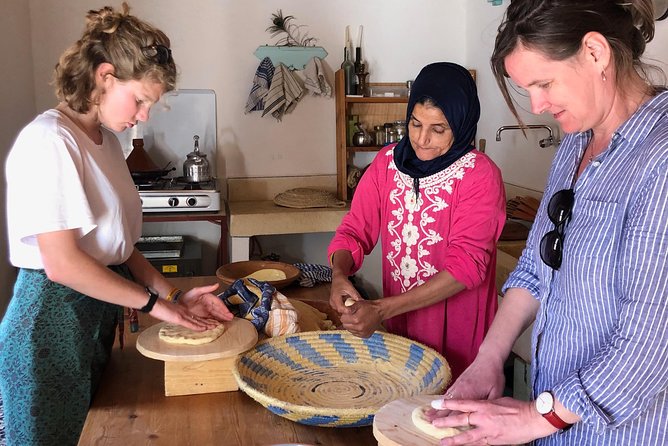
Then you move into the baking and steaming. You’ll bake flat bread in a clay oven and steam couscous in a traditional clay pot. Those aren’t interchangeable methods. Clay oven bread behaves differently than a modern oven, and couscous steam in a clay pot has its own rhythm.
I like this approach because it gives you a “why” to remember, not just a “what” to write down. When you see the process in steps, the recipe makes sense later, even if you’re cooking at home.
More medina walks in Essaouira:
- Essaouira: Sqala du Port, Medina Ramparts & Fish Market Tour
★ 4.7 · 212 reviews - Essaouira: Sqala du Port, Citadel, Fish Market & Medina Tour
★ 4.6 · 73 reviews - Essaouira Day Trip from Marrakech _ medina, old port
★ 4.8 · 66 reviews - Marrakech: Bahia Palace, Saadian Tombs, Souk and Medina Tour
★ 4.7 · 4,974 reviews
From barley to bread: what the clay oven actually teaches
Flat bread might sound simple until you watch how it’s made. Here, the dough and baking process connect to the barley work earlier. Roasting grains and grinding them into semolina and flour affects how you work with the dough and how the bread turns out.
The clay oven adds another layer of understanding. It’s not just a cooking surface, it’s a method that changes heat behavior. You can feel that difference while baking, and you’ll notice how the bread develops during the time it spends in the oven.
For you, the practical upside is confidence. If you’ve ever made bread and wondered where it went wrong, a class like this gives you more “control points” to think about. You’ll remember the workflow: grain prep first, then dough, then bake. That order sticks.
Couscous in the clay pot: steamed, not rushed
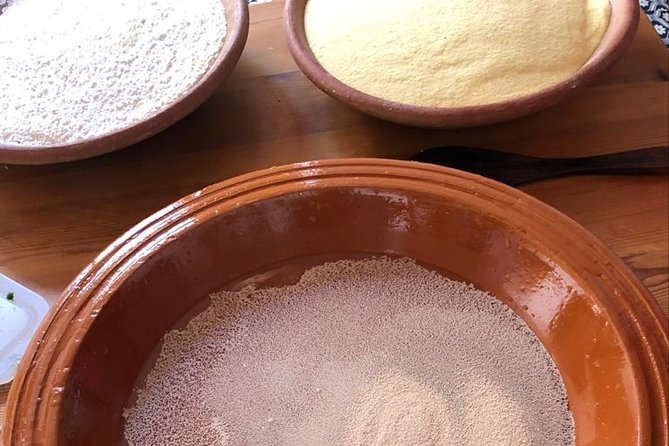
Couscous can be fussy if you try to rush it or steam it the wrong way. In this class, couscous is steamed in a traditional clay pot, which is the kind of detail that usually gets skipped in tourist-friendly cooking demos.
This is one of the most hands-on parts of the day. You’ll understand that steaming is about timing and controlled heat, not about boiling fast and hoping for the best. When you see the steaming method tied to the earlier semolina prep, you understand the logic of the whole meal.
If you like learning technique, this is where you’ll feel most rewarded. It’s also a good match if you cook at home and want more than a recipe card.
Tagine time: vegetables, goat meat, spices, and farm olive oil
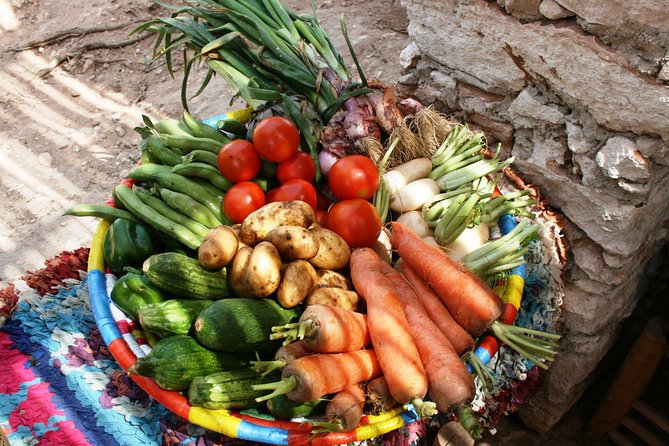
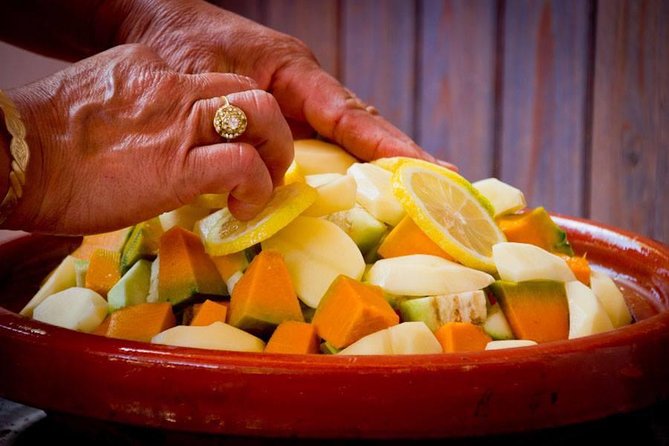
The main dish you learn is a traditional tagine of vegetables and goat meat, flavored with Moroccan spices and olive oil. The olive oil is noted as coming from olive trees growing on the farm, which gives you a direct sense of origin.
Tagine is one of those dishes where people often focus on the final presentation. Here, the class teaches it as a build: vegetables plus goat, spices layered in, olive oil added intentionally. Since you’re doing it in a farm kitchen, you’re also more likely to notice the sounds, smells, and pace of the cooking.
A quick reality check though: tagines can be forgiving and also specific. If you tend to cook by exact timing at home, you’ll want to watch closely during the cooking steps so you can translate the feel of the day into your kitchen. The class format gives you that chance.
Lunch outside and herb tea: the calm part people remember
Depending on the weather, lunch is served outside if possible. That detail matters more than you might think. Eating outdoors changes the whole tempo of the meal, and a farm setting helps your day feel grounded instead of rushed.
You’ll then enjoy tea infused with fresh herbs from the garden. That’s a great finish because it connects back to the land. It’s not just a sweet or a caffeine hit. It’s a “this is what grows here” moment.
Bring your senses to this part. Notice how the herb tea smells compared to dried tea you might buy at home. Even if you can’t recreate it perfectly later, it helps you remember what “fresh” really means in flavor.
Optional argan co-op visit and the goats in the trees
As you drive through the argan zone, you have an option to visit an argan oil cooperative. The stop is framed as a chance to learn about production of argan oil, plus you’ll be offered a taste of the products made with it.
That’s the practical value for you: you get a story you can verify with your own eyes, not just a bottle description. Even short cooperative visits can clarify why argan oil is treated as special in the region. You’ll also know what you’re tasting, which makes purchases easier if you decide to buy.
One more detail that’s very likely: you’ll see the famous goats in the trees on this drive south of Essaouira. This is one of those cultural-environment quirks that’s hard to fake. It helps you remember the region as an ecosystem, not just a destination.
Price and value: what $98.76 buys on this 7-hour day
At $98.76 per person for about 7 hours, you’re paying for more than a recipe. You’re paying for:
- a sou k shopping component (so ingredient selection is part of the class)
- hands-on cooking with traditional tools (stone mill, clay oven, clay pot)
- an all-in farm meal with herb tea
- small group time, since the tour caps at 8 travelers
This price also makes sense if you compare what cooking classes cost when they skip the sourcing and the traditional prep steps. Here, you’re doing the process from barley to bread to couscous to tagine.
Also, this tour averages being booked around 55 days in advance, which is often a sign that people like the format. You don’t want to wait until the last minute in a place where daily schedules and farm conditions can affect availability.
If you’re the type who likes to spend your travel money on skills plus a meal, this is a strong value. If you only care about eating and not about learning methods, you might feel the day is slightly long. But the cooking is the point, so plan accordingly.
Who should book this, and who might prefer something else
This tour is a good fit if you:
- want a hands-on Berber cooking experience with real steps
- like food experiences that start with a sou k and end with a meal on the farm
- enjoy small groups and a calmer countryside pace
- care about origins, like farm olive oil and herb tea
You might consider a different option if you:
- get stressed in outdoor settings where weather affects whether lunch happens outside
- prefer super short activities, since this is a 7-hour half-day commitment
- don’t enjoy cooking at all, because this is built around doing the work, not just watching
What to do to get the most from your day
You’ll have the best experience if you show up ready to participate. Wear shoes you can stand in and walk on. Dress in layers, since coastal Morocco can feel cool in the morning and warm later. Bring a small water bottle if you run hot, though the day’s schedule around tea and lunch can keep you comfortable.
When you’re at the stone mill and clay oven stages, slow down mentally. Ask questions about texture, timing, and how they know it’s ready. Those are the details that turn into memories and better results at home.
Should you book this Berber cooking class near Essaouira?
Yes, if you want a food day that feels grounded in place. The combination of rural souk shopping, Berber kitchen technique, and a farm meal with herb tea makes this more than a quick cooking performance. With a max group size of 8 travelers and cooking methods like the stone mill, clay oven, and clay pot, you’re set up to learn real fundamentals.
If your schedule is tight or you know you get uncomfortable with outdoor plans when weather changes, treat the weather dependency seriously. But if you’re flexible and you love learning how dishes are built, this is exactly the kind of experience that makes Morocco feel personal.
FAQ
What time does the Berber cooking class start in Essaouira?
The tour starts at 9:00 am and runs for about 7 hours. It ends back at the same meeting point.
Where is the meeting point and where do we return?
You meet at Labo Abdelkrim Khatabi d’Analyses Médicales in Essaouira, and the activity finishes back at that meeting point.
How far is the farm from Essaouira?
The cooking class takes place in the Haha region about 35 km south of Essaouira.
What do we do before cooking?
You visit a local rural souk to buy key ingredients such as fruit and vegetables, meat, eggs, and honey.
What do you cook and what techniques are included?
You’ll learn to make a tagine with vegetables and goat meat with Moroccan spices and olive oil. The class also includes roasting barley, grinding it in a stone mill, baking flat bread in a clay oven, and steaming couscous in a clay pot.
Do we eat lunch, and is it outside?
Lunch is served depending on the weather, and it may be outside if possible. After lunch, you have tea infused with fresh herbs from the garden.
Is there an optional argan oil stop?
Yes. While driving through the argan zone, you have the option to visit an argan oil cooperative, learn about production, and taste products.
How many people are in the group?
The tour has a maximum of 8 travelers.
What is the cancellation policy?
Cancellation is free up to 24 hours before the experience’s start time for a full refund. If you cancel less than 24 hours before, the amount paid is not refunded.
What if the weather is bad?
This experience requires good weather. If it is canceled due to poor weather, you’ll be offered a different date or a full refund. Service animals are allowed, and most travelers can participate.
More Shopping Tours in Essaouira
- Moroccan Cooking Class & Marrakech Market Visit with Chef Khmisa
★ 5.0 · 1,504 reviews - Marrakesh: Guided Souk Shopping Tour with a Local Guide
★ 4.9 · 651 reviews - Shopping in the Souks of Marrakech Private Tour
★ 5.0 · 620 reviews - Souks Shopping Tours
★ 5.0 · 395 reviews
Cooking Classes in Essaouira
- Traditional Moroccan and Berber cooking classes
★ 5.0 · 40 reviews - Essaouira : Moroccan Cooking Workshop
★ 4.9 · 10 reviews - Marrakech: Moroccan Cooking Class with Pickup
★ 4.6 · 1,862 reviews - Marrakech: Traditional Moroccan Cooking Class & Market Visit
★ 4.8 · 1,861 reviews
Latest additions near Essaouira
- Discovery Tour around Essaouira by Electric Motorcycle★ 5.0 · 76 reviews
- Walk to the cascade and marabout of Sidi Mbark & for a tea to Kaouki★ 5.0 · 14 reviews
- Certified Semi-Private Kitesurfing Initiation in Essaouira★ 5.0 · 57 reviews
- Comesurfing – Learn how to surf★ 5.0 · 10 reviews
- 3h quad bike: Thrills in the beach and dunes★ 5.0 · 44 reviews
- 2h surfing in uncrowded spots★ 5.0 · 45 reviews
- 3 hours Camel Ride in Essaouira with Dinner and Overnight in Berber Camp★ 5.0 · 16 reviews
- 3 hours horse riding in Essaouira, beach, forest and dunes★ 4.5 · 21 reviews
Medina & Souk Walking Tours, compared.
Bahia Palace, Saadian Tombs, Souk and Medina Tour
Read our review →
Ben Youssef, Secret Garden, & Souks Walking Tour
Read our review →
Saadian Tombs & Bahia Palace, Medina Guided Tour
Read our review →
Museum, Al Attarine Madrasa & Tannery and Medina Tour
Read our review →