
Reviewed · MOROCCAN COOKING CLASSES
Join Best Moroccan Cooking Class with Chef Khadija ( Over 35 years Experience )
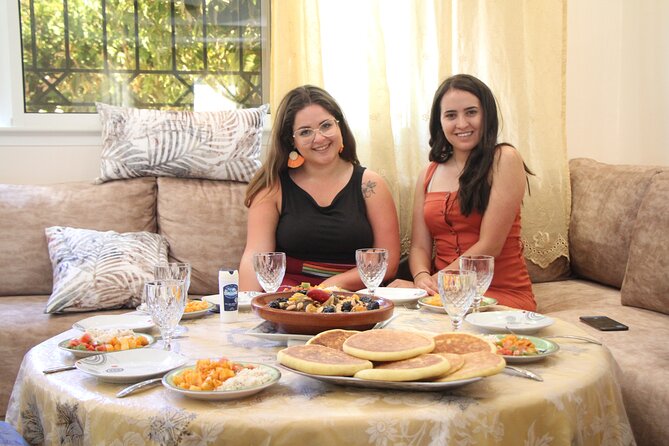
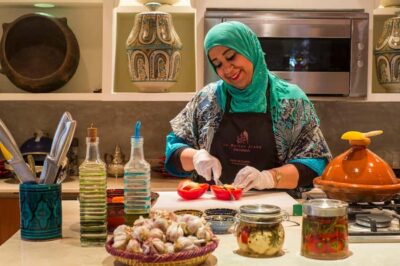
A home-cooked tajine lesson in Rabat feels personal. You get the real Moroccan hospitality setup, starting with traditional sweet green tea and ending with a sit-down meal you helped make in Chef Khadija’s villa kitchen. I especially love the hands-on pace, where you do real prep instead of standing around, and the practical recipe notes that help you recreate the dishes later. One thing to consider, language can be basic if you only speak English, although the class can include strong English support from family members.
This is a small-group class in Agdal Riyad, typically running around 10:30am to about 2pm, with an option starting at 3pm. Expect a true local home setting, plus flexibility for vegetarians and carnivores, and a format that stays friendly even if you go solo or bring family. The experience is priced at $52.34 per person and is usually confirmed at booking with a mobile ticket.
In This Review
- Key reasons this cooking class works in real life
- Entering a Real Rabat Neighborhood, Then Chef Khadija’s Villa Kitchen
- Welcome Tea, Sweets, and the Menu Check Before You Touch Ingredients
- Hands-On Prep: What You Actually Do in the Kitchen
- What You Might Cook: Tagine, Couscous, Pastilla, and Moroccan Breads
- Tea, Sides, and That Moroccan Balance Between Sweet and Savory
- The Most Valuable Souvenir: Step-by-Step Notes You Can Use at Home
- Timing Reality Check: 2.5 Hours on Paper, Around 3.5 to 4 in Practice
- Price and Value: Why $52.34 Can Make Sense in Rabat
- Who Should Book Chef Khadija’s Class, and Who Might Prefer Something Else
- Final Decision: Should You Book This Moroccan Cooking Class in Rabat?
Key reasons this cooking class works in real life
- Mint tea welcome, the sweet green kind that sets the tone right away
- A villa home, not a classroom so the whole feel is local and relaxed
- Diet choices are built in for vegetarian, vegan, and meat lovers
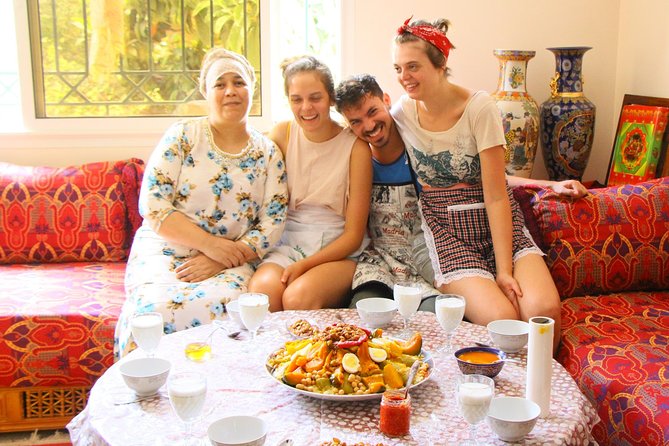
- You cook and then eat together instead of watching for most of the time
- Written step notes you can keep (paper and pen style support)
- Small group size helps you get questions answered and move at a sane pace
Entering a Real Rabat Neighborhood, Then Chef Khadija’s Villa Kitchen
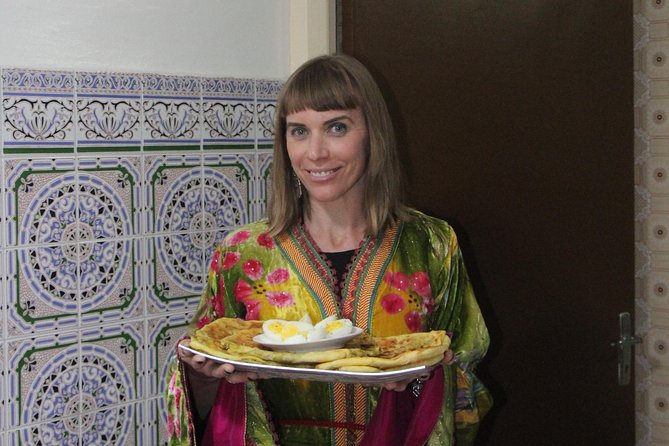
Your day starts in Agdal Riyad, near Mosquée Sheikh Saif cours cuisine on Avenue As Sanaobar (use the provided plus code if you are using a map app). The class meets at that point and then ends back there, so you are not forced into a long maze of pickups.
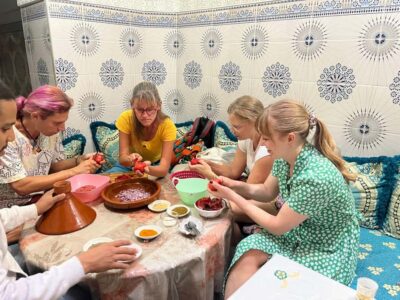
The big practical win here is that this is in a residential setting. The house is described as beautiful and very clean, and people note it is easier to reach by taxi than you might expect. Also, the class is capped small, with a maximum of 6 travelers per booking, which keeps it from turning into a factory line.
Chef Khadija’s class runs every day, with start times at 10:30am or 3pm. If you are trying to fit it around other Rabat plans, I suggest treating it like a true half-day, not a quick two-hour stop.
More cooking classes in Rabat:
- Rabat: Cooking Class in a Family Home
★ 5.0 · 27 reviews - Rabat: Authentic Moroccan Cooking Class with Expert Chefs
★ 5.0 · 17 reviews - Marrakech: Moroccan Cooking Class with Pickup
★ 4.6 · 1,862 reviews
Welcome Tea, Sweets, and the Menu Check Before You Touch Ingredients
When you arrive, you get a warm welcome with traditional Moroccan tea and sweets. The tea that comes up again and again is Moroccan sweet green tea, the kind that tastes like it belongs to someone’s family ritual, not a tourist café.
Then the next step matters: you discuss what you are about to cook. The menu can be customized for vegetarian and vegan diets, or for carnivore preferences. In practice, that means you are not stuck with one rigid dish. You still get the Moroccan feast experience, but you can make it match what you eat.
This “talk first, cook second” approach is also how you avoid the common cooking-class problem where you feel lost. Here, you know the plan early enough to focus on technique instead of guessing what is coming next.
Hands-On Prep: What You Actually Do in the Kitchen
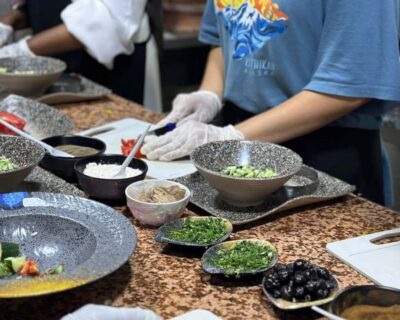
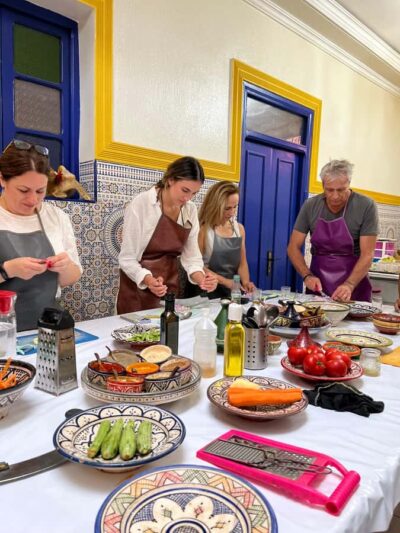
After the welcome and menu talk, you move into the kitchen and start prep. The exact tasks depend on the day’s menu, but you should expect real participation: cutting, mixing, prepping vegetables, assembling components, and getting guidance step-by-step.
One of the reasons this class gets strong marks is the organization and sense of humor described in the experience. That matters because Moroccan cooking has multiple steps and timing, not just one-pan magic. When the chef keeps things clear and upbeat, you can follow along even if you do not speak much Arabic or French.
You can also take pictures and videos during the class. That is useful because some of the “how” details are visual, like the way ingredients get layered or shaped. And if you want to recreate the dishes later, photos plus the written steps make a huge difference.
What You Might Cook: Tagine, Couscous, Pastilla, and Moroccan Breads
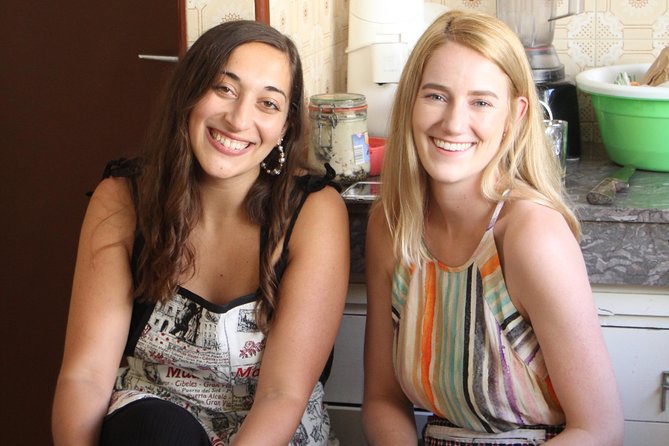
Moroccan cooking is famous for its show-stoppers, and this class leans into that. Past dishes people report include chicken tagine, tajine variations, couscous with beef, pastilla, and Moroccan breads like batboute or badboutes (spelling varies by source).
Here is how to think about it when booking, since dishes can vary:
- You are usually cooking a main Moroccan centerpiece (tagine or pastilla or couscous)
- You get side dishes with vegetables and flavorful spice work
- You make breads that anchor the whole meal
Examples pulled from real menus include:
- Chicken tagine with side dishes plus bread
- Couscous with beef, zucchini, pumpkin, caramelized onions, almonds, and dates
- Pastilla, which is detailed and flavors can feel layered even before you eat
- Za’alook (a smoky, eggplant-based dish) when someone asked for it
- Vegetable sides that rely heavily on spices, like zucchini and green beans described as some of the best ever
If you love learning the “why” behind Moroccan flavor, this is a good class. Spices and layering show up constantly, and you get to see how they combine into something that tastes bigger than any single ingredient.
Other Rabat days to consider
- Marrakech: Traditional Moroccan Cooking Class & Market Visit
★ 4.8 · 1,861 reviews - Marrakesh: Moroccan Dishes Cooking Class with a Local Chef
★ 5.0 · 1,615 reviews - Moroccan Cooking Class & Marrakech Market Visit with Chef Khmisa
★ 5.0 · 1,504 reviews - Half-Day Cooking Class with Local Chef Laila in Marrakech
★ 5.0 · 952 reviews
Tea, Sides, and That Moroccan Balance Between Sweet and Savory
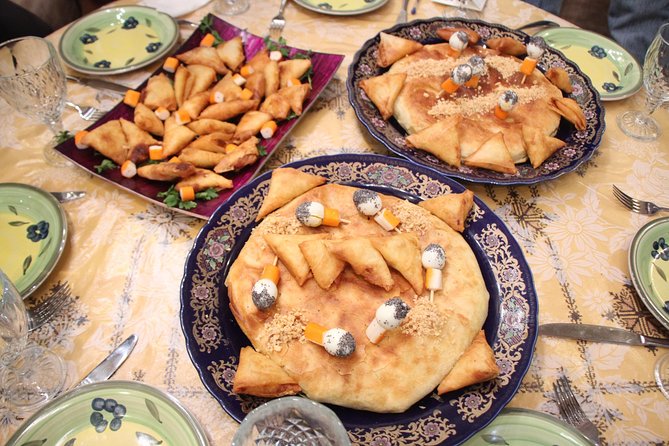
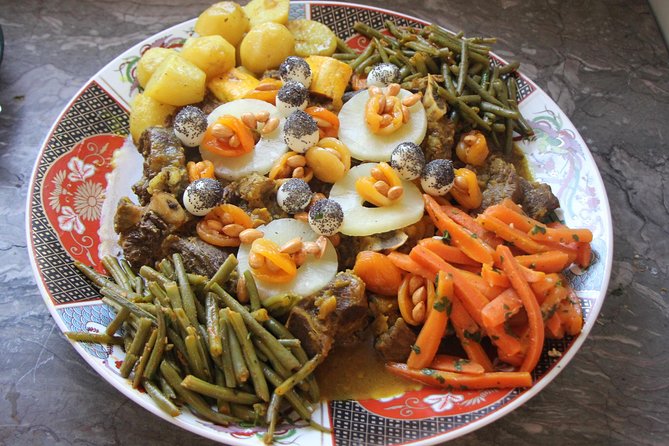
One thing Morocco does especially well is balance. You might see sweet elements alongside savory ones, like dates, almonds, or caramelized onions, depending on the dish. A couscous described in the class included almonds and dates, which is a great example of that sweet-savory rhythm.
People also mention vegetable sides with standout flavor. One detailed memory is how spices were used in preparing zucchini and green beans, described as better than anything they had before. That tells me the chef is not treating vegetables like an afterthought. You get guidance that helps you season and cook them so they taste like part of the feast.
The bread also tends to be a highlight. Multiple comments point out bread quality, including batboute/badboute type bread that is described as moist. When bread is done well, it instantly upgrades how everything tastes, because you get that sauce and spice pickup with each bite.
The Most Valuable Souvenir: Step-by-Step Notes You Can Use at Home
This class includes a take-home sheet of instructions, with steps you can use later. People describe getting paper and writing tools so they can capture what matters, especially when the chef explains measurements and timing.
Some useful notes you may take from the teaching style:
- Clear explanations of ingredient amounts
- Guidance that helps you understand technique, not just recipe steps
- Support to write down important details as you go
Also, there can be takeaway support like takeout containers. That comes up in reviews as an extra-friendly touch, especially when families or kids want to share or save some food.
In short, the “value” is not only the meal you eat. It is the notes that help you repeat the meal when you are back home and craving that Moroccan flavor.
Timing Reality Check: 2.5 Hours on Paper, Around 3.5 to 4 in Practice
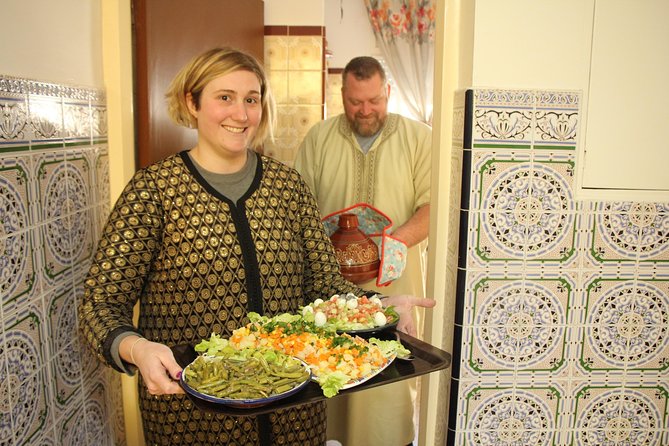
The tour summary lists the duration at about 2 hours 30 minutes. In real life, some experiences run longer, with mentions around 3.5 to 4 hours.
Why it can run long, in a good way:
- You start with tea and sweets before cooking
- You do prep plus cooking plus a sit-down meal
- You have time for questions, pictures, and notes
So if your schedule is tight, give yourself breathing room. A classic mistake is booking an evening plan right after. If you treat this like a half-day experience, you will enjoy it more.
Price and Value: Why $52.34 Can Make Sense in Rabat
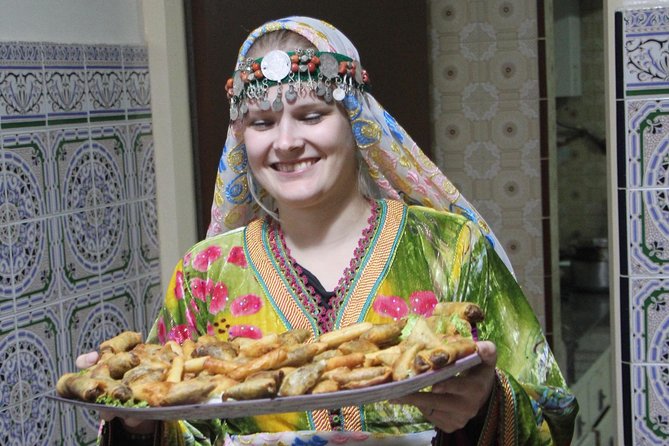
At $52.34 per person, you are paying for more than a meal. You are paying for a private-home cooking setup, a chef with decades of experience, small group attention, and a meal that includes multiple components like main dish plus sides plus bread.
You also get a high-satisfaction package:
- Welcome tea and sweets
- Cooking instruction while you actively participate
- A final meal at the end
- Recipe notes you can keep
That is why it can feel like good value compared with eating at restaurants all day. Restaurants in Rabat are great, but this gives you something you cannot buy easily: technique plus a repeatable recipe format.
If plans shift, you can cancel for a full refund if you do it far enough ahead of the start time. It is one less stress factor when you are juggling multiple stops.
Who Should Book Chef Khadija’s Class, and Who Might Prefer Something Else
This fits best if you:
- Want hands-on cooking, not just a tasting tour
- Like Moroccan food, especially tagine, couscous, pastilla, and breads
- Need flexibility for dietary preferences like vegetarian or vegan meals
- Travel as a couple, solo, or with kids who actually enjoy prep work
It also works well for people who do not speak much Arabic. One review notes English might not be the chef’s strongest language, but strong support can be provided by a family member, including a sister named Marla who speaks excellent English in at least one account. That kind of help makes the class feel comfortable and guided.
Who might want to consider alternatives: if you want a fully English-heavy explanation the whole time, or if you dislike home-kitchen settings. This is a real home, with a real kitchen workflow, and you are expected to participate.
Final Decision: Should You Book This Moroccan Cooking Class in Rabat?
I think you should book Chef Khadija’s class if you want a memorable Rabat food experience that feels local, not staged. You get the Moroccan tea welcome, the small-group home vibe, real cooking participation, and written step notes that help the meal live on after your trip.
Book it with confidence if you are excited about cooking tagine-style dishes and learning spice and timing. If you are short on time, still go, but treat it like a half-day and plan your schedule like it might run a bit longer than the printed duration.
If you want to experience Rabat through someone’s kitchen, this is a strong bet.
Latest additions near Rabat
- Rabat: Walking Food Tour★ 4.9 · 48 reviews
- Rabat: Private Guided City Walking Tour★ 4.8 · 30 reviews
- Rabat: Night Tour with traditional Moroccan Dinner★ 4.4 · 46 reviews
- Rabat: Private Half-Day City Tour★ 4.1 · 26 reviews
- Rabat: Cooking Class in a Family Home★ 5.0 · 27 reviews
- Rabat: Authentic Moroccan Cooking Class with Expert Chefs★ 5.0 · 17 reviews
- Exclusive Luxe Private Boat Guided Tour in Rabat★ 4.1 · 16 reviews
- Cultural immersion for travelers★ 4.2 · 14 reviews
Moroccan Cooking Classes, compared.
Traditional Moroccan Cooking Class & Market Visit
Read our review →
Moroccan Dishes Cooking Class with a Local Chef
Read our review →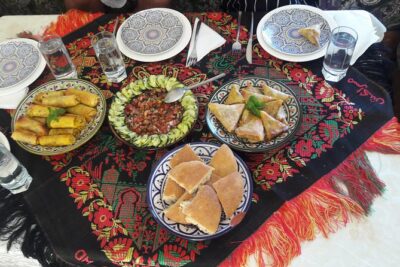
Moroccan Cooking Class & Marrakech Market Visit with Chef Khmisa
Read our review →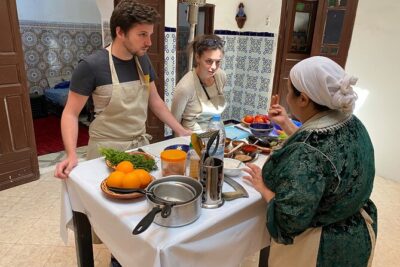
Half-Day Cooking Class with Local Chef Laila in Marrakech
Read our review →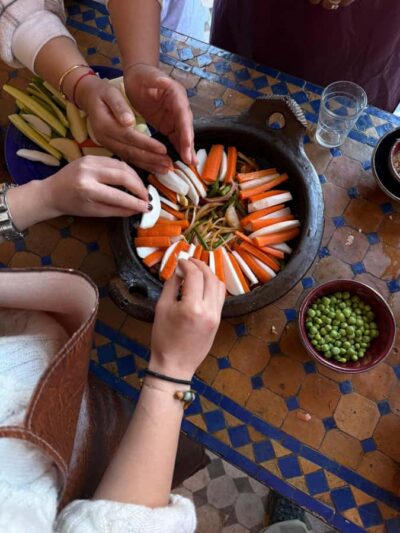
Browse the lists this tour appears in