
Reviewed · MOROCCAN COOKING CLASSES
Marrakech: Traditional Moroccan Crepes & Bread Cooking Class
Bread, tea, and real Marrakech technique.
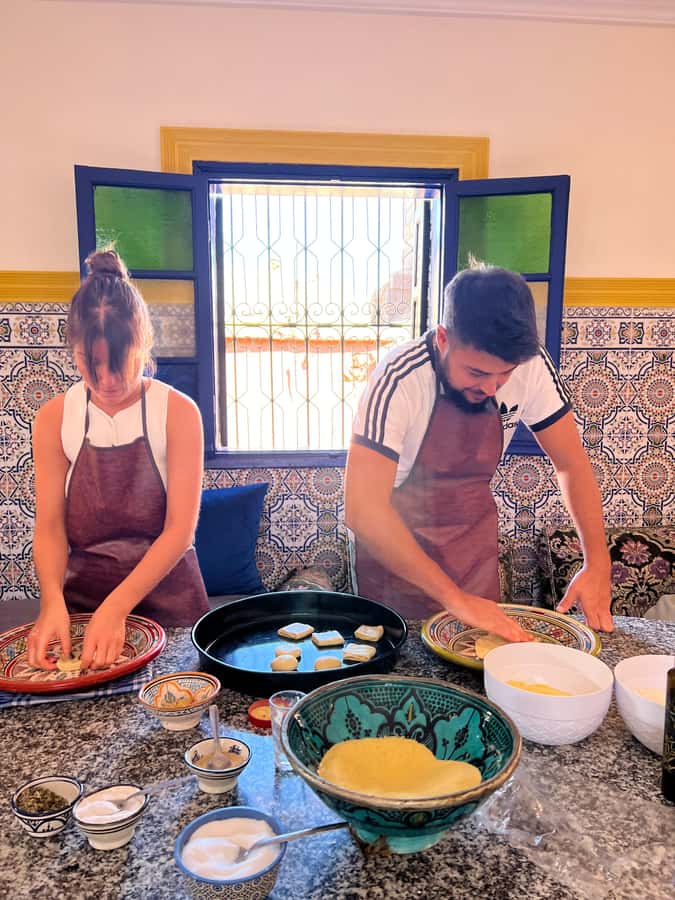
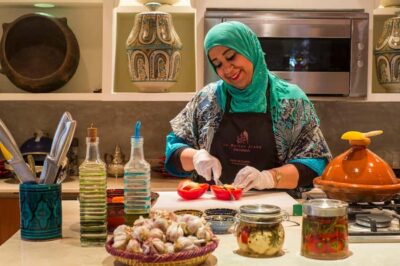
If you like food you can actually learn, this class delivers three Moroccan breads plus the mint tea ritual in a small workshop setting. I especially like the hands-on feel, apron on, hands in dough, and the way the host keeps everything clear even when language gets tricky. One possible drawback to note up front: it is not suitable for people with gluten intolerance or with food allergies.
You meet at a local home workshop, 44 Der Hajra, Bab Doukkala, which makes the experience feel part cooking class, part cultural day-to-day Morocco. The session runs about 2 hours, and you finish with tasting your work and sipping mint tea you helped prepare.
Because the group is limited to 10, you get more than just watching, you get help while you’re making decisions at the stove and on the griddle. If you arrive with comfortable clothes and a good appetite, you’ll leave with skills and recipes you can repeat later at home.
In This Review
- Key points before you go
- A Marrakech bread class that feels like a home kitchen
- The three breads: Msemen, Harcha, and Batbout
- Msemen, the Moroccan crepe that rewards patience
- Harcha, the semolina-style galette for crisp edges
- Batbout, the flat bread with a classic Moroccan shape
- How the 2-hour session actually moves
- Mint tea ritual: what you learn besides the recipe
- What you taste, and how the meal ties it together
- Price and value: why $37 can feel like a steal
- Where you meet at Bab Doukkala, and what the walk feels like
- Languages, help, and what to expect if you’re not fluent
- Practical tips that make the class easier
- Who should book this class, and who should skip it
- Should you book this Marrakech crepes and bread class?
- FAQ
- What breads do I learn to make?
- How long is the class?
- What is the price per person?
- Where is the workshop meeting point?
- Is this a small group experience?
- What languages are offered?
- What is included in the experience?
- Do I need to bring anything?
- Is it suitable for kids?
- Is it suitable for people with gluten intolerance or food allergies?
- How does cancellation work?
Key points before you go
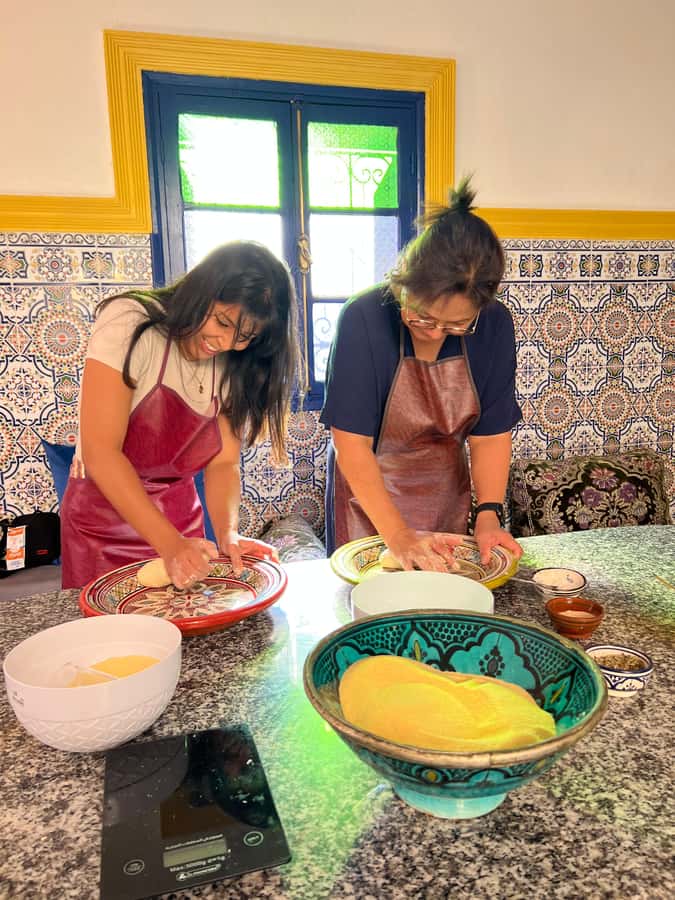
- Three breads in one session: Msemen, Harcha, and Batbout, each with a different method.
- Mint tea ritual included: you prepare and taste it as part of the class.
- Small group size: limited to 10 participants, so you can actually ask for help.
- All tools and ingredients provided: you bring water and comfortable clothes, that’s it.
- You cook start to finish: guidance through dough, shaping, and cooking, not just a demo.
- Electronic recipes are part of the deal: so you can recreate it later (if you want).
A Marrakech bread class that feels like a home kitchen
Marrakech is loud, fast, and full of food stalls. This kind of class gives you a quieter pocket of the city where you slow down and learn how bread and tea are made when no one is rushing for a photo.
What makes it work is the structure. You’re not just shown steps, you are guided through the choices: how to mix, how to shape, when to flip, and how to handle the dough as it changes from raw to cooked. It’s also why this is a strong value at $37 per person for a full 2-hour, small-group session where you get to eat what you make.
More Cooking Classes in Marrakech
- Marrakech: Moroccan Cooking Class with Pickup
★ 4.6 · 1,862 reviews - Marrakech: Traditional Moroccan Cooking Class & Market Visit
★ 4.8 · 1,861 reviews - Marrakesh: Moroccan Dishes Cooking Class with a Local Chef
★ 5.0 · 1,615 reviews
The three breads: Msemen, Harcha, and Batbout
You get hands-on practice with three Moroccan favorites, and each one has its own personality.
Msemen, the Moroccan crepe that rewards patience
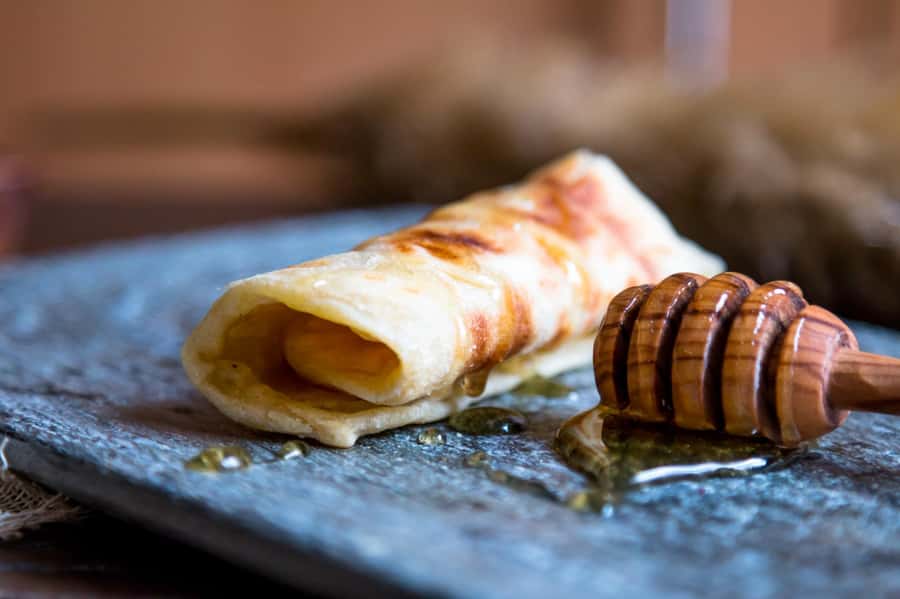
Msemen is often described as a crepe, but it’s more like a layered, pan-cooked bread with a satisfying chew. In class you’ll learn the technique behind shaping and cooking it so it turns out flexible and golden, not tough.
The big win here is learning the logic of the process. When you understand why the host guides you the way they do, you can repeat the method later instead of just copying a taste.
Harcha, the semolina-style galette for crisp edges
Harcha feels different from msemen the moment you start cooking it. It’s more about achieving the right texture as it browns, with that familiar semolina character that can go from dry to perfect if you get the timing right.
This is a bread that teaches you control. You’ll see how heat and cook time affect the final bite, and you’ll get feedback while you’re working.
Within striking distance:
- Marrakech: Agafay Desert Sunset, Camel Ride, and Dinner Show
★ 4.6 · 35,119 reviews - From Marrakech: Ouzoud Waterfalls Guided Hike and Boat Trip
★ 4.7 · 33,630 reviews - Marrakech: Agafay Desert Quad & Camel Rides with Dinner Show
★ 4.8 · 27,382 reviews - Marrakech: Agafay Desert Quad Biking Tour with Dinner-Show
★ 4.8 · 16,569 reviews
Batbout, the flat bread with a classic Moroccan shape
Batbout is a flat bread that cooks quickly and is built for real-life Moroccan eating, not just display. It’s the bread you want when you’re craving something practical, warm, and made for filling or dipping.
In class, you’ll practice shaping and cooking it correctly so it stays soft and doesn’t over-brown. It’s the sort of bread you’ll remember because the steps are tangible and fast.
How the 2-hour session actually moves
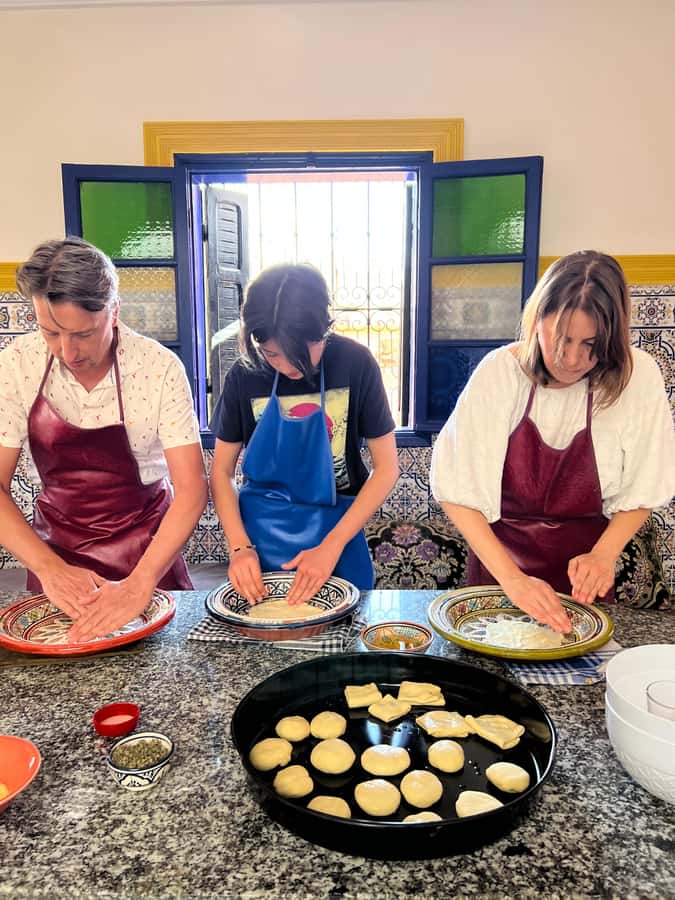
The pace matters in cooking classes, especially in a city where you might be walking a lot that day. This one is designed to keep you busy without feeling rushed.
Here’s what the flow feels like:
- You are welcomed into the workshop and get an apron plus the utensils and ingredients.
- The host guides you from the start of each dough or batter step through to cooking.
- You make the three varieties across the session, with explanations and hands-on correction as needed.
- Once the breads are cooked, you sit down to taste and chat.
- You prepare Moroccan mint tea together and learn the ritual as part of the experience.
The best part is that you are in control of your creations from start to finish. Some classes feel like theater with a tiny participation moment. This one makes you a real cook, even if you’re new to Moroccan bread.
Mint tea ritual: what you learn besides the recipe
Mint tea in Morocco is more than a drink. It’s a moment, a greeting, and a technique.
In this class, you don’t just get the tea. You help prepare it and follow the traditional mint tea ritual, guided by the host. The ritual is simple to follow but takes practice to pour and serve the way it’s meant to be served.
If you’ve seen mint tea being made in Marrakech before, you know the charm is partly the style. If you haven’t, you’ll quickly understand why it matters. You’ll learn how to treat tea like a skill, not a shortcut, and that knowledge is the kind you can carry home.
What you taste, and how the meal ties it together
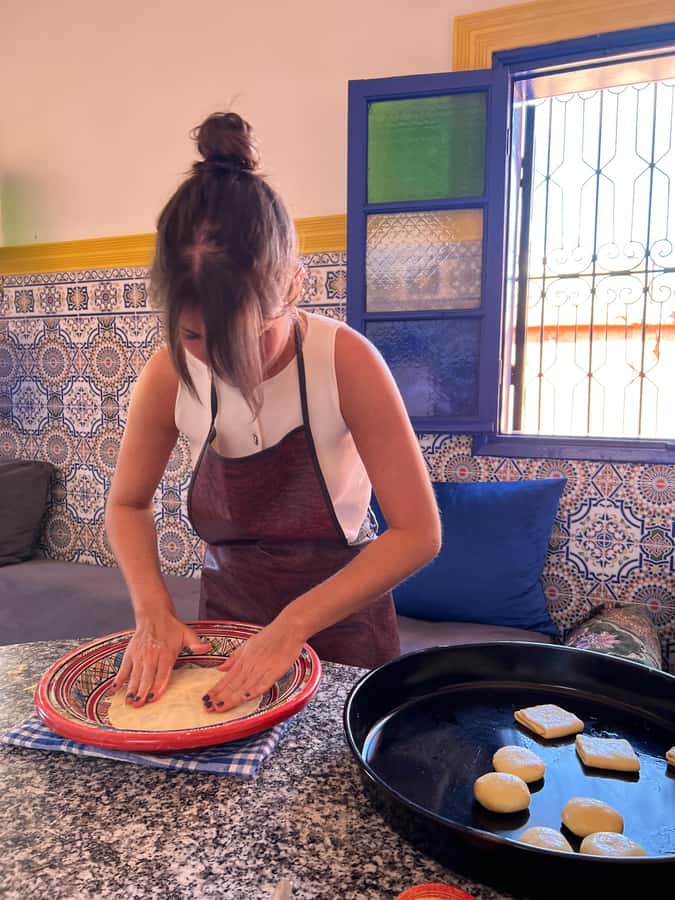
After you cook, you taste what you made. That matters because it closes the loop: you learn the method, then you taste the result and understand why certain choices were pushed a certain way.
You’ll also drink the tea you prepared. And while the class is centered on the breads, you may be offered simple Moroccan accompaniments like olives and honey or jam, depending on what’s included with your session.
A practical tip: come hungry. The breads you cook are filling, and the tasting portion is meant to be satisfying, not a token bite.
Also, if you make extra, you might be able to take some home in a box. That’s been part of the experience for at least some participants, so it’s worth asking if you end up with leftovers you want to save.
Price and value: why $37 can feel like a steal
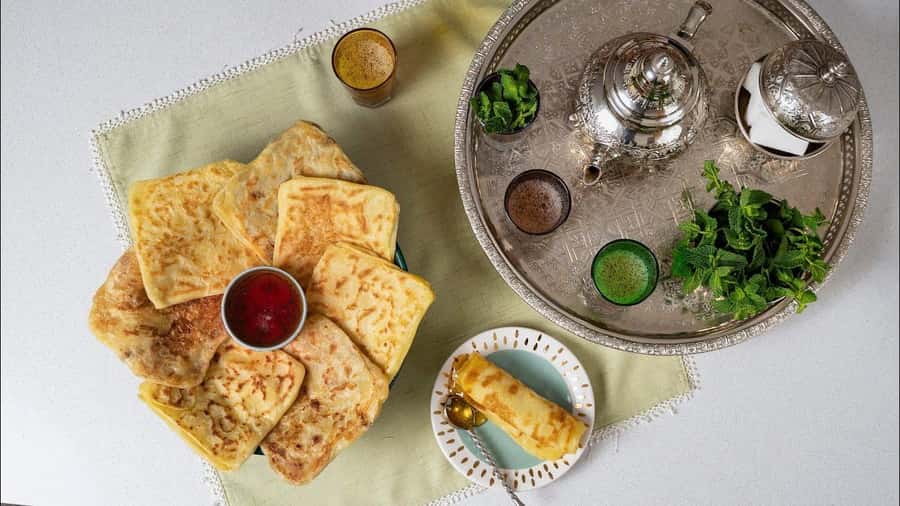
At $37 per person for a 2-hour, small-group class, you’re paying for three things that matter more than fancy packaging:
- Hands-on instruction with a host guiding you during active steps.
- Ingredients and tools provided, so you’re not hit with add-ons.
- Food and tea included, so you get a real outcome you can eat.
Many Marrakech food experiences either focus on tasting with minimal cooking, or they cost more but don’t give enough time at the stove. Here, the ratio is good: you cook, you learn, you taste, and you get recipes afterward.
One consideration: it is not designed as a dietary special event. If you need allergen-specific handling or a gluten-free setup, the listed restrictions mean this is not the right fit.
Where you meet at Bab Doukkala, and what the walk feels like
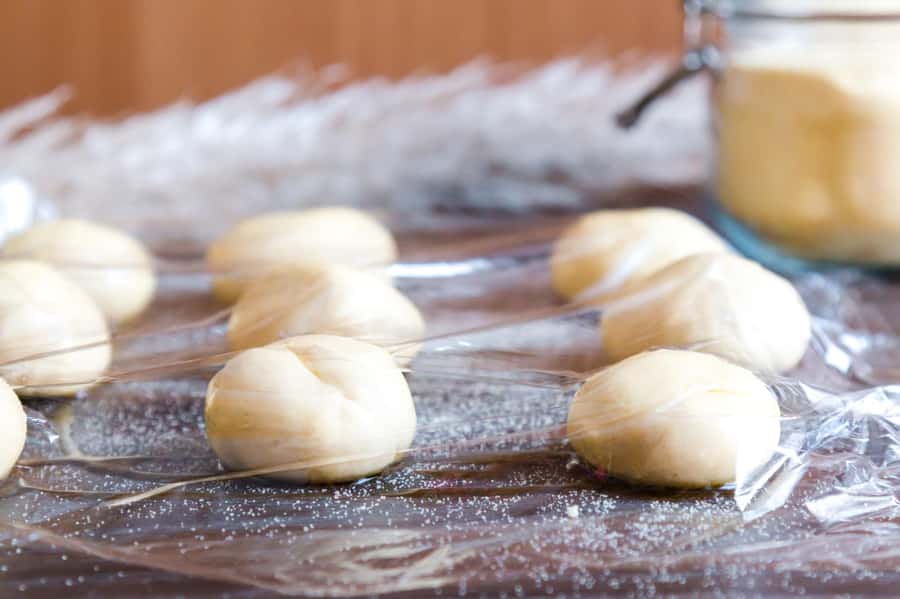
The meeting point is the workshop address: 44 Der Hajra, Bab Doukkala, Marrakech.
What I like about this kind of location is that you’re not dropped into a hotel cooking studio. You’re closer to real neighborhood movement. You may also find that the walk to the workshop passes through food markets used by locals more than tourists, which can make the lead-in part of the experience.
Practical advice: wear comfortable shoes. Even if the walk is not long, Marrakech sidewalks can be uneven, and you’re about to spend time standing and cooking after you arrive.
Languages, help, and what to expect if you’re not fluent
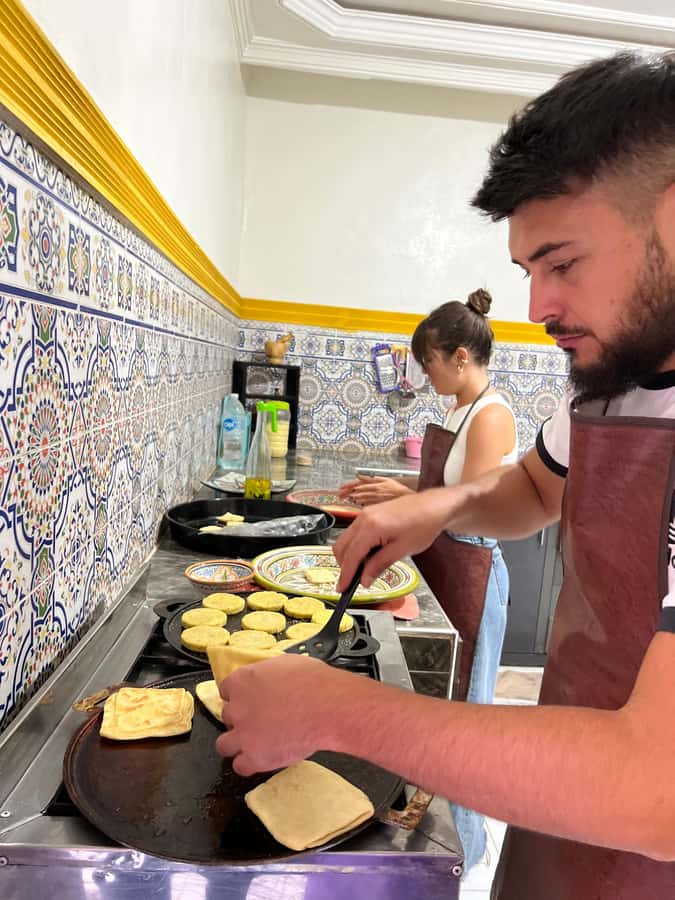
Instruction is offered in Arabic, French, and English, which gives you options. In addition, some sessions may have translation support, especially when you’re paired with a host who speaks a different primary language.
Names you may hear include Fatima and Jamila, along with a chef who demonstrates techniques. You should feel comfortable asking questions, but keep your expectations friendly. This is cooking, and sometimes the best communication is hand gestures plus a quick fix in real time.
If you want the most out of it, bring a few simple question topics in mind:
- How to judge doneness by color and texture
- What to do if dough feels too sticky or too dry
- How to store or reheat so it stays good
Practical tips that make the class easier
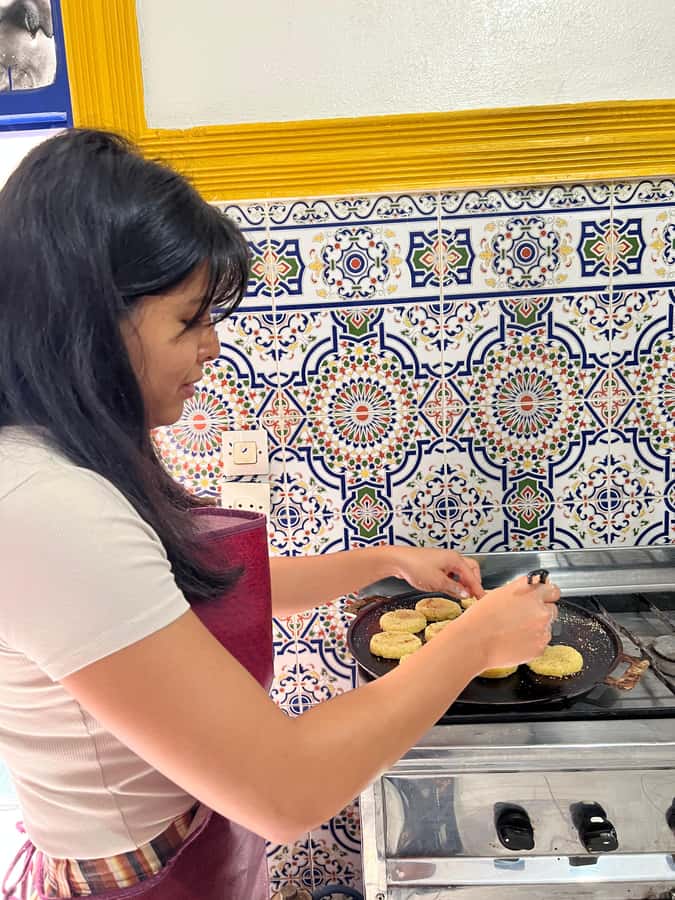
This is an active food workshop, so small choices matter.
- Wear comfortable clothes suitable for baking. You will be standing and working near heat.
- Bring water. After mixing and cooking, you’ll appreciate it.
- Keep your pace slow and follow the host’s timing cues, especially for Harcha browning.
- Don’t overthink the first batch. The technique improves as you go.
Also, the class notes that ingredients for the cooking lesson are provided. You can travel light. Just show up ready to cook.
If you’re hoping for perfectly hands-free work, that might not be the vibe. The value is in doing the steps yourself.
Who should book this class, and who should skip it
This class is a great match if you:
- Want practical Marrakech food skills, not just a tasting tour
- Enjoy bread and tea enough to learn how they’re made
- Like small group settings where you can ask questions and get help fast
- Want an experience that fits well into a day in the Medina area
It’s not a good match if you:
- Have gluten intolerance (listed as not suitable)
- Have food allergies (also listed as not suitable)
- Need a kid-friendly setup under age 4 (children under 4 are not suitable)
If you’re traveling with dietary restrictions, it’s worth considering another type of experience that explicitly caters to your needs. Here, the focus is traditional prep with standard ingredients.
Should you book this Marrakech crepes and bread class?
Yes, you should book it if you want a fun, hands-on way to understand Moroccan bread culture and learn mint tea ritual techniques you can actually repeat.
Here’s how to decide quickly:
- If you love food you can make at home, book it.
- If you hate standing and getting a little messy, maybe skip it.
- If you have gluten intolerance or food allergies, skip it, because the class is not set up for those needs.
- If you want a small-group cooking moment near Bab Doukkala, this is strong value for $37.
For me, the deciding factor is the mix of control and reward. You cook three breads, then you taste them and share tea that you made. That combination is exactly what turns a Marrakech food stop into a skill you keep.
FAQ
What breads do I learn to make?
You’ll learn to make three Moroccan varieties: Msemen, Harcha, and Batbout (flat bread).
How long is the class?
The class is 2 hours.
What is the price per person?
The price is $37 per person.
Where is the workshop meeting point?
The workshop address is 44 Der Hajra, Bab Doukkala, Marrakech.
Is this a small group experience?
Yes, it’s a small group limited to 10 participants.
What languages are offered?
The instructor can work in Arabic, French, and English.
What is included in the experience?
It includes an interactive baking class, an apron and necessary utensils and ingredients, guidance and explanations, tasting your baked creations, and Moroccan mint tea preparation and tasting. Electronic recipes are also included.
Do I need to bring anything?
Bring water and comfortable clothes. All ingredients for the cooking lesson are provided.
Is it suitable for kids?
It is not suitable for children under 4 years.
Is it suitable for people with gluten intolerance or food allergies?
It is not suitable for people with gluten intolerance and also not suitable for people with food allergies.
How does cancellation work?
You can cancel up to 24 hours in advance for a full refund.
Latest additions near Marrakech
- Marrakech: 3-Hour Monuments, Souks & Old Medina Walking Tour★ 4.7 · 133 reviews
- Marrakech: 3-Day Private Imperial Cities & Chefchaouen Tour★ 4.5 · 30 reviews
- Marrakech: 3-Day Atlas Mountains Berber Villages Trek★ 4.5 · 41 reviews
- Marrakech: 3-day Exclusive Desert Luxury Tour; Quad & Camels★ 4.8 · 61 reviews
- Marrakech: Guided 2-Day Trek to Imlil and Imnan Valleys★ 4.6 · 14 reviews
- Marrakech: Desert Tour with Dinner, Show and Camel Ride★ 4.9 · 150 reviews
- Marrakech: 3-Day High Atlas Mountains and Three Valleys Trek★ 4.8 · 63 reviews
- Marrakech: 2-Day Mount Toubkal Ascent Guided Tour★ 5.0 · 10 reviews
Moroccan Cooking Classes, compared.
Traditional Moroccan Cooking Class & Market Visit
Read our review →
Moroccan Dishes Cooking Class with a Local Chef
Read our review →
Moroccan Cooking Class & Marrakech Market Visit with Chef Khmisa
Read our review →
Half-Day Cooking Class with Local Chef Laila in Marrakech
Read our review →
Browse the lists this tour appears in