
Reviewed · WORKSHOPS
Marrakech: Workshop for Pottery
Clay gets real fast.
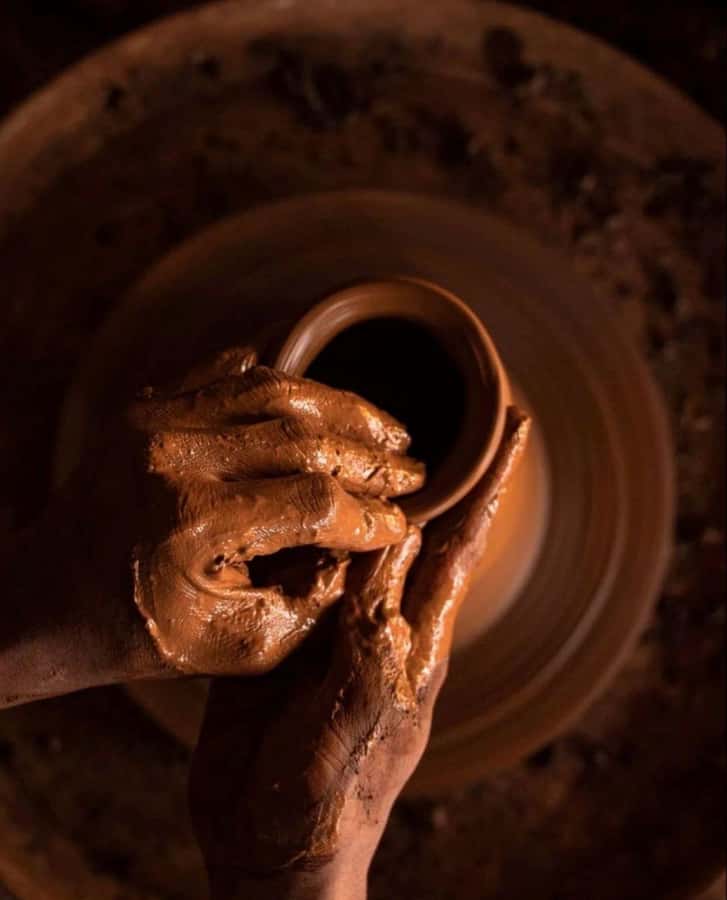
This Marrakech pottery workshop is a hands-on break from the shopping lanes, where you work with a seasoned craftsman in a traditional studio. You’ll get to try the pottery wheel, learn shaping techniques, and see how the process moves from raw clay to finished pottery.
What I like most is the direct instruction, not just watching. You’ll practice turning and molding, two different ways to shape clay, and you’ll get a tea break with Moroccan pastry right with the artisans, which makes it feel human and relaxed instead of rushed.
One thing to plan for: timing and drive time can be a little variable. Pick-up is handled from a designated meeting point, and the exact time is confirmed by the guide, and the studio can be a bit more than a short hop from the old city.
In This Review
- Key things to know before you go
- Entering a Traditional Marrakech Pottery Studio, Not a Demo
- The Two Skills You Practice: Wheel Turning and Clay Molding
- What Happens Before and After Baking (and Why It Matters)
- The Tea Break Is Part of the Craft Day
- How the Schedule Really Feels: Pick-Up Timing and Drive Time
- The Real Value of $68 for Two Hours of Clay Work
- Who This Workshop Fits Best (and Who Might Want to Adjust Expectations)
- Should You Book This Marrakech Pottery Workshop?
Key things to know before you go
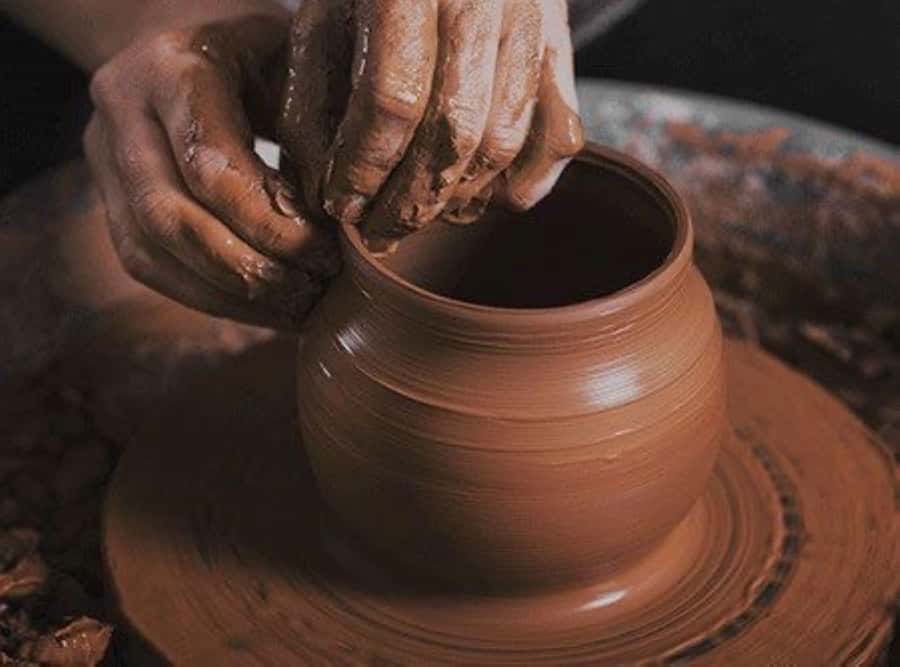
- Two shaping techniques: you’ll work turning on the wheel and also use a molding approach.
- A traditional studio tour: you’ll see the tools and how craftspeople set up to work.
- Moroccan tea and pastries included: the break is part of the experience, not an afterthought.
- Small group size: limited to 10 participants, so you get real guidance.
- Language support: live guide speaks Arabic, English, and French.
- Pick-up coordination matters: you must stay reachable on WhatsApp for timing.
Entering a Traditional Marrakech Pottery Studio, Not a Demo
Your day starts with pick-up from Hotel Islan (فندق إسلان). From there, you head out to the pottery studio area for a focused session that’s built around doing the work, not just taking photos.
Once you arrive, you’re in a working space where you can actually see how craftspeople set up. You’ll walk through the tools and techniques used to create ceramics, which helps you understand why one movement on the wheel looks effortless when you watch, and why it feels tricky the first time you try it.
The group stays small, capped at 10 participants, so the instructor can correct your hands and your rhythm. That matters, because clay punishes guesswork. You get guidance while you learn, and you’re not stuck waiting your turn for a wheel that someone else has mastered already.
Accessibility is also handled thoughtfully. The workshop is listed as wheelchair accessible, so the session is designed to accommodate more than just people who can zip around on their own.
Other Marrakech days to consider
- Marrakech: Agafay Desert Sunset, Camel Ride, and Dinner Show
★ 4.6 · 35,119 reviews - From Marrakech: Ouzoud Waterfalls Guided Hike and Boat Trip
★ 4.7 · 33,630 reviews - Marrakech: Agafay Desert Quad & Camel Rides with Dinner Show
★ 4.8 · 27,382 reviews
The Two Skills You Practice: Wheel Turning and Clay Molding
This workshop is built around learning two distinct shape techniques, and that’s the big value. A pottery wheel is the classic method for symmetrical forms, while molding tends to produce more varied shapes with a different kind of control.
On the wheel side, expect a turning approach where you work the clay as it spins. The goal isn’t to make a museum-perfect vase in two hours. It’s to understand the feel of the wheel, how pressure changes the shape, and how your hands guide the clay without fighting it.
On the molding side, you’ll work with clay in a way that’s less about centering from scratch and more about forming and shaping. You’ll learn a different workflow and see how artisans plan for the final look, even though you’re starting from soft, moveable material.
The instructor’s job is to help you translate what you see into what your hands can do. In a format like this, that’s worth paying for. Watching a video at home is nice, but it’s not the same as getting a nudge on how to hold a tool or how to position your palms.
What Happens Before and After Baking (and Why It Matters)
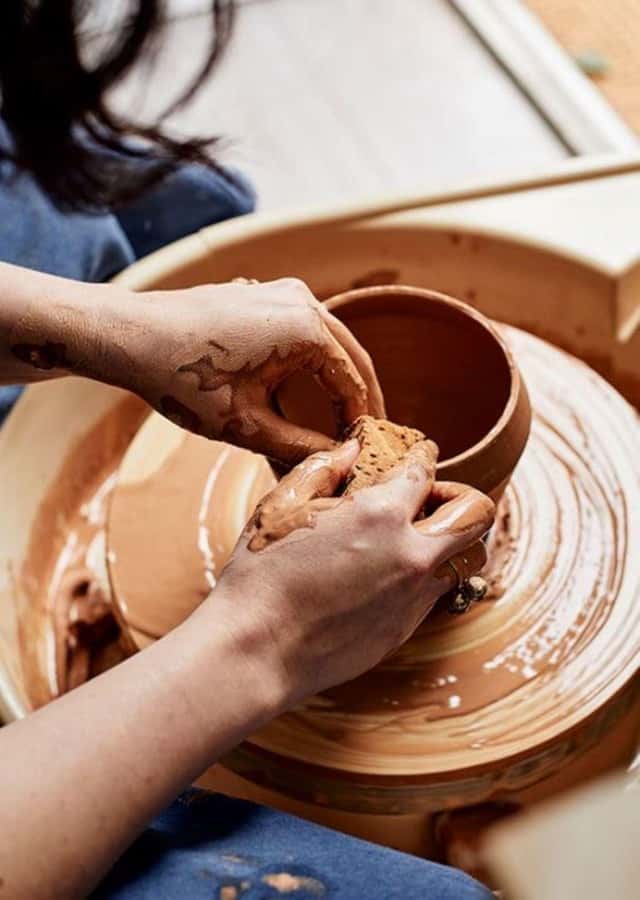
Even though you’re creating your pieces during the session, the workshop is also about learning the bigger pottery timeline. The experience includes preparing the clay, shaping before baking, and understanding what happens along the way.
You’ll get hands-on practice producing the clay work using the turning technique, and then you’ll see how molding fits into the broader process. The workshop framing is useful because it teaches you that pottery is not a single magical moment, it’s a chain of steps where timing and handling matter.
Glazing and firing aren’t just backstage info either. You should expect to get a view of the overall process, so you understand why certain stages happen before anything can be truly finished.
One practical point for your expectations: the activity makes it clear you’ll create clay before baking. What you take home, if anything, depends on how the studio handles drying and firing. If having a finished, ready-to-use ceramic piece is a must, ask when booking or confirm the take-home policy with the provider.
The Tea Break Is Part of the Craft Day

This isn’t a rushed bus-and-brief photo stop. You get a proper Moroccan tea break, served with water and pastries.
That tea moment does two things. First, it slows the pace when your hands are tired from clay work. Second, it gives you time to talk with the artisans, ask questions, and see the personality behind the craft.
It also helps that the workshop is operated by a skilled mother-daughter team, and their support is described as kind and interactive. You can feel that in the way a class like this works, because encouragement is a real teaching tool when you’re learning something hands-on.
If you’re visiting for a special trip, this part tends to land well. One of the session styles fits celebrations, like a group outing where people want an activity that feels local and not overly formal.
And since photography is included, you can capture the tea table and the studio atmosphere without worrying about whether you’ll be asked to put your phone away.
Within striking distance:
- Marrakech: Agafay Desert Quad Biking Tour with Dinner-Show
★ 4.8 · 16,569 reviews - Marrakech: Atlas Mountains, Ourika Valley, Waterfall & Lunch
★ 4.8 · 15,834 reviews - From Marrakech: 3-Day Merzouga and Sahara Desert Tour
★ 4.9 · 15,308 reviews - From Marrakech: Merzouga 3-Day Desert Safari with Food
★ 4.7 · 12,232 reviews
How the Schedule Really Feels: Pick-Up Timing and Drive Time
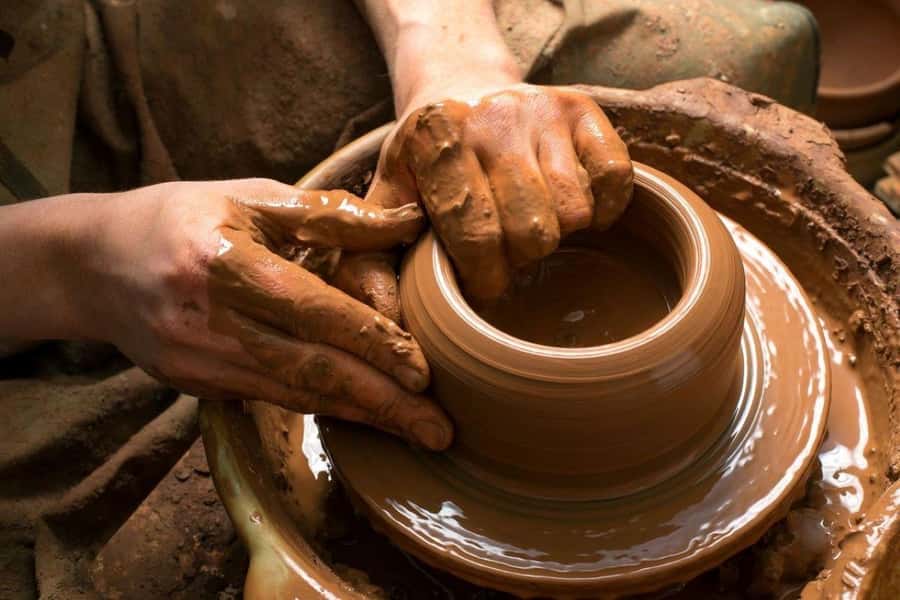
The listed duration is 2 hours, but the day begins with pick-up coordination. You’ll need a valid phone number when you book, and you should stay reachable on WhatsApp for pick-up messaging.
The exact pick-up time is confirmed by the guide depending on the day’s schedule and other participants. That’s normal for small-group activities in Marrakech, but it’s worth planning around. I’d set aside extra buffer time on the morning, especially if you have another appointment close to the old city.
Transport is included from the designated meeting point, but the studio location can mean more driving than you expect if you’re thinking you’ll be right next door to the medina. Plan for a short ride out of the central tourist area.
There’s also a small reality check for the class flow. In some sessions, wheel time can be shorter than you’d imagine, with more time spent doing clay forming practice. In other words, you may learn a lot about technique while also realizing you can’t do an entire pottery collection in one afternoon.
The Real Value of $68 for Two Hours of Clay Work
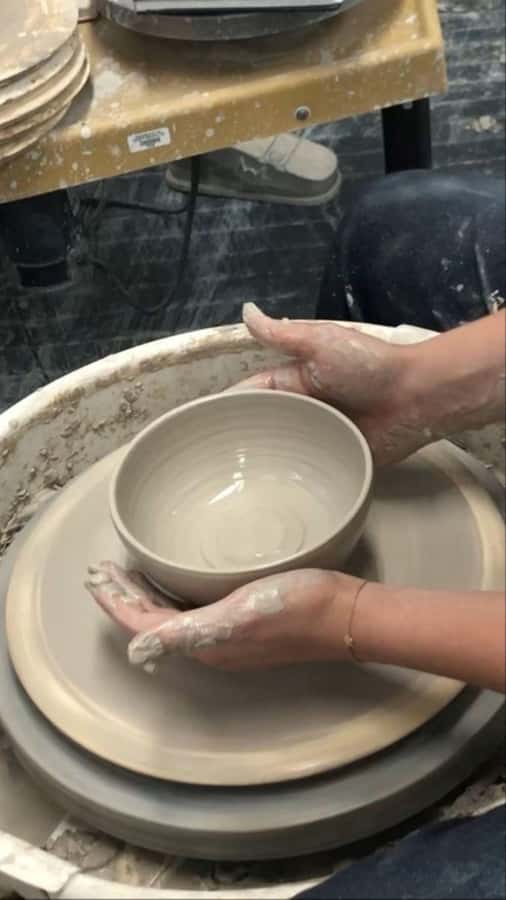
At $68 per person, this isn’t the cheapest thing you can do in Marrakech. But it also isn’t priced like a quick roadside activity. The value comes from what’s included and from the small-group coaching.
You’re getting craft supplies, raw materials, tools and materials, plus creative supplies. Tea, water, Moroccan pastry, and even photography are included too. That means you’re not paying extra for the basics that make the workshop feel legit.
The other part of the value is teaching time. With a max group size of 10, you get individualized help rather than being one face in a crowd. That helps beginners most, because pottery is one of those crafts where your hands learn through correction.
One more value lever is the studio access. You’re not just doing one step on a classroom wheel. You’re learning the turning and molding techniques, plus you get a look at how pieces move through the prep and baking stages.
The only caution is to confirm what you receive at the end. Since you’re making clay before baking, ask whether you take home finished, fired pieces or if you’re making something that gets handled after the session.
Who This Workshop Fits Best (and Who Might Want to Adjust Expectations)
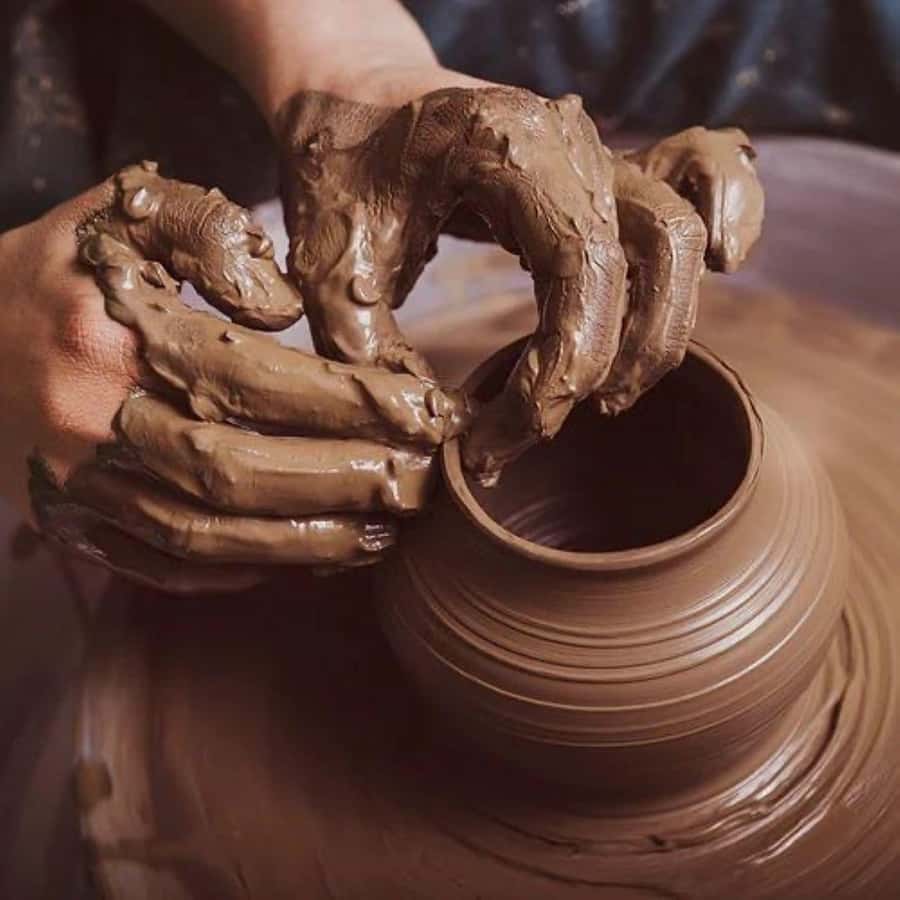
This is a great choice if you want a hands-on Morocco activity that’s not about bargaining or crowds. If you like crafts, you’ll probably enjoy the rhythm of the studio, the tool talk, and the satisfaction of shaping something from scratch.
It’s especially good for first-timers. The instruction is built to get you working quickly, and the wheel practice plus molding gives you more than one way to succeed.
It can also work well for groups. Celebrations and mixed friend groups fit the “small, guided” format, and the tea break keeps things social.
If you’re an adult who wants a long wheel session and lots of repeat practice, you might need to manage expectations. Some sessions can feel like they focus more on learning technique than on producing multiple finished forms. If that’s your goal, message the provider ahead of time and ask how wheel time is typically allocated.
And if you’re looking for a very serious studio experience where every step is highly technical, you should still enjoy it, but it’s designed for a broad audience. Think friendly craft lesson, not advanced ceramics program.
Should You Book This Marrakech Pottery Workshop?
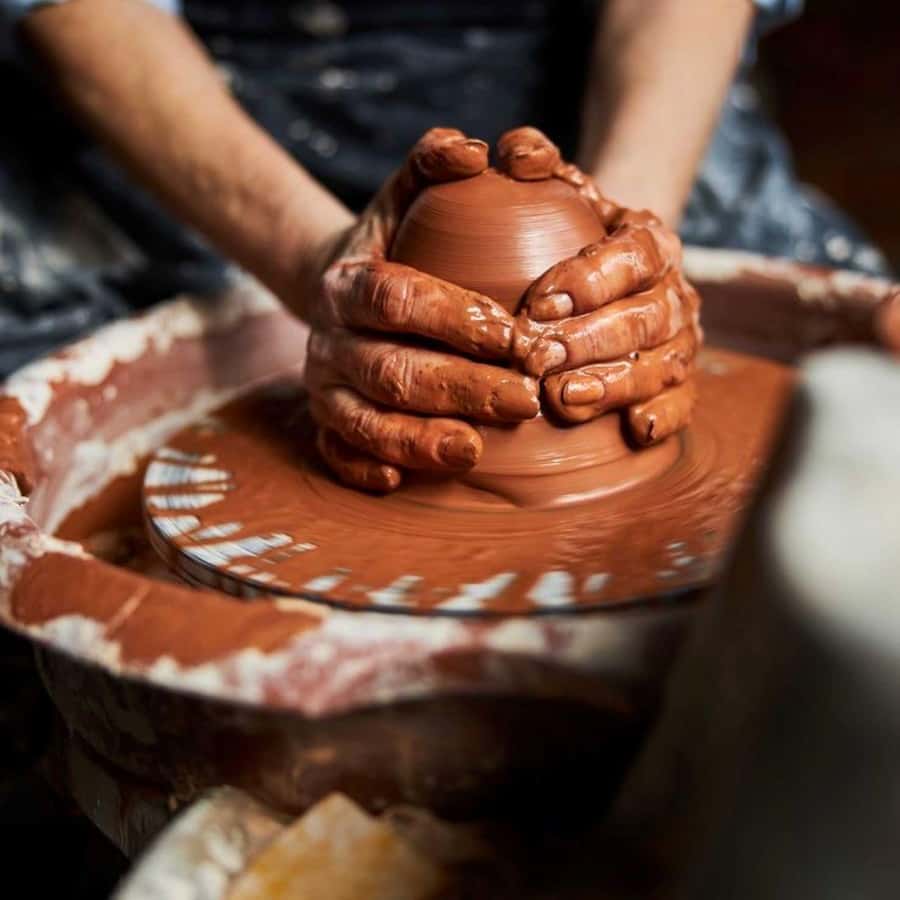
I’d book it if you want a small-group, practical craft day in Marrakech. The mix of wheel turning, molding technique, Moroccan tea, and pastry feels like a full cultural activity, and the studio setup gives you more than just a one-minute demo.
Book with extra attention to timing. Confirm your pick-up time message via WhatsApp, and give yourself breathing room on your schedule. Also check what you take home, since the workshop emphasizes work before baking.
If you’re traveling with kids or you like activities that are patient and supportive, this kind of class often lands well because it’s structured around guided making, not pressure.
But if you’re chasing a long, uninterrupted wheel session, or you need guaranteed finished take-home ceramics the same day, you should ask those questions before you commit.
If you tell me your travel dates and whether you’re hoping to take home finished pottery, I can suggest what to ask when you book.
Latest additions near Marrakech
- Essaouira Full Day Trip : From Marrakech★ 3.4 · 13 reviews
- Mount Toubkal Trek 2 Days & 1 Night★ 4.5 · 26 reviews
- Marrakech: Atlas Mountains Day Trip, 3 Valleys & Waterfalls★ 4.5 · 39 reviews
- Marrakech: Half-Day Medina Markets Tour★ 4.5 · 11 reviews
- Marrakech: 3-Hour Open-Air Moroccan Cooking Course★ 4.9 · 74 reviews
- Moroccan Food Cooking Class with a Local Chef in Marrakech★ 4.7 · 90 reviews
- Moroccan cooking class in Marrakech with berber chef★ 5.0 · 16 reviews
- Edgy 8 Dish Private, Fusion Cooking Class, Menu Plan, Market★ 4.9 · 31 reviews
Workshops, compared.
Traditional Moroccan Cooking Class & Market Visit
Read our review →
Moroccan Dishes Cooking Class with a Local Chef
Read our review →
Moroccan Cooking Class & Marrakech Market Visit with Chef Khmisa
Read our review →
Half-Day Cooking Class with Local Chef Laila in Marrakech
Read our review →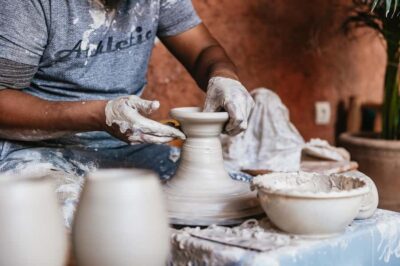
Browse the lists this tour appears in